
A complete pilgrim record drawn from the existing published article data.
\n\n
\n\n
\n\nA heritage Woven in Time: The History of Ghantai
Sthala Purana
The temple was built as a major Digambara Jain tirtha dedicated to Adinatha, the first Tirthankara, reflecting the Chandela patronage of Jainism alongside Hindu traditions in Khajuraho. Its iconographic program emphasizes foundational Jain cosmology and soteriology, including the auspicious dreams of Mahavira’s mother and the assembly of Jinas.
Timeline
Patronage Under the Chandela Dynasty
\n
\n\nReinterpreting Ancient History
\n
\n\n\n\n
Architectural Brilliance: The Chain-and-Bell Motif
\n\n
\n\nThe Fusion of Styles
\n
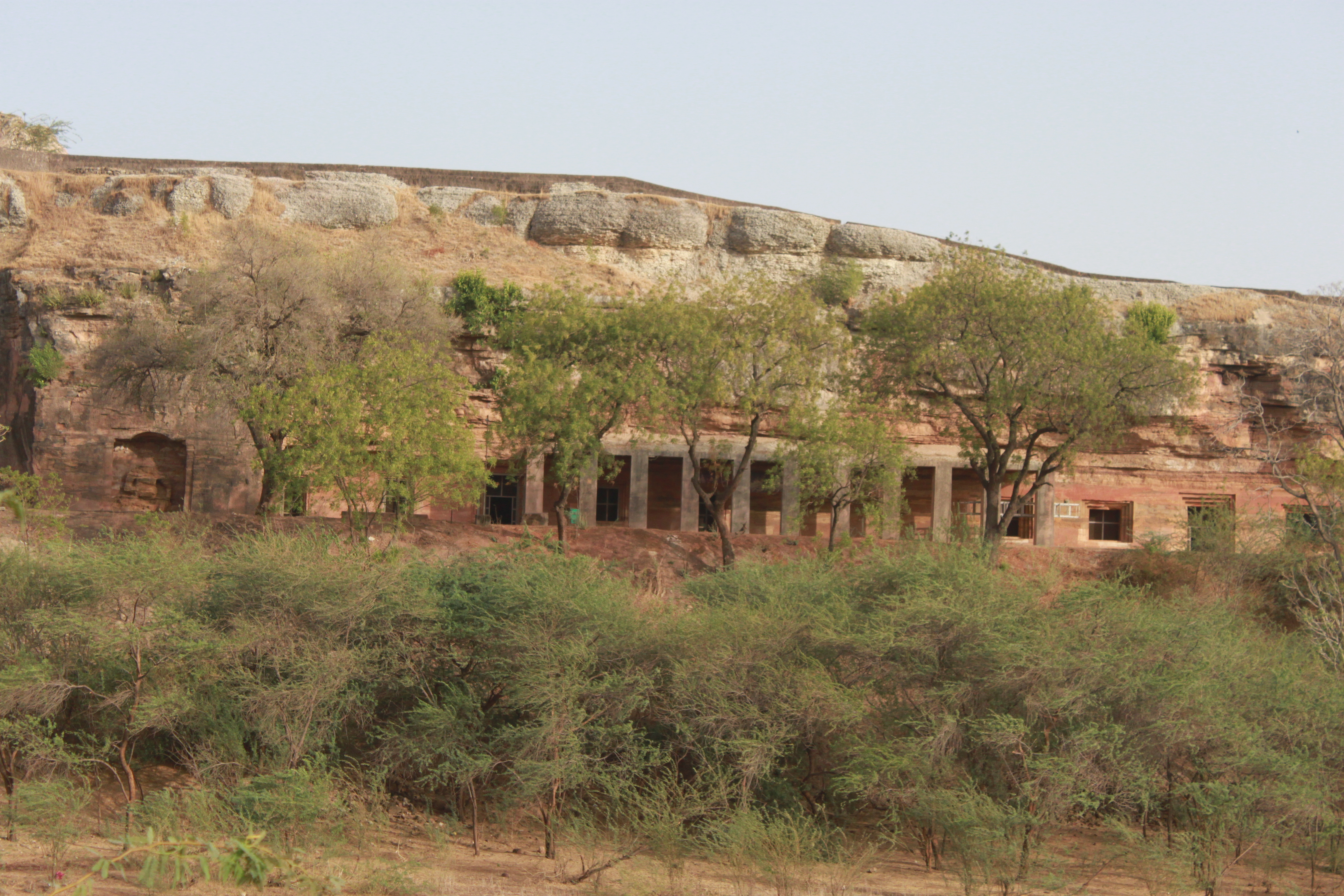
\n\nThe State of Ruin and Survival
\n
\n\n\"The silence of the ruins speaks louder than any inscription; it is a profound reminder that even the grandest empires eventually yield to the enduring presence of spirituality.\"
\n\n\n
The Divine Presence: Deity and Legend
Deity Profile
Rishabhanatha (also known as Adinatha) is the presiding deity worshipped at this temple.
- Main Deity: Rishabhanatha (also known as Adinatha)
- Form: Adinatha, standing in kayotsarga pose
- Tradition: Digambara Jain
Symbolism in the Carvings
\n
\n\nLegends Etched in Stone
\n
\n\nVisitor Tip: When visiting the Khajuraho area, take time to observe the interplay between the surviving structures and the surrounding nature. The way the jungle reclaims these ancient stones offers a unique, contemplative experience that few other heritage sites can match.
\n\n\n
The Festival of Faith: Celebrations and Rituals
\n\n
\n\nEchoes of Devotion
\n
Imagining the vibrancy of past celebrations—the chanting, the processions, and the communal rituals—allows us to connect more deeply with the spirit of the people who worshipped here centuries ago. These events were not just religious observances; they were vital social and cultural anchors for the Chandela realm.
\n\nThe temple's construction places it firmly within the 10th century, a period rich with artistic and religious ferment in Central India.
\n\n\n
Visitor Guide: Exploring the Ruins
\n\n
For those seeking to experience the atmosphere of the Ghantai temple, preparation and respect are paramount. As a traveler exploring these ancient sites, understanding the context of the ruins is just as important as appreciating the artistry.
\n\n\n\n
"Every stone here carries the prayers of generations who came before."
"Ghantai temple is not just a temple — it is a living chronicle of faith."
Related temples: Aranya Devi Temple, Arrah | Bageshwar Dham Balaji Temple
Getting There and Practical Advice
\n
The Ghantai temple is situated in the vicinity of Khajuraho, a region rich with historical sites. To plan your visit effectively, consider the following practical steps:
\n\n- \n
- Nearest City: Khajuraho \n
- Travel Time: Plan for travel to the Khajuraho region, allowing ample time for exploration of the larger UNESCO site. \n
- Best Time to Visit: Early mornings offer the most serene and atmospheric experience, away from the midday heat. \n
- Attire: Dress modestly, respecting the sanctity of the historical and religious sites. \n
\n\n
\n\n
\n\n
Further Exploration
\n
After exploring the Ghantai temple, we encourage you to explore deeper into the broader historical context of Khajuraho. Consider visiting the nearby Parshvanatha temple for a comparative view, or explore other lesser-known Jain sites in the region. For more on Jain heritage, we recommend reading about the Jain History.
\n\nA Journey Through Khajuraho's Heritage
\n\n
\n\nConnecting the Dots
\n
To fully appreciate the Ghantai temple, one must view it within the context of the entire complex. It stands as a reminder that history is not a linear progression but a complex web of interconnected stories, where the ruins of the past inform the present and inspire future reflection.
\n\n🗺 How to Reach
Hover a card to animate the journey on the map
Route to Khajuraho
Common Questions
Where is Ghantai Temple: Lost Jain Marvels of Khajuraho Ruins located?
Ghantai Temple: Lost Jain Marvels of Khajuraho Ruins is documented at Khajuraho, Madhya Pradesh.
Which deity is associated with Ghantai Temple: Lost Jain Marvels of Khajuraho Ruins?
Ghantai Temple: Lost Jain Marvels of Khajuraho Ruins is associated with Rishabhanatha.
Related Temples

A Living Covenant