
A complete pilgrim record drawn from the existing published article data.
A Heritage Woven in Time: The Ancient Context of Deogarh
Deogarh: A Crossroads of Civilization
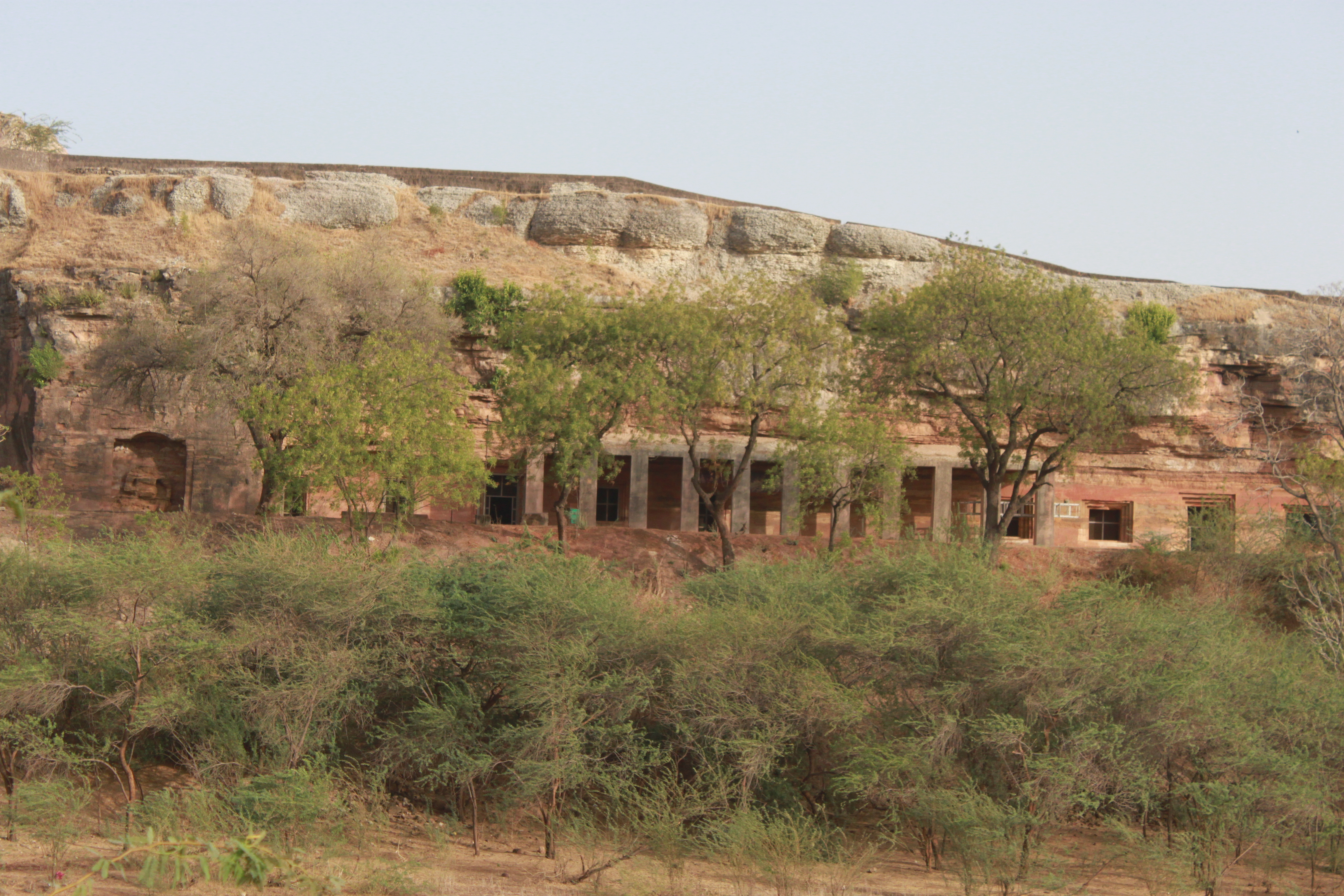
Long before the temple's construction, Deogarh had already established itself as a significant human settlement. Its strategic placement along major imperial trade routes facilitated the constant flow of goods, ideas, and people from many linguistic and cultural backgrounds. This confluence fostered an environment where artistic and religious traditions could flourish and evolve, leading to a rich tapestry of cultural expression.
Tracing History Through Inscriptions and Discoveries
Key Historical Milestones
The inscriptions found at Deogarh reveal a continuous thread of spiritual and secular life that binds the region across centuries, making it a crucial site for historical research.
Architectural Brilliance: The Gupta Style Manifested
Form and Philosophy: The Ekashala Design
Engineering and Aesthetics of the Golden Age
The Divine Pantheon: Deities and Legends Sculpted in Stone
Vishnu: The Preserver and His Avatars
Vishnu (The Preserver)
As one of the principal deities of Hinduism, Vishnu is revered as the preserver and protector of the universe. He is often depicted with four arms, holding a conch shell (shankha), discus (chakra), mace (gada), and lotus flower (padma). His various avatars, including Rama, Krishna, and Narasimha, descend to Earth to restore righteousness and vanquish evil, making him a central figure in Vaishnavism.
A Cosmic Assembly: Other Deities and Epic Narratives
The temple walls are a visual encyclopedia, mapping the entire Hindu pantheon onto a single sacred space, inviting devotees into a deeper understanding of cosmic interconnectedness.
Festivals and Spiritual Life
Echoes of Ancient Worship
The Cyclical Rhythms of Faith
A Visitor's Guide to Deogarh
For those planning a journey to witness this historical gem, practical information ensures a richer, more respectful, and more informed experience. Navigating the historical landscape of Deogarh requires thoughtful preparation to fully appreciate the depth and significance of this ancient site.
The silence of the ruins speaks volumes about the vibrant, complex world that once animated this sacred space, inviting modern pilgrims to contemplate its timeless wisdom.
We encourage you to explore deeper into the stories of the region and beyond. Discover related historical sites and temples that share similar artistic and spiritual legacies, enriching your understanding of India's vast cultural heritage.
Explore Gupta Art and Architecture in India | Discover Ancient Indian Trade Routes | Read about Narasimha Temple, Hampi
Planning Your Journey
- Best Time to Visit: The cooler months, from October to March, offer the most serene experience for exploring these ancient ruins, avoiding the intense summer heat and monsoon rains.
- Attire: Dress modestly, respecting the sanctity of this ancient site, especially when viewing the detailed carvings and sacred spaces.
- Accommodation: Limited options are available in Deogarh itself; visitors often stay in Lalitpur or Jhansi and make a day trip.
- Local Transport: Taxis or rented vehicles are the most convenient way to reach Deogarh from nearby towns.
Engaging with History and Culture
To truly enhance your visit, dedicate time to learning about the Gupta period, its artistic traditions, and the ancient trade routes that once passed through this region. Understanding the temple's historical context will deepen your appreciation for its architectural brilliance and profound mythological narratives. Consider hiring a local guide to illuminate the intricate details and stories embedded in the stone.
Sacred Stories: Narratives in Stone
The Pandavas: Dharma and Destiny
The Saga of the Pandavas
The Pandavas—Yudhishthira, Bhima, Arjuna, Nakula, and Sahadeva—are the central heroic figures of the epic Mahabharata. Born to King Pandu and his wives Kunti and Madri, they famously battled their Kaurava cousins for control of the kingdom of Hastinapura. Their story is a profound exploration of dharma (righteous conduct), duty, justice, and the complexities of human relationships, often guided by the divine wisdom of Lord Krishna. Their presence at Deogarh signifies the integration of epic narratives into sacred temple spaces.
Visual Epics: The Panels of Dashavatara
🗺 How to Reach
Hover a card to animate the journey on the map
Route to Devgarh
Common Questions
Where is Dashavatara Temple Deogarh: Unearthing 6th Century Gupta Art located?
Dashavatara Temple Deogarh: Unearthing 6th Century Gupta Art is documented at Khajuraho, Madhya Pradesh.
Which deity is associated with Dashavatara Temple Deogarh: Unearthing 6th Century Gupta Art?
Dashavatara Temple Deogarh: Unearthing 6th Century Gupta Art is associated with Murugan.
Related Temples

A Living Covenant