A complete pilgrim record drawn from the existing published article data.

The Sacred Geography of Bhedaghat
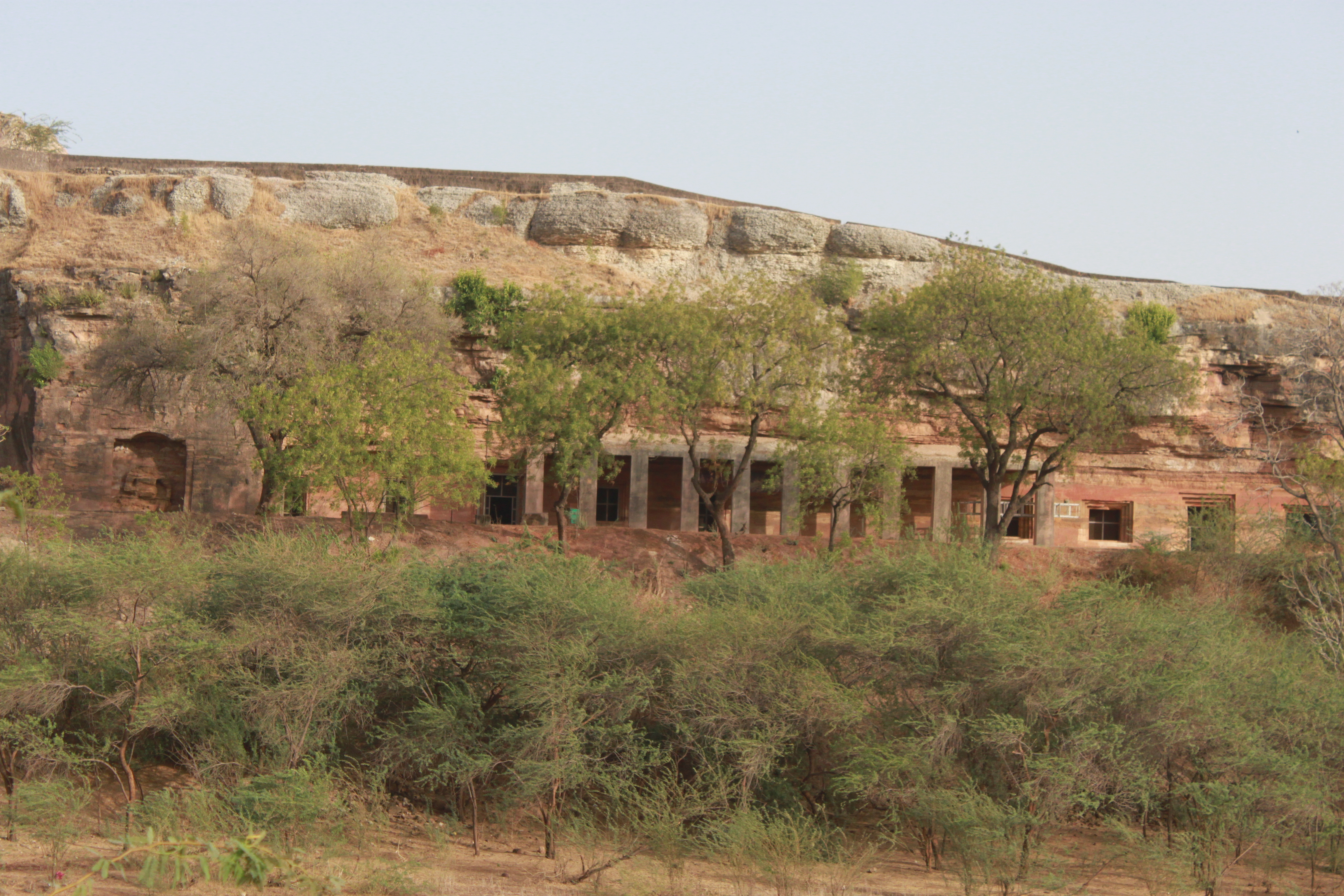
A Vantage Point Over the Narmada
“The confluence of divine architecture and natural grandeur at Bhedaghat creates an unparalleled spiritual experience, deeply rooted in the land's ancient energies.”
Geological and Spiritual Significance

Architectural Marvel: Geometry and Devotion
The Enigmatic Circular Design

Evolution of Sacred Space
The Divine Presence: Yoginis and Cosmic Energy
At the heart of the Chausath Yogini Temple lies the profound veneration of the Yoginis—divine feminine energies personifying various forms of cosmic power and spiritual knowledge. The presence of 81 distinct shrines suggests a comprehensive recognition of the myriad manifestations of divine feminine power that govern creation, sustenance, and dissolution.
The Yoginis
The Yoginis are revered as formidable manifestations of the Divine Mother, embodying esoteric knowledge, magical abilities, and various forms of Shakti (divine power). In this temple, each of the 81 cells likely housed a unique representation of a Yogini, reflecting diverse aspects of cosmic energy, often associated with Tantric practices. They are seen as fierce protectors, granters of boons, and guides on the path to spiritual liberation.
Unveiling the Yoginis

The Gauri-Shankar Adaptation
Gauri-Shankar (Shiva and Parvati)
Gauri-Shankar represents the divine union of Shiva and Parvati, embodying creation, preservation, and dissolution through their cosmic dance and harmonious partnership. Their presence in the central shrine signifies the integration of the ultimate masculine (Shiva) and feminine (Parvati/Gauri) principles, providing a focal point for devotion that balances the esoteric energy of the surrounding Yoginis with mainstream Shaivite worship. This adaptation showcases the temple's ability to evolve and embrace a broader spectrum of Hindu devotional practices.
“The temple stands as a living document, showcasing how spiritual focus evolves—from the fierce feminine power of the Yoginis to the profound harmonious energy of Gauri-Shankar, the divine couple.”
Festivals and Rituals: Celebrating the Divine
Annual Observances and Community Life
Esoteric Practices and Devotional Traditions
81The number 81, representing the distinct shrines, underscores the temple's unique place in the spiritual landscape, making it a focal point for diverse devotional practices and esoteric understanding.
A Guide for the Spiritual Traveler
For those contemplating a pilgrimage to this remarkable site, understanding the practical aspects ensures a more meaningful and respectful visit. The journey to Bhedaghat offers profound rewards, and careful preparation only enhances the experience of encountering such ancient sanctity.


Related temples: Aakkoor Thanthondreeswarar Temple | Aazhimala Shiva Temple
Planning Your Visit
Essential Visitor Information
- Best Time to Visit: The cooler months, spanning from October to March, offer the most serene and comfortable experience, allowing visitors to avoid the intense summer heat.
- Dress Code: Adhere to modest dress when approaching the sacred precincts to show due respect for the ancient traditions and religious significance of the site.
- Meditation and Reflection: Dedicate time for quiet contemplation on the hilltop. Allow the expansive views of the Narmada valley to settle your mind and connect with the profound spiritual energy permeating the temple.
A Heritage Woven in Time: History and Patronage
Sthala Purana
The temple was built on a sacred hilltop above the Narmada River at Bhairavaghat (now Bhedaghat), a site associated with Bhairava and yogini worship. Its circular mandala layout embodies Tantric cosmology, with the 81 yoginis representing divine feminine power radiating from the central Shiva/Bhairava — later reconfigured as Gauri-Shankar, affirming the inseparability of Shakti and Shiva.
Key Historical Milestones
Foundation by the Kalachuri Dynasty
Royal Patronage of King Yuvaraja II
“The existence of 81 shrines, rather than the customary 64, speaks volumes about the royal mandate and the unique spiritual authority vested in the Chausath Yogini Temple, setting it apart in the pantheon of Yogini sites.”
🗺 How to Reach
Hover a card to animate the journey on the map
Route to Chausath Yogini Temple: A Royal Circle on the Narmada Hilltop
Common Questions
Where is Chausath Yogini Temple: A Royal Circle on the Narmada Hilltop located?
Chausath Yogini Temple: A Royal Circle on the Narmada Hilltop is documented at Madhya Pradesh.
Which deity is associated with Chausath Yogini Temple: A Royal Circle on the Narmada Hilltop?
Chausath Yogini Temple: A Royal Circle on the Narmada Hilltop is associated with Shiva.
Related Temples


A Living Covenant