A complete pilgrim record drawn from the existing published article data.
Historical Context and Enduring Traditions
Ancient Origins of Himalayan Pilgrimage
The Evolution of Nepal's Sacred Kshetras
Timeline of Sacred Significance
Presiding Deities and Spiritual Focus
Lord Pashupatinath: Guardian of the Kathmandu Valley
Pashupatinath (Lord Shiva)
Pashupatinath is a revered form of Lord Shiva, particularly significant in Nepal. As the "Lord of all living beings" (Pashupati), he represents the aspect of Shiva that protects and liberates souls from the cycle of rebirth. His temple in Kathmandu is one of the most sacred Hindu sites globally, drawing pilgrims seeking blessings for prosperity, health, and ultimately, moksha.
Manifestations of Divine Grace Across the Kshetras
"The Himalayas are not merely a geographical feature; they are the very embodiment of spiritual aspiration, a canvas where divinity paints itself upon every peak and valley."
The Pilgrim's Guide: Visiting the Char Dham


Related temples: Aranya Devi Temple, Arrah | Bageshwar Dham Balaji Temple
Navigating the Sacred Circuit
Essential Preparations and Cultural Etiquette
- Permits: Check local regulations regarding travel permits for specific districts, especially for Mustang, before planning your itinerary. Always carry identification.
- Accommodation: Options vary significantly. Kathmandu offers hotels of all ranges, while Muktinath and Ruru have guesthouses and ashrams. Baraha Kshetra also provides basic lodging. Booking in advance, particularly during peak pilgrimage seasons, is advisable.
- Cultural Sensitivity: Dress modestly, especially when visiting sacred sites and interacting with local communities. Remove shoes before entering temples. Always ask for permission before photographing people. Respect local customs and traditions to ensure a harmonious experience.
- Health & Safety: Consult a doctor regarding vaccinations and altitude sickness precautions. Carry sufficient warm clothing, especially for Muktinath, as temperatures can drop significantly. Inform family of your itinerary and carry a local SIM card.
"The true pilgrimage transcends mere physical travel; it is an internal odyssey where the seeker finds the divine reflected in every mountain, river, and sacred stone."
Pashupatinath Kshetra: The Seat of Divine Power
The Sacred Complex and its Architectural Grandeur
The Lifeblood of Bagmati: Rituals and Purification
Mukti Kshetra: The Path to Liberation
Muktinath Temple: A Syncretic Sanctuary
The Legend of the Saligrams
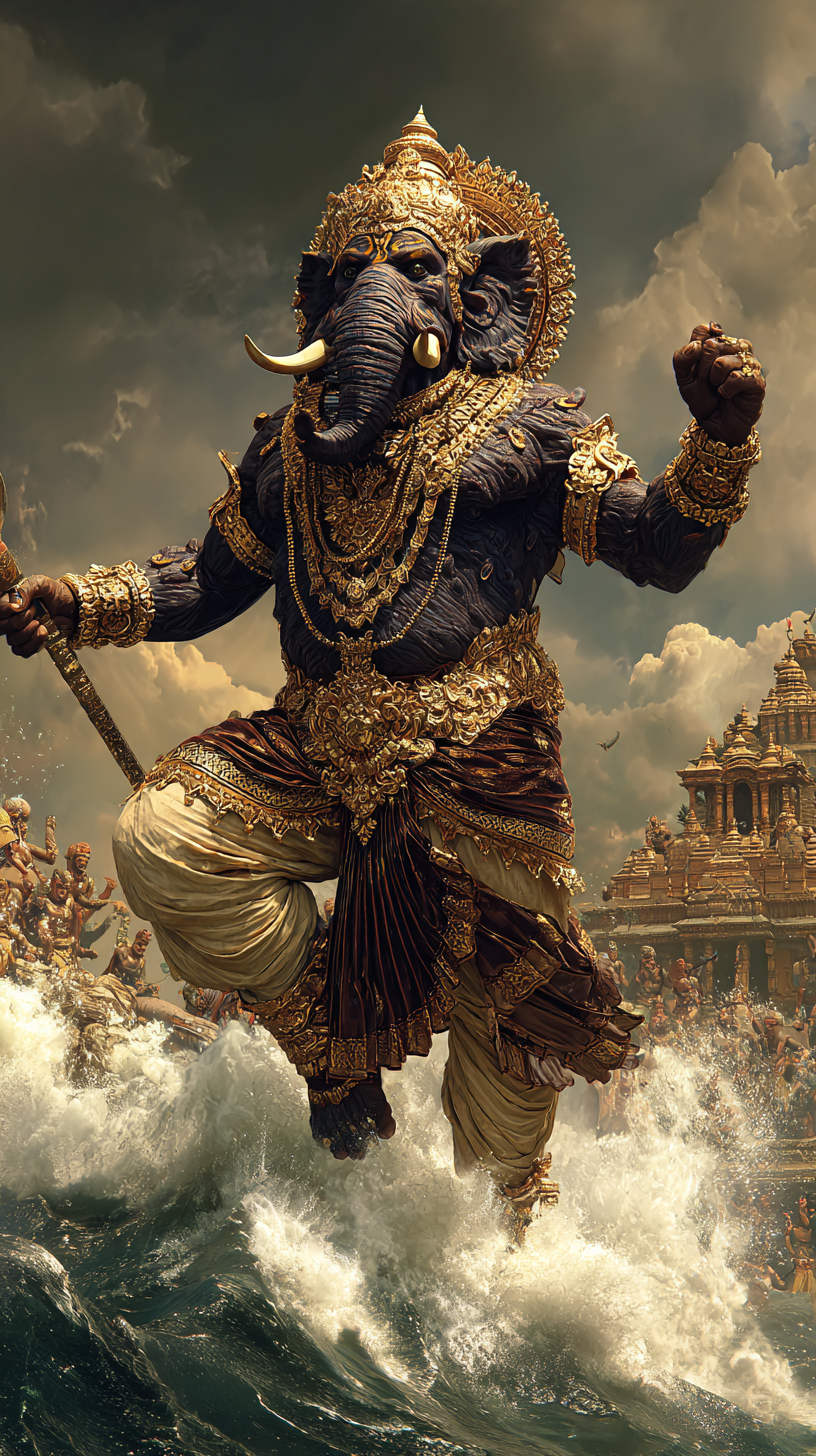
The area around Muktinath and the Kaligandaki River is famous for Saligrams, fossilized ammonites revered as natural representations of Lord Vishnu. Legend holds that these black stones are manifestations of Vishnu, and finding one is considered highly auspicious. Pilgrims often search for these sacred stones along the riverbanks, believing they carry divine blessings and aid in the path to liberation.
The Transcendent Landscape of Mustang

Ruru Kshetra: Seeking Moksha Through Sacred Waters
Triveni Dham: Confluence of Sanctity
The Kaligandaki's Mystical Power and Rituals

Baraha Kshetra: The Confluence of Cosmic Energy
The Legend of Varaha Avatar and Cosmic Restoration
The Manifestation of Varaha
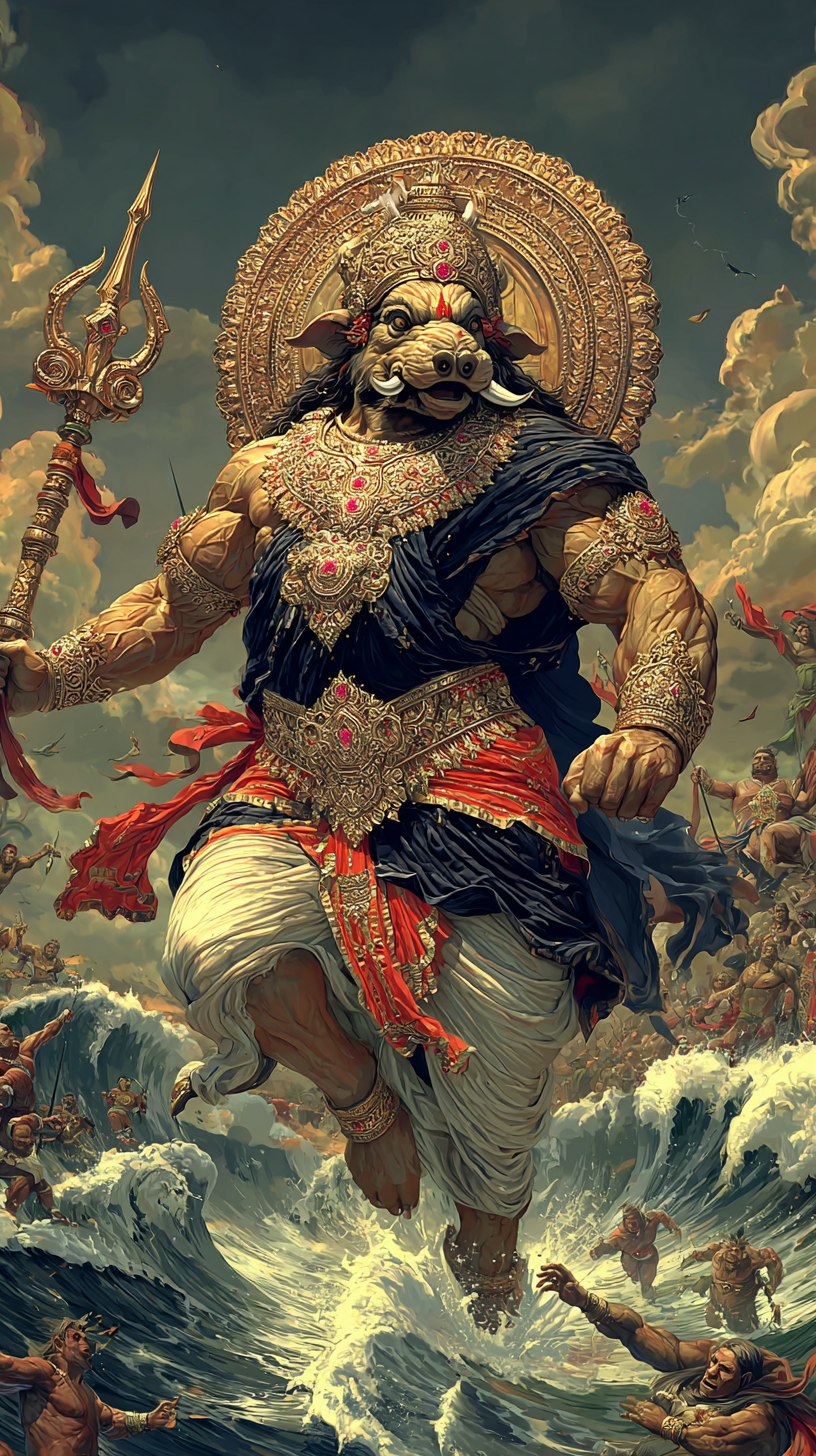
Ancient scriptures recount that during a time of great cosmic chaos, the demon Hiranyaksha dragged the Earth to the bottom of the primordial ocean. To save creation, Lord Vishnu assumed the gigantic form of a boar, the Varaha Avatar. He plunged into the waters, fought and defeated the demon, and then uplifted the Earth on his tusks. The Baraha Kshetra is believed to be one of the sacred spots where this divine event manifested, consecrating the land with Vishnu's protective energy.
Ecological and Spiritual Significance of the Confluence

🗺 How to Reach
Hover a card to animate the journey on the map
Route to Journey to the Char Dham: Exploring Nepal's Sacred Pilgrimage
Common Questions
Where is Journey to the Char Dham: Exploring Nepal's Sacred Pilgrimage located?
Journey to the Char Dham: Exploring Nepal's Sacred Pilgrimage is documented at Nepal (Various Districts).
Which deity is associated with Journey to the Char Dham: Exploring Nepal's Sacred Pilgrimage?
Journey to the Char Dham: Exploring Nepal's Sacred Pilgrimage is associated with Shiva.
Related Temples

A Living Covenant