



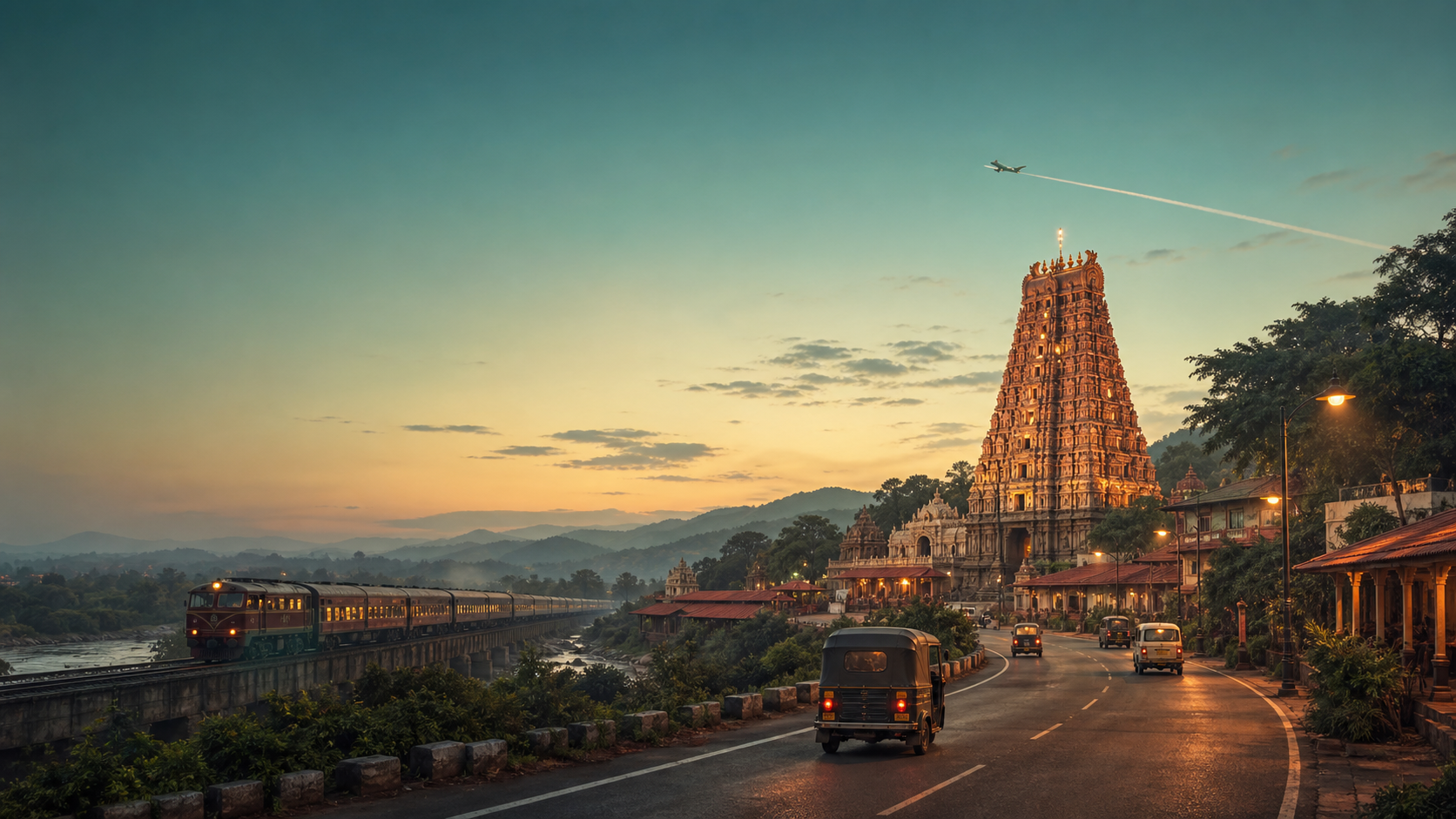
A complete pilgrim record drawn from the existing published article data.
Changu Narayan Temple: An Ancient Legacy
Perched on the Dolagiri hilltop in the Changunarayan Municipality of Bhaktapur District, the Changu Narayan Temple stands as a testament to Nepal's rich ancient history. This revered site, a UNESCO World Heritage property, is celebrated as one of the oldest Hindu temples in the Kathmandu Valley. Its architectural grandeur and spiritual significance draw devotees and historians alike, offering a profound glimpse into the region's cultural evolution. The temple complex is not only a Hindu pilgrimage site but also holds importance for Buddhist traditions, reflecting a long-standing confluence of faiths.
Dolagiri Hilltop Location
The temple's strategic position on Dolagiri offers panoramic views of the surrounding valley and serves as a natural beacon for spiritual seekers.
UNESCO World Heritage Status
Recognized for its outstanding universal value, Changu Narayan is protected for its historical and architectural integrity.
Dual Religious Significance
The site is revered by both Hindus and Buddhists, embodying a unique blend of spiritual practices and beliefs.
Lord Vishnu: The Preserver Deity
Changu Narayan Temple is primarily dedicated to Lord Vishnu, one of the principal deities in Hinduism, revered as the Preserver of the Universe. Vishnu's role involves maintaining cosmic order and righteousness, often manifesting in various avatars to restore balance when evil prevails. The temple's iconography and numerous carvings vividly depict his different forms and legendary exploits, making it a central pilgrimage site for Vaishnavites. Devotees visit to seek blessings for protection, prosperity, and spiritual well-being, reinforcing the temple's profound connection to the divine preserver.
Primary Deity Dedication
The temple is consecrated to Lord Vishnu, central to its spiritual identity and worship.
Vishnu's Role as Preserver
As a key deity, Vishnu maintains cosmic balance through his divine interventions and avatars.
Vaishnavite Pilgrimage Site
The temple serves as an important destination for followers of Vaishnavism, who worship Vishnu as the supreme being.
Journey to Dolagiri: Planning Your Trip
Located approximately 20 kilometers east of Kathmandu and 8 kilometers north of Bhaktapur, the Changu Narayan Temple offers an accessible yet serene escape. Visitors can reach the temple by car or local bus services from either city, with the journey offering scenic views of the Nepalese countryside. While there are no specific entry timings or fees mentioned, it is advisable to visit during daylight hours. Comfortable walking shoes are recommended due to the hilltop location and the need to explore the intricate temple complex.
Proximity to Major Cities
The temple is conveniently located near both Kathmandu and Bhaktapur, making it an ideal day trip destination.
Transportation Options
Access is available via private vehicles or public bus routes, providing flexibility for travelers.
Visitor Recommendations
Comfortable footwear is suggested for navigating the temple grounds, and daytime visits are generally preferred.
| Deity | Lord Vishnu |
|---|---|
| Form | One of the three principal deities in Hinduism, Lord Vishnu is revered as the preserver and protector of the universe. |
| Sampradaya | Hindu |
| Significance | The temple is dedicated to Lord Vishnu, signifying his role in maintaining cosmic order and dharma. |
The Legend of Changu Narayan
According to local legend, Lord Vishnu once beheaded a demon named Changu. To atone for the sin of killing a Brahmin (as Changu was disguised as one), Vishnu wandered the earth on his mount, Garuda. He eventually settled on the hill where the temple now stands, believing it to be a sacred spot. The temple is thus named after the demon Changu and Lord Narayan (Vishnu), commemorating Vishnu's presence and his role as the preserver, even after a moment of necessary destruction. This tale underscores the temple's ancient sanctity and its deep connection to Vishnu's divine narrative.
In the heart of Nepal, Vishnu's ancient abode stands, preserving cosmic order through the ages.
A timeless sanctuary where history and divinity converge, echoing tales of the preserver.
Tracing the Temple's Ancient Origins
The Changu Narayan Temple's history dates back to the 4th century AD, making it the most ancient Hindu temple in Nepal still in active worship. Its foundation is attributed to the Lichhavi dynasty, a period marked by significant artistic and architectural developments in the Kathmandu Valley. Inscriptions found within the temple complex, particularly the Changu Narayan inscription of King Manadeva I, provide invaluable historical data, detailing the temple's early construction and subsequent renovations. This enduring legacy positions Changu Narayan as a pivotal site for understanding Nepal's early religious and cultural landscape.
4th Century Foundation
Established in the 4th century AD, the temple predates many other significant religious structures in the region.
Lichhavi Dynasty Patronage
The temple's initial construction and early development were largely overseen by the powerful Lichhavi rulers.
Historical Inscriptions
Ancient stone inscriptions, including those from King Manadeva I, offer primary evidence of the temple's antiquity and historical events.
A Confluence of Faiths and Heritage
Changu Narayan Temple is a remarkable example of Nepal's syncretic religious traditions, seamlessly blending Hindu and Buddhist elements. While predominantly a Hindu temple dedicated to Vishnu, the site also features iconography and practices that resonate with Buddhist philosophies, particularly Vajrayana Buddhism. This dual heritage is evident in shared artistic motifs, architectural styles, and the reverence shown by adherents of both faiths. The temple stands as a living testament to centuries of peaceful coexistence and mutual influence, highlighting the inclusive spiritual landscape of the Kathmandu Valley.
Syncretic Religious Traditions
The temple uniquely merges Hindu and Buddhist elements, showcasing Nepal's inclusive spiritual history.
Shared Iconography and Art
Artistic representations and architectural details often display influences from both religious traditions.
Peaceful Coexistence
Changu Narayan exemplifies the long-standing harmony and mutual respect between Hindu and Buddhist communities in the region.
🗺 How to Reach
Hover a card to animate the journey on the map
Verified routes to Changu Narayan Temple
Common Questions
Where is Changu Narayan Temple: Nepal's Oldest Vishnu Shrine located?
Changu Narayan Temple: Nepal's Oldest Vishnu Shrine is documented at Changunarayan, Bagmati.
Which deity is associated with Changu Narayan Temple: Nepal's Oldest Vishnu Shrine?
Changu Narayan Temple: Nepal's Oldest Vishnu Shrine is associated with Vishnu.
