
A complete pilgrim record drawn from the existing published article data.
The Genesis of Enlightenment: Bodh Gaya
The Moment of Bodhi: The Sacred Bodhi Tree
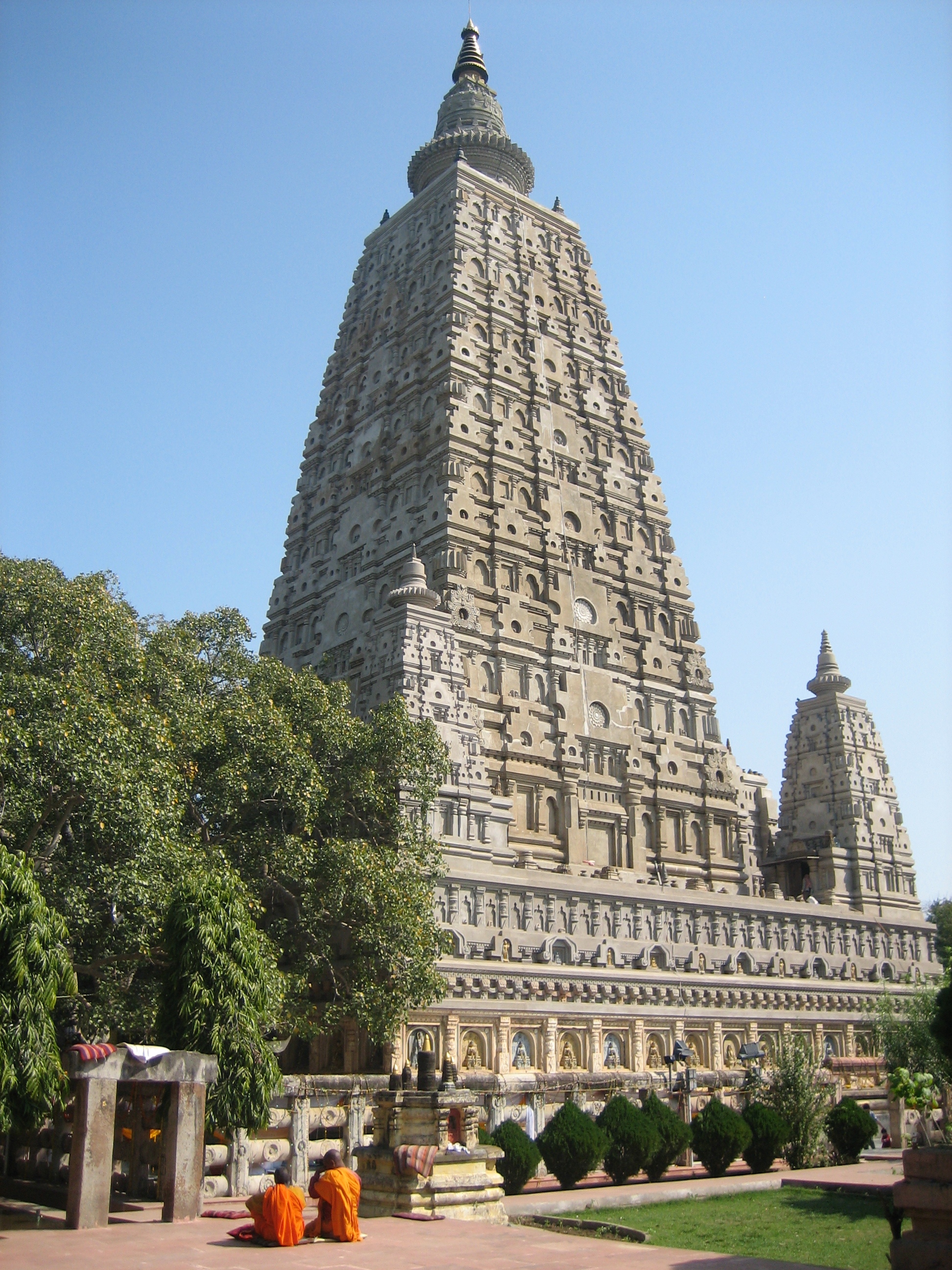
The Mahabodhi Mahavihara: A UNESCO World Heritage Site
Historical Patrons and Enduring Legacy
Timeline of the Buddha's Life (approximate dates)
Gautama Buddha
Gautama Buddha, born Siddhartha Gautama, is the central figure of Buddhism. He lived in ancient India between the 6th and 4th centuries BCE. After renouncing his princely life, he embarked on a spiritual quest that led him to attain Enlightenment (Bodhi) under the Bodhi Tree in Bodh Gaya. He subsequently spent 45 years teaching the Dharma, establishing a monastic community (Sangha), and outlining the path to liberation from suffering, which forms the bedrock of Buddhist philosophy.
The Enlightenment of Siddhartha
Siddhartha Gautama, after years of ascetic practice, realized that extreme self-mortification did not lead to liberation. He settled under a pipal tree in Bodh Gaya, vowing not to rise until he achieved perfect insight. Overcoming the temptations of Mara, the demon of delusion, he entered deep meditation. Through intense contemplation, he understood the nature of suffering (Dukkha), its origin, its cessation, and the path leading to its cessation – the Eightfold Path. With this profound realization, Siddhartha became the Buddha, the "Awakened One," forever changing the course of human spirituality.
Weaving the Spiritual Heritage: Culture and Philosophy
The Chronological and Philosophical Nexus
Embodiment of Buddhist Core Teachings
A Living Tradition: Global Connections
A pilgrimage is not merely a journey to a destination; it is a profound journey inward, guided by the echoes of ancient wisdom and the living spirit of the Dharma.
Practical Guide for the Pilgrim


Related temples: Ajanta Caves | Articles on Early and Later Western Indian Caves [Part 1
Planning Your Sacred Journey
- Best Time to Visit: The cooler, drier months between October and March offer the most comfortable conditions for travel and reflection, avoiding the intense heat of summer and the monsoon rains.
- Accommodation: Seek out ashrams, guesthouses, or heritage stays near these locations that emphasize tranquility and cultural respect. Many international Buddhist organizations also offer lodging options.
- Pacing: Allocate at least three to five full days for this circuit to allow for deep immersion rather than rushed sightseeing. Consider spending one to two days at each primary site.
- Dress Code: Always dress modestly, covering shoulders and knees, to show respect for the spiritual sanctity of the sites. Light, comfortable clothing made of natural fibers is recommended.
Essential Travel Logistics and Etiquette
The First Sermon: Sarnath
Dharma-chakra Pravartana: The Turning of the Wheel
The words spoken at Sarnath are the living blueprint for the path to peace, resonating with timeless wisdom for all who seek liberation.
The First Discourse in the Deer Park
After his enlightenment, the Buddha traveled from Bodh Gaya to Sarnath, seeking out his five former companions who had previously abandoned him due to his rejection of extreme asceticism. Though initially hesitant, the ascetics recognized the profound transformation within him. In the tranquil Deer Park, the Buddha delivered his inaugural sermon, articulating the core tenets of Buddhism: the reality of suffering, its cause, its cessation, and the path to its cessation. This seminal event not only established the Dharma but also marked the formation of the first Sangha, the community of monks.
Archaeological Wonders: Dhamek Stupa and Mulagandhakuti Vihara
The Birth of the Sangha and Early Monasticism
The Mahaparinirvana: Kushinagar
The Buddha's Mahaparinirvana: Final Liberation
Kushinagar reminds pilgrims that even the Awakened One passed, teaching us the impermanence of all things and the ultimate goal of liberation.
The Mahaparinirvana of the Buddha
As the Buddha neared the end of his life, he traveled to Kushinagar, accompanied by his faithful disciple Ananda and other monks. He lay down between two sal trees, delivering his final teachings, emphasizing diligence and the impermanence of all conditioned phenomena. With profound calm, he entered a state of deep meditation, consciously passing into Mahaparinirvana. His final words, "All conditioned things are subject to decay. Strive with diligence," encapsulate the essence of his Dharma.
Key Monuments: Mahaparinirvana Temple and Ramabhar Stupa
Centuries of Reverence and Revival
🗺 How to Reach
Hover a card to animate the journey on the map
Route to Bodh Gaya, Sarnath, Kushinagar: The Sacred Buddhist...
Related Temples

A Living Covenant