
A complete pilgrim record drawn from the existing published article data.

Historical Foundation
Origins and Evolution
Preservation and Significance
"The Brahmani Temple is a living chronicle, where the artistic expressions of the Buddhist and Shaivite traditions are preserved alongside the powerful iconography of Hinduism, offering invaluable insights into ancient Odisha's religious landscape."
Architectural Marvel: Structure and Craftsmanship
Design and Layout
Materials and Construction Techniques
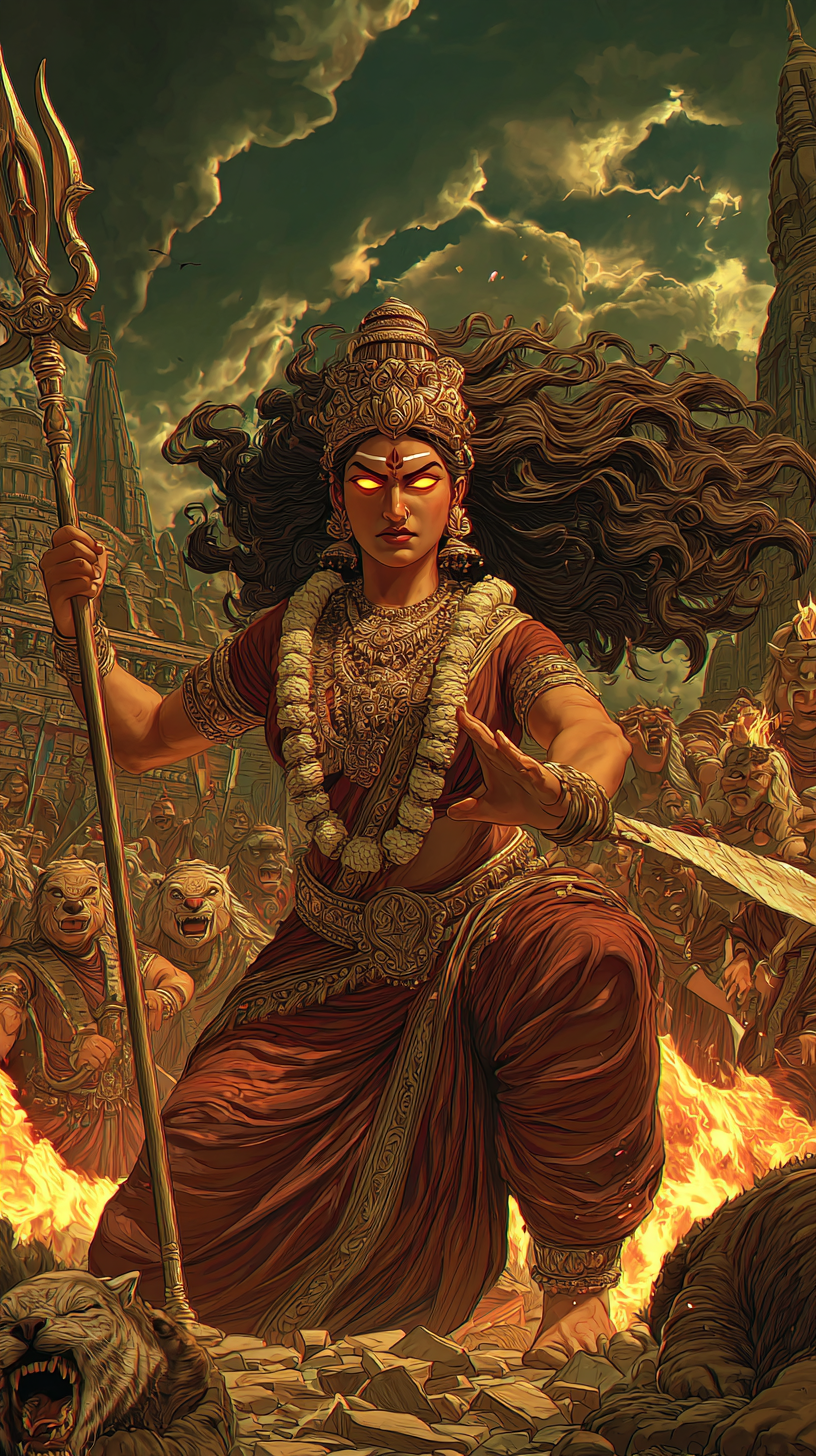
Presiding Deity: Chamunda
The Fierce Benevolent Mother
Deity Profile: Chamunda
Name: Chamunda (चामुण्डा)
Aspect: One of the Saptamatrikas (Seven Divine Mothers) and a ferocious form of Shakti/Devi.
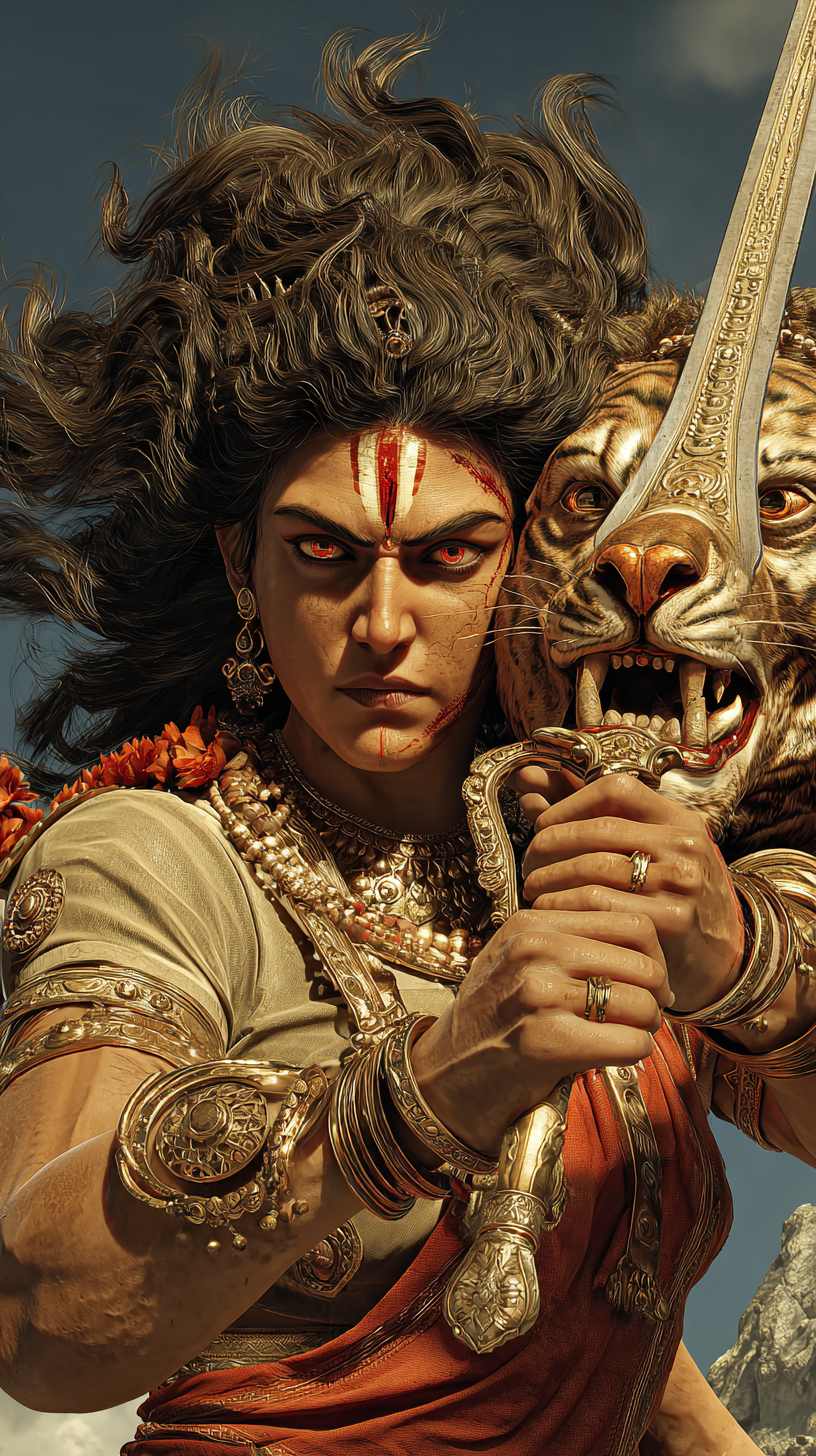
Iconography: Typically depicted with an emaciated body, sunken eyes, often with eight or more arms, holding weapons like a trident, sword, damaru (drum), and a skull cup. She may be shown seated on a corpse or riding an owl or jackal. Her appearance signifies her power over death and dissolution.
Significance: Revered as a destroyer of evil demons (Chanda and Munda, from whom she derives her name) and a protector of dharma. She is associated with cremation grounds and tantric practices, embodying both destructive and creative cosmic energies.
Syncretic Worship in Her Presence
Festivals and Community Life
Annual Cycles of Devotion
Sustaining Heritage through Celebration
"In the rhythmic chants and vibrant processions of the Brahmani Temple's festivals, one truly feels the pulsating heart of Odisha's enduring spiritual culture, a living bridge to an ancient past."
A Visitor's Guide to the Brahmani Temple
For travelers seeking an authentic and deeply enriching experience in Odisha, understanding the practicalities of visiting the Brahmani Temple is just as important as appreciating its history. Planning your visit allows for a more meaningful engagement with this ancient and spiritually charged site.
We invite you to explore the rich heritage of Odisha further. Discover more about the spiritual geography of the region by reading our guide on Ancient Temples of Odisha or explore the architectural marvels of Kalinga Architecture: A Distinct Style.


Planning Your Expedition
The cooler months, typically from October to March, offer the most comfortable experience for exploring the temple grounds, avoiding the intense heat and humidity of summer. Morning visits are particularly rewarding, offering a tranquil atmosphere and beautiful light for photography.
Embracing the Spiritual Journey
Art and Iconography
Beyond its structural integrity, the Brahmani Temple serves as a repository of significant sculptural art, reflecting the aesthetic sensibilities and religious diversity of early medieval Odisha. These stone carvings are not mere decorations but visual narratives that articulate complex theological ideas and historical influences.
Sculptural Narratives in Stone
Buddhist-Shaiva Syntheses
The Uniting Spirit of Avana
Legend tells of the ancient artisans of Avana, whose hands were guided by a profound respect for all spiritual paths. Faced with the task of creating a new shrine, they sought to build a temple that would reflect the inclusive spirit of their community. They envisioned a space where the powerful Mother Goddess, Chamunda, could be honored alongside the serene teachings of the Buddha. Through their dedication, stone by stone, they carved a sanctuary that not only invoked divine power but also embodied the wisdom of coexistence, ensuring that diverse traditions could flourish under one sacred roof.
🗺 How to Reach
Hover a card to animate the journey on the map
Route to Brahmani Temple: Ancient Chamunda Deity in Odisha
Common Questions
Where is Brahmani Temple: Ancient Chamunda Deity in Odisha located?
Brahmani Temple: Ancient Chamunda Deity in Odisha is documented at New Delhi, Delhi.
Which deity is associated with Brahmani Temple: Ancient Chamunda Deity in Odisha?
Brahmani Temple: Ancient Chamunda Deity in Odisha is associated with Durga.
Related Temples

A Living Covenant