
A complete pilgrim record drawn from the existing published article data.
The Distinctive Architecture of BAPS Mandirs
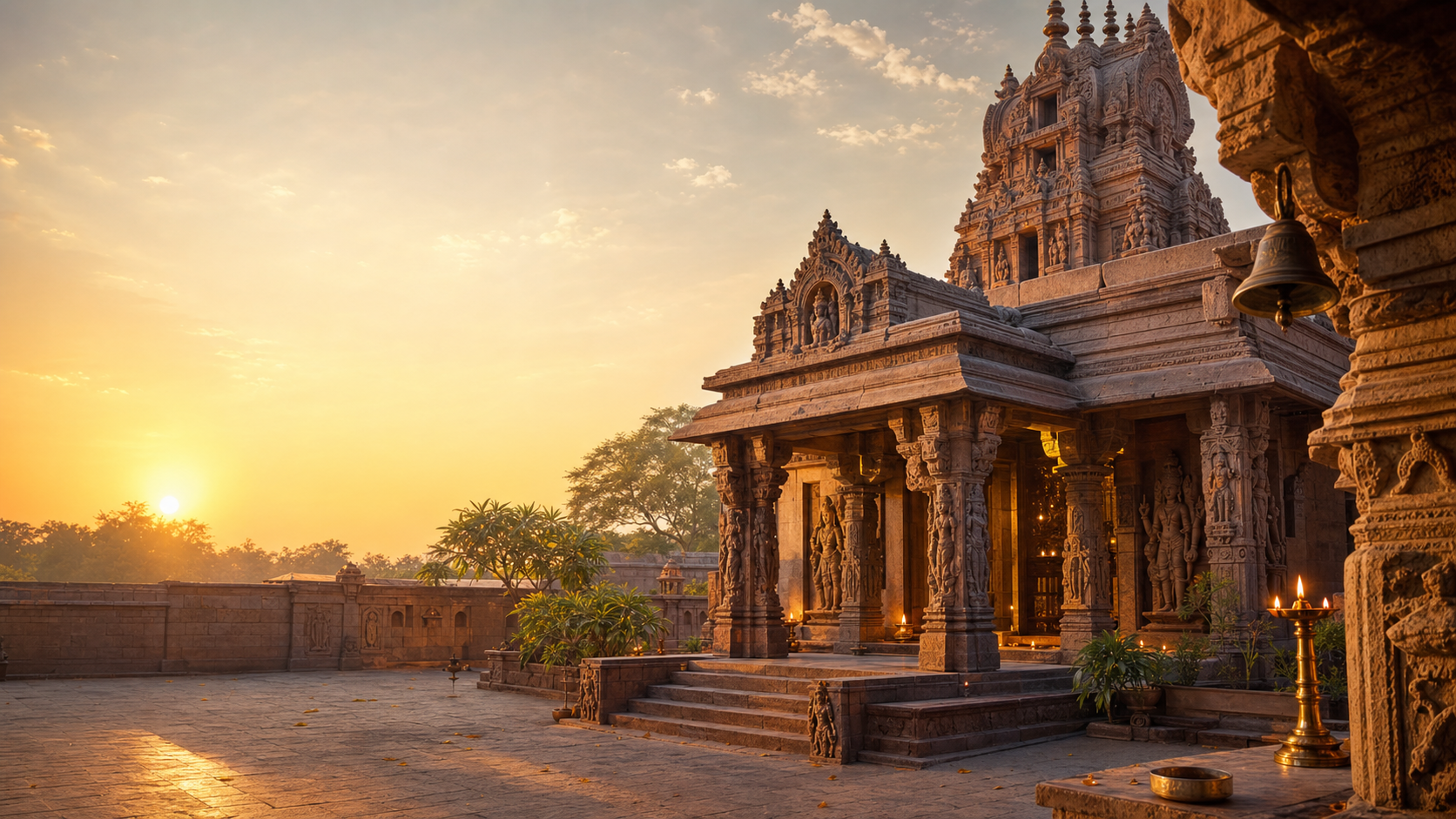
BAPS mandirs are renowned worldwide for their breathtaking and distinctive architecture, serving not merely as places of worship but as magnificent cultural and spiritual landmarks. Each structure is a testament to timeless Hindu temple design principles, meticulously blending ancient traditions with contemporary grandeur. This section delves into the overarching architectural philosophy that defines these sacred spaces, from their foundational styles to the intricate details that make them instantly recognizable and deeply revered by millions.
Shikharbaddha Style
Central to the grandeur of BAPS mandirs is their adherence to the Shikharbaddha style, a classical form of Hindu temple architecture characterized by its towering spires (shikhars) and elaborate sculptural ornamentation. This ancient design tradition, meticulously revived and perfected by BAPS, signifies a temple built according to scriptural injunctions, often without the use of steel. This subsection will explore the defining features of the Shikharbaddha style, highlighting its structural integrity, symbolic significance, and the traditional craftsmanship required to bring these monumental stone edifices to life.
Meticulous Craftsmanship and Materials
The creation of BAPS mandirs is a monumental undertaking, distinguished by an unwavering commitment to meticulous craftsmanship and the use of high-quality, traditional materials. Skilled artisans, often employing techniques passed down through generations, painstakingly carve intricate details into stone, transforming raw materials into sacred art. This section explores the dedication to precision and artistry evident in every pillar, dome, and deity, detailing the selection of durable stones like marble and sandstone, and the traditional methods that ensure both beauty and longevity, making each temple a timeless masterpiece.
Symbolic Designs
Beyond their aesthetic splendor, the designs adorning BAPS mandirs are rich with profound spiritual symbolism, each motif and sculpture conveying layers of Hindu philosophy and devotional narratives. From intricate carvings of deities and mythological scenes to auspicious symbols, every element is deliberately placed to inspire contemplation and reinforce core tenets of the Swaminarayan faith. This section will uncover the hidden meanings embedded within the temple's art, revealing how these symbolic designs guide devotees towards spiritual understanding, moral values, and a deeper connection with the divine.
The Spiritual Core: Bhagwan Swaminarayan and Akshar-Purushottam Darshan
At the very heart of the Bochasanwasi Akshar Purushottam Swaminarayan Sanstha lies its unique and profound theological framework: the Akshar-Purushottam Darshan. This spiritual core defines the BAPS understanding of God, the soul, and the path to liberation, stemming directly from the teachings of Bhagwan Swaminarayan. This section delves into the foundational principles of this philosophy, elucidating the distinct roles of the Supreme Being (Purushottam) and His divine abode and ideal devotee (Aksharbrahman), which together form the bedrock of BAPS theology and devotional practice.
Bhagwan Swaminarayan: The Supreme Purushottam
Bhagwan Swaminarayan is revered by followers of BAPS as the Supreme Purushottam, the ultimate reality, and the manifest form of God on Earth. Born as Ghanshyam Pande in 1781, his life and teachings revolutionized spiritual thought and practice in 19th-century Gujarat, establishing a vibrant tradition of devotion, morality, and service. This section explores the divine attributes and historical significance of Bhagwan Swaminarayan, detailing his role as the promulgator of the Akshar-Purushottam Darshan and the source of all spiritual wisdom and liberation for his devotees.
Aksharbrahman: The Ideal Devotee and Abode
In the Akshar-Purushottam Darshan, Aksharbrahman holds a pivotal and unique position, understood as both the divine abode of Bhagwan Swaminarayan and the perfect, eternal devotee through whom all souls can connect with God. This concept is personified by Gunatitanand Swami and the lineage of BAPS gurus, who serve as the manifest form of Aksharbrahman, guiding devotees on the spiritual path. This section elucidates the multifaceted role of Aksharbrahman, exploring its significance as the divine medium, the ideal spiritual guide, and the ultimate destination for liberated souls.
Experiencing Devotion: A Guide to Visiting BAPS Temples
Visiting a BAPS Swaminarayan Mandir provides a spiritually enriching experience. This guide outlines key etiquette, offerings, and devotional activities for a respectful and insightful visit.
Etiquette and Dress Code
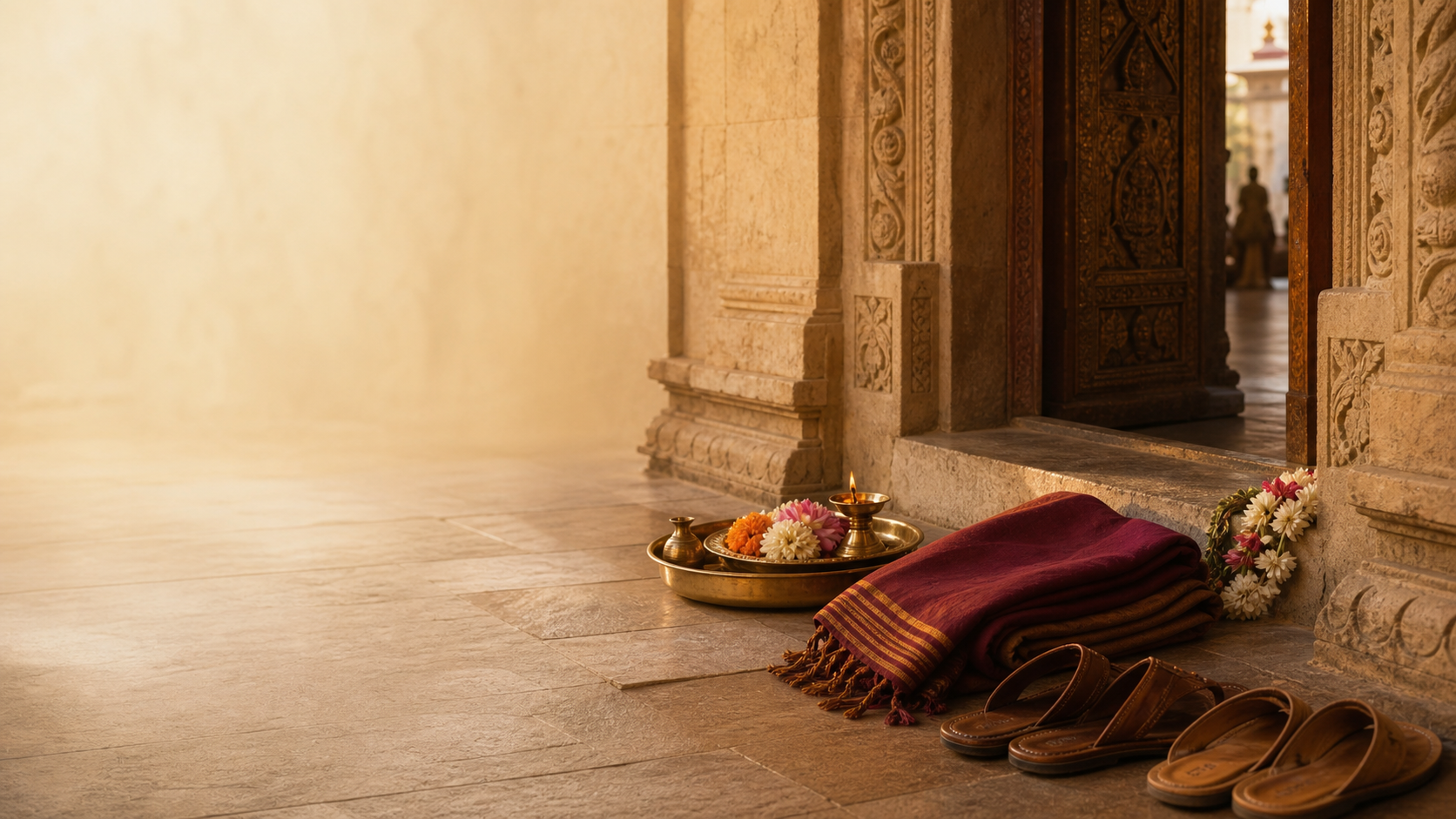
Visitors should dress modestly, covering shoulders and knees. Shoes must be removed before entering the shrine area. Maintain silence and respect during prayers and rituals.
Offerings and Rituals
Devotees may offer fruits, flowers, or monetary donations. _Arti_, a ceremonial worship with lamps, is performed at specific times, offering communal prayer.
Engaging with the Mandir
Beyond _darshan_ (sacred viewing), visitors can explore cultural exhibitions, attend spiritual discourses, and participate in community service (_seva_).
| Deity | Swaminarayan |
|---|---|
| Form | Supreme Being |
| Sampradaya | Swaminarayan Sampradaya (BAPS) |
| Significance | Founder and central deity of the Swaminarayan Sampradaya, revered as the Supreme Being. |
The Ascetic's Quest for Truth
Young Nilkanth Varni, a prodigious ascetic, embarked on a seven-year pilgrimage across India, enduring harsh conditions and profound spiritual experiences. His quest was to find a guru who could impart the true understanding of God and the path to ultimate liberation. He sought a master who exemplified selfless devotion and could guide souls to the highest spiritual state. After traversing mountains, forests, and deserts, and engaging with countless yogis and philosophers, Nilkanth finally arrived in Gujarat. There, he heard of Ramanand Swami, a revered spiritual leader whose teachings resonated deeply within him. This arduous journey culminated in his initiation and the eventual establishment of the Swaminarayan Sampradaya, fulfilling his divine mission to spread dharma and devotion.
From its first Shikharbaddha mandir to the world's largest Hindu temple, BAPS embodies a monumental spiritual and architectural legacy.
From humble beginnings to the world's largest Hindu temple, BAPS Swaminarayan Sanstha builds monuments of devotion.
Related temples: Baba Balak Nath | Bahrot Caves
The Global Reach of BAPS Swaminarayan Sanstha
The Bochasanwasi Akshar Purushottam Swaminarayan Sanstha (BAPS) has evolved into a significant global Hindu socio-spiritual organization. Rooted in the profound teachings of Bhagwan Swaminarayan, BAPS actively propagates spiritual values, moral conduct, and community harmony, extending its profound influence and cultural footprint across continents.
Spiritual Guidance and Devotion
The Bochasanwasi Akshar Purushottam Swaminarayan Sanstha (BAPS) serves as a profound wellspring of spiritual guidance, nurturing deep devotion among its followers. Through the teachings of Bhagwan Swaminarayan and the living spiritual masters, known as the Aksharbrahman guru parampara, devotees are inspired to lead morally upright lives rooted in faith and service. This section explores the foundational principles and practices that cultivate a vibrant spiritual journey, emphasizing the role of satsang, seva, and personal transformation in achieving ultimate liberation.
Cultural Preservation and Promotion
The Sanstha plays a crucial role in preserving and promoting Hindu culture, traditional arts, and ancient scriptures globally. Through grand festivals, language classes, and cultural programs, BAPS ensures that the rich heritage of India is celebrated and passed down to future generations, particularly within the diaspora.
From Bochasan to a Worldwide Movement: The BAPS Journey
The Bochasanwasi Akshar Purushottam Swaminarayan Sanstha (BAPS) was formally established in 1907, evolving into a global spiritual organization.
Founding and First Mandir
Shastriji Maharaj formally established BAPS in 1907 to propagate the Akshar-Purushottam philosophy. He consecrated the first shikharbaddha mandir in Bochasan, Gujarat, defining the organization's distinct identity.
Expansion Under Successive Leaders
Following Shastriji Maharaj, Yogiji Maharaj, Pramukh Swami Maharaj, and Mahant Swami Maharaj guided BAPS. Their leadership saw global expansion, establishing temples and initiatives across continents, transforming it into a worldwide movement.
Cultural Impact
Beyond its primary role as a spiritual organization, the Bochasanwasi Akshar Purushottam Swaminarayan Sanstha exerts a profound and far-reaching cultural impact, enriching communities worldwide. Through its mandirs, educational initiatives, humanitarian efforts, and promotion of traditional arts, BAPS actively preserves and propagates Hindu values, heritage, and a strong sense of community. This section explores the diverse ways in which BAPS contributes to society, fostering moral development, promoting interfaith harmony, and inspiring millions to lead purposeful lives dedicated to service and cultural preservation.
🗺 How to Reach
Hover a card to animate the journey on the map
Route to Temple
Common Questions
Where is BAPS Swaminarayan Mandir: Unifying Devotion Globally located?
BAPS Swaminarayan Mandir: Unifying Devotion Globally is documented at Ahmedabad, Gujarat.
Which deity is associated with BAPS Swaminarayan Mandir: Unifying Devotion Globally?
BAPS Swaminarayan Mandir: Unifying Devotion Globally is associated with Swaminarayan.
Related Temples

A Living Covenant