A complete pilgrim record drawn from the existing published article data.
Historical Foundation: Unearthing Millennia of Presence
Prehistoric Traces: Paleolithic Presence
Evidence points to a continuous human presence in the region dating back approximately 1.5 million years ago. Researchers discovered primitive tools, primarily fashioned from quartzite formations, confirming habitation during the Paleolithic period. These findings establish the land's foundation in profound geological time, long before the emergence of organized civilization and grand temple complexes.
Early Dynastic Significance: Royal Edicts and Structures
The Gurjara-Pratihara Flourish: Architectural Zenith
Architectural Marvels: The Gurjara-Pratihara Legacy
Sculptural Grandeur and Narrative Iconography
The 'Khajuraho of North India' Phenomenon
The erotic sculptures at Bhima Devi are not just art; they are a window into a philosophical understanding where the sacred and the sensual were not separate, but two facets of the same divine reality.
Engineering and Craftsmanship of the Pratihara Era
Presiding Deity: Bhima Devi and the Shakti Tradition
The Manifestation of Bhima Devi
Bhima Devi is revered as one of the many forms of the supreme Goddess, Shakti, embodying strength and protection. Her veneration at this site highlights a widespread devotion to the divine feminine that characterized much of ancient and medieval India. This particular manifestation emphasizes a protective aspect, ensuring the well-being of devotees and the righteous.
Bhima Devi
Bhima Devi is a powerful manifestation of the Hindu supreme Goddess, Shakti, revered especially within the Tantric tradition. Her name, derived from 'Bhima' meaning "tremendous" or "formidable," highlights her protective and awe-inspiring aspect. She is typically associated with safeguarding devotees and righteous beings, particularly against malevolent forces. Her presence at this temple site underscores the profound historical veneration of the divine feminine in North India.
Symbolism of Divine Feminine Power
Sacred Stories: Legends of Protection and Power
The Legend of Bhimarupa in Devi Mahatmya
Bhimarupa: Protector of Sages
According to the sacred texts of the Devi Mahatmya, when the righteous sages of the Western Himalayas faced imminent danger from powerful demons and other destructive entities, they invoked the Great Goddess. In response to their devout prayers, Devi manifested as Bhimarupa – a colossal and awe-inspiring form, radiating immense power. She swiftly vanquished the threats, creating a secure haven for the sages to continue their penances and spiritual pursuits. This legend firmly establishes Bhima Devi as a formidable protector and a source of ultimate sanctuary for those devoted to the path of dharma.
Local Lore and Enduring Devotion
Historical Upheaval: Eras of Destruction and Renewal
The Impact of Sultanate Incursions

Archaeological Efforts and Modern Rediscovery
Adjacent Legacy: The Mughal Gardens of Pinjore
For more explorations into India's spiritual and historical treasures, we invite you to explore our articles on the Khajuraho Group of Monuments or the majestic Ranakpur Jain Temple, both offering different facets of India's architectural and spiritual prowess.
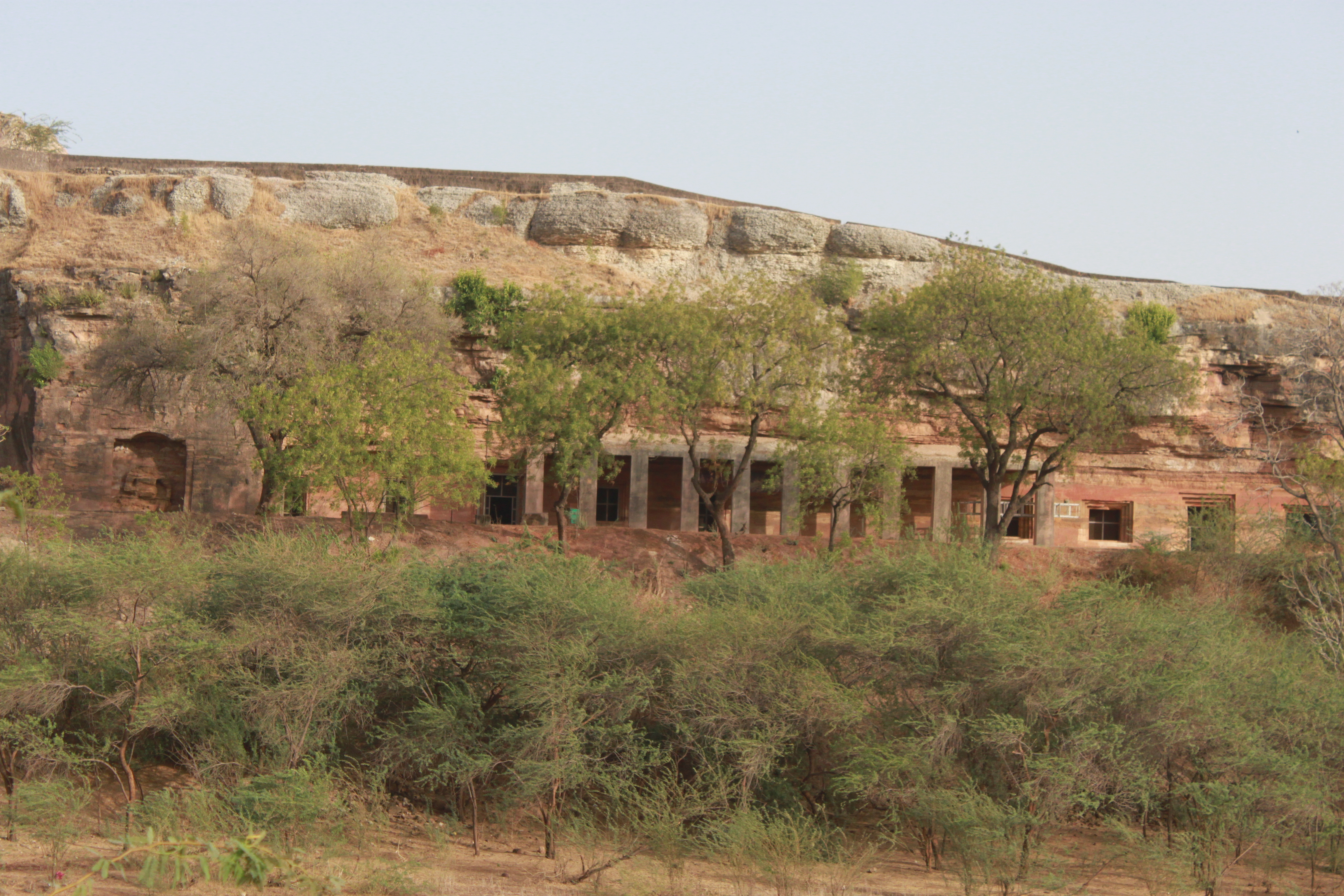
 Bhima Devi Temple Site Museum figure 5" loading="lazy" style="width:100%;border-radius:8px;" />


From Sacred Space to Mughal Retreat
The Pinjore Gardens stand as a testament to cultural resilience, demonstrating how even in destruction, new forms of beauty and purpose can emerge from the ashes of the old.
Aesthetic Contrast and Cultural Layering

🗺 How to Reach
Hover a card to animate the journey on the map
Route to Bhima Devi Temple: Unearthing Khajuraho's Lost Art and History
Common Questions
Where is Bhima Devi Temple: Unearthing Khajuraho's Lost Art and History located?
Bhima Devi Temple: Unearthing Khajuraho's Lost Art and History is documented at Khajuraho, Madhya Pradesh.
Which deity is associated with Bhima Devi Temple: Unearthing Khajuraho's Lost Art and History?
Bhima Devi Temple: Unearthing Khajuraho's Lost Art and History is associated with Durga.
Related Temples

A Living Covenant