
A complete pilgrim record drawn from the existing published article data.
Rishikesh, often called the "Yoga Capital of the World," is a revered pilgrimage town nestled in the Indian state of Uttarakhand. Situated on the sacred banks of the Ganges river, it serves as a spiritual haven for seekers and is home to numerous ancient temples and ashrams.


History & Foundation
The temples of Rishikesh are steeped in a rich history that intertwines with ancient Hindu mythology and spiritual traditions. For millennia, this sacred town, nestled in the Himalayan foothills, has served as a revered pilgrimage site, attracting sages, devotees, and seekers. The foundations of many of its iconic temples trace back to legendary eras, often linked to epic narratives and significant spiritual figures. Exploring their origins provides insight into Rishikesh's enduring role as a spiritual gateway and a beacon of faith.
Ancient Origins & Legends
Rishikesh holds deep roots in Hindu mythology, being part of the legendary "Kedarkhand" mentioned in the Skanda Purana. Legends recount that Lord Rama performed penance here after vanquishing the asura king Ravana. His younger brother, Lakshmana, famously crossed the Ganges using jute ropes, a site now commemorated by the iconic Lakshman Jhula.

Evolution of Bridges & Temples
The original Lakshman Jhula, a 248-foot iron-rope suspension bridge built in 1889, was tragically swept away by floods in 1924. It was replaced in 1927 by a stronger structure. Although this bridge also collapsed in 2020, a modern glass bridge is planned. Nearby, the Ram Jhula suspension bridge was constructed in 1986. Ancient temples like Shatrughna Mandir, Bharat Mandir, and Lakshman Mandir were established by Adi Shankaracharya, marking Rishikesh as a significant spiritual hub for centuries.

Architecture & Deity
The temples of Rishikesh are renowned for their diverse and exquisite architectural styles, ranging from ancient stone structures to more contemporary designs, each reflecting centuries of spiritual devotion and artistic prowess. These sacred edifices often feature intricate carvings, vibrant frescoes, and distinct regional influences that tell stories of mythological significance. Primarily dedicated to various Hindu deities, with a prominent focus on Lord Shiva and Vishnu in their numerous manifestations, understanding the unique architectural elements and the specific deities enshrined offers a profound glimpse into the spiritual essence of this revered pilgrimage town.
Architectural Landscape
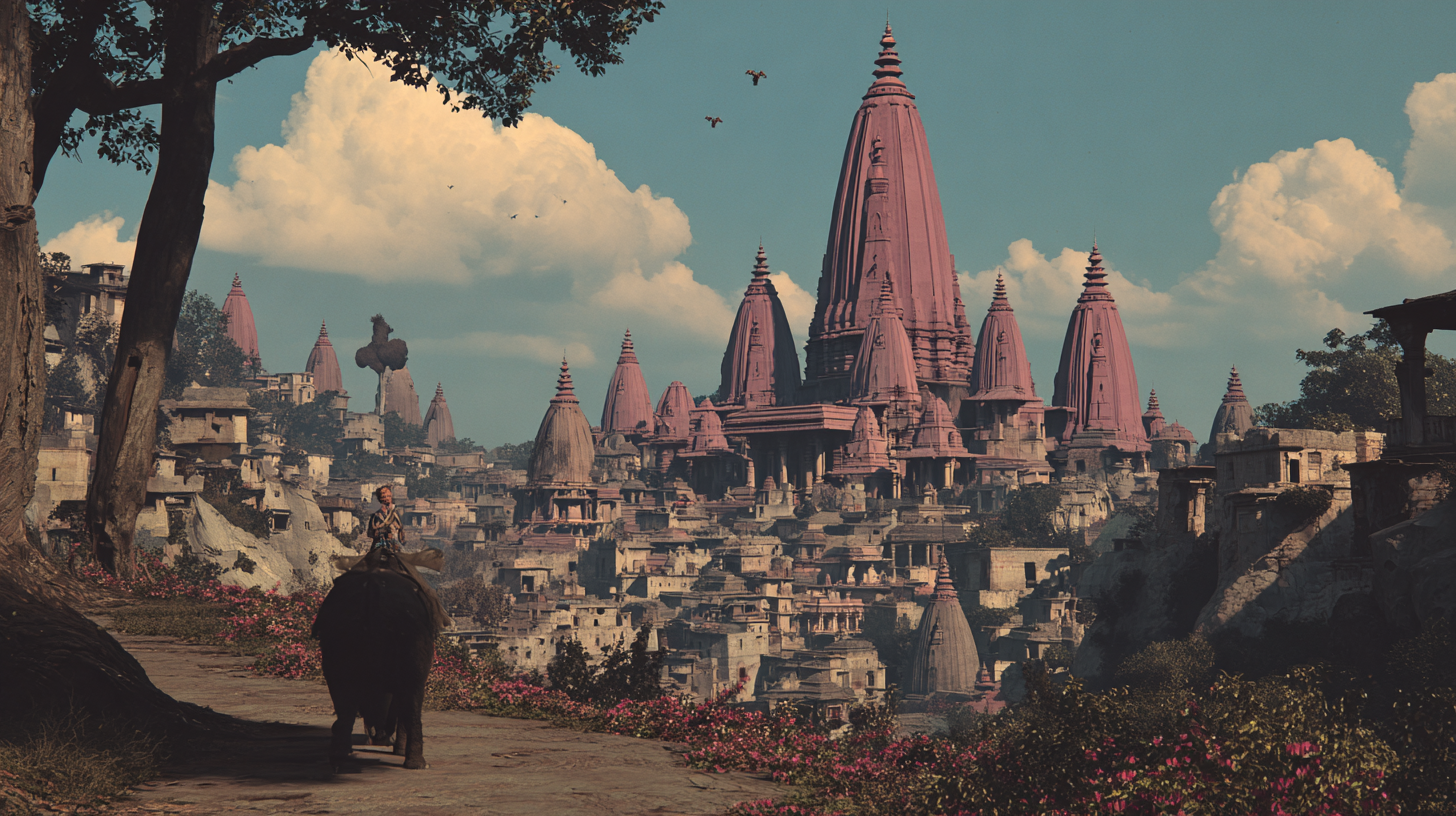
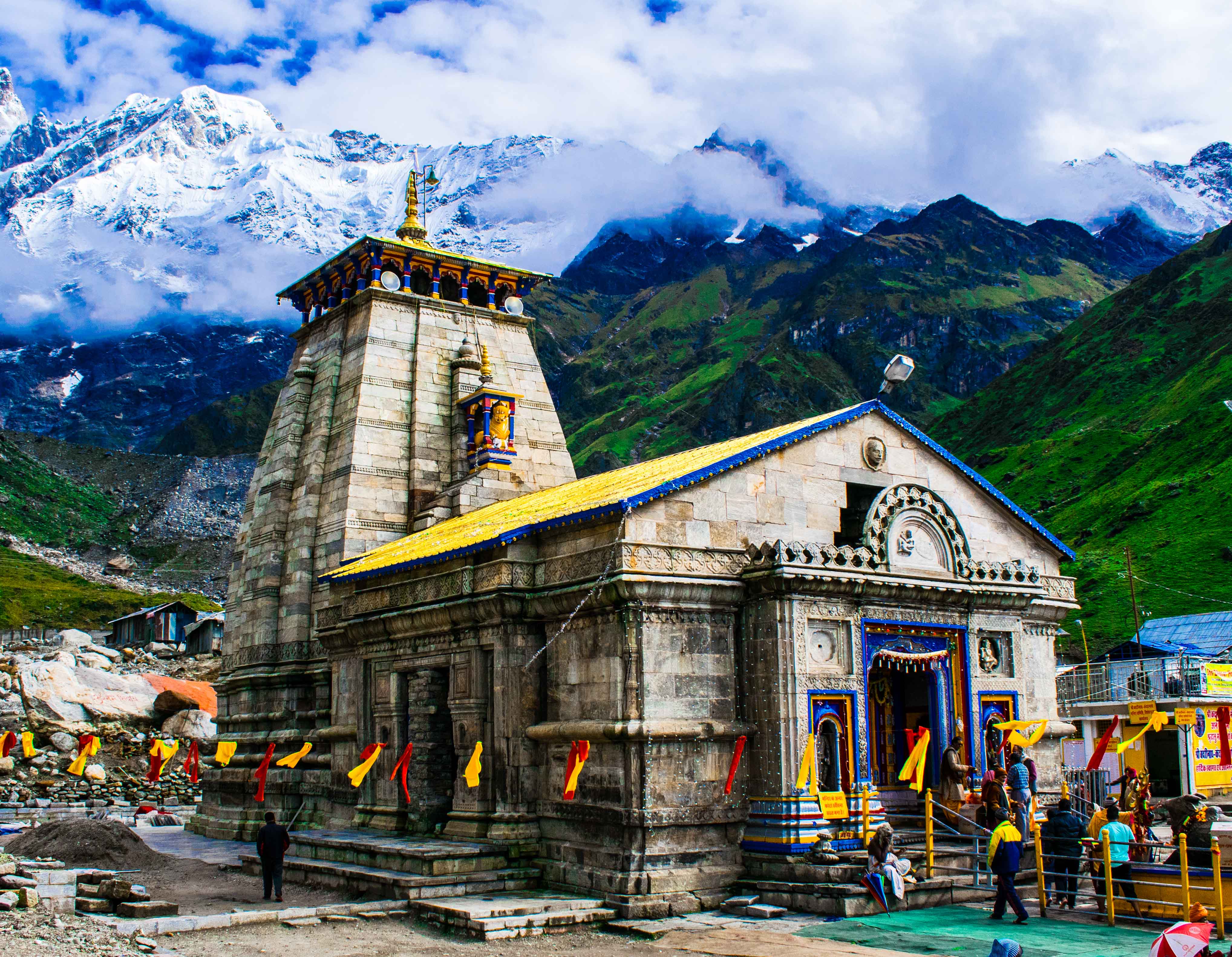
The temples of Rishikesh are predominantly built along the banks of the sacred Ganges, offering breathtaking views and a serene atmosphere. While specific architectural styles vary, many structures reflect traditional North Indian temple designs, often featuring intricate carvings and vibrant colors. The natural setting, with the Himalayas as a backdrop, significantly influences the aesthetic.

Spiritual Focus & Deities
Though no single presiding deity defines Rishikesh, the town is a confluence of various Hindu traditions. Temples like Shatrughna Mandir and Lakshman Mandir are dedicated to figures from the Ramayana, emphasizing devotion to Lord Rama and his kin. The overarching spiritual significance lies in the pursuit of higher knowledge and meditation, drawing countless sages and devotees.
"Rishikesh is where ancient sages sought higher knowledge, a tradition that continues to inspire."
Festivals & Traditions
Rishikesh, a revered spiritual center, comes alive with a vibrant array of festivals and deeply ingrained traditions that are intrinsically linked to its sacred temples and the holy Ganges River. These celebrations are not merely events but a living testament to the region's rich cultural and religious heritage, drawing devotees and visitors from across the globe. Exploring these unique customs and annual festivities offers a profound insight into the spiritual heart of Rishikesh.
The International Yoga Festival
Rishikesh proudly hosts the International Yoga Festival annually during the first week of March. This prestigious event, held since 1999, attracts yoga practitioners and spiritual enthusiasts from across the globe, solidifying Rishikesh's reputation as the "Yoga Capital of the World." It's a vibrant celebration of ancient Indian practices.

Pilgrimage Gateway
Beyond yoga, Rishikesh serves as a crucial starting point for the revered Char Dham pilgrimage, leading devotees to Badrinath, Kedarnath, Gangotri, and Yamunotri. It is also a gateway to numerous Himalayan tourist destinations like Harsil and Auli, and trekking routes such as Dodital and Kedarkantha, emphasizing its role as a spiritual and adventure hub.

Visiting the Temple
Planning a visit to the revered temples of Rishikesh offers a profound spiritual experience. To ensure a smooth and enriching journey, it's helpful to be informed about various practical details before you go. This section delves into the historical significance of these sacred sites, provides crucial information regarding their operating hours, and guides you on the best ways to reach them, allowing you to immerse yourself fully in their divine atmosphere. Understanding these aspects will enhance your pilgrimage and make your time in Rishikesh truly memorable.
Reaching Rishikesh
Rishikesh is strategically located at 30.103368°N 78.294754°E, with an average elevation of 340 meters (1,120 ft). The town is well-connected, with historical records noting its development, especially after infrastructure improvements like the new bridge over the Song River and the realignment of the pilgrim road from Raiwala. This makes it easily accessible for visitors.

Traveler's Insights
Pro Tip: Rishikesh is a vegetarian-only and alcohol-free city. Respect local customs by dressing modestly and participating in the serene spiritual atmosphere. Plan your visit during the International Yoga Festival for a unique cultural experience.
In September 2015, Rishikesh, alongside Haridwar, was declared a "twin national heritage city," reflecting its profound cultural and historical significance. The city is governed by the Rishikesh Municipal Corporation, ensuring its preservation and continued development as a spiritual sanctuary.

Key Takeaway: Rishikesh offers a unique blend of spiritual heritage, natural beauty, and vibrant traditions, making it an essential destination for pilgrims and travelers alike.
For more spiritual journeys, explore our guide to Temples of Haridwar or discover the ancient Gangotri Temple.
Sacred Stories
The temples of Rishikesh are more than just architectural marvels; they are custodians of a rich tapestry of sacred stories, myths, and historical accounts that define the spiritual essence of this holy town. Each revered site holds ancient legends connected to gods, sages, and pivotal events from Hindu scriptures, offering profound insights into the region's spiritual legacy. Delving into these narratives reveals the deep-rooted faith and cultural heritage that have shaped Rishikesh into a paramount pilgrimage destination for centuries.
Mythological Narratives
Rishikesh is steeped in rich mythological tales that underscore its sanctity. The most prominent is Lord Rama's penance, seeking purification after his epic battle with Ravana. This act imbues the land with a profound sense of atonement and spiritual cleansing. The story of Lakshmana's daring crossing of the Ganges also highlights devotion and ingenuity.

Divine Interventions & Blessings
The Skanda Purana further narrates the tale of "Indrakund," where Lord Indra took a holy bath to rid himself of a curse. Such stories reinforce Rishikesh's reputation as a place where divine intervention and spiritual purification are possible. The town has historically been a sanctuary for those seeking profound spiritual experiences and enlightenment.
"The Ganges flows through Rishikesh, carrying with it centuries of devotion and sacred legends."
Cultural Impact and Spiritual Significance
The temples of Rishikesh are not merely places of worship; they are the vibrant heart of the region's cultural identity, profoundly shaping the daily lives and traditions of its inhabitants. These sacred sites serve as epicenters for numerous festivals throughout the year, such as Shivratri, Basant Panchami, and Kartik Purnima, drawing both local devotees and international pilgrims into a shared tapestry of devotion and celebration. The architectural styles, often reflecting ancient Hindu traditions, inspire local artisans and craftsmen, whose work frequently incorporates motifs and deities seen within these hallowed structures. Furthermore, the spiritual energy emanating from these temples has fostered a unique environment where yoga, meditation, and ancient Vedic studies flourish, attracting seekers and scholars who contribute to Rishikesh's reputation as the "Yoga Capital of the World," thereby enriching its cultural landscape far beyond religious observances. Beyond their local influence, Rishikesh's temples hold immense spiritual significance on a global scale, drawing millions annually seeking solace, enlightenment, and a deeper connection to Hindu philosophy. They act as powerful magnets for spiritual tourism, contributing substantially to the town's economy and its international renown. The evening Ganga Aarti, performed at Triveni Ghat near several prominent temples, exemplifies this global appeal, uniting people from diverse backgrounds in a mesmerizing ritual of light and devotion. These temples are seen as conduits to divine energy, offering spaces for introspection, healing, and the pursuit of moksha (liberation). Their enduring presence reinforces Rishikesh's status as a sacred pilgrimage destination, fostering interfaith dialogue and promoting a universal message of peace, mindfulness, and spiritual awakening that resonates with seekers across continents.🗺 How to Reach
Hover a card to animate the journey on the map
Route to Rishikesh
Related Temples

A Living Covenant