A complete pilgrim record drawn from the existing published article data.
Chhattisgarh, a landlocked state in Central India, offers a profound journey into ancient spirituality and rich historical sites. Its diverse landscape is dotted with temples and archaeological wonders, making it an ideal destination for pilgrims and history enthusiasts alike.
History & Foundation
Chhattisgarh's history is a tapestry woven with ancient tribes, powerful dynasties, and significant cultural developments. The region, known historically as Dakshina Kosala, has been a crucible of spiritual and architectural innovation for millennia.
Ancient Roots of Dakshina Kosala
Image: Ancient Mauryan coins found in Chhattisgarh.
Dynastic Influences and Cultural Flourishing
"The Sitabenga Caves represent a remarkable testament to India's ancient theatrical traditions, dating back to the Mauryan period."
Key Historical Milestones
- 3rd Century BCE: Sitabenga Caves (Mauryan period theatre), Ashoka's stupas in Sirpur.
- Post-Vedic Period: Pulinda tribe dominance.
- 3rd Century CE: Kharavela's influence in Dakshina Kosala.
- 11th Century: Brief Chola dynasty presence.
- 10th-18th Century: Haihaiyavansi Kingdom's long rule.
- 1740: Maratha suzerainty established.
- 1845: Annexed by East India Company.
- 2000: Chhattisgarh granted statehood.
Image: Reconstruction of a Mauryan-era stupa.
Architecture & Spiritual Landscape
The architectural heritage of Chhattisgarh reflects its long and varied history, from ancient rock-cut caves to later dynastic temple constructions. These structures provide a window into the spiritual beliefs and artistic prowess of past civilizations.
Echoes of Ancient Craftsmanship
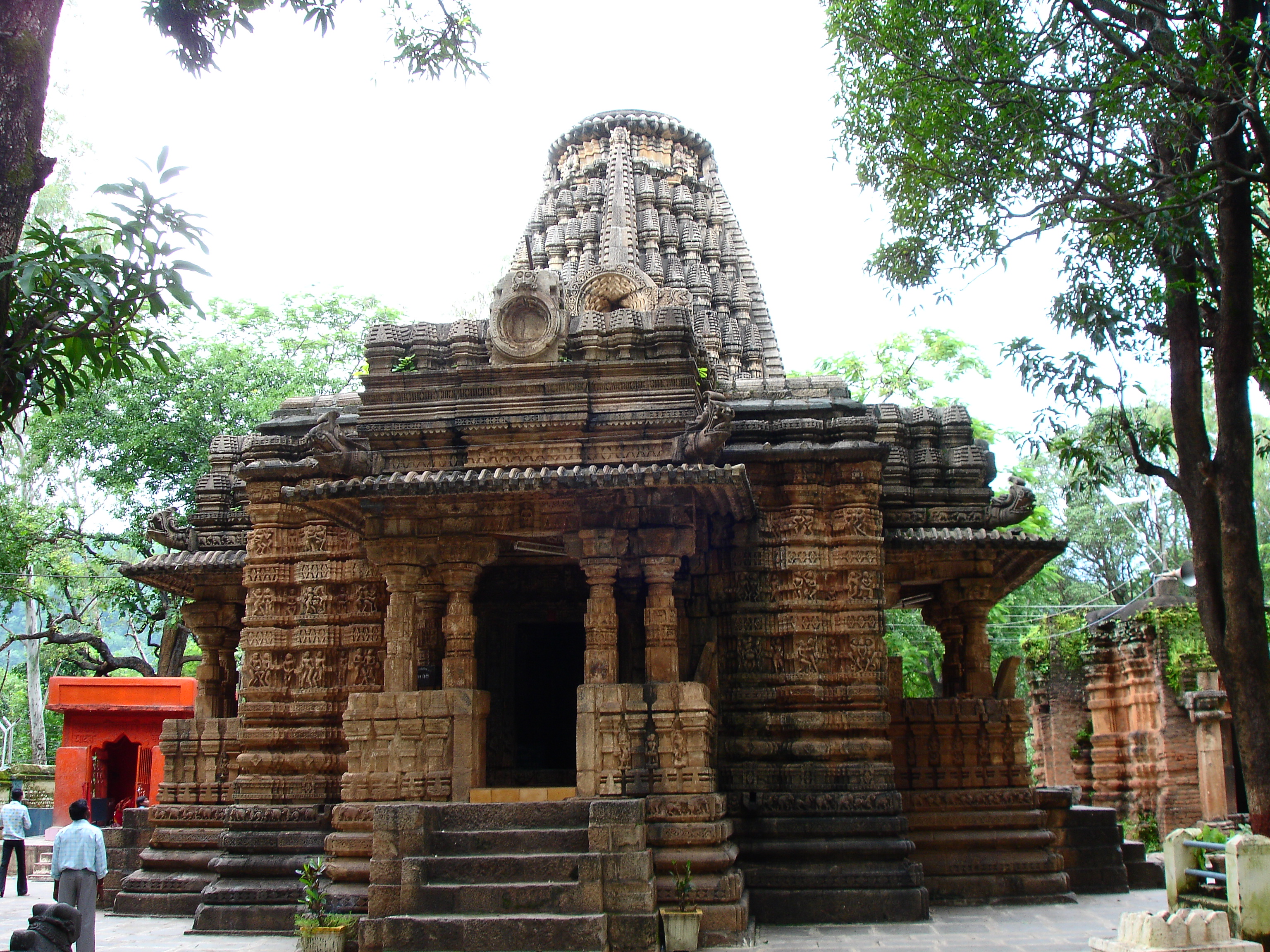
Image: Carvings on an ancient temple wall in Chhattisgarh.
Diverse Spiritual Traditions
Chhattisgarh's spiritual landscape is a confluence of various faiths that have thrived over centuries. The presence of Buddhist stupas in Sirpur, attributed to Emperor Ashoka, highlights a strong Buddhist heritage. Simultaneously, the discovery of Hindu deities like Vishnu at Malhar points to a vibrant Vaishnavite tradition.
Spiritual Diversity of Chhattisgarh
Chhattisgarh has historically been a melting pot of spiritual traditions. Evidence suggests the presence of Buddhism (Sirpur), Hinduism (Vaishnavism, Shaivism, Shaktism), and ancient tribal belief systems. Pilgrimage routes often connect sites dedicated to these diverse deities and spiritual practices, reflecting a rich syncretic culture.
The region's ancient caves and archaeological sites serve as enduring testaments to the spiritual devotion of its people, offering pilgrims a chance to connect with these diverse traditions. The blend of these spiritual streams makes Chhattisgarh a unique pilgrimage destination.
Image: A statue of Vishnu from Malhar.
Sacred Stories
The land of Chhattisgarh is steeped in narratives that intertwine with India's grand epics and local legends, enriching its spiritual significance. These stories provide context to the ancient sites and inspire pilgrims.
Legends of Ramayana and Mahabharata
Dakshina Kosala's Epic Connections
According to tradition, Dakshina Kosala is believed to be the birthplace of Lord Rama's mother, Kaushalya, and a significant part of Rama's exile journey. This connection makes the region particularly sacred for followers of the Ramayana, who undertake pilgrimages to sites associated with these ancient events.
The enduring presence of these epic stories in the cultural memory of Chhattisgarh highlights its role as a sacred land where mythology and history converge. Pilgrims often visit sites believed to be linked to these ancient narratives, seeking spiritual solace and connection.
Image: Depiction of a scene from the Ramayana.
Inscriptions and Artistic Narratives
"The Jogimara inscription offers a tantalizing glimpse into the personal lives and artistic expressions of ancient Chhattisgarh."
Image: Close-up of Brahmi script from Jogimara Caves.
Pilgrimage Traditions & Routes
Chhattisgarh's rich historical and spiritual tapestry has fostered vibrant pilgrimage traditions, drawing devotees to its ancient sites. These routes offer a unique blend of natural beauty and profound spiritual experiences.
Enduring Spiritual Journeys
The historical significance of places like Sirpur, where Emperor Ashoka reportedly built stupas, makes them focal points for those seeking to trace the footsteps of ancient spiritual leaders. The continuity of these traditions over millennia underscores the enduring spiritual power of Chhattisgarh's sacred landscape.
Image: Pilgrims walking towards an ancient temple.
Key Pilgrimage Destinations
Image: Scenic view of a pilgrimage route in Chhattisgarh.
Visiting Chhattisgarh's Sacred Sites
Embarking on a pilgrimage or historical tour in Chhattisgarh promises a rewarding experience. Proper planning can enhance your journey through this culturally rich and fast-developing state.
Planning Your Spiritual Tour
Image: Modern infrastructure in Chhattisgarh.
Preserving Heritage for Future Generations
When visiting these ancient and sacred sites, it is crucial to practice responsible tourism. Respect local customs and traditions, and adhere to guidelines set by archaeological and religious authorities. These sites are invaluable treasures, offering a tangible link to India's profound past.
Pro Tip: Always carry sufficient water and wear comfortable footwear, especially when exploring cave complexes or extensive archaeological parks. Engage with local communities respectfully to enrich your cultural experience.
Chhattisgarh offers a unique blend of ancient history, diverse spiritual traditions, and natural beauty, making its pilgrimage routes a compelling journey for any seeker.
By visiting responsibly, you contribute to the preservation of Chhattisgarh's unique heritage, ensuring that future generations can also experience the spiritual and historical depth of these remarkable pilgrimage routes.
Image: A sign promoting heritage preservation.
What is Dakshina Kosala?
Dakshina Kosala refers to an ancient kingdom in Central India, roughly corresponding to parts of present-day Chhattisgarh and Odisha. It was historically significant and mentioned in ancient Indian literature, including the Ramayana and Mahabharata.
Local Cuisine and Accommodation for Pilgrims
Related temples: Arang Jain temples | ASI Protected Temples: India's Archaeological Treasures

