
A complete pilgrim record drawn from the existing published article data.
A Heritage Woven in Time: The Historical Context
Early Brahmanical Dedication and Iconography
The Jain Transformation and Adaptation
The temple’s history is a powerful metaphor for spiritual evolution—a stone structure absorbing and reflecting the changing devotional currents of its age, from the solar cult to the path of the Tirthankaras.
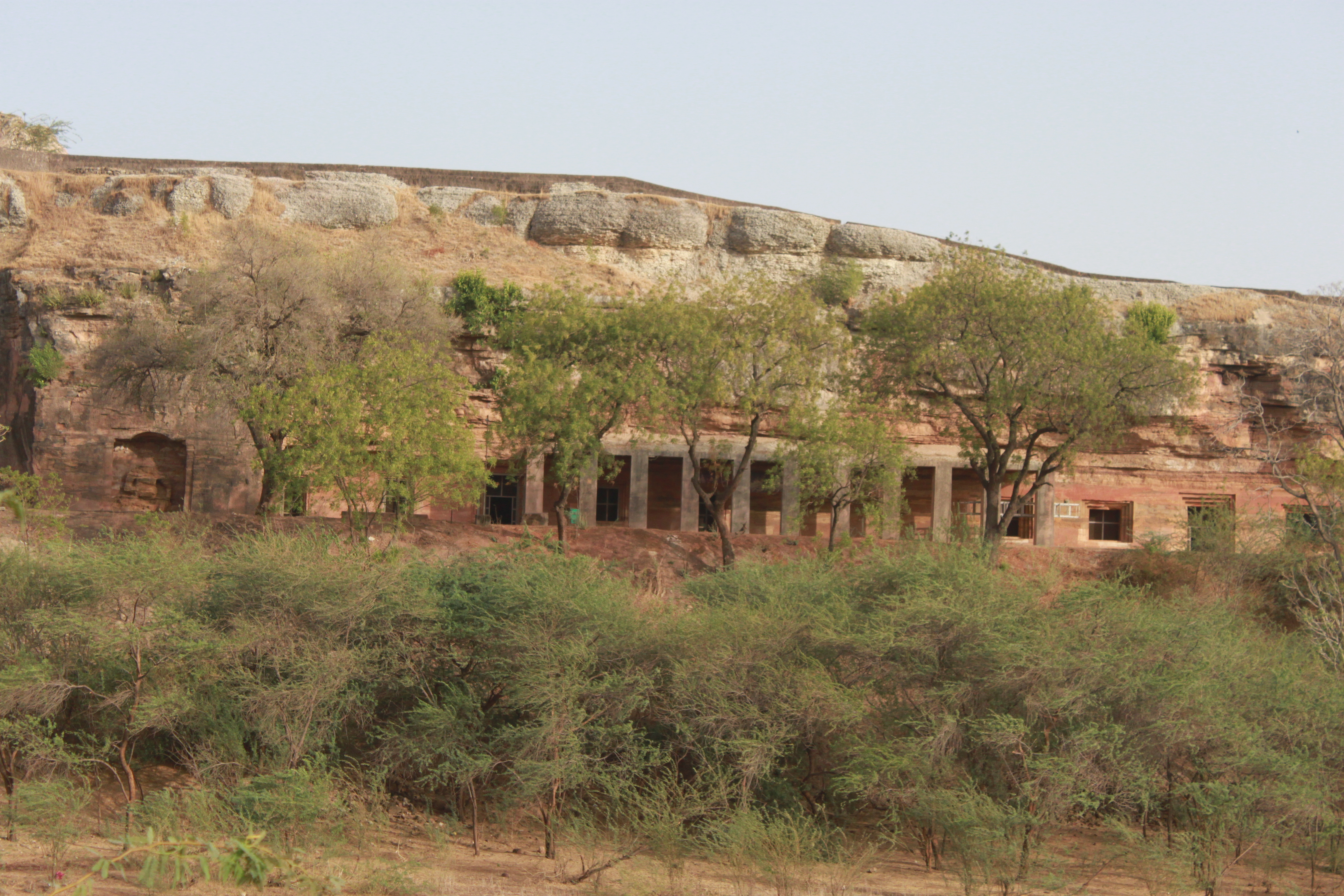
Architectural Brilliance: Post-Gupta Craftsmanship
The Expansive Mandapa and Its Iconic Pillars
Distinct Sanctums and Proportional Design
The precise measurements of the central shrine, 7.33 feet long, and its subsidiary counterparts, 6.33 feet long, underscore the meticulous attention paid to proportional aesthetics in this 9th-century construction. This adherence to specific ratios was often believed to imbue temples with divine energy.
Sculptural Narratives: Deities and Divine Forms
A Pantheon of Transition: Hindu and Jain Iconography
The Visual Chronicle of Faith's Shift
The Bajramath Temple narrates a compelling story of religious transformation directly through its stone carvings. Initially conceived as a vibrant center for the worship of Surya, the Sun God, its transition to a Jain sanctuary is not merely an architectural repurposing but a profound visual dialogue. Observe how the foundational imagery of Hindu deities on the door jambs—Shiva with his trident, Vishnu with his attributes, and the radiant Surya on his chariot—gradually gives way to the serene and contemplative forms of the Tirthankaras within the inner sanctums. This artistic layering offers a unique insight into the religious syncretism prevalent in 9th-century India, where different faiths often shared and redefined sacred spaces.
Key Iconographic Representations: Surya and Suparshvanatha
Suparshvanatha
The seventh of the 24 Jain Tirthankaras, Suparshvanatha is revered as a spiritual teacher who achieved omniscience (Kevala Jnana) and taught the path to liberation. His distinctive iconography often features a multi-headed serpent (typically five hoods) providing protection over his head, a symbol deeply rooted in Indian mythology representing guardianship and wisdom. Devotees honor Suparshvanatha for his teachings on non-violence, truth, and asceticism, seeking inspiration from his life to overcome worldly attachments and attain spiritual purity.
The iconography of the Bajramath Temple is a visual sermon, where the very structure narrates the profound, evolving relationship between different spiritual truths, a rare glimpse into India's fluid religious landscape.
Festivals and Spiritual Life
Observance of Jain Traditions and Rituals
During these times, the physical space of the temple transforms into a vibrant nexus of community worship, with devotees gathering for prayers, discourses, and devotional singing. Regular daily rituals and prayers also take place, maintaining a continuous spiritual pulse within the ancient walls.
Community Engagement and Pilgrimage
Pilgrims come seeking spiritual guidance, blessings, and a tangible connection to the timeless teachings embedded in the temple’s architecture and consecrated idols. The temple's dual history also draws scholars and history enthusiasts, making it a site of both religious reverence and academic interest.
A Visitor's Guide: Experiencing the Heritage


Planning Your Journey to Gyaraspur
Appreciating the Artistry and Spiritual Dialogue
- Approach with Reverence: Allow time for quiet contemplation before engaging with the artistry. This ancient site offers a profound sense of history.
- Observe the Detail: Spend considerable time tracing the lines of the carvings on the door jambs. Notice how the depictions of Surya, Shiva, and Vishnu merge with the subtle early Jain iconography—this visual dialogue is the temple's most compelling feature.
- Explore the Mandapa: Pay attention to the 16 exquisitely carved pillars in the mandapa. Each tells a small story or showcases a unique design, reflecting the skill of 9th-century artisans.
- Visit the Sanctums: Glimpse into the three garbhagrihas and observe the serene Tirthankara idols, recognizing their spiritual significance in the temple's current form.
For further exploration of India's architectural wonders, consider visiting the Great Stupa at Sanchi, another UNESCO World Heritage Site located near Gyaraspur, or delve into the majestic Khajuraho Group of Monuments, both offering distinct insights into India's rich religious and artistic past.
The Sanctums of Serenity: Garbhagrihas
Architectural Composition and Purpose
The transition of the temple saw these spaces repurposed, yet their fundamental design for focused devotion remained. The architectural composition itself subtly tells the story of continuity and change, providing a physical framework that adapted to new spiritual tenants while retaining its sacred essence.
The Enduring Focus on Tirthankaras
🗺 How to Reach
Hover a card to animate the journey on the map
Route to Bajramath Temple: 9th Century Jain Masterpiece and...
Common Questions
Where is Bajramath Temple: 9th Century Jain Masterpiece and... located?
Bajramath Temple: 9th Century Jain Masterpiece and... is documented at Sanchi, Madhya Pradesh.
Which deity is associated with Bajramath Temple: 9th Century Jain Masterpiece and...?
Bajramath Temple: 9th Century Jain Masterpiece and... is associated with Vishnu.
Related Temples


A Living Covenant