
A complete pilgrim record drawn from the existing published article data.

Historical Foundation of Bagahi Dham
Origins and Visionary Founders
Timeline of Bagahi Dham's Establishment
A Legacy of Spiritual Stewardship
The sanctity of Bagahi Dham is intricately woven into the very fabric of Mithila’s cultural memory, a profound reflection of centuries of enduring faith and devotion.

Architectural Splendor and Sacred Spaces
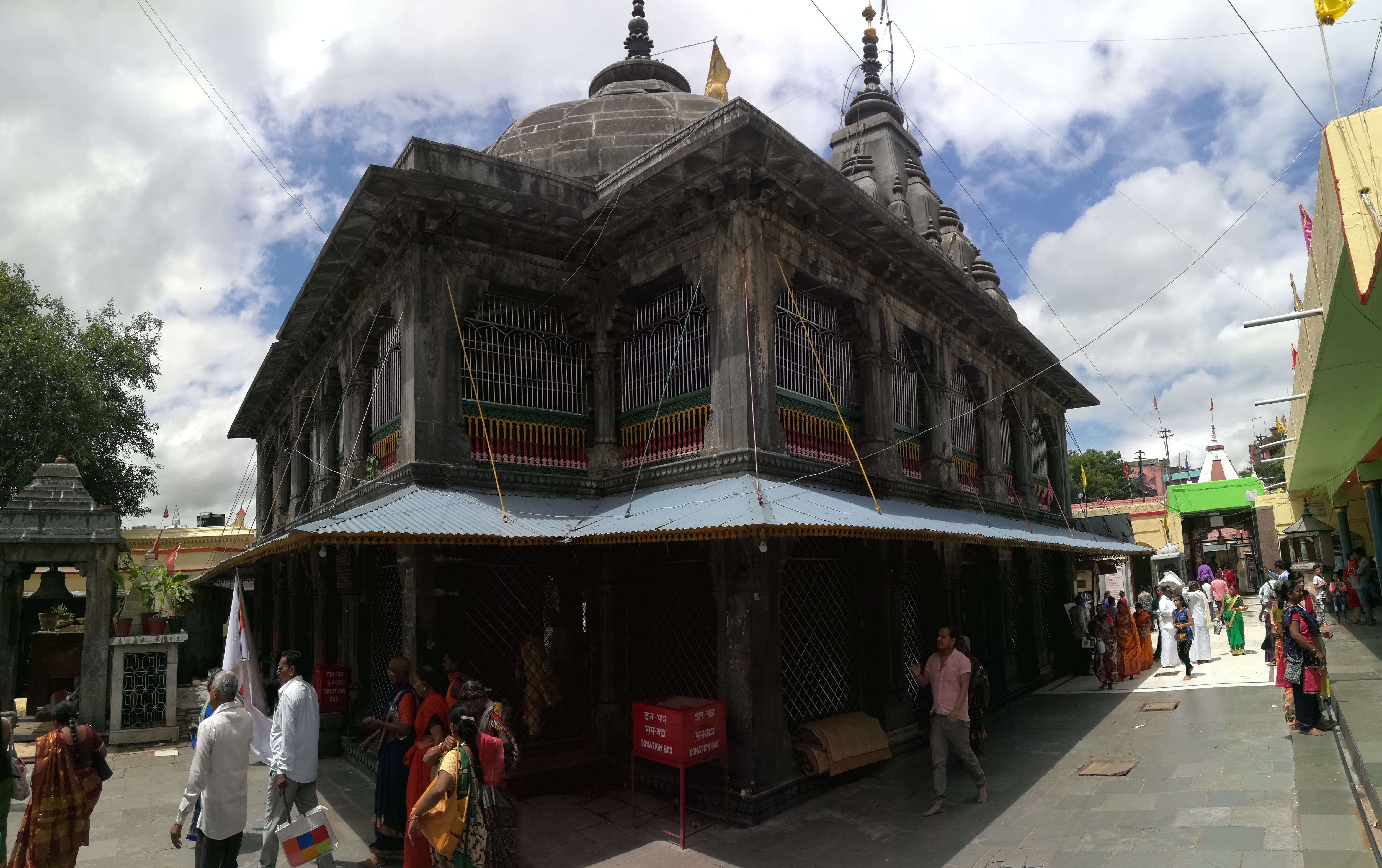
The Baba Dhaneshwar Nath Mahadev Mandir
Lord Shiva (Baba Dhaneshwar Nath Mahadev)
At Bagahi Dham, Lord Shiva is revered as Baba Dhaneshwar Nath Mahadev, the presiding deity. Shiva, one of the principal deities of Hinduism, is known as the Destroyer and Transformer, the Supreme Being who creates, protects and transforms the universe. His worship at Bagahi Dham is central to the temple's identity, attracting devotees seeking strength, liberation, and spiritual insight from the benevolent and formidable aspect of the divine.

Significance as a Shiva Panchayatan Mandir
Artistry and Symbolism in Stone
Spiritual Vibrations and Rituals
The Grand Sitaram Naam Jap Mahayajna
The Mahayajna at Bagahi Dham presents a breathtaking display of collective faith, where sound and devotion merge into a single, resonant spiritual experience that permeates the entire region.

Daily Devotions and Sacred Narratives
The Vision of Baba Tapasvi Narayan Das
Legend recounts that Baba Tapasvi Narayan Das, the revered founder, underwent rigorous penance in the tranquil groves of Bagahi. During his deep meditative state, he experienced a profound vision of Lord Shiva, who commanded him to establish a temple at that very spot. The vision revealed not just a simple shrine, but a Panchayatan Mandir, embodying the harmony of various divine energies. Inspired by this celestial instruction, Baba Tapasvi Narayan Das embarked on the monumental task of constructing Bagahi Dham, transforming his spiritual encounter into a tangible abode of the gods for future generations.
A Pilgrim's Guide to Bagahi Dham
For those planning a spiritual journey or cultural exploration to this historic and spiritually charged location, thoughtful preparation can significantly enhance the experience. Understanding the local customs, logistical considerations, and recommended practices is crucial to connect deeply with the spirit of Bagahi Dham and the surrounding Mithila region.
For any traveler seeking an authentic and deeply resonant connection to India’s rich spiritual landscape, Bagahi Dham offers an unforgettable journey into the soul of Bihar. We extend an invitation to explore this sacred space, to witness the unwavering devotion, and to feel the profound, timeless energy that gracefully flows from the very heart of Mithila.
Explore More Mithila Temples Discover Shiva Temples in Bihar Ancient Hindu Pilgrimage Routes


Experiencing Mithila's Cultural Heart
Practical Advice for Visitors
Navigating to this sacred site requires a clear understanding of its location within the broader context of Bihar. Planning your visit should account for regional travel complexities and the spiritual timing of any associated events or festivals. The temple is situated in the Bagahi village, near the larger town of Sitamarhi.
- Best Time to Visit: While the Mahayajna is a major highlight, visiting during the cooler months, typically October to March, allows for a more comfortable and peaceful contemplation of the temple grounds and less strenuous travel.
- Accommodation: Consider staying in the nearby areas of Sitamarhi or within Bagahi village itself. This allows for a deeper immersion in the local atmosphere and greater convenience for temple visits. Modest guesthouses and hotels are available.
- Respectful Conduct: Always dress modestly, particularly when entering the temple complex, and observe local customs and traditions. Remember that you are entering a living, sacred spiritual space that is deeply cherished by its community. Silence or low voices are appreciated inside the main shrines.

Modern Pilgrimage
🗺 How to Reach
Hover a card to animate the journey on the map
Route to Bagahi Dham: Discover the Sacred Shiva Temple in Mithila, Bihar
Common Questions
Where is Bagahi Dham: Discover the Sacred Shiva Temple in Mithila, Bihar located?
Bagahi Dham: Discover the Sacred Shiva Temple in Mithila, Bihar is documented at Sitamarhi, Bihar.
Which deity is associated with Bagahi Dham: Discover the Sacred Shiva Temple in Mithila, Bihar?
Bagahi Dham: Discover the Sacred Shiva Temple in Mithila, Bihar is associated with Shiva.
Related Temples


A Living Covenant