A complete pilgrim record drawn from the existing published article data.
 Uttarakhand mountains">
History & Foundation
Prehistoric Roots & Early Dynasties
The history of Uttarakhand stretches back to prehistoric times, with archaeological findings challenging earlier beliefs of it being an uninhabited land. Evidence of Stone Age settlements, including rock shelters at Lakhudyar in Almora, confirms ancient human presence.
During the Vedic age, the region was part of the Uttarakuru Kingdom. Later, in the 2nd century BCE, the Kunindas emerged as a major dynasty in Kumaon, practicing an early form of Shaivism. Ashokan edicts at Kalsi also indicate the early influence of Buddhism in this mountainous terrain.

Key Historical Milestones
- Prehistoric Era: Stone Age settlements (Lakhudyar).
- Vedic Age: Part of Uttarakuru Kingdom.
- 2nd Century BCE: Rise of Kunindas (early Shaivism).
- Ashokan Era: Presence of Buddhism (Kalsi edicts).
The 'Devabhumi' Legacy
The enduring spiritual significance of Uttarakhand earned it the moniker 'Devabhumi'. This title reflects its deep connection to Hindu mythology and the numerous sacred sites found across its landscape. The region has continuously attracted sages, pilgrims, and devotees for millennia.
Definition: Devabhumi
Literally meaning 'Land of the Gods', this term highlights Uttarakhand's unparalleled religious importance as home to many revered Hindu deities and pilgrimage destinations.

Architecture & Deity
Himalayan Temple Architecture
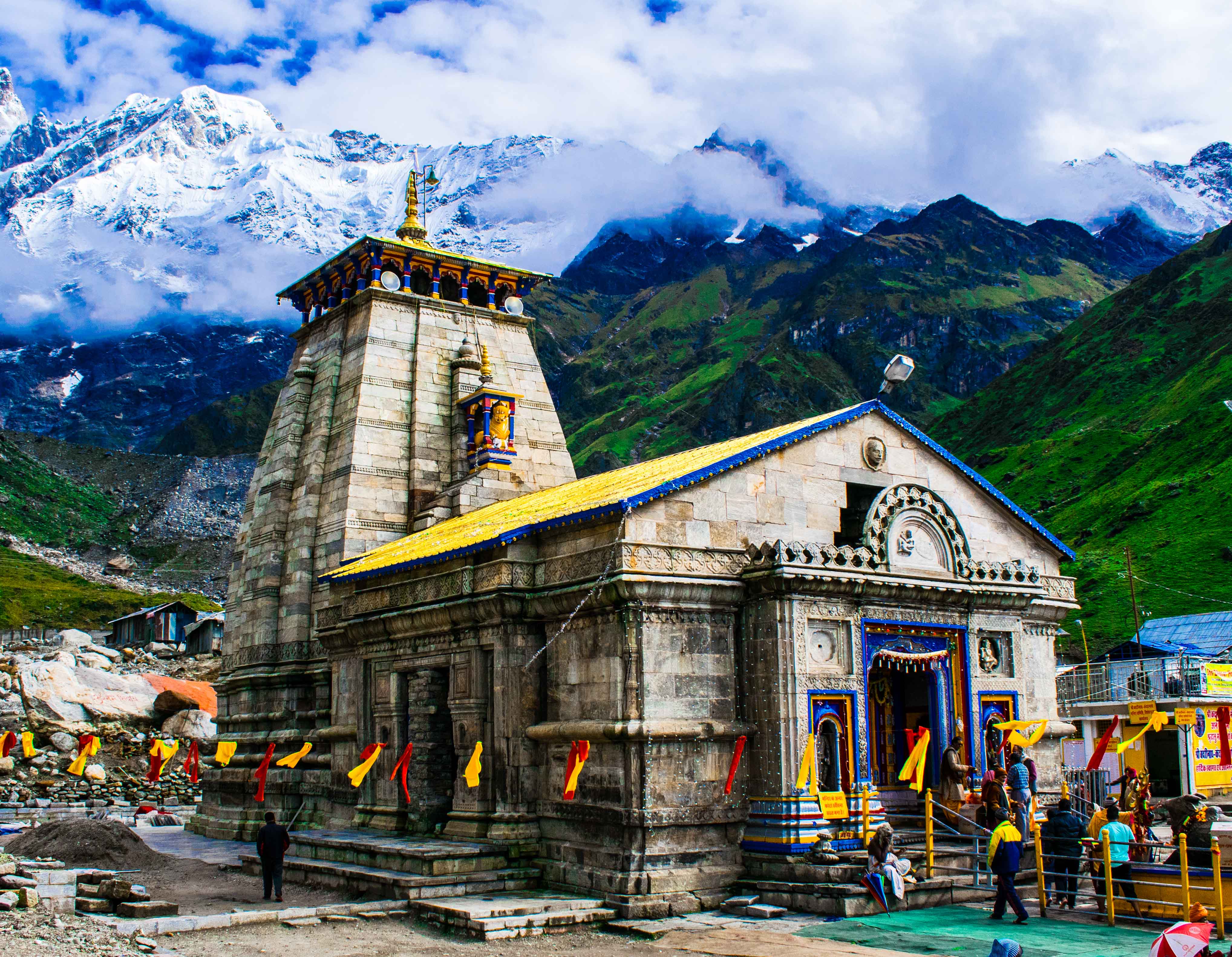
Many temples exhibit intricate carvings and sculptures, reflecting the artistic traditions of various periods. The construction techniques often involve dry masonry, a testament to the ancient builders' skill. The design principles prioritize durability and spiritual symbolism.

Deities of Devabhumi
Uttarakhand is predominantly a land of Hindu worship, with a strong emphasis on Shiva, Vishnu, and various forms of the Goddess (Shakti). Many temples are dedicated to these primary deities, often associated with specific legends or natural phenomena.
Primary Deities Worshipped
- Lord Shiva: Central to many pilgrimage sites like Panch Kedar.
- Lord Vishnu: Revered in sites such as Badrinath.
- Devi (Shakti): Worshipped in various forms across the region.
"The mountains of Uttarakhand are believed to be the abode of gods, making every temple a direct link to the divine."

Festivals & Traditions
Annual Pilgrimages & Yatras
Beyond Char Dham, other significant pilgrimages include the Panch Kedar trek, visiting five Shiva temples, and the Sapta Badri circuit. These yatras are not just journeys but profound spiritual experiences, often undertaken with immense devotion and physical endurance.

Local Celebrations & Rituals
Throughout the year, local communities celebrate numerous festivals with great fervor. These include traditional Hindu festivals like Diwali, Holi, and Shivaratri, often observed with unique regional customs. Temple rituals are elaborate, involving daily pujas, aartis, and special ceremonies on auspicious days, maintaining a vibrant spiritual atmosphere.
Key Takeaway: Uttarakhand's festivals and pilgrimages are integral to its cultural and spiritual identity, offering deep insights into Hindu traditions.

Visiting the Temple
Planning Your Journey to Devabhumi
Accommodation options range from basic guesthouses to more comfortable hotels, particularly in popular pilgrimage towns like Haridwar and Rishikesh. It's advisable to book in advance, especially during peak season. Prepare for varying altitudes and weather by packing appropriate clothing.

Experience the Divine & Travel Tips
A visit to Uttarakhand's temples is more than just sightseeing; it's a profound spiritual experience. Be prepared for long journeys, sometimes involving treks, and embrace the serene, devotional atmosphere. Respect local customs and traditions, and engage with the spiritual energy of these ancient sites.
Pro Tip: Carry sufficient cash, warm clothing, and basic medicines. Hiring a local guide can enhance your understanding of the temples' history and legends. Consider exploring Haridwar and Rishikesh as starting points for your spiritual journey.


Sacred Stories
Legends of the Land
Many tales are connected to the epic Mahabharata and Ramayana, linking the region to ancient heroes and divine interventions. These narratives reinforce the belief that Uttarakhand is a land where gods walked and divine events unfolded, making it a prime destination for spiritual seekers.

Pilgrimage Pathways: Char Dham & Panch Kedar
Central to Uttarakhand's spiritual identity are the Char Dham (Badrinath, Kedarnath, Gangotri, Yamunotri) and Panch Kedar pilgrimage circuits. Each site has its own unique set of legends, drawing millions of devotees annually. For instance, Kedarnath is believed to be where Lord Shiva's hump appeared after he evaded the Pandavas.
The Significance of 'Devabhumi'
The spiritual aura of Uttarakhand is so profound that it is believed visiting its sacred sites can lead to liberation (moksha). The confluence of natural beauty and divine presence makes it a unique spiritual landscape.
"Every stone in Devabhumi whispers tales of gods and ancient sages, inviting pilgrims into a timeless spiritual journey."