



A complete pilgrim record drawn from the existing published article data.
Tracing the Ancient Roots of Zangla Monastery
The history of Zangla is deeply intertwined with the Zanskar region's royal and spiritual heritage. Before the 19th century, it was the royal palace of the Zangla Kingdom, already hosting monks and a shrine. Its most renowned period came in 1823-1824 when Hungarian philologist Sándor Kőrösi Csoma resided here, compiling the first Tibetan-English dictionary. This monumental academic endeavor transformed the palace into a landmark of Tibetan studies, cementing its place in both intellectual and spiritual history, despite its later misidentification as a monastery.
Royal Origins
Zangla's earliest known function was as the royal palace of the Zangla Kingdom, a significant political entity in the Zanskar Valley. It served as a center of power and culture.
Scholar's Retreat
The palace gained international recognition through Sándor Kőrösi Csoma's two-year stay. His work on the Tibetan-English dictionary from this remote location was a foundational event for European Tibetan studies.
Evolution to a Spiritual Center
Even as a royal residence, Zangla maintained a spiritual presence with monks and a shrine. Over centuries, its role evolved, culminating in its present-day function primarily as a nunnery, continuing its Buddhist legacy.
The Unique Architecture of Zangla: A Blend of Tradition and Terrain
The architectural style of Zangla reflects traditional Tibetan design, skillfully adapted to the challenging Himalayan environment. Although specific materials are not detailed, structures in this region typically utilize local resources such as stone, mud, and timber, forming sturdy buildings that withstand harsh winters and intense summers. Its design showcases the characteristic features of Ladakhi Buddhist architecture, including whitewashed walls, flat roofs, and intricate woodwork, all harmoniously integrated with the rugged mountain slopes. The former palace's design embodies both defensive strength and spiritual serenity.
Tibetan Style
Zangla's architecture adheres to the traditional Tibetan style, characterized by its robust construction, often multi-storied, with sloping walls and small windows, designed for both protection and insulation.
Himalayan Adaptation
The structures are built to endure the extreme weather conditions of the high Himalayas. The use of local materials and specific construction techniques ensures stability and energy efficiency in this remote terrain.
Structural Elements
Key architectural elements include whitewashed exteriors, often adorned with prayer flags, and interiors that feature assembly halls and residential quarters, reflecting both its royal and spiritual past.
Plan Your Pilgrimage: A Guide to Visiting Zangla Monastery
Visiting Zangla offers a unique cultural and spiritual experience, though it requires careful planning due to its remote location. The best time to visit is during the warmer months, from May to October, when roads are generally accessible. Access primarily involves road travel from Kargil to Padum, then local transport to Zangla. Visitors are encouraged to dress modestly and remove footwear when entering sacred areas, respecting the local customs and the sanctity of the site. Prepare for limited facilities and embrace the journey through the spectacular Zanskar Valley.
Getting There
Access to Zangla is challenging. The nearest major hub is Kargil, with limited bus services to Padum (Zanskar's main town) during summer. From Padum, local shared taxis or jeeps are the primary means to reach Zangla.
Best Time to Visit
The optimal period for visiting Zangla is from May to October. During these months, the weather is more favorable, and mountain passes, including those leading to Zanskar, are typically open.
Visitor Etiquette
Visitors should wear modest attire, covering shoulders and knees. It is customary to remove footwear before entering prayer halls or any sacred spaces within the nunnery. Photography may be restricted in certain areas.
| Deity | Buddha |
|---|---|
| Form | Often depicted in various mudras, such as Bhumisparsha (earth-touching) or Dhyana (meditation), symbolizing enlightenment and spiritual peace. |
| Consort | None |
| Sampradaya | Tibetan Buddhism |
| Significance | The central figure of Buddhism, Buddha represents the awakened mind, teaching the path to liberation from suffering through wisdom, compassion, and meditation. |
The Scholar's Sanctuary and a Royal Legacy
Journey back to the early 19th century, to a time when a secluded palace in Zangla became a beacon of linguistic discovery. It was here, amidst the rugged Himalayan landscape, that the intrepid Hungarian philologist Sándor Kőrösi Csoma found refuge in 1823-24. This venerable site, often mistaken for a monastery due to its spiritual residents and an ancient shrine, was in fact the royal residence of the Zangla Kingdom. Within its ancient walls, Csoma dedicated himself to an monumental task: the compilation of the world's first Tibetan-English dictionary. His profound work transformed this former palace into a sacred space of scholarship, forever linking its history with the preservation and understanding of Tibetan culture.
This venerable site, often mistaken for a monastery, was in fact the royal residence of the Zangla Kingdom, a sacred space of scholarship.
Within its ancient walls, the world's first Tibetan-English dictionary was compiled, linking its history forever with Tibetan culture.
Related temples: Ajanta Caves | Articles on Early and Later Western Indian Caves [Part 1
Zangla Monastery: A Serene Buddhist Haven in Ladakh
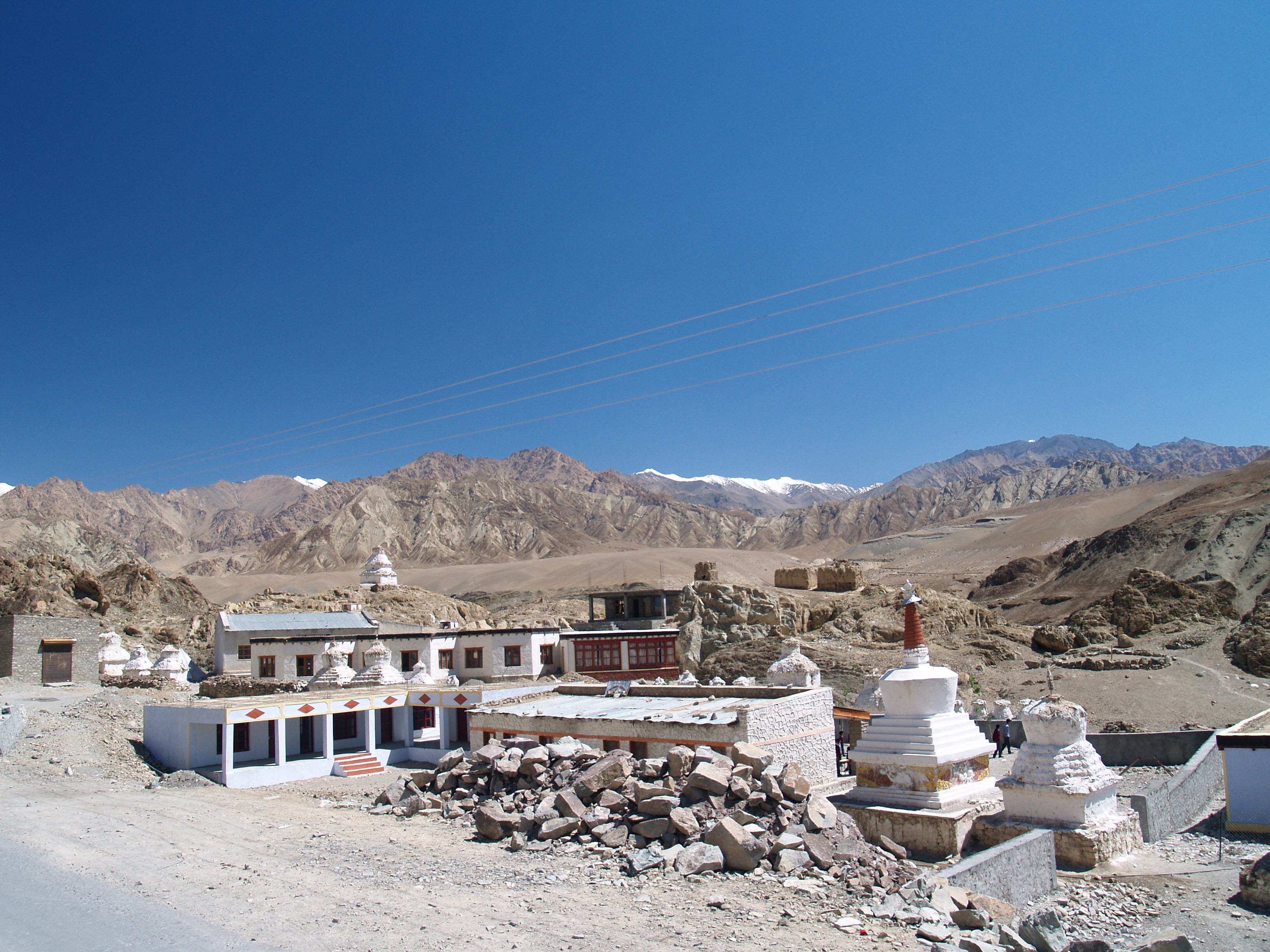
Nestled in the remote Zanskar region of Ladakh, Zangla stands as a significant site of Tibetan Buddhism. Although commonly misidentified as a monastery, it historically served as a royal palace and now primarily hosts a nunnery. This ancient complex, dedicated to the Buddha, offers a glimpse into the spiritual heart of the Himalayas, set against a backdrop of stark, beautiful landscapes. Its remote location contributes to its profound sense of peace and historical importance, drawing those seeking spiritual solace and cultural discovery.
Historical Identity
Zangla was originally the royal palace of the Zangla Kingdom, not a monastery. Over time, its spiritual residents and an ancient shrine led to its popular, though incorrect, designation as a monastery. Today, it functions as a nunnery.
Ladakhi Landscape
The site is situated in the rugged, high-altitude desert landscape of Ladakh, characterized by barren mountains, deep valleys, and the Zanskar River. This remote environment has preserved its unique heritage and spiritual atmosphere.
The Enduring Spirit of Buddha at Zangla Monastery
At the heart of Zangla's spiritual significance lies the profound teachings of Buddha, which have permeated its existence for centuries. Despite its origins as a royal palace, the presence of shrines and monks from early times established its Buddhist foundation. Today, as a nunnery, it continues to be a vibrant center for Tibetan Buddhist practices, upholding the ancient traditions of devotion, meditation, and study. The enduring spirit of Buddha is manifested in the daily lives of its residents and the serene atmosphere that pervades this historic site, fostering a deep connection to the Dharma.
Core Teachings
The spiritual life at Zangla is centered around the core teachings of Buddha, emphasizing compassion, mindfulness, and the path to enlightenment within the Gelug school of Tibetan Buddhism.
Nunnery Life
The nunnery at Zangla is a living testament to Buddhist practice. Nuns engage in daily prayers, rituals, and studies, preserving the monastic traditions and contributing to the spiritual fabric of the region.
Spiritual Legacy
Zangla's spiritual legacy is enriched by its history as a place of learning, notably Sándor Kőrösi Csoma's work, which indirectly served to preserve and disseminate Buddhist knowledge globally.
Restoration & Conservation
For centuries, Zangla Monastery, perched precariously on a hilltop overlooking the Zanskar valley, has endured the relentless forces of nature characteristic of the high-altitude Himalayan desert. Despite its profound historical and spiritual significance, housing ancient murals and scriptures, the monastery faced severe degradation over time. Harsh winters, strong winds, and the general wear of centuries led to structural instability, crumbling walls, and fading frescoes, threatening to erase invaluable aspects of Ladakhi Buddhist heritage. The remote location further compounded these challenges, making access difficult for both materials and skilled conservators. Early observations by explorers and scholars in the late 20th century underscored the urgent need for intervention, recognizing that without immediate and sustained efforts, this architectural and artistic treasure would be lost forever to the elements and neglect.
Significant restoration efforts at Zangla Monastery began in earnest, notably spearheaded by organizations like the Austrian Association for the Preservation of Zangla. These initiatives have focused on a multi-faceted approach, combining traditional Ladakhi building techniques with modern conservation science to stabilize the structure and meticulously restore its intricate murals and thangkas. Local craftsmen, trained in ancient methods, work alongside international experts, ensuring the authenticity and longevity of the repairs. The projects not only aim to preserve the physical edifice but also to safeguard the intangible cultural heritage embedded within its walls, including rare texts and ritual objects. These ongoing endeavors are crucial for securing Zangla's future, allowing it to continue serving as a vibrant center for Buddhist practice, a repository of art, and a powerful symbol of resilience for generations to come.
🗺 How to Reach
Hover a card to animate the journey on the map
Route to Zangla
Related Temples


A Living Covenant