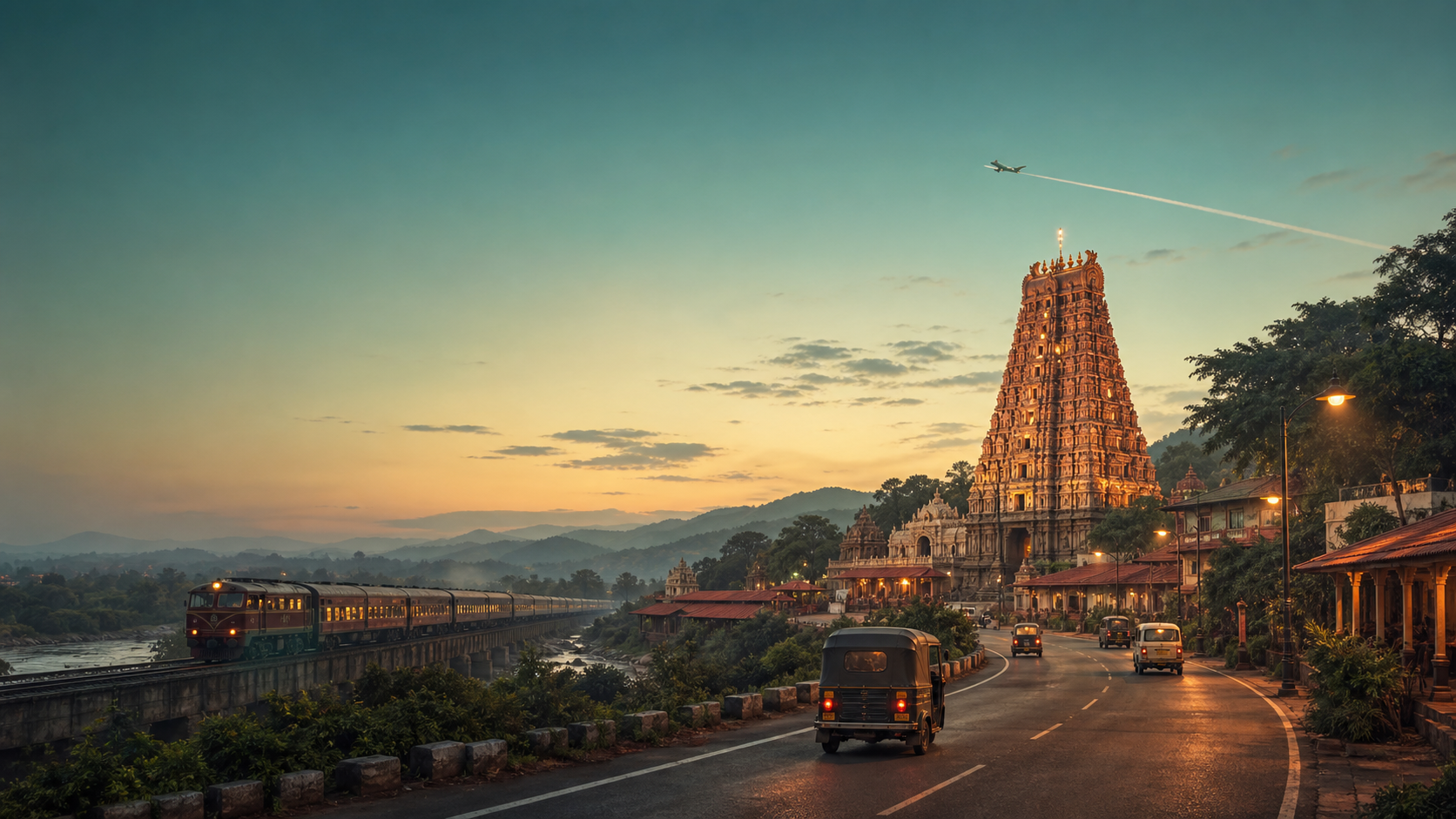
A complete pilgrim record drawn from the existing published article data.
Historical Foundation
Early Hoysala Patronage
Evolution Through Centuries
A Site of Enduring Faith
With origins tracing back over 900 years, the Vithoba Temple stands as one of India's oldest continually worshipped shrines, embodying centuries of spiritual heritage and architectural evolution.
"The Vithoba Temple is a living testament to faith, where every stone whispers tales of devotion spanning over nine centuries."
Architecture & Craftsmanship

An aerial view showcasing the sprawling complex and its blend of architectural styles.
Structural Grandeur and Layout
Sculptural Artistry and Iconography

The iconic standing idol of Lord Vithoba, hands on hips, awaiting his devotee Pundalik.
Evolution of Architectural Styles
When visiting, take time to observe the intricate carvings on the pillars and walls of the mandapa. These details often narrate mythological stories or depict scenes from the lives of saints, offering deeper insights into the temple's spiritual context.
The Presiding Deity
Lord Vithoba (Panduranga)
- Deity Form: Standing on a brick, hands on hips (akimbo posture). This unique stance is central to his origin legend, signifying patience and divine accessibility.
- Primary Association: A regional form of Krishna/Vishnu, revered particularly in Maharashtra and Karnataka.
- Iconographic Uniqueness: Unlike other Vishnu forms, Vithoba does not carry traditional attributes like the conch or discus; his simple, serene pose emphasizes his role as a loving, waiting deity.
Consort Deity: Rukmini (Rakhumai)
- Significance: Consort of Lord Vithoba, deeply revered and worshipped alongside him. Her shrine is adjacent to the main sanctum.
Secondary Deities
- Within the Complex: Shrines dedicated to Satyabhama, Radhika (Rahi), Narasimha, Venkateshwara, Mahalakshmi, Nagaraj, Ganesha, Annapoorna, Garuda, and Hanuman. This extensive pantheon reflects the broad Vaishnava tradition embraced by the temple.
Tradition & Classification
- Sampradaya: Vaishnava, particularly central to the Warkari Bhakti movement.
- Spiritual Classification: Considered an Abhimana Kshethram, signifying it as one of the 108 most cherished and emotionally significant pilgrimage sites for Vaishnavites.
The Iconic Panduranga Form
Rakhumai and the Divine Family
"Vithoba's simple stance on a brick represents the ultimate patience of the divine, waiting for His devotee's pure devotion to manifest."

The serene shrine of Rakhumai (Rukmini), consort of Lord Vithoba.
Festivals & Living Traditions
The Great Warkari Yatras
The most iconic traditions associated with the Vithoba Temple are the annual Warkari pilgrimages (yatras), culminating in two major festivals:
Aashadhi Ekadashi (June–July)
This is the largest and most significant annual pilgrimage, occurring on the 11th lunar day of the Ashadha month. Millions of Warkaris embark on long foot journeys (Dindis) from across Maharashtra and Karnataka, singing devotional songs (Abhangas) and carrying palanquins of their revered saints. Their arrival transforms Pandharpur into a sea of saffron and devotion, creating an unparalleled atmosphere of spiritual fervor. A bath in the Chandrabhaga River on this day is considered highly meritorious.
Kartiki Ekadashi (October–November)
The second major pilgrimage takes place on the 11th lunar day of the Kartika month. While smaller than Aashadhi Ekadashi, it is equally significant for Warkaris, marking another important seasonal confluence of devotees in Pandharpur. These pilgrimages are not mere journeys; they are collective acts of devotion, community building, and spiritual renewal, fostering a deep sense of belonging among Warkaris.
Warkari
A Warkari is a pilgrim who undertakes the annual pilgrimage (wari) to the Vithoba Temple in Pandharpur. The term literally means 'one who performs the wari'. The Warkari movement emphasizes communal living, devotion through kirtan, and a simple, ethical life.
Daily Rituals and Devotional Practices
Social Reforms and Modern Significance

A vibrant Warkari Dindi procession making its way to Pandharpur during Aashadhi Ekadashi.
If you plan to experience the full fervor of the Warkari tradition, aim to visit during the Aashadhi or Kartiki Ekadashi. Be prepared for large crowds and plan your accommodations and travel well in advance, as millions converge on Pandharpur.
Plan Your Visit
Getting There and Around
- Nearest City: Pandharpur itself is the nearest city, with the temple situated centrally.
- Nearest Airport: The most convenient airport is Pune International Airport (PNQ), approximately 140 km away. From Pune, you can hire a taxi or take a bus to Pandharpur.
- Nearest Railway: Pandharpur Railway Station is located within the city, offering connections to major cities in Maharashtra and beyond.
- Road Access: Pandharpur is well-connected by state and national highways, making bus and private vehicle travel a popular option from cities like Pune, Mumbai, Solapur, and Kolhapur.
Best Time to Visit and Duration
Important Visit Rules and Etiquette
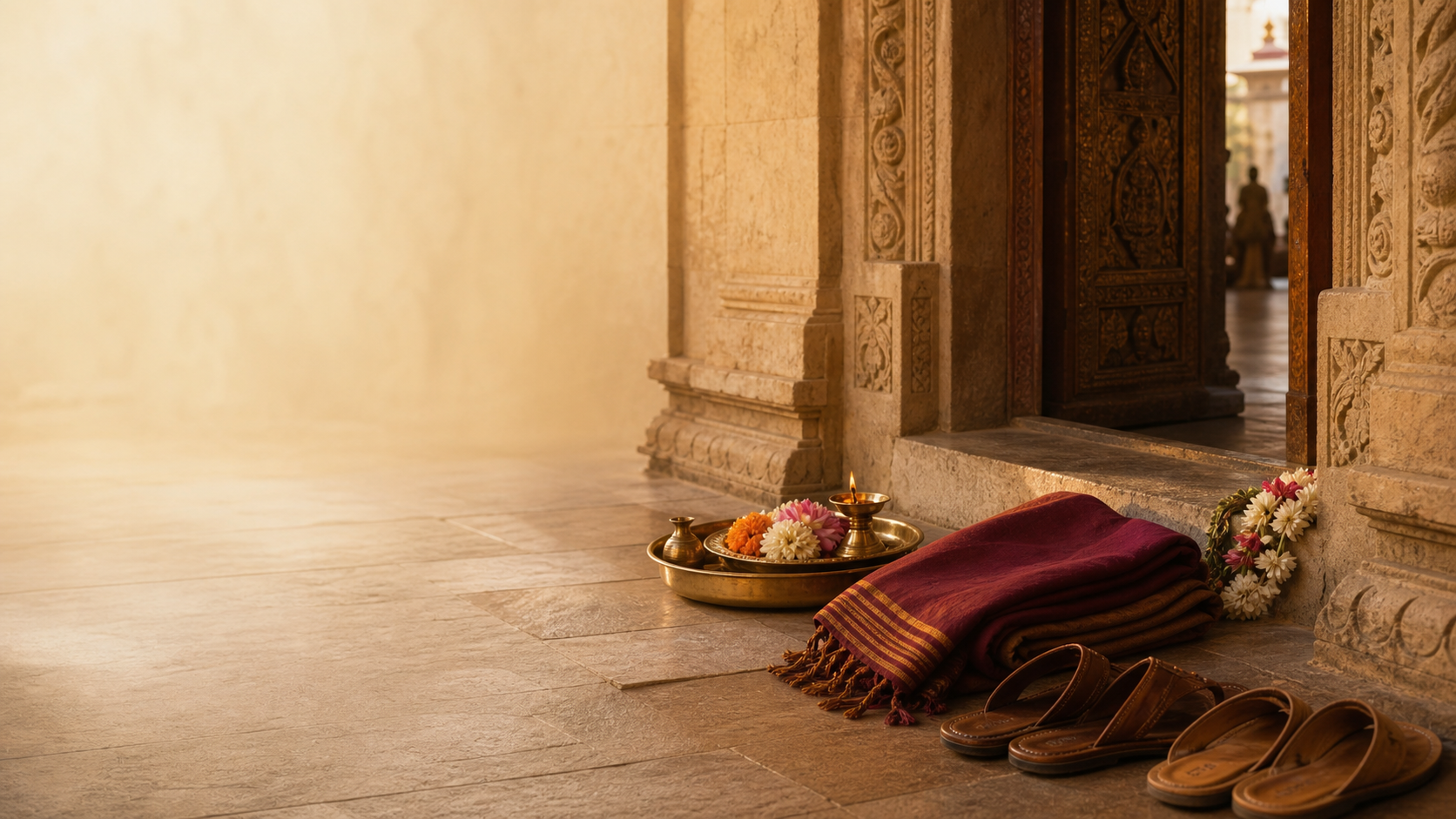
- Dress Code: Modest dress is enforced. Ensure shoulders and knees are covered as a sign of respect.
- Footwear: Footwear must be removed before entering the temple premises. Designated areas are available for shoe storage.
- Photography: Photography is generally restricted near the sanctum sanctorum. Be mindful of signs and temple staff instructions.
- Food & Drink: No non-vegetarian food or alcohol is allowed within the temple premises.
- Darshan: Be prepared for queues, especially during peak hours and festivals. Follow the queue system diligently.
Nearby Spiritual Circuit
For those interested in exploring more of Maharashtra's spiritual heritage, the Vithoba Temple can be part of a broader pilgrimage circuit:
- Shri Siddhivinayak Temple (Mumbai) – Dedicated to Lord Ganesha.
- Shri Tulja Bhavani Temple (Tuljapur) – One of the three and a half Shakti Peethas in Maharashtra.
- Shri Ambabai Temple / Shri Mahalaxmi Temple (Kolhapur) – Dedicated to Goddess Mahalaxmi.
Related temples: Abeyadana Temple | Ajanta Caves
Sacred Stories & Mythology
The Legend of Pundalik
Pundalik: The Filial Devotee
The most foundational legend associated with Pandharpur and Lord Vithoba is that of Pundalik. Pundalik was a devoted son to his parents, Janudev and Satyavati, who resided in the Dandirvan forest. However, after his marriage, his devotion waned, and he began to mistreat them. Tired of his neglect, his elderly parents decided to embark on a pilgrimage to Kashi, seeking salvation. Pundalik and his wife chose to accompany them, but continued their ill-treatment, riding on horseback while his parents walked, and forcing them to perform arduous tasks each evening.
On their journey, they reached the ashram of the pious sage Kukkutswami. Exhausted, they camped there. That night, Pundalik witnessed a remarkable vision: a group of beautiful young women, dressed in soiled clothes, entered the ashram, performed various chores, and then, after praying, emerged with spotless clothes before vanishing. Curious, Pundalik inquired the next night. The women revealed themselves as the holy rivers Ganga, Yamuna, and others, whose waters became soiled by pilgrims washing away their sins. They chastised Pundalik, stating that his disrespect towards his parents was a greater sin than those washed away in their waters.
Profoundly moved and repentant, Pundalik underwent a transformation. He dedicated himself completely to serving his parents. One day, Lord Krishna, impressed by Pundalik's newfound and intense filial devotion, appeared before his ashram to bless him. However, Pundalik was at that moment engrossed in serving his parents. Not wishing to interrupt his sacred duty, he threw a brick (vit) outside for Krishna to stand upon, requesting the Lord to wait until he finished. Krishna, respecting Pundalik's unparalleled devotion, stood patiently on the brick. When Pundalik finally emerged, he begged the Lord to remain in that very form, on that brick, forever, so that all devotees could witness his divine patience and the fruit of true filial piety. Thus, Krishna manifested eternally as Vithoba, or Panduranga (one who stands on a brick), in Pandharpur.
Sthala Purana
A Sthala Purana is a genre of Hindu mythological texts that recounts the legends and historical events associated with a specific temple or holy place, explaining its origins, the presiding deity, and its unique spiritual significance.
Divine Miracles and Manifestations
Saints, Poets & Devotees
Pioneers of the Warkari Tradition
The Legacy of Sant Namdev and Chokhamela
"The Warkari saints, through their Abhangas, painted a path of devotion that transcends societal norms, making Vithoba accessible to all."
The Enduring Influence of Sant Tukaram
Records, Marvels & Heritage
Unparalleled Records and Distinctions
The Vithoba Temple welcomes millions of pilgrims every year, a testament to its profound spiritual pull and cultural significance across India.
Architectural and Cultural Marvels
Heritage Status and Conservation
Historical Debates and Scholarly Insights
Key Takeaway
The Vithoba Temple is a national marvel, celebrated for its immense spiritual following, its pioneering social reforms, and its unique architectural integration of saintly memorials, making it a cornerstone of Maharashtra's cultural identity.
🗺 How to Reach
Hover a card to animate the journey on the map
Route to Pandharpur
Common Questions
Where is Vithoba Temple, Pandharpur: Heart of the Warkari Faith located?
Vithoba Temple, Pandharpur: Heart of the Warkari Faith is documented at Pandharpur, Maharashtra.
Which deity is associated with Vithoba Temple, Pandharpur: Heart of the Warkari Faith?
Vithoba Temple, Pandharpur: Heart of the Warkari Faith is associated with Pandharpur.
Related Temples


A Living Covenant