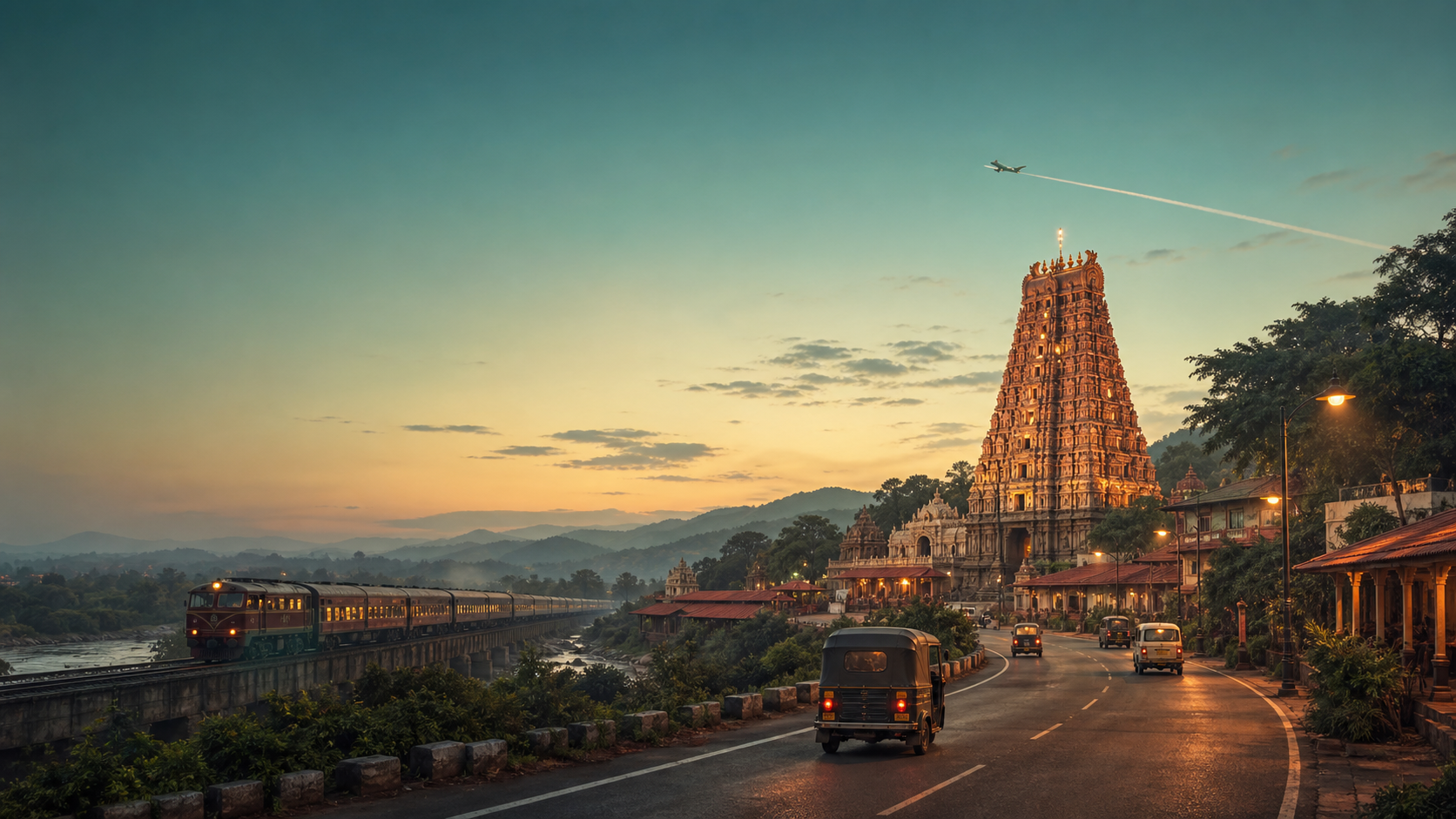
A complete pilgrim record drawn from the existing published article data.
The Genesis of Ananda: A Royal Vision
The groundwork for Ananda Temple began circa 1090, with its completion in 1105 AD under the patronage of King Kyansittha (Hti-Hlaing Min) of the Pagan Dynasty. This period marked a significant era of prosperity and religious devotion in Bagan. The king, influenced by a vision of the sacred Nandamula Cave, sought to create a temple that mirrored its serene beauty. The temple's construction was a monumental undertaking, reflecting the king's commitment to Theravada Buddhism and his role as a patron of the arts.
King Kyansittha's Patronage
King Kyansittha, the builder of Ananda Temple, initiated its construction, driven by a profound spiritual vision and dedication to Theravada Buddhism.
Inspiration and Design
The temple's design was inspired by the king's vision of the Nandamula Cave, described by Himalayan monks, aiming to replicate its serene atmosphere.
Era of Devotion
The construction period, from circa 1090 to 1105 AD, signifies a golden age of religious and artistic development under the Pagan Dynasty.
A Masterpiece of Mon and Indian Architectural Fusion
Ananda Temple's architectural style is distinctively Burmese Buddhist (Pagan style), incorporating elements that suggest a fusion of influences. Its cruciform plan and towering sikhara are notable features. The temple's construction materials include brick, plaster, teak wood, volcanic stone, terra-cotta, and glazed tiles, demonstrating a rich array of building techniques. The four colossal standing Buddha images, each facing a cardinal direction, are central to its design. This blend of elements contributes to its reputation as an architectural marvel, showcasing the sophisticated craftsmanship of the Pagan Dynasty.
Cruciform Layout and Sikhara
The temple's unique cruciform plan and its imposing sikhara (tower-like spire) are defining characteristics of its Burmese Buddhist (Pagan style) architecture.
Materials and Craftsmanship
Constructed from brick, plaster, teak wood, volcanic stone, terra-cotta, and glazed tiles, Ananda Temple exemplifies advanced building techniques of its time.
Stylistic Influences
The architectural design, while distinctly Pagan, showcases a sophisticated blend of elements, contributing to its designation as a unique 'veritable museum of stones'.
Ananda Temple: A Jewel of Bagan's Spiritual Landscape
Ananda Temple, a prominent structure within the Bagan Archaeological Zone, represents a pinnacle of Burmese Buddhist architecture. Completed in 1105 AD under King Kyansittha of the Pagan Dynasty, it is celebrated for its unique style and spiritual importance. This temple is a testament to the artistic and religious fervor of the ancient Bagan Kingdom, drawing visitors with its serene beauty and historical depth. Its construction utilized brick, plaster, and volcanic stone, showcasing the sophisticated building techniques of the era.
Architectural Grandeur
The temple exhibits the distinctive Burmese Buddhist (Pagan style) architecture, featuring intricate designs and robust construction using materials like brick, plaster, and volcanic stone.
Spiritual Significance
Dedicated to Buddha and rooted in Theravada Buddhism, Ananda Temple serves as a central place of worship and meditation, embodying the spiritual essence of Bagan.
Historical Context
Its completion in 1105 AD marks a significant period for the Pagan Dynasty, reflecting the kingdom's prosperity and the artistic vision of King Kyansittha.
The Four Buddhas: Guardians of the Cardinal Points
Central to the spiritual experience of Ananda Temple are its four colossal standing Buddha images. These statues are positioned within the temple's four main sanctuaries, each facing one of the cardinal directions. Each Buddha offers a focal point for devotion and meditation. These figures are integral to the temple's design and spiritual purpose, drawing pilgrims and visitors to reflect on Buddhist teachings.
Colossal Images
Four large standing Buddha images dominate the temple's interior, serving as the primary objects of veneration.
Cardinal Orientation
Each Buddha statue is strategically placed to face one of the four cardinal directions, symbolizing universal enlightenment.
Focus of Devotion
These images are central to the temple's Theravada Buddhist tradition, providing a profound spiritual experience for devotees and visitors.
Experiencing Ananda: Tips for the Modern Pilgrim
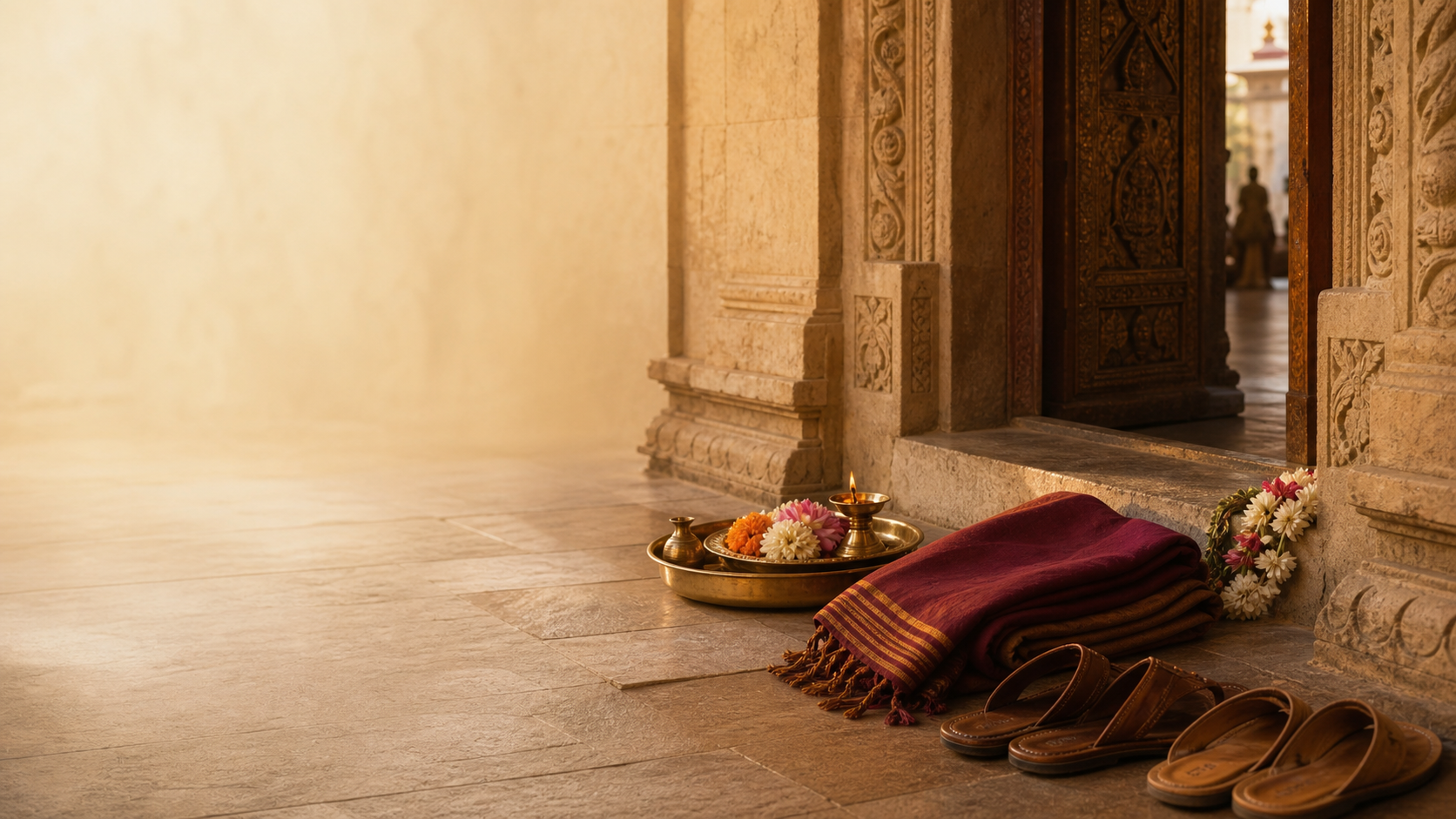
Visiting Ananda Temple, part of the UNESCO World Heritage site, requires adherence to specific guidelines to maintain its sacred atmosphere. Modest dress, covering shoulders and knees, is required. Shoes must be removed before entering the main sanctum. The best time to visit is from November to February, avoiding the hottest months. A typical visit duration is 2-3 hours, allowing ample time to explore its architecture and spiritual spaces.
Dress Code and Etiquette
Visitors must wear modest clothing, ensuring shoulders and knees are covered, and remove shoes before entering the main sanctum as a sign of respect.
Optimal Visiting Times
The period from November to February is recommended for visits, offering the most comfortable weather conditions for exploration.
Duration and Immersion
Allocating 2-3 hours allows visitors to fully appreciate the temple's intricate details, serene courtyards, and spiritual ambiance.
Ananda's Place in Global Heritage
Ananda Temple is recognized as a UNESCO World Heritage site as part of the Bagan Archaeological Zone, affirming its exceptional universal value. This designation highlights its enduring significance as a testament to ancient Burmese artistry and profound religious devotion. The temple's preservation and restoration efforts, including those post-1975 and the gilding of spires in 1990, underscore its global importance and the commitment to maintaining its historical integrity for future generations.
UNESCO Recognition
As part of the Bagan Archaeological Zone, Ananda Temple holds UNESCO World Heritage status, acknowledging its outstanding cultural and historical value.
Artistic and Religious Beacon
The temple stands as a global symbol of ancient Burmese artistry and the deep-rooted Theravada Buddhist devotion of the Pagan Dynasty.
Preservation Efforts
Significant restoration efforts post-1975 and the gilding of its spires in 1990 demonstrate ongoing commitment to its conservation.
| Deity | Buddha |
|---|---|
| Form | The main deity is represented by four colossal standing Buddha statues: Kassapa, Kakusandha, Konagamana, and Gautama. Each Buddha faces a cardinal direction and is depicted in distinct mudras. |
| Consort | Unknown |
| Sampradaya | Theravada Buddhism |
| Significance | These four Buddhas symbolize the omnipresence of the enlightened one across space and time. Unique iconographic details include the east-facing Konagamana Buddha holding a nutlike herb, and the south-facing Kassapa Buddha whose expression shifts from sad to joyful depending on the viewing distance. |
The Himalayan Vision and the King's Folly
Eight revered monks, returning from the distant Himalayas, brought tales of the sacred Nandamula Cave to King Kyansittha of Bagan. Their vivid, meditation-inspired descriptions of its cool, serene atmosphere captivated the king, who saw himself not just as a monarch, but as a bodhisattva, a cakkavattin, and even an incarnation of Vishnu, destined to bring enlightenment to his people. Inspired by their psychic re-enactment, he resolved to build a temple that would mirror this divine sanctuary on the arid plains of Bagan. The magnificent Ananda Temple rose, a marvel of architecture, its interiors miraculously cool, just as the monks had described. However, in a tragic twist of fate, the king, consumed by a desire to preserve its unique perfection, ordered the execution of the very monks who had inspired its creation, ensuring that such a wonder could exist only in his kingdom.
The Ananda Temple is considered the largest and most perfectly dimensioned temple of the Early–Middle Bagan transition period.
Its four colossal standing Buddha statues, each facing a cardinal direction, make Ananda a veritable museum of stones.
Related temples: Abeyadana Temple | Ajanta Caves
🗺 How to Reach
Hover a card to animate the journey on the map
Route to လယ်ယား
Common Questions
Where is Ananda Temple: Divine Bagan's Mystical Abode in Maharashtra located?
Ananda Temple: Divine Bagan's Mystical Abode in Maharashtra is documented at Unknown.
Which deity is associated with Ananda Temple: Divine Bagan's Mystical Abode in Maharashtra?
Ananda Temple: Divine Bagan's Mystical Abode in Maharashtra is associated with Buddha.
Related Temples


A Living Covenant