A complete pilgrim record drawn from the existing published article data.
Architectural Marvels: A Glimpse into Chola Temple Design
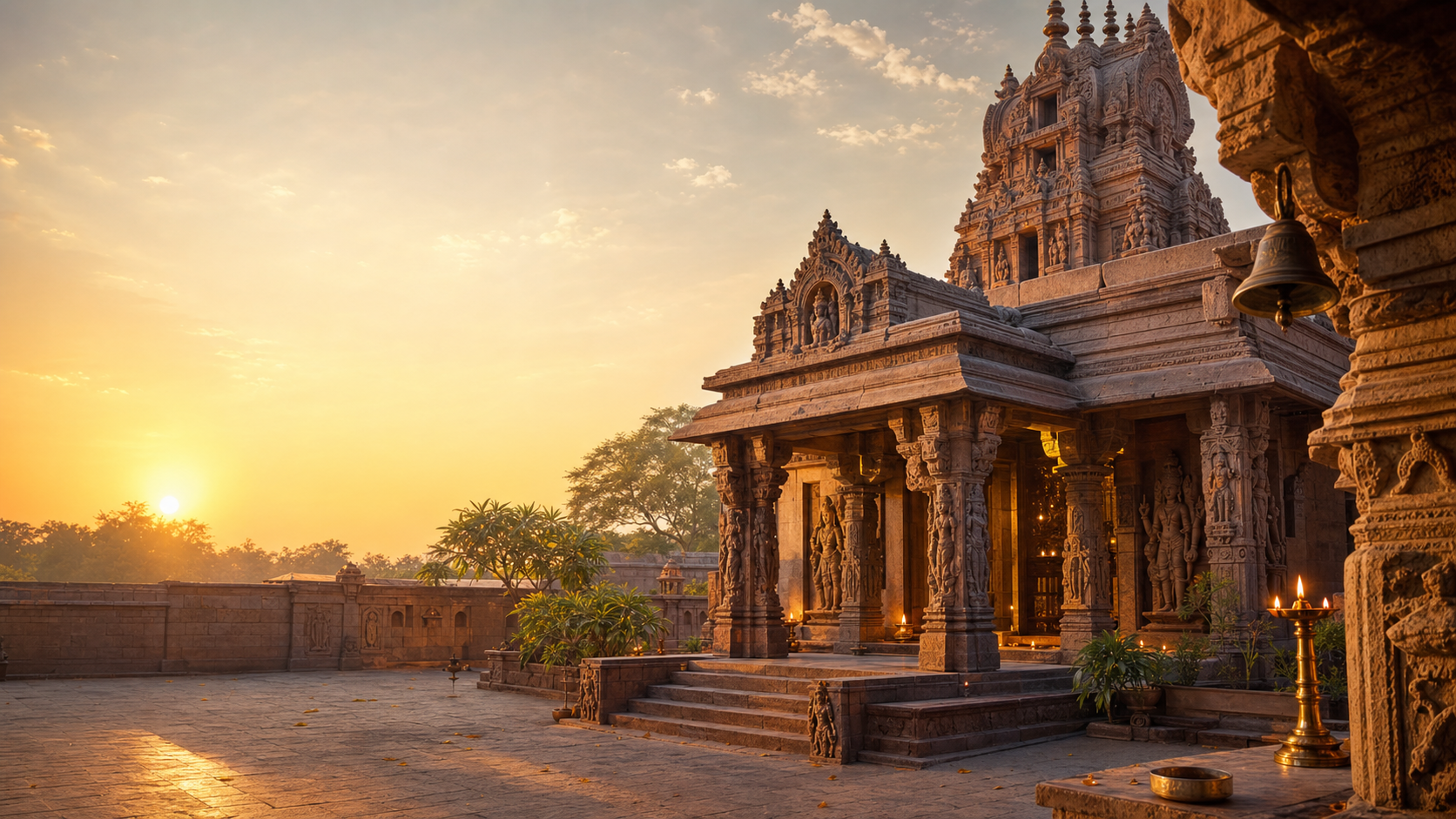
The temple's architecture showcases classic Chola characteristics, featuring intricate carvings, robust granite structures, and a layout designed to facilitate spiritual contemplation, reflecting the artistic and engineering brilliance of its builders. The Dravidian style is evident in every aspect, from the vimana to the mandapas, creating a harmonious sacred space.
Dravidian Style Elements
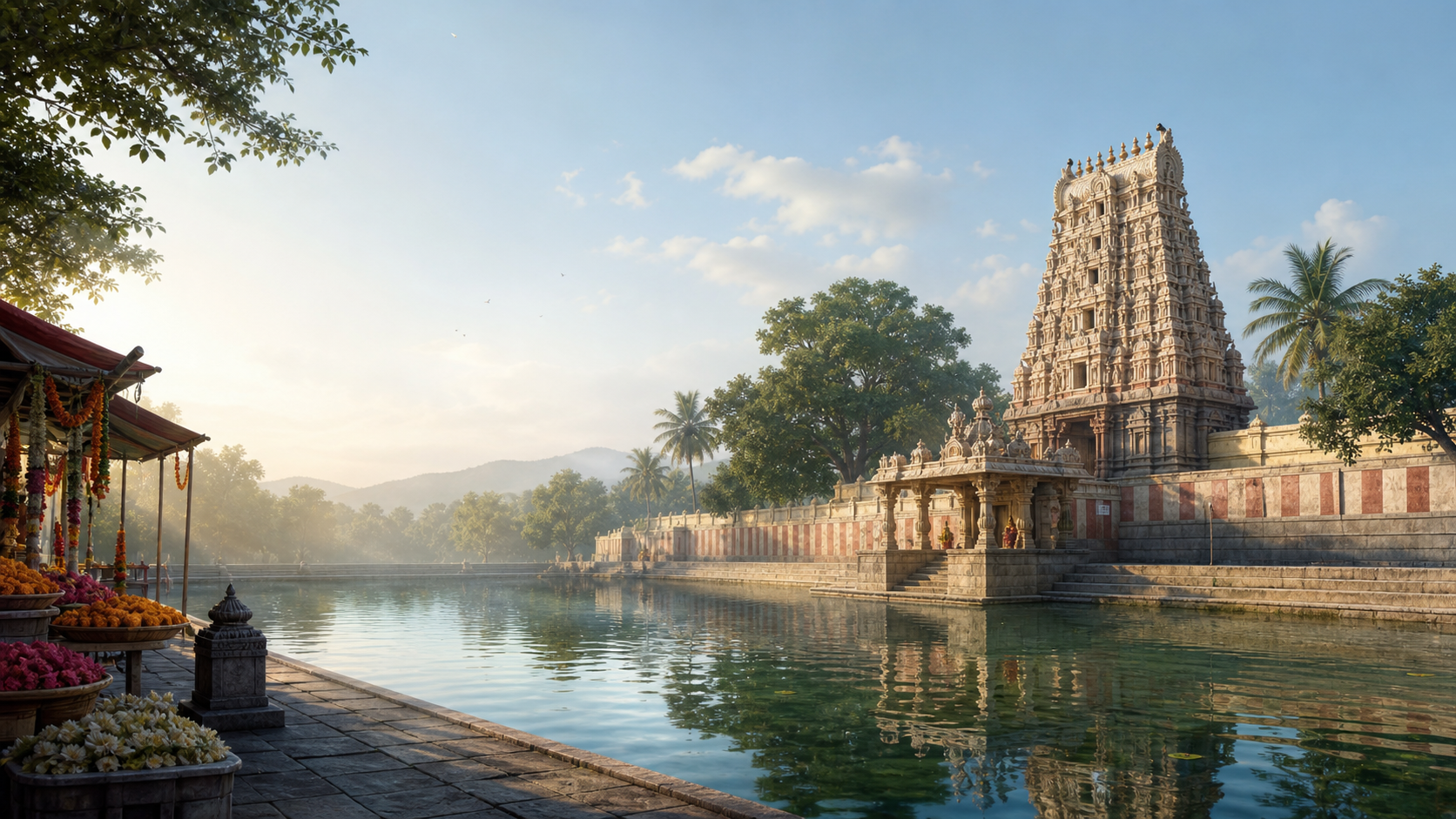
The architecture adheres to the Dravidian style, characterized by its pyramidal tower (vimana), pillared halls (mandapas), and elaborate sculptures that narrate mythological tales and divine forms.
Material and Construction
Constructed primarily from granite, the temple stands as a testament to the durability and craftsmanship of the Chola period, with subsequent reconstructions by Nattukottai Nagarathars maintaining its original grandeur.
Layout and Spiritual Design
The temple's layout is meticulously planned, guiding devotees through various sacred spaces towards the sanctum sanctorum, fostering an environment conducive to meditation and spiritual connection.
Lord Shiva as Parvatheeswarar: Legends and Devotion
Dedicated to Lord Shiva, known here as Parvatheeswarar, the temple is a focal point for numerous local legends and mythological tales that highlight the deity's benevolent and powerful aspects, drawing devotees seeking spiritual solace. These stories often explain the temple's unique names and the significance of its various shrines.
Deity's Name and Form
The presiding deity, Lord Shiva, is worshipped as Parvatheeswarar, signifying his consort Parvati. He is also known as Baskaralingam, linking him to the legend of Surya regaining his radiance.
The Sun's Radiance Restored
According to legend, Lord Surya, having lost his brightness, performed severe penance here, worshipping Shiva. Pleased, Shiva restored Surya's effulgence, earning him the name Baskaralingam and the temple the name Baskara Sthalam.
Shiva, The Divine Farmer
Another tale recounts Shiva appearing as a farmer to a Chola king during a drought, sowing paddy seeds to revitalize the land. This act of 'sowing' (theli) gave the town its name, Thiruthelicheri, commemorating divine intervention.
Experiencing the Divine: A Visitor's Guide to Tiruttelicheri
For pilgrims and tourists alike, visiting the Tiruttelicheri Parvatheeswarar Temple offers a unique opportunity to connect with ancient history and profound spirituality, with practical information ensuring a meaningful and respectful experience. The temple welcomes all who seek its sacred embrace, providing a glimpse into timeless traditions.
Best Time to Visit
The Panguni Uthiram festival (March-April) is ideal for witnessing the solar darshan. The cooler months of Margazhi (December-January) also offer a pleasant climate and temple music season.
Etiquette and Dress Code
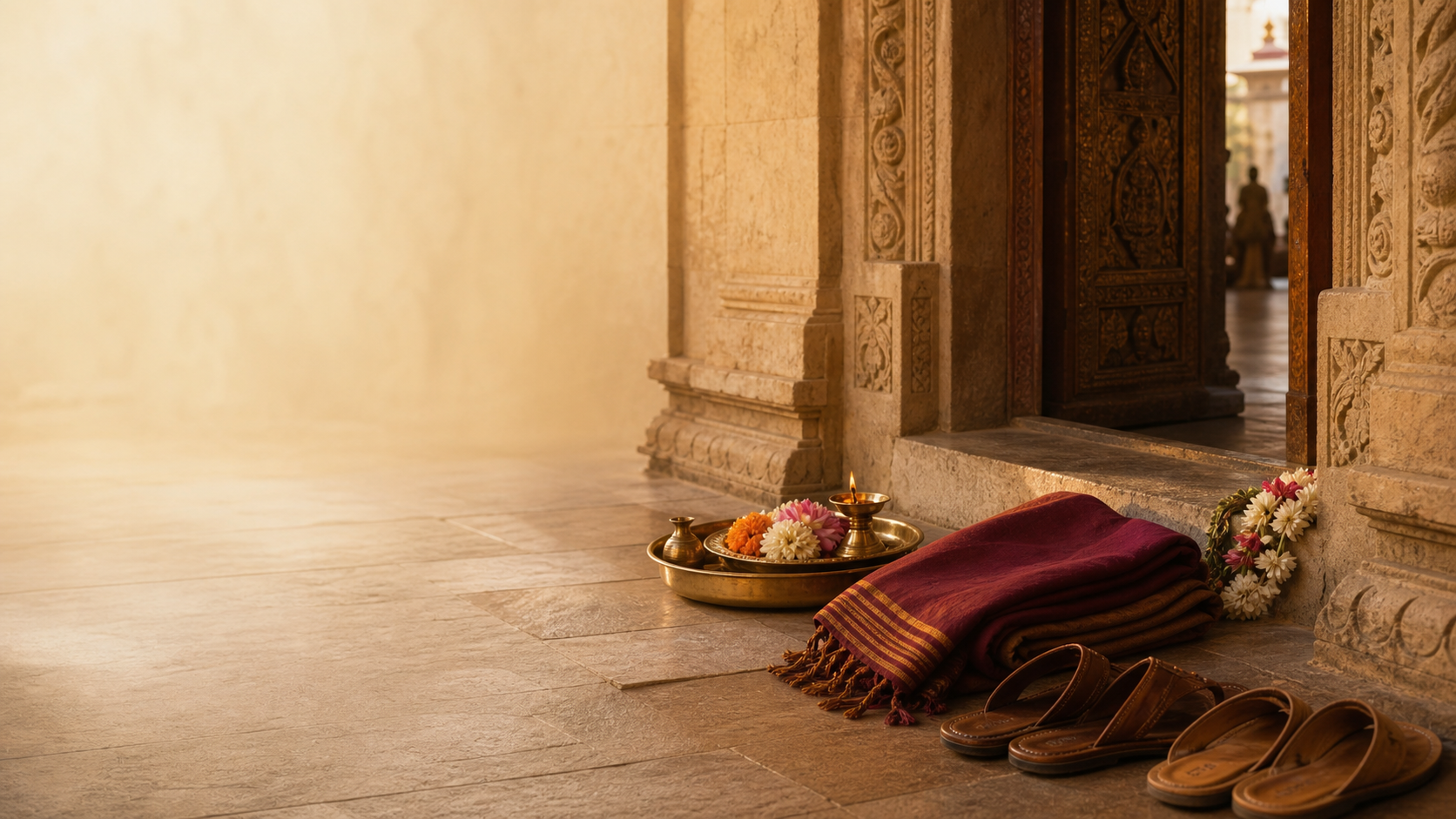
Visitors are encouraged to wear traditional attire as a mark of respect. Removing footwear before entering the temple premises is customary, ensuring reverence for the sacred space.
Accessibility and Transport
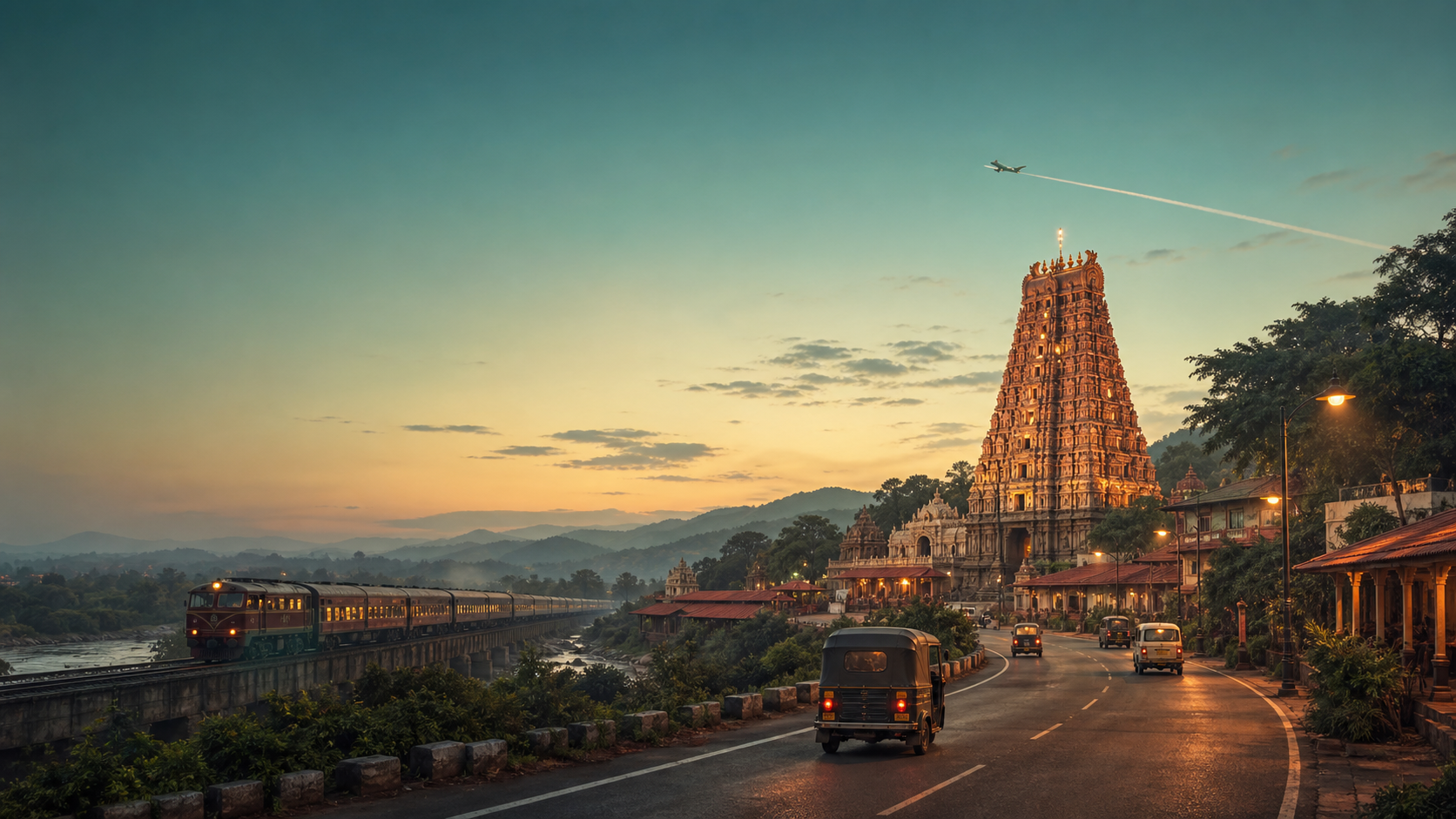
The temple is easily accessible within Karaikal city limits by local buses and auto-rickshaws from Karaikal Bus Stand and Railway Station. Tiruchirappalli International Airport is approximately 150 km away.
| Deity | Shiva (Parvatheeswarar) |
|---|---|
| Form | Shiva is worshipped here as Parvatheeswarar in Lingam form, also known as Sameevaneswarar, Mahalingam, Rajalingam, and Baskaralingam. |
| Consort | Parvathi Ammai |
| Sampradaya | Shaiva |
| Significance | The Lingam is uniquely worshipped as Mahalingam by Brahma, Rajalingam by Amaresan, and Baskaralingam by Surya, who regained his brightness after worshipping Shiva here. This temple is also revered as a Mukti Stalam and a Paadal Petra Sthalam. |
The Sun's Radiance Restored
In the ancient Krita Yuga, this sacred land was known as Brahma Vanam. It was here that Chaya Devi, the shadow-wife of Lord Surya, suffered from his neglect. Her father, angered by Surya's inattention, cursed him to lose his divine brightness. Desperate to regain his effulgence, Surya undertook severe penance at this very site, worshipping Lord Shiva with fervent devotion. Pleased by his unwavering faith, Shiva blessed Surya, restoring his lost radiance. This divine intervention earned Shiva the name Baskaralingam and the temple itself became known as Baskara Sthalam, a testament to the sun god's profound worship and Shiva's boundless grace.
Here, the Sun God worshipped Shiva, and his lost radiance was gloriously restored. A testament to divine grace.
From ancient hymns to Chola grandeur, this sacred ground whispers tales of devotion and miraculous intervention.
Related temples: Aakkoor Thanthondreeswarar Temple | Aayiram Kaliamman Temple
Tracing the Chola Heritage and Paadal Petra Significance
Built by the mighty Chola dynasty, the temple's history is deeply intertwined with the devotional hymns of the Nayanmars, earning its esteemed status as the 167th Paadal Petra Sthalam and a significant spiritual landmark south of the Kaveri. Its mention in ancient texts further solidifies its historical and religious importance.
Chola Dynasty's Influence
The temple underwent significant reconstruction during the Chola period, reflecting the dynasty's patronage of Shaivism and their contribution to temple architecture, making it a prime example of their building style.
Paadal Petra Sthalam Status
Glorified by Tirugnanasambandar in his Tevaram hymns, Tiruttelicheri Parvatheeswarar Temple is revered as the 167th of the 275 Paadal Petra Sthalams, holding a special place in Shaiva tradition.
References in Ancient Texts
Beyond the Tevaram, the temple's historical narrative is further enriched by its reference in Sekkizhar's Periyapuranam, a 12th-century CE Tamil epic, affirming its long-standing sanctity.
Tiruttelicheri Parvatheeswarar Temple: A Sacred Chola Legacy
The Tiruttelicheri Parvatheeswarar Temple, nestled in Karaikal, Puducherry, stands as a profound testament to Chola architectural prowess and Shaivite devotion. Revered as one of the 275 Paadal Petra Sthalams, this ancient shrine dedicated to Lord Shiva showcases a rich history, with its origins predating the 7th century CE and significant reconstruction during the Chola period. It continues to be a vital spiritual center.
Location and Significance
Situated in Karaikal, Puducherry, the temple is recognized as a Paadal Petra Sthalam, signifying its glorification in the devotional hymns of the Nayanmars, particularly Tirugnanasambandar.
Historical Roots
The original temple existed before the 7th century CE, undergoing reconstruction during the Chola period (9th-13th century CE) and later completely rebuilt by the Nattukottai Nagarathars, preserving its ancient heritage.
Architectural Style
The temple exemplifies the Dravidian style of architecture, characterized by its robust granite construction, intricate carvings, and a layout conducive to spiritual contemplation and worship.
Modern Pilgrimage
The Tiruttelicheri Parvatheeswarar Temple, while steeped in ancient history and architectural grandeur, continues to be a vibrant center for modern pilgrimage, attracting devotees from across India and international visitors alike. Its strategic location within the Union Territory of Puducherry, renowned for its unique blend of French colonial heritage and deep spiritual roots, makes it an accessible and appealing destination. Pilgrims often integrate their visit to this revered Shiva temple with explorations of other significant spiritual and cultural landmarks scattered throughout the region. Modern transportation networks, including well-maintained roads and proximity to major railway stations and airports, ensure that reaching the temple is relatively straightforward. Facilities for devotees, though traditional in essence, have gradually adapted to contemporary needs, offering basic amenities like parking, restrooms, and information points, thereby enhancing the overall visitor experience while diligently preserving the temple's sanctity.
The rhythm of modern pilgrimage at Tiruttelicheri Parvatheeswarar Temple is profoundly marked by daily pujas and special rituals, meticulously performed by the temple priests, which consistently draw a steady stream of devotees seeking blessings and spiritual solace. Major festivals, particularly Maha Shivaratri, Karthigai Deepam, and the annual Brahmotsavam, transform the temple into a bustling hub of fervent devotion, featuring elaborate processions, traditional cultural performances, and community feasts. These significant events not only reinforce ancient religious traditions but also serve as vital cultural gatherings, fostering a strong sense of community among the local populace and visiting pilgrims. Beyond its ritualistic functions, the temple also plays an active role in local social life, frequently hosting spiritual discourses, educational programs, and charitable activities, ensuring its continued relevance as a profound spiritual anchor in the rapidly evolving landscape of Puducherry.
🗺 How to Reach
Hover a card to animate the journey on the map
Route to Karaikal
Common Questions
Where is Tiruttelicheri Parvatheeswarar: Karaikal's Ancient Shiva Shrine located?
Tiruttelicheri Parvatheeswarar: Karaikal's Ancient Shiva Shrine is documented at Karaikal, Puducherry.
Which deity is associated with Tiruttelicheri Parvatheeswarar: Karaikal's Ancient Shiva Shrine?
Tiruttelicheri Parvatheeswarar: Karaikal's Ancient Shiva Shrine is associated with Shiva.
Related Temples


A Living Covenant