




A complete pilgrim record drawn from the existing published article data.
A Journey Through Time: The History of Punjab's Temples
The historical trajectory of temple construction in Punjab is a fascinating chronicle of successive eras and cultural shifts. Early temple forms, often simple and less documented, laid the groundwork for more complex structures. Over centuries, various regional dynasties and religious movements left their indelible mark, shaping designs and purposes. Periods of significant cultural exchange and political change, including interactions with different empires, influenced architectural styles, leading to both periods of flourishing construction and, at times, adaptation or reconstruction. This continuous evolution has resulted in a diverse collection of temple architecture, each structure telling a story of resilience and enduring spiritual practice.
Ancient Origins
The earliest temples in Punjab hint at a long-standing tradition of devotional architecture, often predating detailed historical records and reflecting nascent spiritual practices.
Dynastic Influences
Successive ruling dynasties significantly impacted temple design and construction, with each era introducing new architectural trends and patronage.
Periods of Change and Revival
The region's history of invasions and cultural shifts led to cycles of destruction, adaptation, and revival in temple building, showcasing resilience and continuity of faith.
Unveiling the Architectural Marvels of Punjab
Punjab's temple architecture is a testament to its rich cultural tapestry, showcasing a unique blend of regional styles and profound spiritual significance. These structures, ranging from ancient shrines to more elaborate medieval constructions, reflect centuries of evolving artistic traditions and devotional practices. They incorporate indigenous Punjabi aesthetics alongside influences from neighboring regions like Kashmir, Rajasthan, and the Gangetic plains, creating a distinct visual language. Each temple stands not just as a building but as a sacred space, embodying deep spiritual narratives and community devotion, often utilizing local materials and craftsmanship to achieve their characteristic forms and intricate details.
A Fusion of Styles
The temples exhibit a remarkable synthesis of architectural elements, drawing from diverse historical and geographical influences while maintaining a unique Punjabi identity.
Spiritual Foundations
Beyond their physical form, these temples serve as vital centers of spiritual life, deeply embedded in the religious practices and beliefs of the local communities.
Regional Distinctiveness
Local materials and craftsmanship contribute significantly to the unique character of Punjab's temples, distinguishing them from those found in other Indian states.
Beyond Bricks and Mortar: Faith and Iconography in Punjab
The temples of Punjab are vibrant centers of faith, embodying the spiritual beliefs and devotional practices of the region. While the specific deities revered can vary, many temples are dedicated to various manifestations of Shiva, Vishnu, and Devi, reflecting a broad Hindu pantheon. Iconography within these sacred spaces often depicts rich mythological narratives drawn from epic texts like the Ramayana and Mahabharata, as well as Puranic tales, serving to convey moral and spiritual lessons. Daily rituals, aarti ceremonies, and numerous festivals animate these sites, drawing devotees for prayer, contemplation, and community gatherings, sustaining a living tradition of worship.
Pantheon and Worship
Temples in Punjab venerate a diverse pantheon, with prominent worship dedicated to deities such as Shiva, Vishnu, and various forms of the Goddess Devi.
Mythological Narratives
The walls and sculptures frequently illustrate stories from Hindu epics and Puranas, serving as visual sermons for devotees.
Living Traditions
Beyond their static structures, these temples are dynamic spaces where daily rituals, festivals, and community prayers perpetuate ancient religious practices.
Embarking on a Pilgrimage: A Visitor's Guide to Punjab's Temples
A visit to Punjab's temples offers a profound cultural and spiritual journey. Accessibility varies, with major sites often well-connected by road, while some remote temples may require local transport. Visitors are encouraged to observe local customs, such as removing footwear before entering the sanctum and dressing modestly, typically in traditional attire. Respectful engagement with devotees and temple staff is paramount to a meaningful experience. The best time to visit is generally during the cooler months, from October to March, to avoid extreme heat. Planning a route that combines historical and active worship sites can enrich the journey, allowing for a deeper appreciation of Punjab's spiritual heritage.
Etiquette and Customs
Visitors should adhere to local customs, including modest dress and removing footwear before entering temple premises, to show respect.
Planning Your Visit
The ideal time to visit is between October and March for pleasant weather; check accessibility for remote sites and plan transport accordingly.
Engaging with the Sacred
Approach these sacred spaces with reverence, observing local practices and engaging respectfully with the spiritual environment and its devotees.
| Deity | Unknown |
|---|---|
| Form | Unknown |
| Consort | Unknown |
| Sampradaya | Other |
| Significance | The architectural styles reflect the diverse spiritual traditions and historical influences of Punjab. |
The Enduring Spirit of Punjab's Temples
Across the fertile plains of Punjab, temples stand as silent witnesses to centuries of devotion and artistic endeavor. Though specific builders and eras often remain shrouded in time, each stone and carving tells a tale of faith. From ancient shrines reflecting early Indian architectural forms to later structures blending diverse cultural influences, these temples embody the resilience and spiritual depth of the region. They are not merely buildings, but living testaments to the continuous human quest for the divine, crafted by countless hands driven by a shared reverence for the sacred.
Architecture is the will of an epoch translated into space, a timeless expression of human devotion.
Every stone tells a story of enduring faith and the rich cultural tapestry of Punjab.
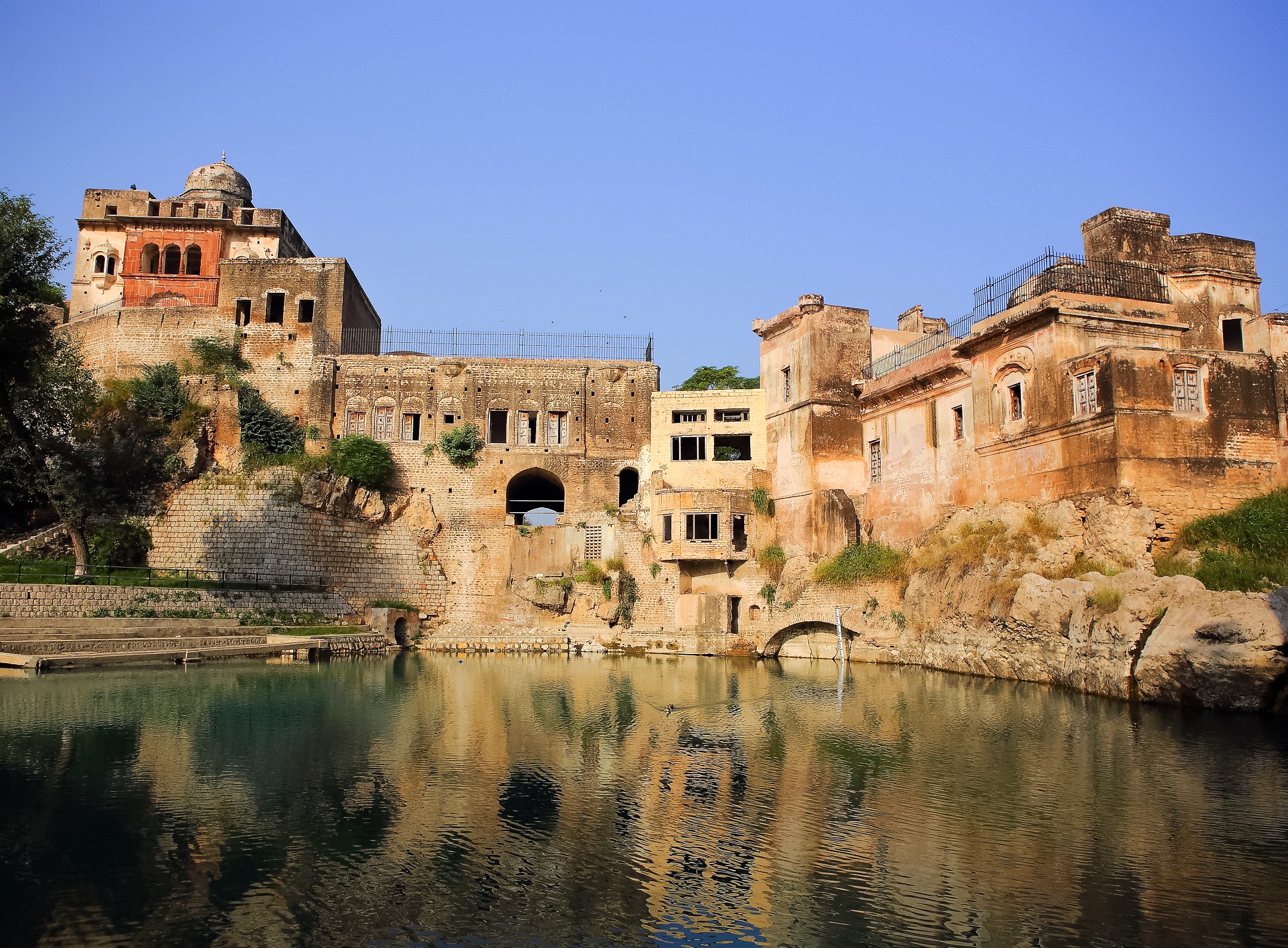
Related temples: Katas Raj Temples | Krishna Temple, Rawalpindi
Decoding the Designs: Key Architectural Elements
Punjab's temples are characterized by distinctive architectural elements that contribute to their unique regional identity. Construction materials commonly include brick, stone, and sometimes wood, often sourced locally. Structural features frequently incorporate various forms of shikhara (spires) or flat-roofed designs, depending on the specific style and period. Decorative motifs are rich and varied, encompassing intricate floral patterns, geometric designs, and detailed carvings of mythological figures and divine iconography. Pillars, elaborate doorways, and the central sanctum (garbhagriha) often showcase unique regional adaptations, blending functionality with profound symbolic meaning and artistic expression.
Materials and Structures
Local availability of brick, stone, and wood dictated construction, leading to characteristic structural forms like shikharas or flat-roofed prayer halls.
Decorative Artistry
Intricate carvings, murals, and detailed motifs adorn these temples, depicting mythological scenes, deities, and geometric patterns.
Regional Adaptations
Specific architectural styles evolved locally, resulting in unique adaptations of common temple elements, reflecting regional aesthetics and building traditions.
Cultural Impact
Temples in Punjab are not merely structures of worship; they are vibrant repositories of the region's cultural heritage, deeply influencing local art, music, and social customs. Their architectural styles, often a blend of indigenous Punjabi elements with broader Indian and sometimes even Mughal influences, have inspired generations of artisans. From the intricate frescoes depicting mythological narratives to the detailed carvings adorning doorways and pillars, these temples serve as open-air museums of traditional craftsmanship. The devotional music (kirtan) performed within their precincts often draws from classical ragas, enriching the auditory landscape of the region. Furthermore, temple festivals and melas, intrinsically linked to the temple calendar, become focal points for community gatherings, trade, and the perpetuation of folk traditions, demonstrating their pervasive influence beyond religious rites.
Beyond aesthetics and rituals, the temples of Punjab play a crucial role in shaping community identity and fostering social cohesion. They often serve as centers for charitable activities, education, and social welfare, embodying the spirit of 'seva' (selfless service) that is central to many local traditions. For centuries, these sacred spaces have been gathering points where people from diverse backgrounds converge, sharing stories, traditions, and a sense of collective belonging. The architectural grandeur and historical significance of these temples instill a sense of pride among Punjabis, connecting them to a rich past and a vibrant present. They stand as enduring symbols of resilience, faith, and the unique cultural tapestry that defines Punjab, continually adapting and evolving while preserving their foundational role in the community's life.
🗺 How to Reach
Hover a card to animate the journey on the map
Route to Temple
Related Temples


A Living Covenant