



A complete pilgrim record drawn from the existing published article data.
The Ancient Origins and Enduring Spirit of Takthok
Founded in the 16th century, Takthok Monastery holds a unique position as the only Nyingma monastery in Ladakh. This lineage, the Nyingma school of Tibetan Buddhism, preserves ancient traditions directly linked to Guru Padmasambhava, who is believed to have meditated in the very caves where the monastery now stands. Its establishment marked a significant period for Buddhist propagation in the region, ensuring the continuation of a rich spiritual heritage through generations of monks and practitioners. The monastery's enduring spirit lies in its commitment to these foundational teachings.
Nyingma Lineage in Ladakh
As Ladakh's sole Nyingma institution, Takthok plays a crucial role in maintaining this specific school of Tibetan Buddhism.
Padmasambhava's Legacy
The monastery's origins are deeply intertwined with Guru Padmasambhava, whose presence is central to its sacred narrative and spiritual practices.
Carved into the Mountains: The Unique Architecture of Takthok
Takthok's distinctive architecture is a marvel, with its main temple and assembly hall built directly into natural caves. This extraordinary blend of natural landscape and human devotion showcases an organic integration rarely seen. The walls of the caves themselves form integral parts of the monastic structures, providing a cool, stable environment and an unparalleled sense of ancient sanctity. This architectural style not only protects the sacred spaces but also symbolizes the deep reverence for nature inherent in Buddhist philosophy, creating a truly immersive spiritual setting.
Natural Caves as Sacred Spaces
The primary prayer halls and shrines are housed within pre-existing caves, offering a unique and ancient ambiance for worship.
Architectural Symbiosis
The construction seamlessly merges with the mountainous terrain, demonstrating a profound harmony between human endeavor and the natural environment.
Spiritual Heart: Buddha, Padmasambhava, and Nyingma Teachings
At the core of Takthok's spiritual life are the revered figures of Buddha and Guru Padmasambhava. The monastery is dedicated to the teachings of Buddha, which form the foundation of all Buddhist schools. Additionally, it strongly upholds the Nyingma tradition, emphasizing the teachings and legends of Guru Padmasambhava, also known as Guru Rinpoche, who is credited with bringing Buddhism to Tibet. His image and stories are deeply embedded in the monastery's sacred spaces and practices, guiding the spiritual path of its resident monks and devotees.
The Reverence for Buddha
Buddha's teachings are central to the monastery's philosophy, guiding all aspects of its spiritual life and practices.
Guru Padmasambhava's Influence
As a Nyingma monastery, Takthok holds Guru Padmasambhava in high esteem, with his legends and teachings forming a significant part of its spiritual identity.
Planning Your Visit to Takthok: A Journey to a Sacred Cave
Visiting Takthok Monastery offers an immersive experience into Ladakhi Buddhist culture. Located approximately 50-60 km from Leh, it requires preparation for its remote mountainous environment. The best time to visit is from May to October. Visitors should wear modest clothing, covering shoulders and knees, and remove footwear before entering prayer halls. The monastery is generally open from 7:00 AM to 1:00 PM and 2:00 PM to 6:00 PM, with an approximate entry fee of INR 30-50. A visit typically lasts 1-2 hours, allowing ample time for exploration and reflection.
Getting There
Takthok is accessible by road from Leh, approximately a 1.5-2 hour drive. Shared taxis or private cabs are available from Leh, with parking on-site.
Respectful Exploration
Modest dress is required, and visitors should remove shoes when entering sacred areas. Photography rules may apply, and silence is appreciated in prayer halls.
Visitor Information
The monastery typically operates from 7:00 AM to 6:00 PM with a midday break. An entry fee is usually charged. The best season for a visit is during the warmer months.
| Deity | Buddha |
|---|---|
| Form | Often depicted in human form, seated in meditation or teaching postures, with various mudras (hand gestures) symbolizing different aspects of his enlightenment. |
| Consort | Unknown |
| Sampradaya | Buddhist |
| Significance | The enlightened one, Siddhartha Gautama, who founded Buddhism and taught the path to liberation from suffering through the Four Noble Truths and the Eightfold Path. |
The Whispering Caves of Takthok
Legend whispers that the sacred site of Takthok Monastery was once a secluded meditation cave, blessed by the presence of a great yogi. It is said that Guru Rinpoche himself, Padmasambhava, meditated here, leaving an imprint of his wisdom in the very rock. Later, a devoted lama, seeking ultimate truth, discovered the cave. As he meditated, the rocks around him seemed to echo ancient chants, and he saw visions of the Buddha's teachings unfolding. Inspired, he established the monastery, believing the site to be a direct conduit to enlightenment, where the very stones held the spirit of profound meditation.
Do not dwell in the past, do not dream of the future, concentrate the mind on the present moment.
Buddha
The mind is everything. What you think you become.
Buddha
Related temples: Ajanta Caves | Articles on Early and Later Western Indian Caves [Part 1
Discovering Takthok Monastery: Ladakh's Unique Cave Sanctuary
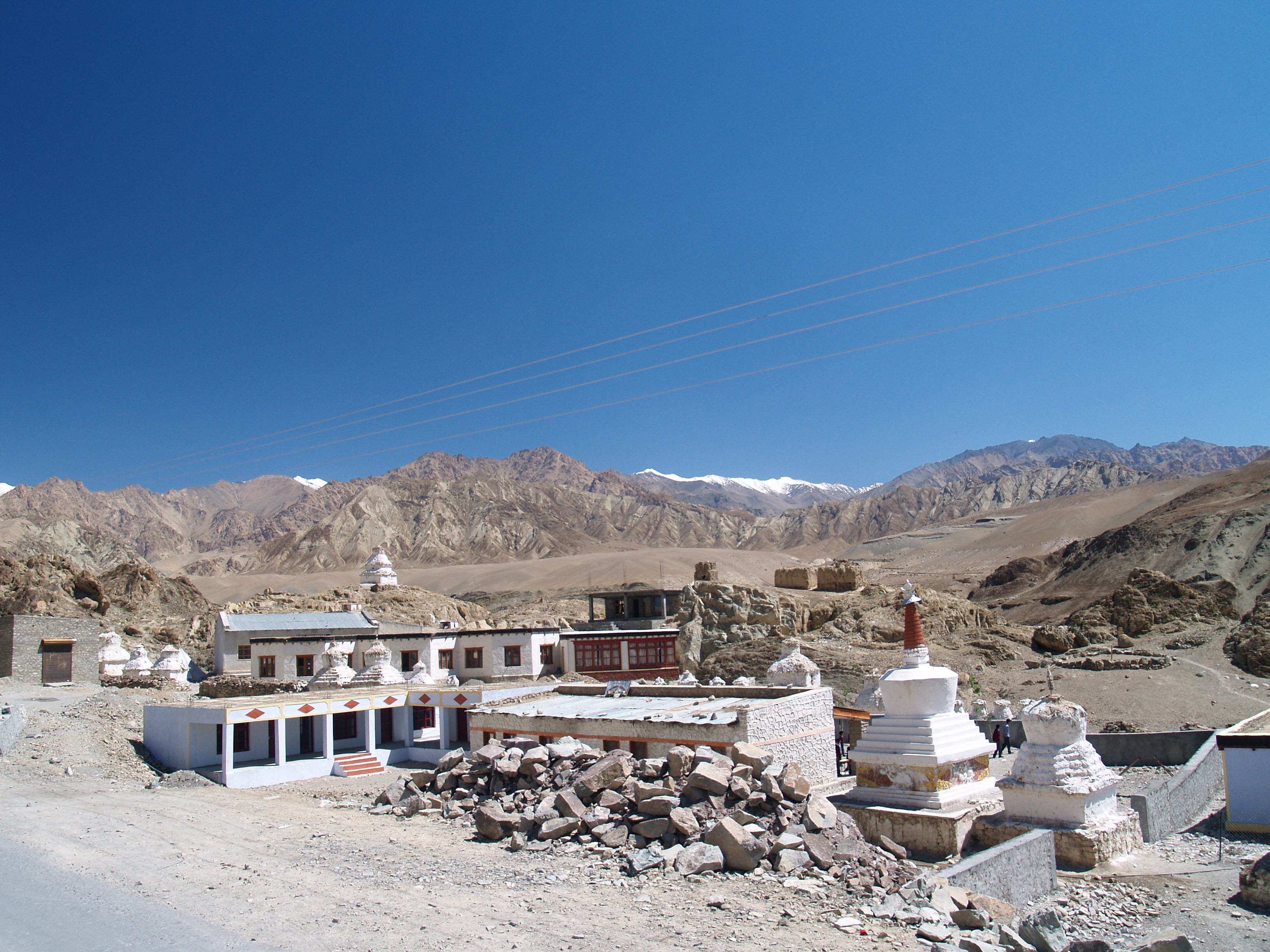
Takthok Monastery, nestled in the mountainous terrain of Ladakh, stands as a remarkable and ancient Buddhist site. Its distinctive feature is that much of its structure is carved directly into the natural rock formations, offering a profound glimpse into the region's spiritual heritage. This unique integration with its environment makes Takthok a significant destination, embodying centuries of devotion and architectural ingenuity. It represents a living testament to the enduring Buddhist traditions in the remote Himalayan landscape, attracting visitors seeking both spiritual solace and cultural immersion.
A Glimpse into Ladakhi Spirituality
The monastery provides an authentic window into the spiritual practices and daily life of Ladakhi Buddhism, preserving ancient rituals and teachings.
The Cave Monastery's Allure
Its unique construction within natural caves sets Takthok apart from other monasteries, creating an atmosphere of deep reverence and historical significance.
Restoration & Conservation
Takthok Monastery, with its ancient structures carved into and built around caves, presents unique challenges for restoration and conservation. The primary materials—mud, stone, and timber—are susceptible to the extreme weather conditions of Ladakh, including harsh winters, heavy snowfall, and significant temperature fluctuations. Over centuries, these elements have led to natural degradation, requiring continuous maintenance. Efforts by the resident monastic community are crucial, often involving traditional building techniques passed down through generations to repair walls, reinforce cave dwellings, and protect intricate frescoes. These ongoing endeavors aim to preserve the monastery's structural integrity while respecting its historical authenticity and unique architectural style, which blends natural cave formations with man-made additions. Modern conservation initiatives at Takthok often involve a delicate balance between traditional methods and contemporary scientific approaches. Organizations and experts sometimes collaborate with local monks to assess structural weaknesses, stabilize fragile cave paintings, and implement drainage solutions to prevent water damage. Sourcing appropriate local materials that match the original construction is vital, as is training local artisans in specialized restoration techniques. The increasing number of visitors also adds to the wear and tear, necessitating careful management of public access points and environmental controls. These concerted efforts are not merely about preserving buildings; they are about safeguarding a living heritage, ensuring that Takthok's spiritual and cultural significance endures for future generations of practitioners and visitors alike.🗺 How to Reach
Hover a card to animate the journey on the map
Route to Sakti Tukchu
Related Temples


A Living Covenant