




A complete pilgrim record drawn from the existing published article data.
Beyond the Festivities: Exploring Punjab's Spiritual Landscape
Beyond the vibrant festivals, Punjab offers a deeper spiritual and cultural journey. Explore other sacred sites and historical landmarks to grasp the region's diverse heritage and profound spiritual tapestry.
Sikh Gurdwaras
Visit revered Sikh Gurdwaras such as Sri Harmandir Sahib (Golden Temple) in Amritsar or Tarn Taran Sahib, known for their architectural grandeur and spiritual significance in Sikhism.
Sufi Shrines
Discover the tranquility of Sufi shrines like Data Darbar in Lahore or Baba Farid's shrine in Pakpattan, centers of devotion and cultural confluence that attract devotees of all faiths.
| Deity | Unknown |
|---|---|
| Form | Unknown |
| Consort | Unknown |
| Sampradaya | Other |
| Significance | The temples in Punjab are significant as centers of devotion and cultural heritage, hosting numerous festivals that bring communities together. |
The Enduring Spirit of Punjab's Temple Festivals
While specific mythological tales vary from temple to temple across Punjab, the overarching narrative is one of unwavering devotion and communal celebration. During festivals like Diwali, Holi, and Janmashtami, these sacred spaces transform into vibrant hubs of activity. Devotees gather to offer prayers, sing bhajans, and participate in rituals that have been passed down through generations. These festivities are not just religious observances but also powerful expressions of cultural identity, fostering unity and joy among the diverse communities of Punjab. Each festival tells a story of faith, tradition, and the enduring spiritual heart of the region.
In Punjab's sacred spaces, every festival is a vibrant tapestry woven with devotion, music, and the shared joy of community.
The echoes of ancient prayers and the laughter of pilgrims fill the air, making every temple visit a timeless experience.
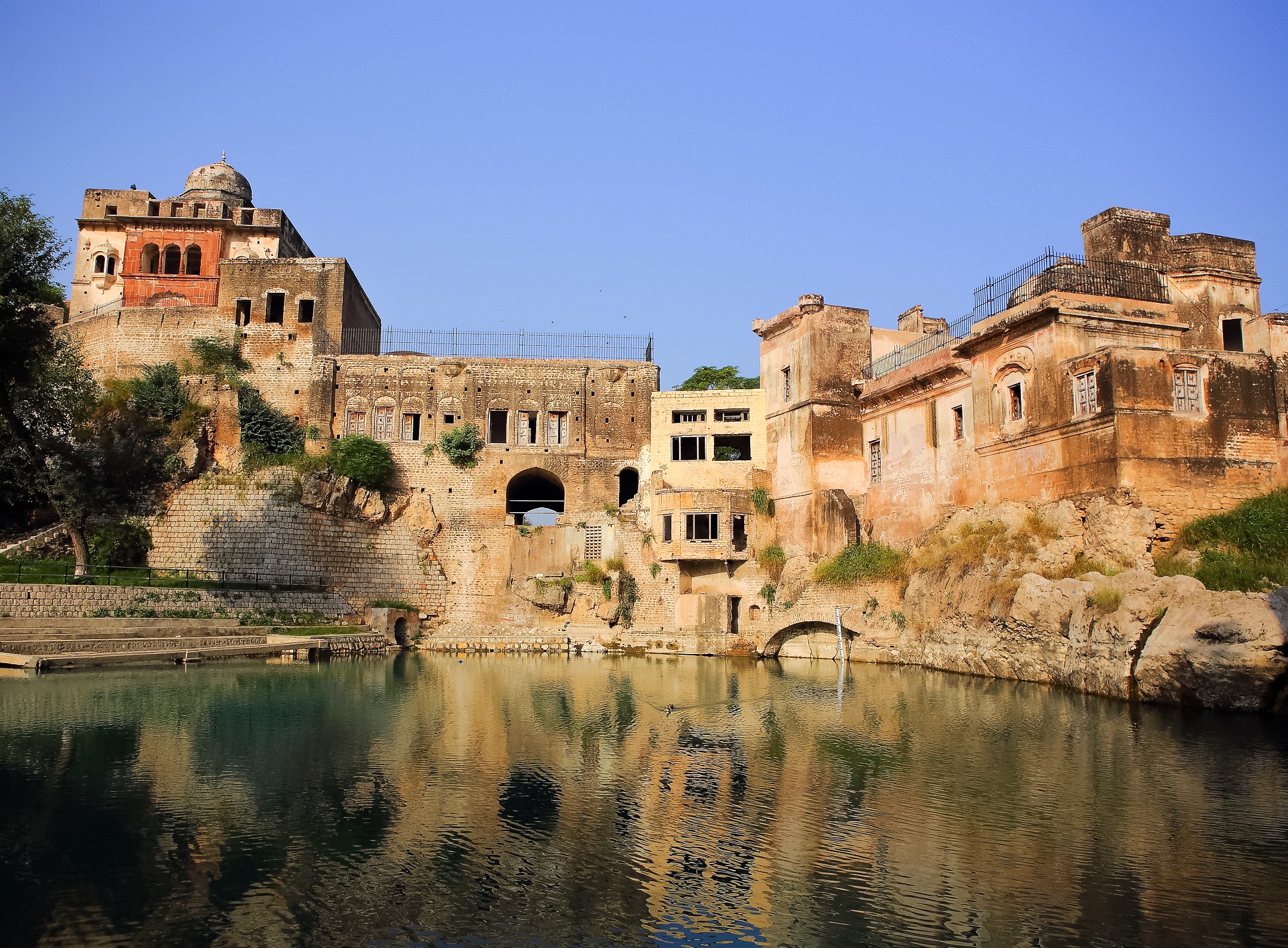
Related temples: Katas Raj Temples | Krishna Temple, Rawalpindi
Experience the Spiritual Vibrancy: Sacred Festivals of Punjab Temples
Punjab temples host vibrant annual festivals, deeply rooted in local traditions. These celebrations draw devotees, showcasing the region's rich cultural and religious heritage. Marked by communal prayers, music, and rituals, they foster strong community and shared faith.
Devotional Practices
Festivals transform temples into hubs for large devotional gatherings. Participants engage in bhajans, kirtans, and aartis, creating profound spiritual energy through continuous worship.
Cultural & Community Role
Beyond rites, festivals are cultural events, showcasing traditional music and storytelling. Community involvement is central, with volunteers organizing events and preparing langar.
Planning Your Pilgrimage: A Practical Guide to Temple Visits
Planning your pilgrimage to Punjab's temples enhances the spiritual journey. The best time to visit is October to March. Most visits last 1-2 hours, with free entry. Temples are open 6:00 AM–12:30 PM and 4:00 PM–9:00 PM.
Getting There
Travel by bus from Lahore (70-80 km) or train to Kasur Junction (KSR, 20-30 km). Allama Iqbal International Airport (LHE, 80-90 km) serves air travelers. Driving via National Highway 5 (N-5) from Lahore takes 1.5-2 hours; parking is available.
Visitor Guidelines
Wear traditional attire. Remove footwear before entering the temple. These customs ensure a respectful experience.
The Heart of Devotion: Understanding Punjab's Temple Festivals
Punjab's temple festivals are vibrant expressions of deep spiritual devotion and rich cultural heritage. These sacred events transcend mere religious observances, acting as crucial platforms for community bonding and the celebration of shared beliefs. Through elaborate rituals, devotional music, traditional dances, and communal feasts, these festivals unite people, reinforcing the cultural identity and spiritual fabric of the region. They offer a profound glimpse into the enduring power of faith and the collective spirit that defines Punjab's religious landscape.
Community and Collective Worship
Temple festivals in Punjab are characterized by a strong sense of community. Devotees from diverse backgrounds gather to participate in collective prayers, hymns, and spiritual discourses. This communal worship strengthens social bonds, promotes harmony, and creates an atmosphere of shared devotion and belonging among participants.
Ritualistic Practices
Each festival is marked by specific ritualistic practices passed down through generations. These often include puja (worship), aarti (lamp ceremony), chanting of mantras, and offering of prasad (blessed food). Elaborate decorations, sacred fires, and symbolic acts are integral to these ceremonies, believed to invoke divine blessings.
Cultural Expression and Festivity
Beyond their religious core, Punjab's temple festivals are vibrant showcases of local culture. Traditional music, folk dances, and storytelling often accompany the religious ceremonies. Festive markets, communal kitchens (langar), and elaborate decorations transform temple premises into hubs of celebration, reflecting the region's rich artistic and culinary heritage.
A Calendar of Celebration: Key Festivals and Best Times to Visit
Punjab's temples are vibrant centers for sacred festivals, deeply rooted in religious traditions. These celebrations offer unique cultural insights, with exact dates varying annually by lunar calendar, marking significant periods of devotion.
Major Festivals
Key festivals include Diwali (autumn, lights, prayers), Holi (spring, colors, communal gatherings), and Baisakhi (spring, harvest, enthusiasm). These are central to temple life.
Best Time to Visit
October to March is ideal, offering pleasant weather. Temples are decorated, hosting special rituals, music, and communal meals. Early arrival is recommended to witness ceremonies and manage crowds.
Local Cuisine & Accommodation for Pilgrims
Visiting the sacred temples of Punjab during festivals offers a unique opportunity to immerse oneself in the region's rich culinary traditions. During these auspicious times, local vendors and community kitchens (langars, though more common in Gurdwaras, similar community feeding often occurs at temples) spring to life, offering a delightful array of Punjabi delicacies. Expect to savor traditional vegetarian dishes like *chole bhature*, *aloo paratha* with fresh butter, and various lentil preparations (*dal makhani*, *dal tadka*). Sweets such as *jalebi*, *gulab jamun*, and *pinni* are particularly popular, often distributed as *prasad* or enjoyed as celebratory treats. Exploring the local eateries and street food stalls around the temple precincts is an integral part of the festival experience, providing a true taste of Punjab's hospitality and vibrant flavors. For those planning an extended stay to participate fully in the temple festivals, accommodation options vary widely to suit different preferences and budgets. Many temples offer basic dormitory-style lodging or *dharamsalas* (pilgrim rest houses) which are often free or very low-cost, providing a communal and spiritually focused environment. For more comfort, nearby towns and cities offer a range of guesthouses, budget hotels, and even some mid-range to luxury hotels. It is highly advisable to book accommodation well in advance, especially when visiting during major festivals like Diwali, Holi, or specific temple-centric celebrations, as demand can be exceptionally high. Early planning ensures a comfortable and hassle-free pilgrimage experience.🗺 How to Reach
Hover a card to animate the journey on the map
Route to Temple
Related Temples


A Living Covenant