A complete pilgrim record drawn from the existing published article data.
High in the remote Himalayan landscapes, where the air is thin and the silence speaks volumes, lies the legacy of the Old Ghoom Monastery, known today as Yiga Choeling. This sanctuary is more than just stone and mortar; it is a living repository of Tibetan Buddhist philosophy, a place where centuries of spiritual devotion have shaped the very contours of the mountains.
Deity Profile
Maitreya Buddha is the presiding deity worshipped at this temple.
- Main Deity: Maitreya Buddha
- Form: Standing or seated future Buddha, symbolizing compassion and future enlightenment
- Tradition: Vajrayana Buddhism (Gelug school)
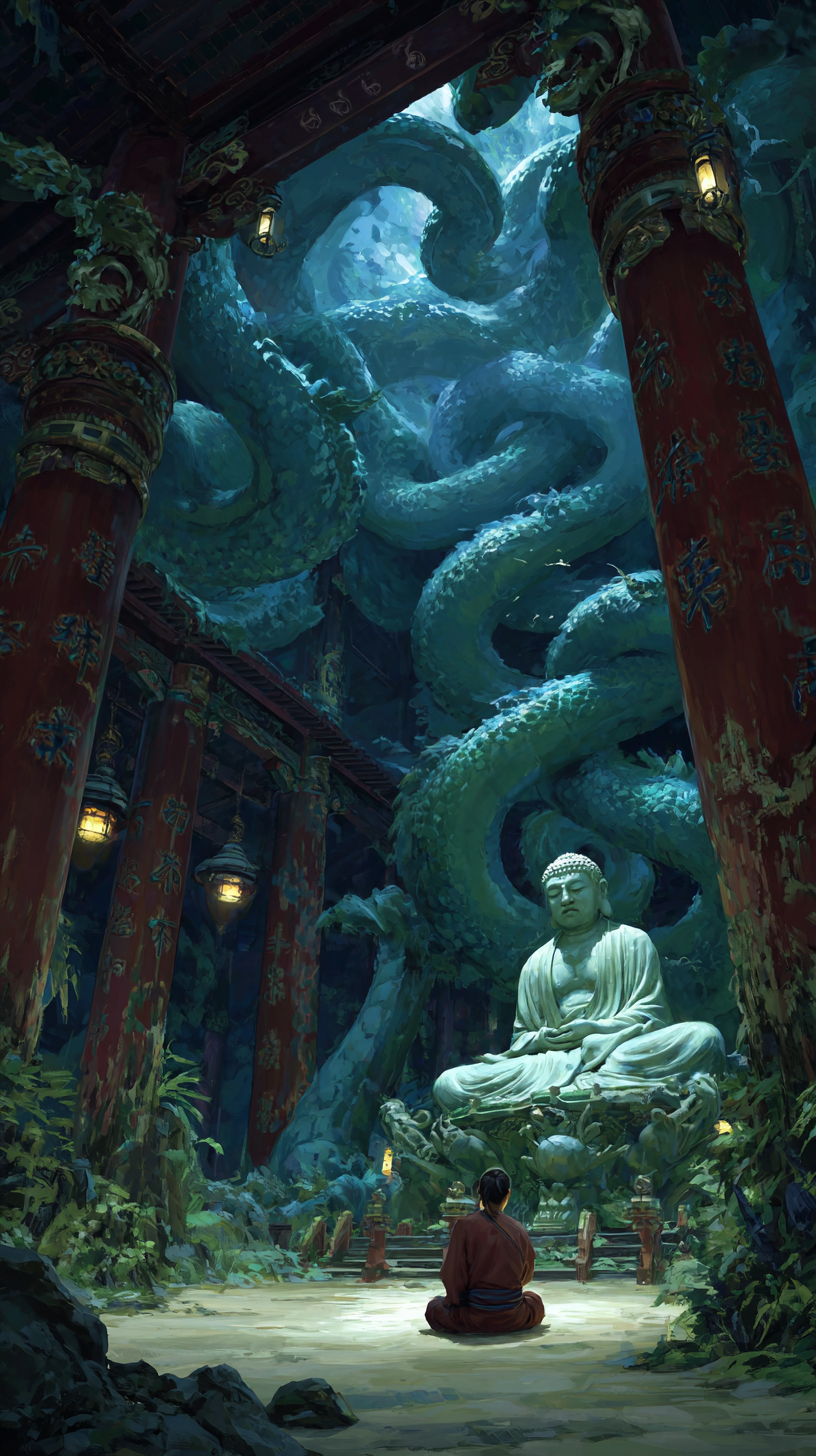
Perched amidst the vastness of the region, this monastery holds a profound spiritual presence, most notably through its towering statue of the Maitreya Buddha. To visit Ghum Monastery is to journey into a realm where history breathes through ancient walls and the quiet contemplation of the divine permeates the atmosphere.

A History Etched in Stone and Spirit
Sthala Purana
Founded by Mongolian lama Sokpo Sherab Gyatso in 1875 as Yiga Choeling ('The Place of Auspicious Teachings'). It became a refuge for Tibetan lamas fleeing Chinese occupation after 1959 and a center for preserving Gelug teachings and the Dhardo Tulku lineage.
Timeline
The story of Yiga Choeling is interwoven with the complex political and spiritual history of Tibet. Its external structure began to take shape in 1850, initiated by the Mongolian astrologer and monk Sokpo Sherab Gyatso, who served as the head of the monastery until 1905. This initial foundation set the stage for the spiritual life that would unfold within these walls.
The Commission of the Maitreya Statue
The true focal point of the monastery’s spiritual gravity is the magnificent statue of the Maitreya Buddha, which rises to an impressive height of fifteen feet (4.6 m). This monumental work was commissioned by Lama Domo Geshe Rinpoche Ngawang Kalsang, who assumed leadership and oversaw the monastery's spiritual direction until 1952. This act solidified the monastery’s status within the Gelukpa tradition.

Deities, Legends, and Spiritual Lineage
The spiritual narrative of Ghum Monastery is anchored by the presence of the Maitreya Buddha, a figure symbolizing the future Buddha and the promise of enlightened wisdom. The presence of this statue serves as a constant reminder of the path toward enlightenment for all practitioners.
The Role of the Reincarnation
The lineage of the monastery is intrinsically linked to the concept of reincarnation. The recognition of Tenzin Legshad Wangdi as the reincarnation of Dhardo Rimpoche underscores the living continuity of the monastic tradition. This spiritual succession ensures that the teachings and responsibilities of the monastery are passed down through a living stream of spiritual authority, connecting the past, present, and future of the community.
Festivals and Monastic Life
Monastic life at Ghum Monastery is structured around the rhythms of Tibetan Buddhist festivals. These celebrations are not merely temporal events but deep spiritual occasions, reinforcing the community's commitment to Dharma. While specific annual festival details require local consultation, the monastery serves as the epicenter for these important communal observances.
Community and Sustenance
The daily life within the monastery involves rigorous study, ritual practice, and community support. The history notes that for the last two decades, the monastery has navigated significant challenges concerning both the monastic community and its financial support, highlighting the ongoing effort required to maintain such a spiritual center amidst changing circumstances.
The foundation of the external structure was established in 1850, marking the beginning of a long architectural and spiritual journey.
A Visitor's Guide to Ghum
Visiting Ghum Monastery offers an unparalleled opportunity to experience the austere beauty of the Himalayas combined with the deep, enduring spirituality of Tibetan Buddhism. Travelers should approach this site with reverence, understanding it as a living spiritual center rather than just a historical landmark.
Ghum Monastery, or Yiga Choeling, remains a profound site where the physical world meets the spiritual. From the 19th-century construction to the enduring legacy of its spiritual lineage, the site reflects the resilience of faith and the deep connection between human spirit and the majestic landscape of the Himalayas. It invites all who seek tranquility and wisdom to pause and reflect on the timeless truths held within its ancient walls.
Related temples: A. C. Bhaktivedanta Swami Prabhupada | Bahula Temple
Planning Your Pilgrimage
For those planning a visit, understanding the logistical aspects is crucial. Accessing remote Himalayan monasteries requires patience and respect for the local customs. Visitors should arrange appropriate travel permissions and consider the acclimatization required for high-altitude travel.
Architectural Echoes of Himalayan Monasticism
The architecture of Ghum Monastery reflects a unique synthesis of Tibetan monastic tradition and the rugged environment of the high altitudes. While the external framework dates back to the mid-19th century, the interior spaces are imbued with the meditative atmosphere characteristic of Gelukpa monastic life. The structure speaks to a long tradition of building sacred spaces in challenging, remote terrains.
The Influence of the Gelukpa Tradition
As a monastery belonging to the Gelukpa sect, Ghum Monastery embodies the specific architectural and ritualistic practices of this lineage. The design prioritizes contemplative space, allowing monks to retreat into a state conducive to deep meditation and spiritual practice. The construction methods employed demonstrate an intimate understanding of local materials and the necessity of creating durable, sacred habitats in the harsh Himalayan environment.