
A complete pilgrim record drawn from the existing published article data.
Deity Profile
Shiva is the presiding deity worshipped at this temple.
- Main Deity: Shiva
- Form: Shiva Linga
- Consort: Parvati (implied via Durga/Kaali presence; no explicit consort shrine named)
- Tradition: Shaiva
Flowing beside the temple complex is the Ratnakar River, which, though now diminished, once carried the essence of this sacred space. The very geography of the location imbues the temple with a sense of timeless serenity, inviting pilgrims to connect with the primal energies of the land and the water.
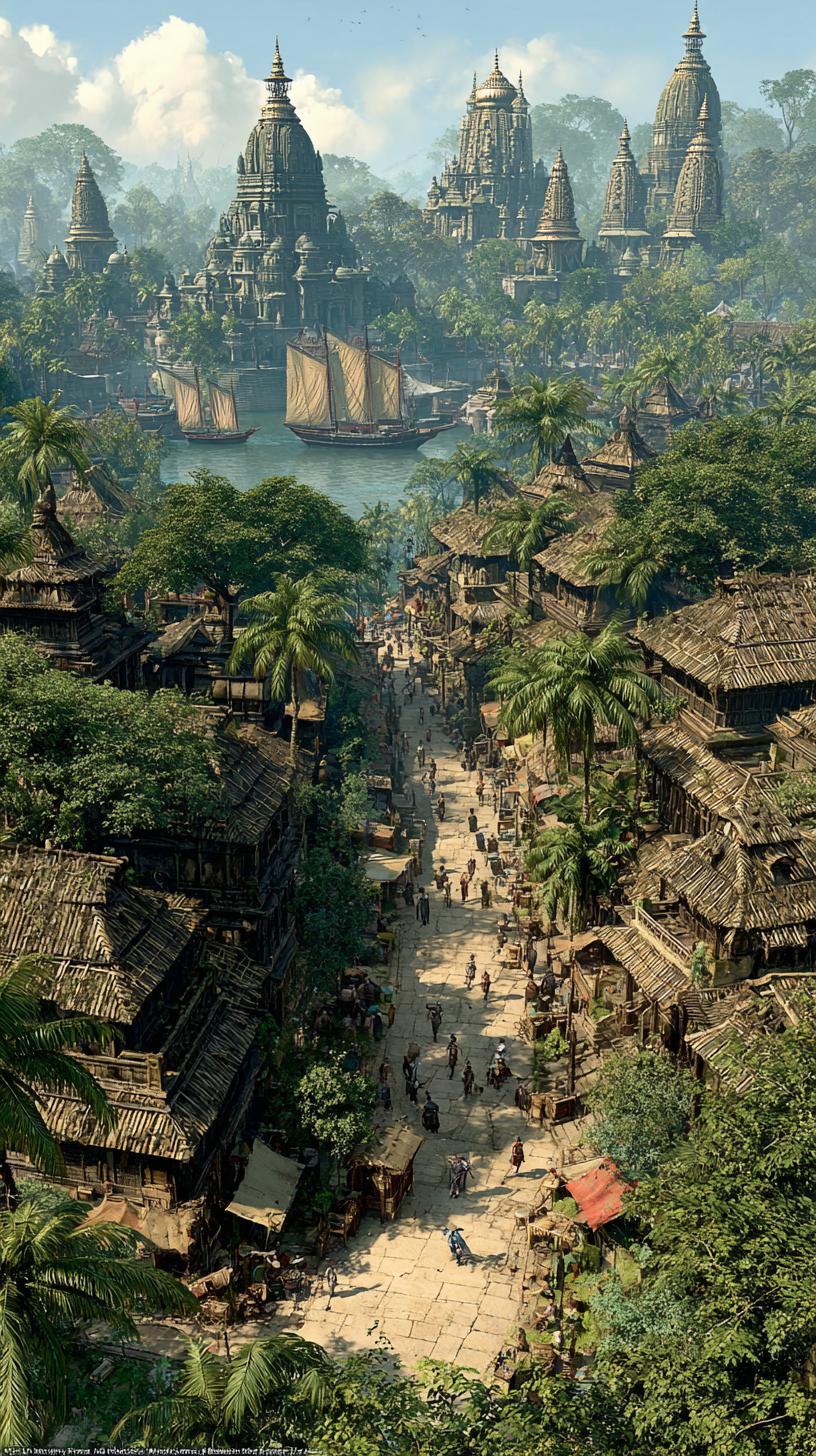
Echoes of History: Architectural Evolution
Sthala Purana
Locals believe the same Shiva linga has been worshipped at this site for over 500 years. The temple is situated on the bank of the now-virtually-dead river Ratnakar, and its name 'Ghanteshwar' (Bell-Lord) reflects the devotional practice of tying bells — a signature ritual associated with the deity’s benevolent, responsive nature.
Timeline
The physical structure of the Ghanteshwar Temple carries the weight of local history and resilience. The current complex, as we see it today, is a story of endurance following hardship.
The Legacy of the Zamindar

The inscription carved at the main entrance is a linguistic and spiritual treasure, reading: "বীরভূমৌ সিদ্ধিনাথো রাঢ়েচাঃ তারকেশ্বর" and "ঘন্টেশ্বরশ্চ দেবেশি রত্নাকর নদীতটে". These words beautifully frame the temple's dedication to the divine and its geographical context along the river.
The Riverine Setting: Where Spirituality Meets Nature
The Significance of the Ratnakar River

A Pilgrim’s Guide: Reaching the Sacred Site
For those seeking to experience the serenity of Ghanteshwar, understanding the logistics of travel is key. While the temple is situated within the broader region of Hooghly, access is facilitated by excellent rail and road networks.
We invite you to explore the depths of this sacred space and feel the resonance of centuries of devotion.
Explore more temples dedicated to Shiva
Transport Options
The temple is easily accessible via road transportation. Travelers can use the well-established bus routes connecting major hubs. Nearby rail stations, such as Tarakeswar, Arambagh, or Mayapur (Hooghly), provide convenient starting points.
For those traveling from the Ghatal side, routes are available that connect through Ranichak and Garerghat, offering a clear pathway to the temple area. Furthermore, routes from Bagnan/Amta also offer connectivity to Ganeshpur, making the journey accessible for travelers from various corners of the region.
Visiting the Mumbai Connection
It is worth noting that spiritual journeys often connect disparate locations. While the main historical and spiritual seat is in West Bengal, there is also a Ghanteshwar temple in Mumbai, demonstrating the reach of these sacred traditions across India.
A heritage of Deities: A Syncretic Shrine
The Central Focus: Lord Shiva
Honoring the Pantheon

The Sufi Presence
Adding another layer of unique history is the shrine dedicated to the Sufi Pir (Baba). This inclusion highlights the remarkable spirit of tolerance and spiritual openness that has characterized the history of West Bengal, demonstrating how different mystical paths coexist harmoniously within the temple’s embrace.
The Rhythm of Celebration: Festivals of Bengal
A temple is more than just a place of worship; it is the heartbeat of a community. Ghanteshwar Temple is deeply woven into the cultural fabric of West Bengal, participating actively in the region’s most cherished folk festivals. These celebrations are vibrant expressions of faith, community bonding, and cultural memory.
Major Celebrations
The temple complex is a focal point for several important Bengali festivals, ensuring that the spiritual life of the community is celebrated with great fanfare:
- Neel Puja: A celebration marking the auspiciousness of the color blue, often associated with the divine presence.
- Gajan Festival: A vibrant folk festival celebrating devotion and community spirit.
- Shivratri: The most significant night dedicated to Lord Shiva, attracting immense devotion.
- Bhimekadashi: A sacred observance honoring the divine form of Lord Shiva.
- Ratha Yatra: The grand procession that brings the divine energy to the community streets.
🗺 How to Reach
Hover a card to animate the journey on the map
Route to Khanakul
Common Questions
Where is Ghanteshwar Temple: Divine Waters and Ancient Legends of West... located?
Ghanteshwar Temple: Divine Waters and Ancient Legends of West... is documented at Mumbai, Maharashtra.
Which deity is associated with Ghanteshwar Temple: Divine Waters and Ancient Legends of West...?
Ghanteshwar Temple: Divine Waters and Ancient Legends of West... is associated with Hanuman.
Related Temples


A Living Covenant