
A complete pilgrim record drawn from the existing published article data.
The Sacred Geography of the Zanskar Valley
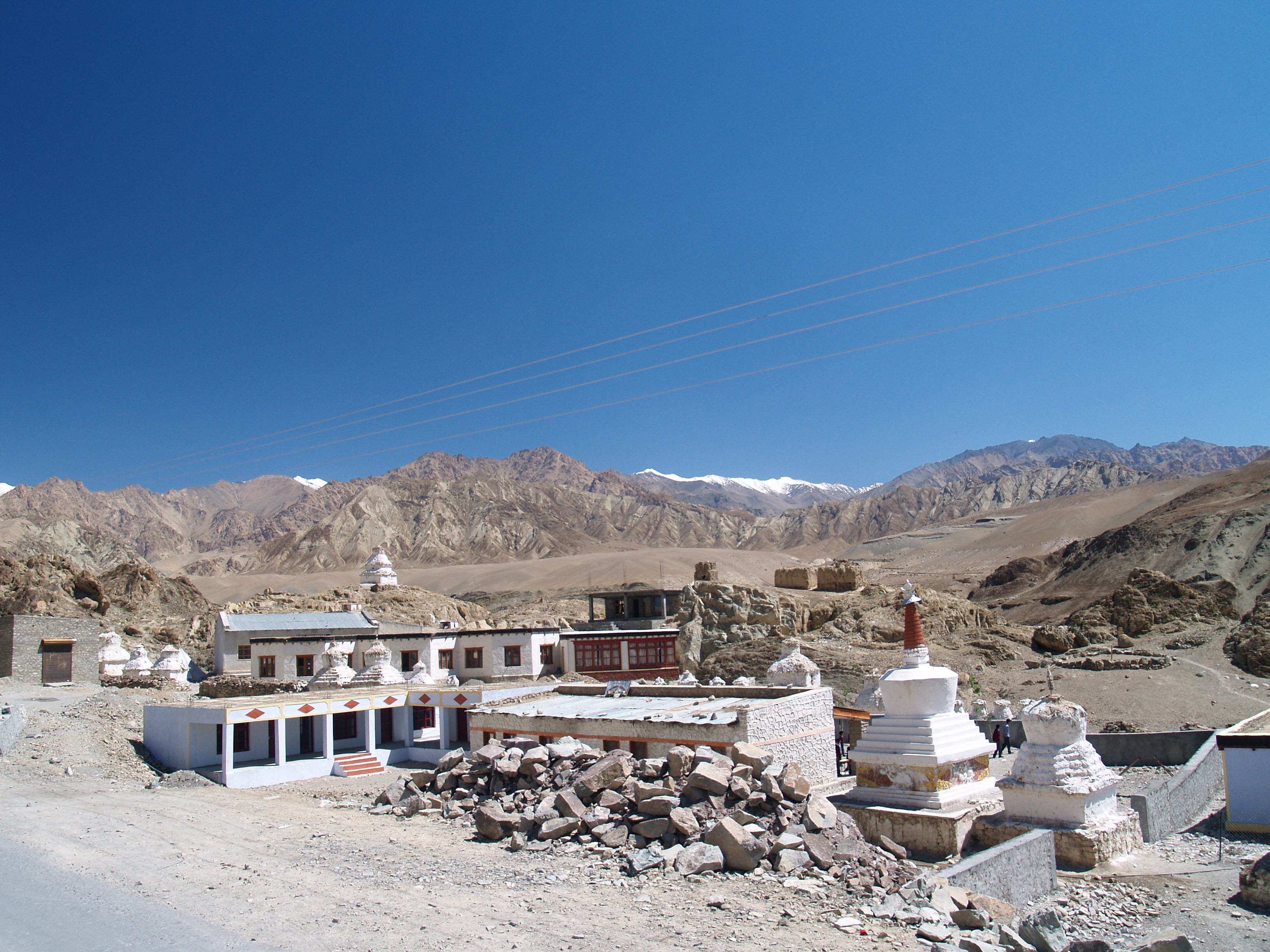
To truly comprehend Dzongkhul Monastery, one must first appreciate its extraordinary setting. It exists not merely as a building situated in a valley, but as a sanctuary carved directly from the formidable topography of the Zanskar region. This land is defined by its dramatic gorges, towering snow-capped peaks, and an overwhelming sense of isolation.
A Land of Rugged Beauty
Strategic Location and High Passes
The sheer scale of the surrounding mountains dictates the rhythm of life here, forcing a discipline that mirrors the meditative practice taught within the monastery walls.

Architectural Splendor and Sacred Artistry
Resilient Himalayan Design
Frescoes of Master Zhadpa Dorje
Treasures of Spiritual Heritage
The physical structure of Dzongkhul Monastery is a tangible manifestation of the intangible journey of the mind towards enlightenment, embodying both resilience and profound spiritual depth.
Spiritual Practices and Monastic Life
Beyond its historical foundation, Dzongkhul Monastery evolved into a flourishing center for specific meditative practices. It became a vital Kagyu meditation center, nurtured under the diligent guidance of esteemed yogis. The monastery’s focus on the practical application of meditation, particularly within its austere environment, marks a significant phase in its spiritual development.
The Drukpa Kagyu Lineage
The Guidance of Zanskari Yogis
Planning Your Pilgrimage to Dzongkhul
Reaching Dzongkhul Monastery requires a significant commitment to travel, mirroring the dedication essential for spiritual practice itself. It demands resilience, patience, and profound respect for the remote environment and its delicate ecosystem. Prospective visitors must prepare thoroughly for the high altitude and the profound solitude that awaits them.
Navigating the Zanskar Terrain
Respectful Engagement and Altitude Acclimatization
For those seeking deeper context on the spiritual landscape of Ladakh, we highly recommend exploring our features on Ladakh Spiritual Journeys. Furthermore, to understand the broader context of Himalayan monasticism, read our comprehensive piece on Tibetan Buddhism Overview. Discover another architectural marvel in the region by exploring Karsha Monastery.
Historical Foundations and the Legacy of Naropa
Chronology of Dzongkhul Monastery
The Founding Influence of Naropa
Naropa (956–1041 CE)
While Dzongkhul is a monastic center and not dedicated to a single deity in the conventional sense, Naropa serves as its profound spiritual anchor and founding figure. An Indian Buddhist mahasiddha, Naropa was a scholar at Vikramashila University and a disciple of Tilopa. He underwent rigorous spiritual training and achieved enlightenment through intense meditative practices, many of which are believed to have taken place in the very caves of Dzongkhul. His legacy is central to the Kagyu lineage and inspires practitioners to this day, making him the most revered spiritual presence at the monastery.
Naropa's Sacred Meditation Caves
The Footprint of Naropa
A revered legend at Dzongkhul Monastery tells of the indelible mark left by the great yogi Naropa. During his intense meditation retreats within the monastery's caves, it is said that his spiritual power was so immense that he left a physical imprint of his foot upon the solid rock. Pilgrims today can still observe this sacred footprint near the entrance of the lower cave, a powerful testament to Naropa's profound connection to this sacred site and a source of inspiration for countless devotees seeking spiritual insight.
Festivals, Rituals, and Cultural Significance
Monasteries are not static museums; they are dynamic centers of cultural and spiritual life, marked by vibrant festivals that punctuate the annual calendar. The spiritual rhythm of Dzongkhul is vibrantly celebrated through specific observances that profoundly connect the monastery to the broader Buddhist calendar and its community. These events foster communal bonding and reinforce spiritual teachings.
The Zongkhul Huchot Festival
Daily Rhythms and Monastic Observances
🗺 How to Reach
Hover a card to animate the journey on the map
Route to Leh
Common Questions
Where is Dzongkhul Monastery: Spiritual Heart of Zanskar's High Passes located?
Dzongkhul Monastery: Spiritual Heart of Zanskar's High Passes is documented at Leh, Ladakh.
Which deity is associated with Dzongkhul Monastery: Spiritual Heart of Zanskar's High Passes?
Dzongkhul Monastery: Spiritual Heart of Zanskar's High Passes is associated with Naropa.
Related Temples


A Living Covenant