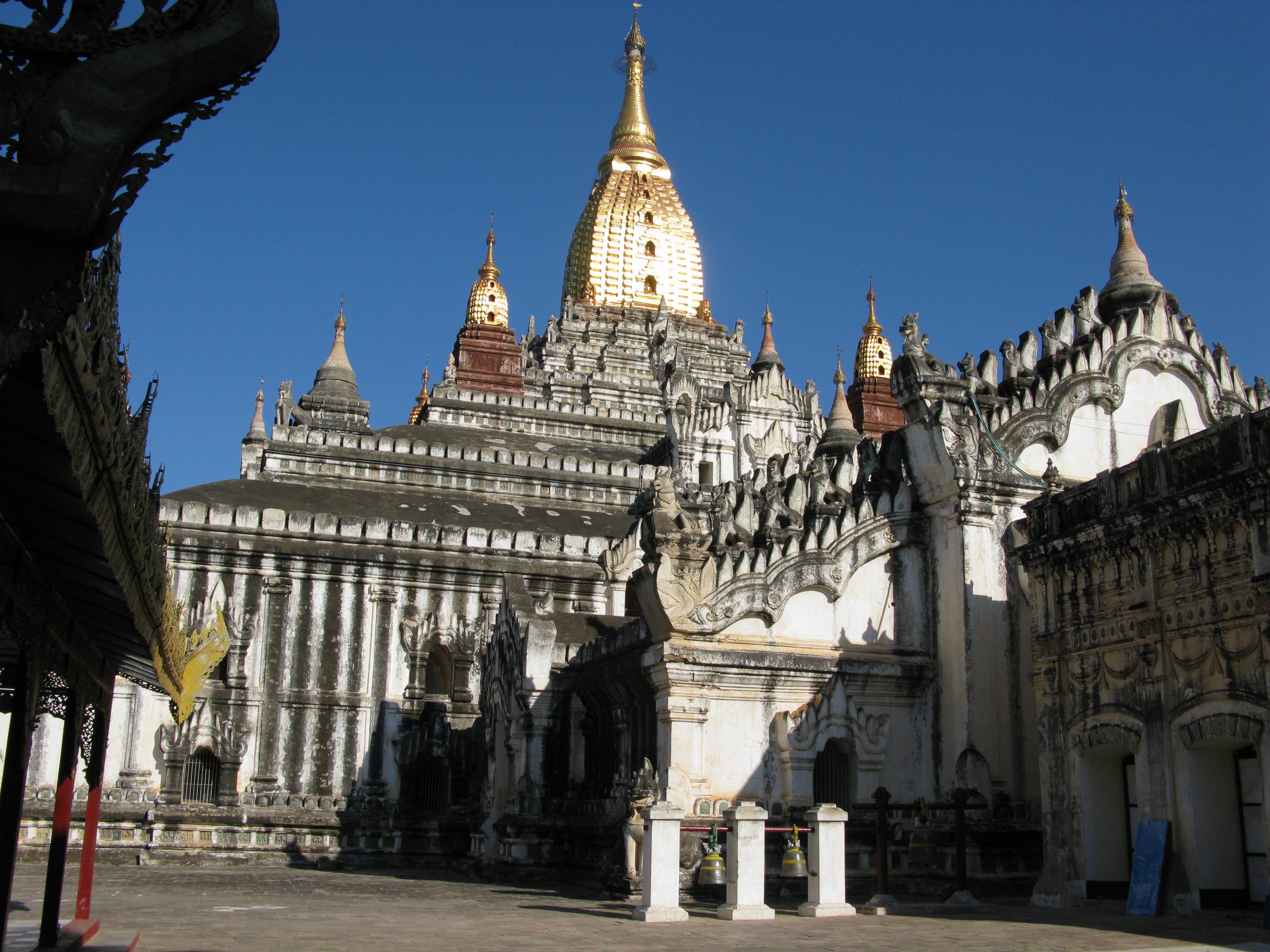
A complete pilgrim record drawn from the existing published article data.
Nestled amidst the verdant landscapes of the Konkan region, the village of Dhamnand, situated in the Khed Taluka of the Ratnagiri District, Maharashtra, is more than just a collection of homes. It serves as a living chronicle of faith, where the rhythms of farming and forestry seamlessly intersect with profound spiritual devotion. Like many hidden corners of India, Dhamnand offers a deep dive into local mythology, with every small subdivision holding the memory of a specific deity and an unbroken chain of tradition.
To truly understand Dhamnand requires looking beyond physical boundaries and appreciating the spiritual geography woven into its very soil. Here, ancient ways of worship persist, offering travelers and seekers a window into the authentic, unvarnished spirituality of rural Maharashtra. This decentralized approach to faith defines the village's unique charm.
Historical Foundation and Evolution
Dhamnand's spiritual heritage is not merely contemporary; it is deeply rooted in centuries of tradition and local history. The village stands as a testament to the enduring faith of the Konkan people, with an unbroken chain of customs passed down through generations. Understanding its history helps reveal the profound cultural tapestry that defines this unique settlement.
Ancient Roots and Local Lineages
The origins of Dhamnand's spiritual practices trace back to ancient times, reflecting the indigenous beliefs and early settlements of the Konkan region. While specific dates for temple construction are often localized and not always documented globally, the continuous presence of shrines and deities signifies a long and vibrant history. The decentralized nature of worship suggests a gradual evolution rather than a singular founding event.
Timeline of Dhamnand's Spiritual Legacy
Each family lineage or "Wadi" often maintains a specific connection to a particular deity, reinforcing a sense of ancestral pride and responsibility for their upkeep. This intricate network of local guardians forms the bedrock of Dhamnand's spiritual identity, binding families and communities together through shared faith.
Continuity of Tradition Through the Ages
The history of Dhamnand is characterized by the remarkable continuity of its spiritual traditions. Despite external influences, the core practices and veneration of local deities have remained steadfast. This resilience speaks to the deep-seated faith of the villagers and their commitment to preserving their unique cultural identity.
“Dhamnand's heritage is not merely preserved in stone, but actively lived through the daily rituals and annual festivals that bind generations in an unbroken chain of devotion.”
Festivals and rituals, often tied to the agrarian calendar, serve as vital anchors for these traditions, bringing the community together in collective celebration and worship. These events also provide opportunities for storytelling, ensuring that the narratives of the deities and the village's spiritual journey continue to resonate with younger generations.
Architectural Echoes of Tradition
While the focus often lies on the deities themselves, the physical structures within Dhamnand's subdivisions tell a compelling story of regional architectural evolution. The temples and shrines here are often characterized by a distinctive blend of traditional Konkan craftsmanship and local village sensibilities, reflecting the material culture and aesthetic preferences of the people who built and maintained them over centuries.
Konkan Craftsmanship in Sacred Spaces
The architecture of Dhamnand’s shrines typically showcases the exquisite craftsmanship unique to the Konkan region. These structures are not merely functional buildings; they are repositories of oral history and embodying the aesthetic sensibilities of the local artisans. The intricate details often convey symbolic meanings and narratives from local lore.
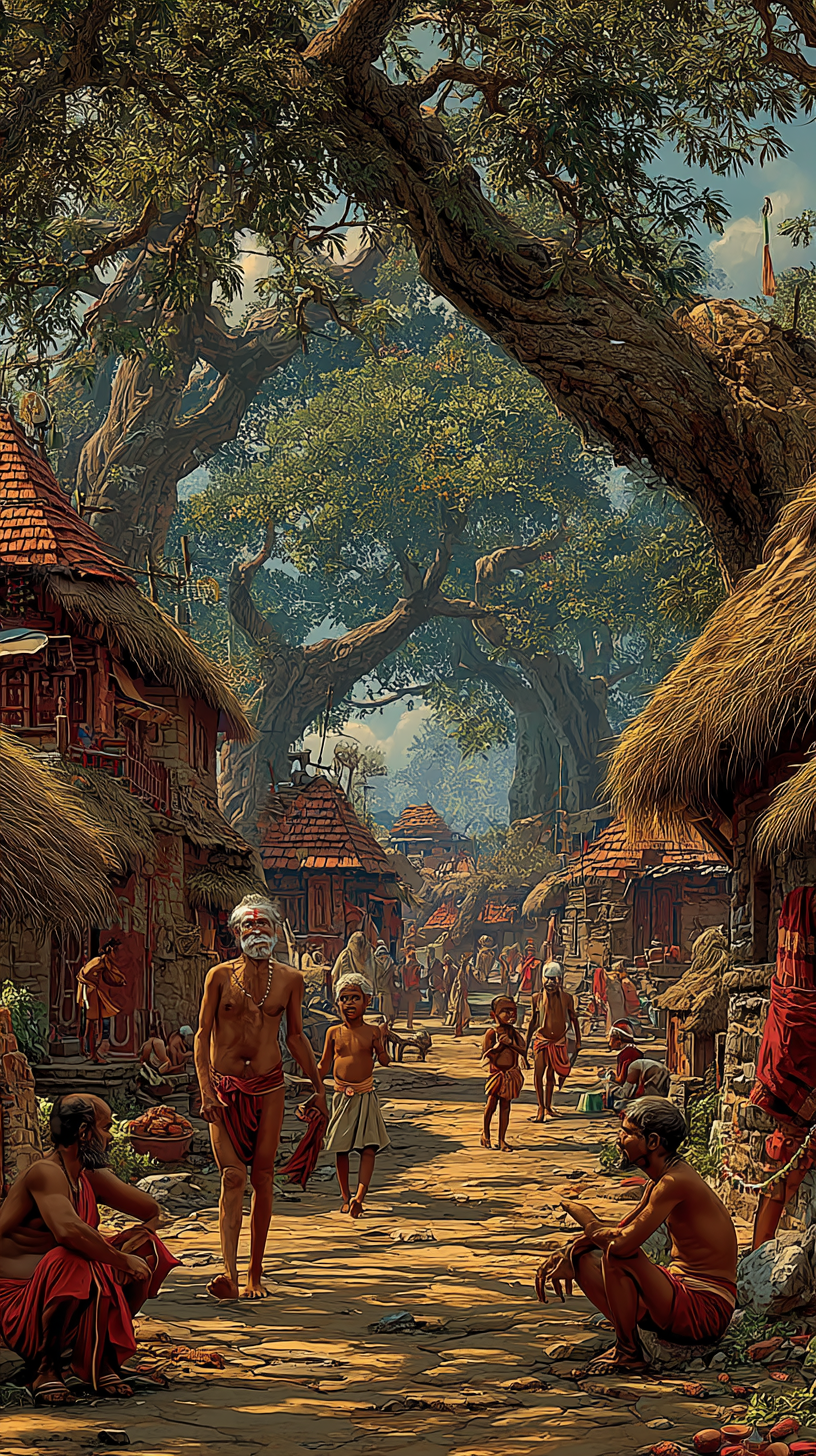
Each shrine, regardless of its size, contributes to the visual and spiritual landscape of the village. They often feature gracefully sloped roofs designed to handle heavy monsoon rains, reflecting a practical yet artistic response to the local climate. These architectural elements are distinct markers of Konkan identity.
Materials and Symbolism
The construction materials utilized in Dhamnand’s temples typically reflect those readily available in the region: robust stone, durable wood, and local earth. These natural materials are not just practical choices; they are imbued with deep cultural and spiritual significance, connecting the sacred spaces directly to the land itself.
Intricate carvings, often depicting local deities, mythological scenes, and floral motifs, adorn the facades and interiors. These decorative elements serve not only as artistic expressions but also as visual scriptures, guiding devotees through spiritual narratives. The symbolism embedded in these designs reinforces the village's unique religious identity and its connection to broader Hindu traditions.
Presiding Deities and Spiritual Significance
Dhamnand village embodies a rich tapestry of devotion, honoring a diverse pantheon of deities who safeguard its lands and people. While many local spirits and forms of Devi are revered, Lord Ganesh holds a special, overarching significance as the village's primary deity. This blend of pan-Indian and highly localized worship defines Dhamnand’s unique spiritual landscape.
The Pantheon of Local Guardians
Beyond the primary deity, Dhamnand's spiritual ecosystem thrives on the veneration of several significant local goddesses and guardian spirits. These deities are deeply embedded in the daily lives and folklore of the villagers, protecting specific subdivisions or "Wadis" and ensuring the community's well-being.
Kalika Devi
Revered particularly in the Mulanda subdivision, Kalika Devi represents a powerful aspect of the divine feminine. She is a protective mother goddess, often associated with strength, prosperity, and the warding off of evil. Her temple serves as a focal point for devotion within her specific domain, with local festivals celebrating her might.
Zolae Devi
In the Raw subdivision, Zolae Devi commands deep respect and veneration. Her presence signifies guardianship and fertility, making her crucial to the agrarian community. Stories and rituals surrounding Zolae Devi often speak of her protective powers over crops and families, highlighting her integral role in daily village life.
Ganesh: The Primary Reverence
As per the regional tradition and popular devotion, Lord Ganesh is the presiding deity of Dhamnand village, representing wisdom, prosperity, and the remover of obstacles. His benevolent presence pervades the spiritual atmosphere, making him the foremost deity invoked before any new endeavor or celebration.
Lord Ganesh
The elephant-headed god, Ganesh, is widely worshipped across Maharashtra, and Dhamnand is no exception. Villagers often begin their day with prayers to Ganesh, and he plays a central role in all major festivals and life events. His temple, though perhaps one of many in the village network, commands universal respect and attention, signifying his role as the primary protector and benefactor of the entire community.
The reverence for Ganesh coexists harmoniously with the worship of local goddesses, forming a comprehensive spiritual safety net for the community. This syncretic approach reflects the inclusive nature of Hinduism found throughout the Konkan region, where local traditions seamlessly blend with wider devotional practices.
A Practical Guide for the Spiritual Traveler
For those wishing to experience the authentic spiritual texture of Dhamnand, preparation is key. Approaching this village requires a mindset of respect, curiosity, and humility, as the journey is as much about listening and observing as it is about seeing. Dhamnand offers a truly immersive cultural experience for the discerning traveler.
Dhamnand village stands as a profound reminder that India’s rich heritage is not confined to grand, easily cataloged monuments but resides deeply in the countless, intimate spiritual spaces woven into the fabric of rural life. The intricate network of temples, the cherished legends of Zolae Devi, Kalika Devi, and the presiding Lord Ganesh, along with the vibrant traditions of its subdivisions, paint a vivid picture of a resilient, deeply spiritual community in the Konkan heartland.
This village exemplifies the living tradition of decentralized worship, where faith is a personal, familial, and community-wide endeavor, continually evolving yet firmly rooted in the past. Dhamnand offers a rare glimpse into an authentic Indian spiritual experience, untouched by overt commercialism and deeply connected to its natural surroundings. Its enduring spirit serves as an inspiration for the preservation of local cultures and traditional ways of life.
To explore this rich heritage further, we invite you to delve into related explorations of Maharashtra's spiritual geography. Discover more about the rich history of the region by reading about Ratnagiri Travel Guide or explore the nuances of local worship at Konkan Heritage. These resources offer additional context and opportunities for deeper engagement with the region's spiritual legacy.
Navigating Dhamnand's Spiritual Network
The decentralized nature of Dhamnand's shrines, spread across various "Wadis" or subdivisions, means that a generalized approach might miss the profound depth of the experience. Each locale holds its own unique significance and traditions. It is essential to treat each Wadi and its associated shrine with the reverence it deserves, understanding that you are entering a living, breathing spiritual landscape rather than a curated tourist attraction.
Consider engaging a local guide who can facilitate introductions and provide context for the various shrines and their histories. This approach enhances understanding and ensures a more respectful and enriching interaction with the community and its sacred spaces. Exploring on foot allows for a deeper appreciation of the serene surroundings and the intimate nature of local worship.
Essential Etiquette for Visitors
Respecting local customs is paramount for any visitor to Dhamnand. The village operates on traditional Konkan values, and adherence to these enhances the visitor experience and fosters positive community relations. Thoughtful conduct helps preserve the sanctity of these unique spiritual sites.
“The true experience of Dhamnand is found in quiet contemplation and genuine engagement, not in hurried sightseeing. Allow yourself ample time to absorb the unique spiritual atmosphere.”
- Respect Local Customs: Ensure all interactions are respectful of local customs, especially when visiting private or family-associated shrines.
- Patience is Paramount: Allow yourself ample time to absorb the atmosphere. The true experience of Dhamnand is found in quiet contemplation, not rushed sightseeing.
- Engage with the Community: The most rewarding discoveries are often made through conversation with the villagers, who are the custodians of this incredible heritage and possess invaluable insights into their traditions.
The Geographical Cradle of Faith
The strategic setting of Dhamnand village within the Ratnagiri District provides the foundational context for its unique spiritual life. Surrounded by the flowing waters of the Vaki and Nagzari Rivers, the village embodies a profound harmony between nature and divinity. This environment itself seems to whisper tales of the deities enshrined within its natural boundaries.
Rivers, Hills, and Konkan Identity
The proximity to the Vaki and Nagzari Rivers has historically shaped the life of Dhamnand's villagers, influencing their relationship with the land and the spirits that govern it. These two rivers are not merely geographical features; they function as conduits of life, carrying the essence of the Konkan region into the heart of the community. They nourish the fertile land and foster a deep connection to the natural world.
The surrounding topography, characteristic of the Konkan, features rolling hills and dense greenery, further enhancing the village’s secluded and spiritual atmosphere. This natural isolation has allowed local customs and traditions to thrive relatively undisturbed, preserving an authentic form of village life and worship. The landscape itself becomes an extension of the sacred, reflecting the local pantheon.
An Agrarian Community's Spiritual Landscape
The dominant economic activities in Dhamnand are farming and forestry, pursuits that have intrinsically linked the people to the land they inhabit. This agrarian lifestyle means that spiritual practices are deeply intertwined with the cycles of seasons, harvests, and the bounty of nature.
Every field, forest patch, and water body holds a particular significance, often associated with a guardian spirit or a specific deity. This decentralized spiritual geography encourages reverence for nature and fosters a strong sense of community responsibility towards preserving both the environment and its associated traditions.

Sacred Stories and Local Lore
The spiritual fabric of Dhamnand village is richly interwoven with ancient tales and vibrant local lore. These sacred stories, passed down through generations, explain the origins of deities, define moral codes, and deepen the villagers' connection to their spiritual landscape. They are not mere myths but living narratives that shape identity and belief.
The Legend of Zolae Devi
Among the most cherished narratives is the legend of Zolae Devi, a powerful guardian deity particularly revered in the Raw subdivision. Her stories often speak of her fierce protection of the village from harm and her benevolent influence on agricultural prosperity. These narratives emphasize her close relationship with the natural environment and the well-being of the community.
Zolae Devi: Protector of Raw
Local lore tells of a time when the lands of Raw faced a severe drought, threatening the entire harvest. The villagers, desperate, offered fervent prayers to Zolae Devi. It is said that in response to their devotion, Zolae Devi manifested her power, causing underground springs to gush forth, bringing life back to the parched fields. Since then, she has been venerated as the ultimate provider and protector of the village's agrarian life, ensuring bountiful harvests and safeguarding families.
These tales serve not only as entertainment but also as moral lessons, reinforcing values of devotion, resilience, and community solidarity. The stories of Zolae Devi ensure her continued relevance in the daily lives and spiritual practices of the people of Dhamnand.
Tales of Kalika Devi and Village Guardians
Another prominent figure in Dhamnand's spiritual storytelling is Kalika Devi, especially revered in the Mulanda subdivision. Her narratives often highlight her formidable strength and ability to overcome evil, portraying her as a fierce guardian of justice and protector of the innocent. These stories instill courage and faith among her devotees.
Kalika Devi: The Vanquisher of Adversity
The people of Mulanda recount tales of Kalika Devi intervening in times of great crisis, such as epidemics or external threats. One popular story describes her manifesting in a warrior form to drive away a malevolent spirit that plagued the village, restoring peace and health. This narrative solidifies her role as a powerful, compassionate deity who actively participates in the welfare of her devotees, ready to defend them from any adversity.
The collective body of sacred stories, encompassing tales of Ganesh, Kalika Devi, Zolae Devi, and countless other local guardians, forms a vibrant spiritual heritage. These narratives bridge the past and present, connecting villagers to their ancestors and to the divine forces that shape their world.
🗺 How to Reach
Hover a card to animate the journey on the map
Verified routes to Dhamnand village
Common Questions
Where is Dhamnand Village: A Tapestry of Devotion in Ratnagiri located?
Dhamnand Village: A Tapestry of Devotion in Ratnagiri is documented at Ratnagiri, Maharashtra.
Which deity is associated with Dhamnand Village: A Tapestry of Devotion in Ratnagiri?
Dhamnand Village: A Tapestry of Devotion in Ratnagiri is associated with Ganesha.