



A complete pilgrim record drawn from the existing published article data.
Deopani Durga Mandir: A Glimpse into Assam's Ancient Devotion
The Deopani Durga Mandir stands as a significant ancient Hindu temple in Assam, recognized for its profound historical and spiritual importance. This site, dedicated to Goddess Durga, is a testament to the region's enduring devotion to Shaktism. Documented as an archaeological site by the IGNCA and the Karbi Anglong District Administration, it offers a window into the past, preserving remnants of an ancient place of worship. Its rediscovery has rekindled spiritual practices and established it as a focal point for devotees seeking the blessings of the Divine Mother.
Historical Significance
The temple's status as an archaeological site underscores its deep historical roots, indicating a long-standing tradition of worship in the Deopani area.
Spiritual Hub
As a center for Shaktism, the mandir attracts followers of Goddess Durga, embodying a vital spiritual presence in the cultural landscape of Assam.
Official Recognition
Its documentation by the IGNCA and local administration highlights the temple's recognized heritage value and importance for preservation.
Unveiling the Unique Architectural Grandeur of Deopani Durga Mandir
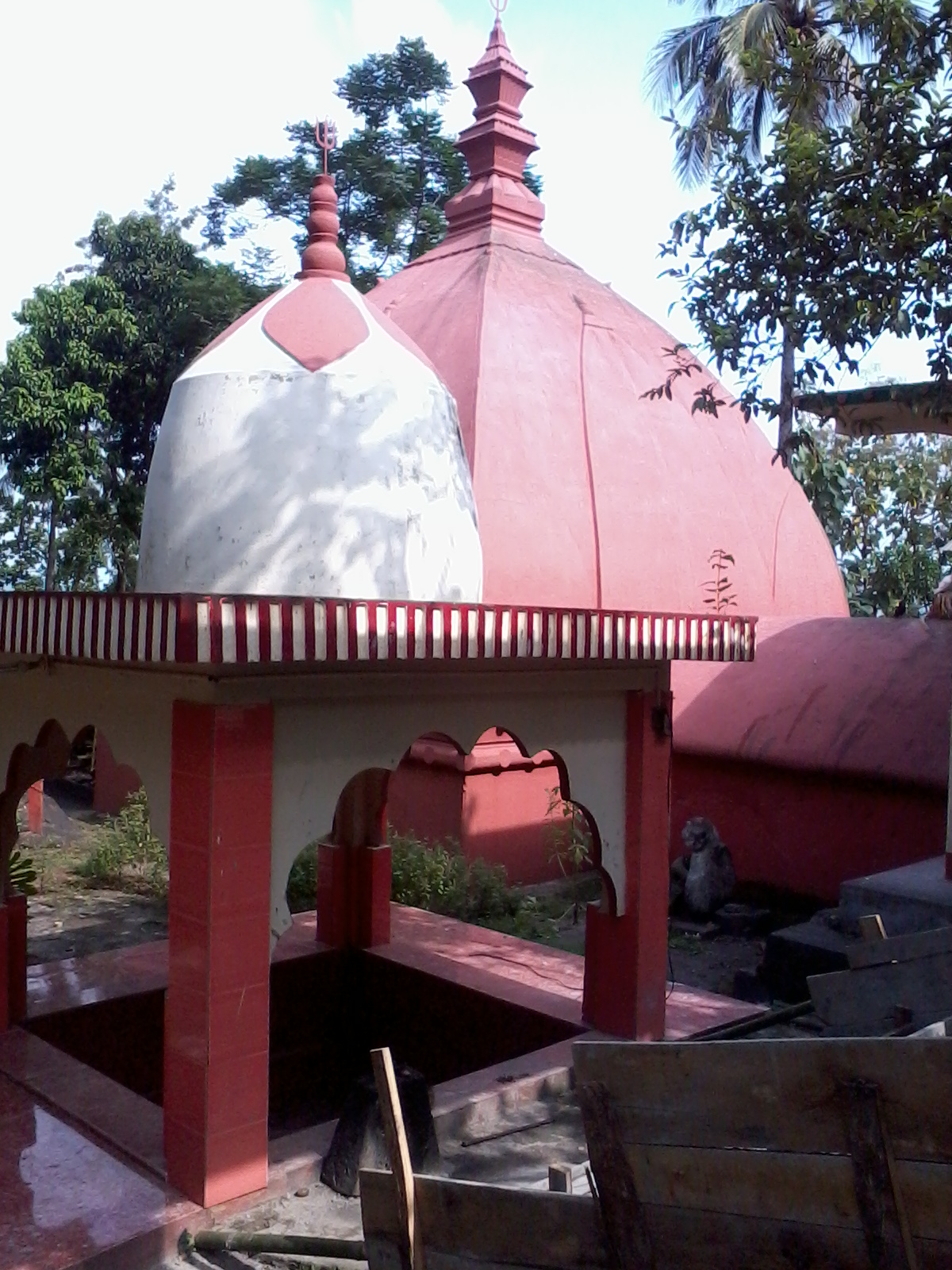
While specific architectural styles and materials of the Deopani Durga Mandir remain unclassified, its designation as an archaeological site provides insights into its ancient construction. The temple's significance lies in the historical context of its unearthing, where an idol of Goddess Durga and other ancient treasures were discovered. This suggests a structure built with traditional methods, reflecting the regional influences typical of ancient places of worship in Assam. The current temple stands as a testament to the enduring spiritual practices of the area, built to house the revered deity following its rediscovery.
Archaeological Implications
Its status as an archaeological site indicates ancient structural elements and historical significance, even if specific design details are not fully documented.
Discovery of Artifacts
The unearthing of the Durga idol and other ancient artifacts at the site suggests the presence of a pre-existing or ancient shrine, influencing the current temple's location.
Traditional Construction
Though specific materials are unknown, the temple's ancient origins imply construction using locally available resources and traditional craftsmanship of the era.
Goddess Durga: The Fierce Protector at Deopani Mandir
At the heart of the Deopani Durga Mandir is Goddess Durga, the principal deity revered in the Shakta tradition. The temple's sacred idol of Durga was famously unearthed by Surendra Nath Roy, a discovery that led to the establishment of this place of worship. As a fierce protector and destroyer of evil, Durga's presence at Deopani embodies power and divine strength. Devotees honor her through various rituals, seeking her blessings for protection and prosperity, deeply rooted in the Shaktism tradition prevalent in Assam.
Principal Deity
Goddess Durga is the central figure of worship, revered as the divine mother and protector in the Shaktism tradition.
The Rediscovered Idol
The temple's idol of Durga was unearthed by Surendra Nath Roy, marking a significant event in the temple's foundation and spiritual narrative.
Shakta Tradition
The Deopani Mandir is a key site for Shaktism, reflecting the deep devotion to the Divine Feminine in the region.
Planning Your Spiritual Journey to Deopani Durga Mandir
The Deopani Durga Mandir is located in Bokajan, Assam, offering a spiritual retreat for visitors. While specific timings and entry details require direct contact with the temple office, the best time to visit is during October, coinciding with Durga Puja, or throughout the post-monsoon season from September to November. The site is accessible, with Bokajan Railway Station approximately 15 km away and Dimapur Airport around 120 km. As an archaeological site, visitors are encouraged to respect local customs and the historical significance of the area, typically allocating 1-2 hours for a visit.
Location and Accessibility
The temple is situated in Bokajan, Assam, accessible via Bokajan Railway Station (approx. 15 km) and Dimapur Airport (approx. 120 km).
Best Time to Visit
October, during Durga Puja, and the post-monsoon period from September to November, are ideal for experiencing the temple and its surroundings.
Visitor Information
For timings, entry, dress code, and parking, visitors should contact the temple office directly, allowing 1-2 hours for their visit.
| Deity | Durga |
|---|---|
| Form | Devi Durga is a fierce, multi-armed goddess, often depicted riding a lion or tiger. She symbolizes divine power and protection against evil. |
| Consort | Unknown |
| Sampradaya | Shaktism |
| Significance | As a Shakti Peetha, she represents a significant center of divine feminine energy. She is revered as the supreme protector and destroyer of evil forces. |
The Rediscovery of the Divine Mother
Deep within the lush embrace of the Deopani Tea Estate, a remarkable discovery unfolded, weaving a new chapter in the spiritual tapestry of Assam. It was here that Surendra Nath Roy, affectionately known as Nunu Babu, a Rajput tea planter, unearthed a sacred idol of Goddess Durga. This divine image, along with other ancient archaeological treasures, had lain hidden beneath the earth, awaiting its moment of revelation. Following this profound excavation, a temple was reverently established at the very site of its unearthing. This act marked the re-emergence of the Divine Mother, bringing forth a powerful center of devotion and affirming the ancient spiritual currents flowing through the region, sustained by the patronage of a Rajput lineage.
The Divine Mother, once hidden, now shines forth, a beacon of protection and power in the heart of Assam.
From ancient earth, a sacred idol emerged, rekindling devotion and revealing a timeless spiritual legacy.
Related temples: Adichikkavu Sree Durga Devi Kshetram | Ammathiruvadi Temple
Tracing the Rajput Legacy and Ancient Origins of Deopani
The Deopani Durga Mandir's origins are deeply intertwined with a Rajput legacy, particularly through its builder, Surendra Nath Roy, also known as Nunu Babu. His role in unearthing the sacred idol of Goddess Durga and subsequently establishing the temple marks a pivotal moment in its history. This act of rediscovery, detailed in the narrative of 'The Rediscovery of the Divine Mother,' links the temple to ancient spiritual currents, sustained by Rajput patronage. The site's recognition as an archaeological treasure by the IGNCA and the Karbi Anglong District Administration further solidifies its ancient roots and historical importance within Assam.
The Builder's Role
Surendra Nath Roy, a Rajput tea planter, is credited with the rediscovery of the Durga idol and the subsequent construction of the temple, establishing a new phase of devotion.
Ancient Discovery
The unearthing of the idol and other artifacts points to the site's ancient occupation and worship, predating its modern reconstruction.
Heritage Documentation
Documentation by the IGNCA and Karbi Anglong District Administration confirms the temple's archaeological significance, preserving its historical context for future generations.
Modern Pilgrimage and Tourism
Today, Deopani Durga Mandir continues to serve as a vital spiritual hub, drawing devotees from across Assam and neighboring regions. Its ancient stones resonate with the prayers of thousands who undertake pilgrimages, particularly during the auspicious Navaratri and Durga Puja festivals. During these times, the temple complex transforms into a vibrant tapestry of devotion, filled with bhajan recitations, ritualistic offerings, and the rhythmic beats of traditional drums. Many pilgrims visit seeking blessings for prosperity, health, and spiritual solace, performing traditional pujas and circumambulations. The temple's enduring sanctity makes it a focal point for the Hindu community, offering a tangible link to their cultural and religious heritage, fostering a sense of continuity with generations of worshippers who have sought refuge and inspiration within its hallowed precincts.
Beyond its primary religious function, Deopani Durga Mandir has increasingly become a point of interest for cultural tourists and history enthusiasts. Its unique architectural style, blending indigenous Assamese elements with ancient temple design, offers a compelling glimpse into the region's rich past. Visitors are often captivated by the intricate carvings and the serene natural surroundings, which provide a tranquil escape from urban life. The influx of both pilgrims and tourists has a noticeable impact on the local economy, supporting small businesses, guesthouses, and local artisans who cater to the needs of visitors. This growing recognition as a heritage site underscores its importance not just as a place of worship, but also as a significant cultural landmark contributing to the broader tourism landscape of Karbi Anglong district and Assam.
🗺 How to Reach
Hover a card to animate the journey on the map
Route to Bokajan
Common Questions
Where is Deopani Durga Mandir: Assam's Divine Shakti Shrine located?
Deopani Durga Mandir: Assam's Divine Shakti Shrine is documented at Bokajan.
Which deity is associated with Deopani Durga Mandir: Assam's Divine Shakti Shrine?
Deopani Durga Mandir: Assam's Divine Shakti Shrine is associated with Durga.
Related Temples



A Living Covenant