



A complete pilgrim record drawn from the existing published article data.
Ancient Echoes: Exploring the Cave Temples of Mumbai
The cave temples surrounding Mumbai offer a unique glimpse into India's rich rock-cut architectural heritage and spiritual traditions. Spanning from the 2nd century BCE to the 11th century CE, these sites showcase centuries of artistic and religious evolution, reflecting both Buddhist and Hindu practices. Carved predominantly from basalt, they stand as enduring testaments to ancient Indian craftsmanship and devotion, preserving a profound legacy within the modern landscape.
A Blend of Traditions
These rock-cut complexes, including Kanheri, Mahakali, Elephanta, Jogeshwari, and Mandapeshwar, illustrate a fascinating transition from predominantly Buddhist monastic sites to significant Hindu temple complexes over centuries.
Architectural Marvels
Utilizing the natural basalt rock, ancient builders created intricate chaityas, viharas, and shrines, demonstrating remarkable engineering skill and artistic expression in transforming stone into sacred spaces.
Spiritual Sanctuaries: Deities, Mythology, and Religious Significance
Primarily dedicated to Buddha, with significant Hindu presence at Elephanta and other sites, these caves served as vibrant centers of worship and monastic life. They embody the spiritual beliefs and mythological narratives of their respective eras, offering a tangible connection to ancient devotional practices and philosophical thought. The caves were not merely places of worship but also hubs for learning and contemplation.
Buddhist Devotion
Sites like Kanheri and Mahakali were central to Buddhist tradition, where monks meditated, studied, and spread the teachings of Gautama Buddha, fostering a deep spiritual environment.
Hindu Pantheon
Elephanta Caves are famously dedicated to Lord Shiva, depicting his cosmic dance and various manifestations, while Mandapeshwar also features Hindu deities, reflecting the rich mythological tapestry of Hinduism.
Living Traditions
Festivals like Buddha Purnima and Shivaratri continue to be observed at these sites, connecting contemporary devotees with the ancient religious significance and ensuring the caves remain active spiritual centers.
Carved in Stone: The Distinctive Architecture of Mumbai's Caves
The diverse architectural styles, intricate carvings, and sophisticated engineering evident in the cave complexes like Kanheri, Elephanta, and Mandapeshwar showcase the remarkable skill of ancient artisans. These master craftsmen transformed natural basalt rock into sacred spaces, employing techniques that allowed for monumental sculptures, detailed reliefs, and functional monastic layouts, all carved directly from the living rock.
Rock-Cut Techniques
The primary architectural style is rock-cut, where entire structures, including pillars, halls, and sculptures, were carved out of solid basalt cliffs, requiring immense planning and precision.
Monastic Layouts
Buddhist caves like Kanheri feature extensive chaityas (prayer halls) and viharas (monastic cells), often with sophisticated water management systems, demonstrating self-sufficient communities.
Iconic Sculptural Art
Hindu caves such as Elephanta are renowned for their massive, intricately carved panels depicting deities and mythological narratives, epitomizing the artistic zenith of the period.
A Millennium of Faith: The History of Mumbai's Rock-Cut Sanctuaries
From the early Buddhist monastic settlements of Kanheri, where construction began in the 2nd century BCE, to the intricate Hindu shrines of Elephanta and Jogeshwari from the 5th-6th century CE, the caves around Mumbai narrate a compelling history. This evolution reflects shifting religious landscapes and artistic prowess, sustained by the patronage of various dynasties including the Satavahana, Kshatrapa, Vakataka, Rashtrakuta, and Silahara rulers.
Buddhist Beginnings
The earliest phase saw sites like Kanheri and Mahakali caves excavated, serving as thriving monastic universities and retreats for Buddhist monks, supported by trade routes and royal patronage, as evidenced by Satavahana-era inscriptions at Kanheri.
The Hindu Resurgence
A significant shift occurred around the 5th-6th century CE with the construction of major Hindu rock-cut caves like Elephanta and Jogeshwari, followed by Mandapeshwar in the 8th century CE, marking a change in religious focus and patronage.
Dynastic Patronage
Various powerful dynasties, from the Satavahanas to the Rashtrakutas, played crucial roles in the excavation and embellishment of these caves, leaving behind a rich historical record in stone.
Journey Through Time: A Visitor's Guide to Mumbai's Cave Temples
Visiting the ancient cave temples around Mumbai offers an enriching experience, requiring practical planning to explore these UNESCO World Heritage (Elephanta Caves) and ASI Protected sites effectively and respectfully. The best time to visit is from October to March, when the weather is pleasant. Visitors should plan durations carefully, with Kanheri requiring 3-4 hours and Elephanta 4-5 hours including ferry travel.
Optimal Visiting Times
The cooler months from October to March are ideal for exploring the caves. It's recommended to allocate sufficient time for each site, considering the travel involved, especially the ferry journey to Elephanta Island.
Accessibility and Transport
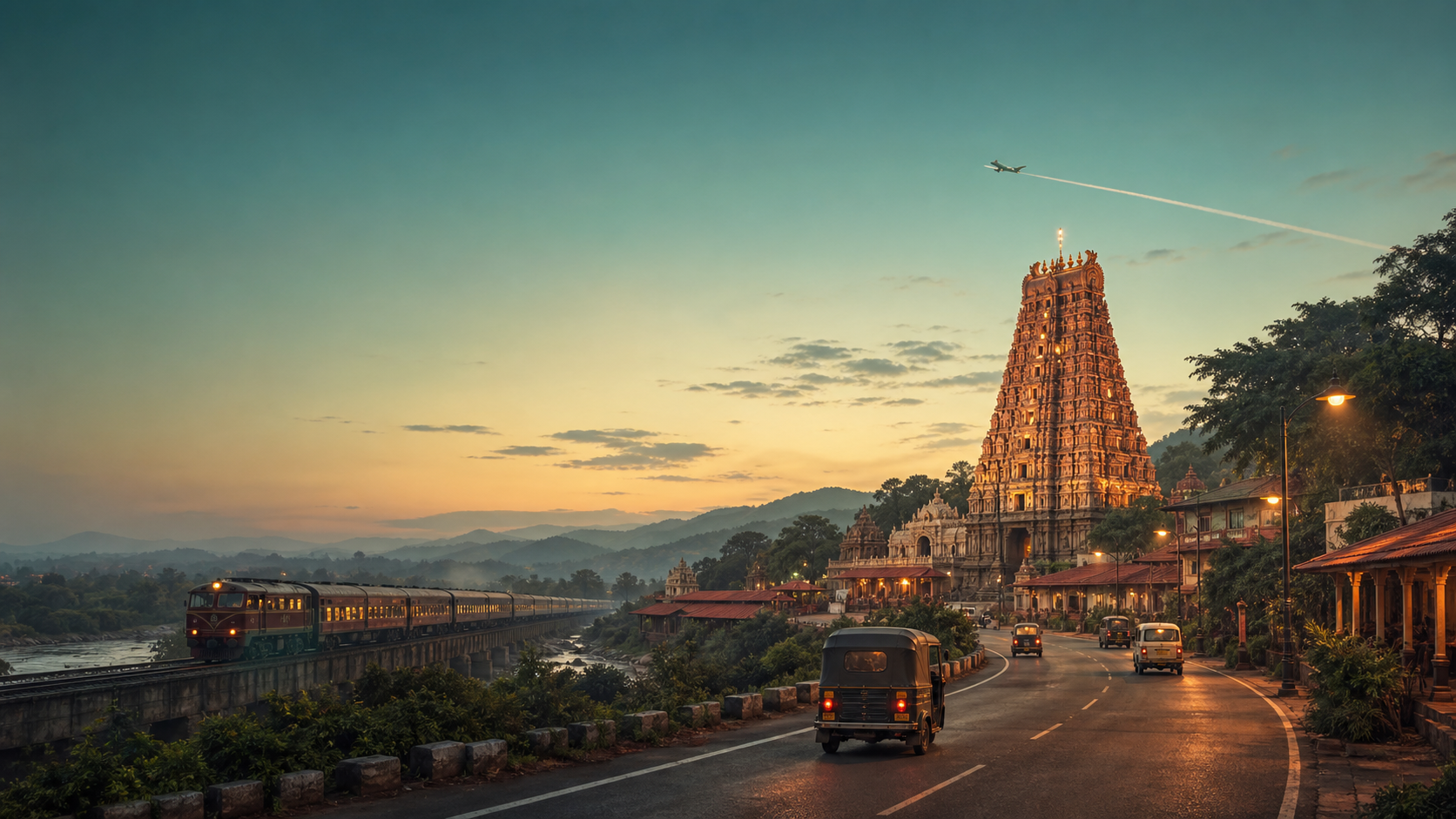
These sites are accessible via various modes: trains to Borivali (for Kanheri), Andheri (for Mahakali), and Thane (for Elephanta ferry access). Chhatrapati Shivaji Maharaj International Airport serves as the main air hub for Mumbai.
Respectful Exploration
Visitors are advised to wear modest clothing. Footwear removal is required at some shrines, and current timings and entry fees should be confirmed before visiting, as these details often require direct contact with temple offices or site authorities.
| Deity | Buddha |
|---|---|
| Form | Seated Buddha |
| Consort | Unknown |
| Sampradaya | Buddhist |
| Significance | Buddha is revered as the enlightened one who taught the path to liberation from suffering. His images in these caves served as focal points for meditation and monastic devotion. |
Kanheri: The Ancient Monastic University
Deep within the bustling modern city, yet nestled in the serene embrace of a national park, lie the ancient Kanheri Caves. For centuries, these rock-cut sanctuaries served as a thriving monastic university and a peaceful retreat for Buddhist monks. From the Satavahana era onwards, these caves flourished, sustained by the vibrant trade routes that crisscrossed ancient India and the generous patronage of various royal dynasties. The ingenuity of their builders is evident in the sophisticated water management system, which ensured the community's self-sufficiency, allowing the monks to dedicate themselves fully to the teachings of Buddha and their spiritual pursuits. The very walls resonate with the echoes of ancient chants and scholarly discussions.
Within these rock-hewn halls, the whispers of ancient monks still echo, guiding seekers on the path to enlightenment.
Carved from living rock, these caves stand as eternal testaments to human devotion and artistic mastery across millennia.
Related temples: Abeyadana Temple | Ajanta Caves
Scholarly Studies and Archaeological Research
The rock-cut caves surrounding Mumbai have been a focal point for scholarly inquiry for centuries, attracting historians, archaeologists, and art historians from across the globe. Early British colonial administrators and researchers, such as James Burgess and Alexander Cunningham, were instrumental in systematically documenting these sites in the 19th century, meticulously recording inscriptions, architectural layouts, and sculptural details. Their pioneering work laid the groundwork for understanding the chronology, patronage, and religious significance of these ancient monastic complexes. Epigraphic studies, in particular, have been crucial, deciphering Brahmi and Sanskrit inscriptions that reveal the identities of donors, the names of monastic orders, and the prevailing socio-religious conditions during their construction, offering invaluable primary source material for ancient Indian history.
Contemporary scholarly studies continue to expand upon these foundations, employing advanced methodologies and interdisciplinary approaches. Modern archaeological excavations around the cave precincts have unearthed artifacts, pottery, and structural remains, providing deeper insights into the daily lives of the monks, the surrounding settlements, and trade routes. Conservation scientists now analyze the geological stability of the rock, the deterioration of frescoes and sculptures due to environmental factors, and propose sustainable preservation strategies. Digital humanities play an increasing role, with 3D scanning and virtual reality reconstructions aiding in detailed architectural analysis and public engagement, ensuring that these magnificent historical sites are not only preserved but also continually reinterpreted and understood through a contemporary academic lens.
🗺 How to Reach
Hover a card to animate the journey on the map
Route to Temple
Common Questions
Where is Kanheri Caves Mumbai: Buddhist Rock-Cut Wonders Explored located?
Kanheri Caves Mumbai: Buddhist Rock-Cut Wonders Explored is documented at Mumbai (Maharashtra).
Which deity is associated with Kanheri Caves Mumbai: Buddhist Rock-Cut Wonders Explored?
Kanheri Caves Mumbai: Buddhist Rock-Cut Wonders Explored is associated with Shiva.
Related Temples


A Living Covenant