A complete pilgrim record drawn from the existing published article data.
The Genesis of Rock-Cut Art: A Historical Foundation
Ancient Origins and Spiritual Impetus
“In the cool, echoing silence of the rock-cut caves, one can almost hear the chisels of ancient monks and sculptors, each strike a prayer, each carving a testament to unwavering faith.”
Chronology of Excavation and Patronage
Architectural Grandeur: Crafting the Sacred in Stone
Engineering Feats and Artistic Innovation
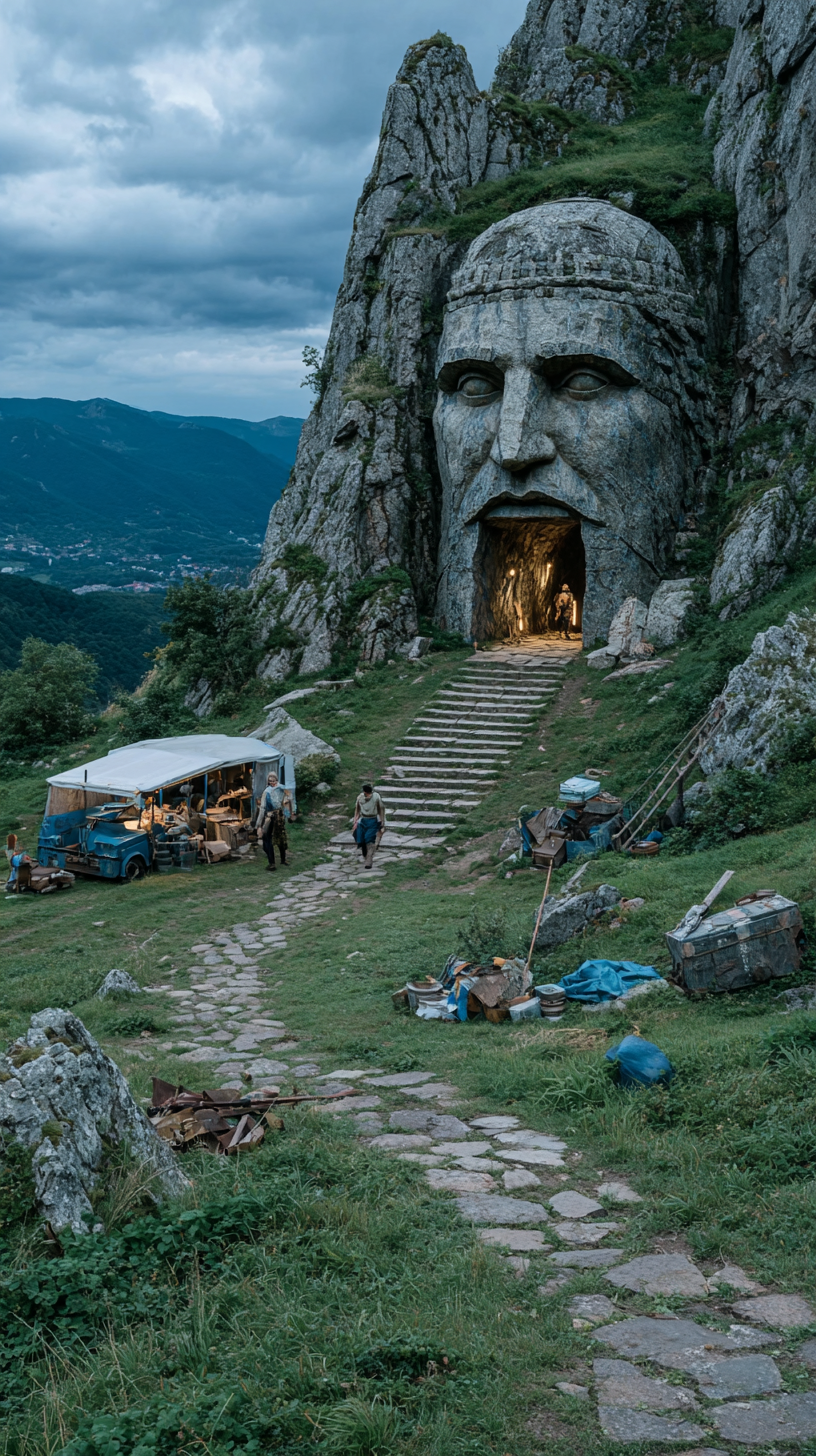
Diverse Architectural Typologies
The Art of Illumination and Symbolism
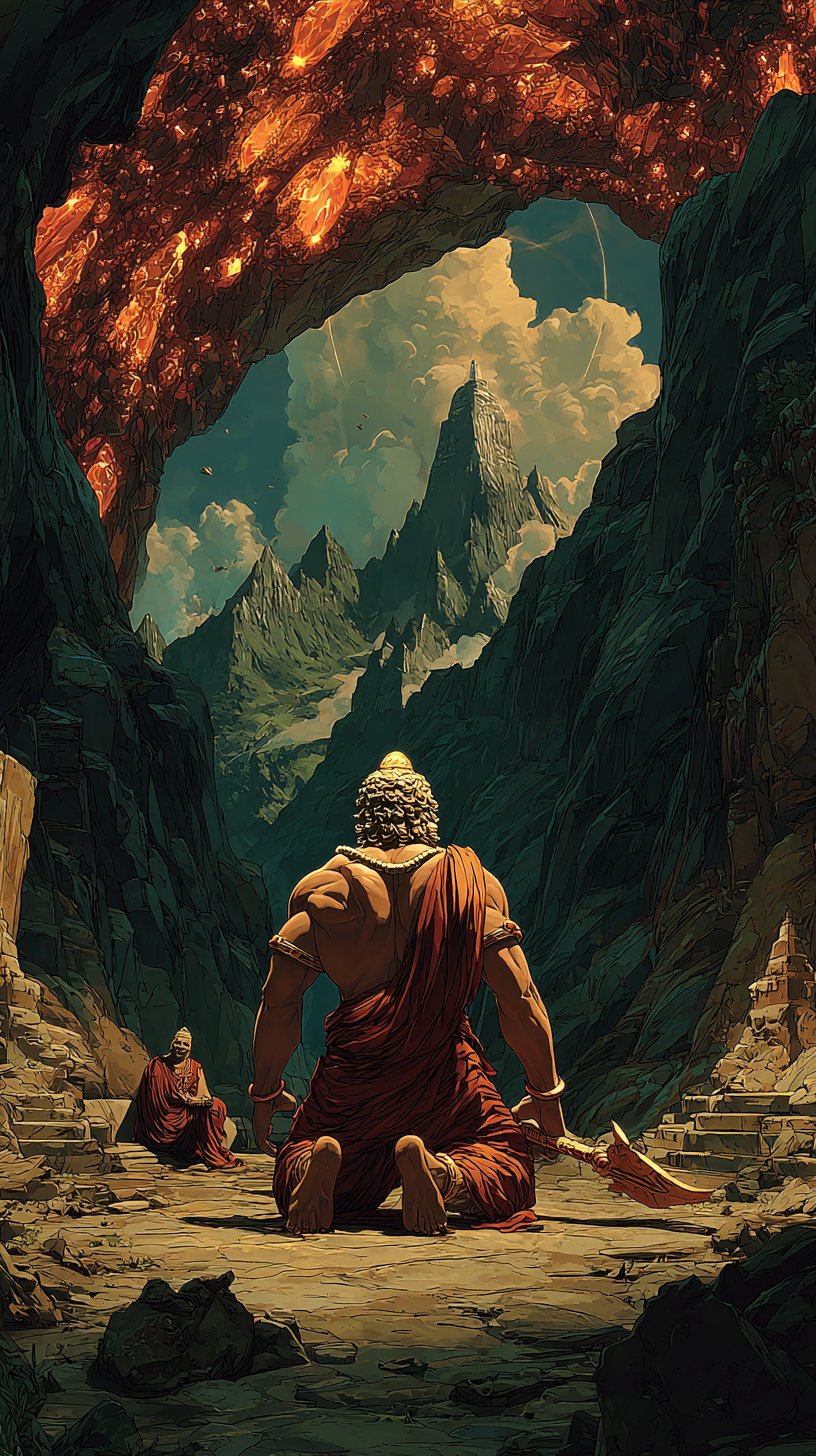
The Pantheon of Stone: Deities and Narratives
While the article focuses on the architecture itself, these rock-cut sanctuaries are incomplete without their inhabitants – the deities, saints, and mythological figures that populate their carved expanses. The caves served as vibrant centers of worship, meditation, and storytelling for diverse religious communities across millennia.
Multifaith Expressions in Rock
Buddhist Pantheon
Buddhist caves predominantly feature large, serene images of the Buddha in various mudras (hand gestures), signifying stages of enlightenment or teachings. Bodhisattvas like Avalokiteshvara and Padmapani, embodying compassion, are also frequently depicted, often with exquisite detailing. The narrative panels frequently illustrate Jataka Tales, stories of the Buddha's previous births.
Hindu Deities
Hindu rock-cut temples burst with dynamic energy, showcasing the vast pantheon of gods and goddesses. Dominant figures include Shiva in his various forms (Nataraja, Lingam), Vishnu (often with his avatars like Varaha or Narasimha), and powerful goddesses such as Durga and Lakshmi. These depictions often capture dramatic mythological episodes from the Puranas and Epics, rendered with astonishing movement and emotion.
Jain Tirthankaras
Jain caves are characterized by images of the Tirthankaras—ford-makers who have achieved liberation—most notably Mahavira. These figures are typically shown in meditative postures, either sitting or standing, symbolizing detachment and asceticism. They are often accompanied by Yakshas and Yakshinis, benevolent spiritual beings, and surrounded by intricate symbolic motifs.
Mythology Embodied: Stories Carved in Stone
The Samudra manthan (Churning of the Ocean)
A prominent Hindu myth often depicted, this narrative tells of gods and demons collaborating to churn the cosmic ocean to extract the elixir of immortality (Amrita). Mount Mandara serves as the churning rod, and the great serpent Vasuki as the rope. This complex tale, often seen in cave temples like Elephanta, symbolizes the eternal struggle between good and evil, and the pursuit of divine blessings.
The Mahajanaka Jataka
Found vividly illustrated in the Ajanta caves, this Buddhist Jataka tale recounts one of the Buddha's previous lives as King Mahajanaka. The story details his journey from luxury to renunciation, emphasizing themes of detachment, perseverance, and the ultimate quest for enlightenment. The detailed frescoes capture his royal life, his shipwreck, and his eventual ascetic practice.
Exploring the Wonders: A Visitor's Guide
Planning Your Journey: Logistics and Preservation
“To walk through these ancient rock-cut halls is to witness an epic dialogue between human aspiration and the raw power of nature, a dialogue that has echoed for millennia.”
Experiencing the Heritage: Etiquette and Insight
Echoes of Eternity: The Enduring Legacy
The Enduring Power of Subterranean Sanctuaries
Conservation and Future Prospects
 Cave architecture figure 7" loading="lazy" style="width:100%;border-radius:8px;" />

Restoration and Conservation Efforts
🗺 How to Reach
Hover a card to animate the journey on the map
Route to Exploring India's Majestic Cave Architecture and Spiritual Realms
Related Temples

A Living Covenant