



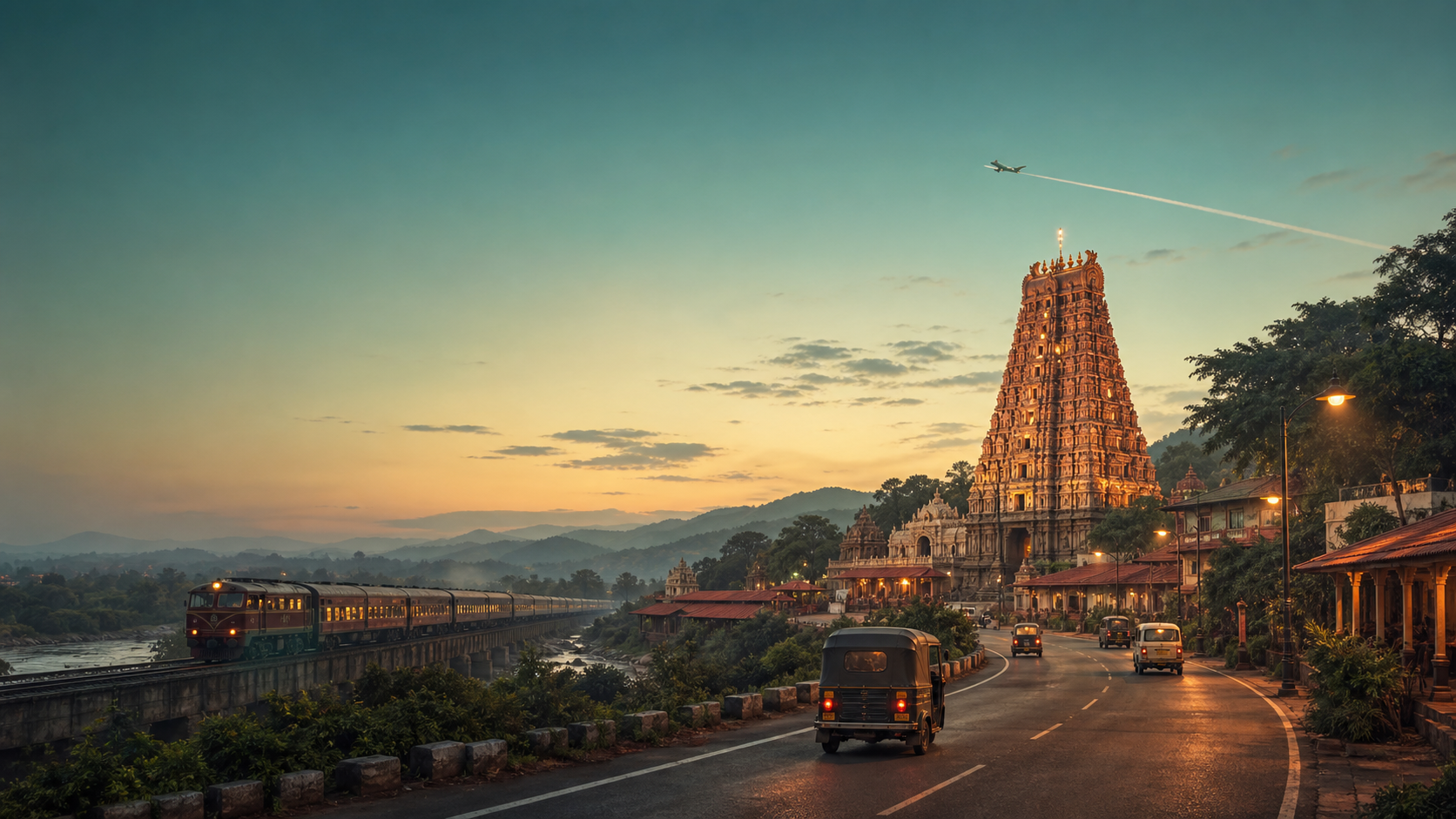
A complete pilgrim record drawn from the existing published article data.
Historical Foundation: Tracing Ujjain's Ancient Roots and Maratha Legacy
Ujjain, a city steeped in millennia of history, stands as a testament to India's rich cultural heritage. Its ancient roots trace back to the Vedic period, making it one of the oldest continuously inhabited cities in the world. Once the capital of the Avanti kingdom and a prominent center for learning and astronomy, Ujjain later witnessed the significant influence of the Maratha Empire. This section delves into the profound historical layers that define Ujjain, from its legendary origins to the architectural and spiritual contributions of the Maratha rulers, shaping the sacred landscape we see today.
Ancient Origins and Puranic References
Definition: Jyotirlinga
A Jyotirlinga is a devotional representation of Lord Shiva. The word 'Jyoti' means 'radiance' or 'light' and 'lingam' the 'sign' or 'symbol' of Shiva. There are twelve traditional Jyotirlinga shrines in India, believed to be places where Shiva appeared as an incandescent column of light.
Maratha Patronage and Reconstruction
The city of Ujjain, a revered pilgrimage center, experienced a significant period of revitalization and reconstruction under the patronage of the Maratha rulers. Following centuries of destruction and neglect, particularly during various invasions, many of its ancient temples were meticulously rebuilt, renovated, and expanded. This era marked a crucial turning point, restoring the spiritual and architectural grandeur of Ujjain's sacred sites and establishing the magnificent structures we admire today.
Key Historical Milestones
Architecture & Craftsmanship: A Blend of Styles and Sacred Geometry
The temples of Ujjain stand as magnificent testaments to centuries of architectural evolution and unparalleled craftsmanship. They present a captivating blend of diverse styles, often incorporating elements from Maratha, Mughal, and indigenous Malwa traditions, reflecting the city's rich historical layers. Beyond aesthetic appeal, these structures are meticulously designed with a deep understanding of sacred geometry, ensuring spiritual alignment and symbolic significance. From intricate carvings and detailed sculptures to grand structural layouts, every aspect showcases the devotion and artistic prowess of their creators, inviting closer examination of their unique features.
Structural Elements and Design Philosophy
"The Mahakaleshwar temple embodies a rare synthesis of ancient spiritual principles and the artistic pragmatism of the Maratha builders, creating a sacred space that resonates with both devotion and architectural brilliance."
— Temple Historian
Sculptural Grandeur and Iconographic Uniqueness
Ujjain's ancient temples are celebrated for their breathtaking sculptural artistry, a testament to centuries of devout craftsmanship and architectural brilliance. Each structure narrates tales through meticulously carved deities, mythological scenes, and intricate motifs that adorn their walls, pillars, and ceilings. Beyond mere aesthetics, these sculptures often embody unique iconographic representations, reflecting specific regional interpretations and spiritual nuances. This section delves into the distinctive artistic styles and symbolic forms that make the sculptural grandeur and iconographic uniqueness of Ujjain's sacred sites truly remarkable.
The Presiding Deity: Mahakaleshwar, Lord of Time
At the spiritual heart of Ujjain stands the revered Mahakaleshwar Jyotirlinga, the presiding deity of the ancient Mahakaleshwar Temple. Lord Shiva, in his fierce form as Mahakala, the 'Lord of Time', is one of the twelve self-manifested Jyotirlingas across India, making this shrine exceptionally sacred. Devotees flock here to seek blessings from this powerful manifestation of the divine, believing a visit bestows liberation and spiritual merit. This section delves deeper into the unique attributes and profound significance of Mahakaleshwar, exploring the legends surrounding his manifestation and the daily rituals that honor his presence.
Mahakaleshwar Jyotirlinga: The South-Facing Protector
The main deity, the Mahakaleshwar Jyotirlinga, is considered Swayambhu (self-manifested) and eternal. It is the only Jyotirlinga among the twelve to be Dakshinamurti, meaning it faces south. This orientation is highly significant in Shaiva tradition, as the south direction is traditionally associated with Yama, the god of death. Therefore, Shiva as Mahakaleshwar, facing south, is believed to be the ultimate protector against untimely death and bestower of liberation (moksha).
The sanctum houses this revered lingam, which is worshipped with immense devotion. The spiritual classification of Mahakaleshwar extends to being a Pancha Bhoota Sthala, specifically associated with Akasha (ether), signifying its expansive and all-encompassing nature.
Associated Deities:
- Consort Deity: Devi Parvati, worshipped as Mangalnath or Gauri in nearby temples, reinforcing the Shiva-Shakti union.
- Secondary Deities within the Complex: Kalabhairava, Nandi (the sacred bull, Shiva's vehicle), Ganesha, Saraswati, and Surya. The presence of Kalabhairava, another fierce manifestation of Shiva associated with time and death, further underscores the temple's profound spiritual power.
The spiritual tradition followed here is predominantly Shaiva, with pilgrims performing various abhishekam (ritual bathing) and pujas to seek the deity's blessings.
Festivals & Living Traditions: The Pulse of Devotion
Ujjain's temples are not merely ancient structures; they are vibrant centers where devotion thrives through a rich tapestry of festivals and living traditions. These celebrations, deeply rooted in Hindu mythology and local customs, breathe life into the spiritual landscape, drawing devotees from across the globe. From grand processions to intricate rituals, each festival embodies the city's profound religious fervor. Discover below the major annual events and enduring practices that truly capture the pulse of Ujjain's sacred heart.
The Grand Simhastha Kumbh Mela
25+ Million Annual Visitors
Ujjain welcomes over 25 million devotees annually, with 5-10 million attending during the Simhastha Kumbh Mela alone.
Mahashivratri and the Bhasma Aarti
Ujjain, a city deeply rooted in Hindu spirituality, observes Mahashivratri with extraordinary fervor, especially at the sacred Mahakaleshwar Jyotirlinga. This auspicious festival is a highlight for devotees, marked by elaborate rituals and an atmosphere of intense devotion. Central to Ujjain's spiritual identity is the revered Bhasma Aarti, a unique ash ritual performed daily before dawn, which attains an even more profound significance during Mahashivratri. Understanding the historical context, precise timings, and the spiritual essence of these practices enriches the pilgrimage experience.
Other Celebrations and Daily Rituals
Beyond the grand annual festivals, Ujjain's sacred sites are vibrant hubs of continuous devotion, marked by a rich tapestry of daily rituals and numerous other celebrations throughout the year. These practices are deeply ingrained in the spiritual life of the city, offering devotees constant opportunities for worship and connection. From the elaborate morning aarti to the serene evening bhajans, and a multitude of smaller, culturally significant events, each temple maintains unique traditions. Understanding these daily observances and annual celebrations provides deeper insight into the spiritual pulse of Ujjain's revered temples.
Plan Your Visit: Essential Information for Pilgrims
Planning a pilgrimage to the sacred city of Ujjain requires careful preparation to ensure a smooth and spiritually enriching experience. This section provides all the essential details you'll need to navigate your visit effectively. From understanding the historical significance of each temple to knowing their operating hours and the best ways to get there, we've compiled crucial information. Prepare yourself for a memorable journey by reviewing these practical tips, ensuring you make the most of your time in this ancient holy city.
Getting There: Accessibility and Transportation
- Nearest City: Ujjain itself is a well-connected city. The larger city of Indore is just 55 km away.
- Nearest Airport: The Devi Ahilya Bai Holkar Airport (IDR) in Indore is the closest, with good domestic connectivity. From Indore, you can hire a taxi or take a bus to Ujjain.
- Nearest Railway: Ujjain Junction Railway Station (UJN) is located within the city limits and is well-connected to major Indian cities.
- Local Transport: Ujjain has an extensive network of auto-rickshaws, city buses, and private taxis that operate throughout the city.
Best Time to Visit and Suggested Duration
- Best Season: The ideal time to visit Ujjain is from October to March, when the weather is cool and dry, making it comfortable for sightseeing and performing rituals. Avoid the summer months (April-June) due to extreme heat and the monsoon season (July-September) which can bring heavy rainfall.
- Suggested Duration: A minimum of 2-3 hours is required for a peaceful darshan and to participate in the rituals at Mahakaleshwar. However, to fully immerse yourself in the spiritual and cultural context, 1-2 days are recommended to explore nearby temples and other attractions in Ujjain.
Visit Rules and Etiquette
To ensure a respectful and smooth visit, please adhere to the following guidelines:
- Dress Code: Modest dress is required. Avoid shorts, sleeveless tops, and revealing attire. Traditional Indian wear is preferred, especially for men entering the Garbhagriha for Bhasma Aarti (dhoti for men is sometimes required).
- Prohibited Items: No leather items (belts, wallets, bags) are allowed inside the inner sanctum. Photography is strictly prohibited within the garbhagriha. Mobile phones may need to be deposited at designated counters.
- Footwear: Footwear must be removed before entering the temple premises. Shoe stands are available.
- Bhasma Aarti Booking: If you wish to attend the Bhasma Aarti, it is crucial to book your passes online well in advance through the official temple website, as entry is limited.
Nearby Temple Circuit and Attractions
Ujjain is surrounded by several other significant temples and historical sites that are worth exploring:
- Mangalnath Temple: Considered the astrological birthplace of Mars (Mangal), it is a unique temple dedicated to Lord Shiva and an important site for devotees seeking remedies for planetary afflictions.
- Harsiddhi Temple: One of the 51 Shakti Peethas, dedicated to Goddess Harsiddhi, a form of Parvati.
- Chintaman Ganesh Temple: A revered temple of Lord Ganesha, believed to be self-manifested, where devotees seek blessings for problem-solving.
- Gopal Mandir: An 18th-century Maratha-era Vishnu temple, showcasing exquisite Maratha architecture.
- Ram Ghat: The most sacred bathing ghat on the Shipra River, especially vibrant during the Kumbh Mela and daily evening aartis.
 Best Temples in Ujjain: History, Timings and How to Reach figure 1" loading="lazy" style="width:100%;border-radius:8px;" />


Related temples: Abeyadana Temple | Ajanta Caves
Sacred Stories & Mythology: Legends of Amrita and Mahakala
Ujjain, a city steeped in ancient lore, is a treasure trove of sacred stories and mythological narratives that have shaped its spiritual identity for millennia. Central to its profound heritage are the captivating legends surrounding the Samudra Manthan, particularly the tale of Amrita, the elixir of immortality, and its connection to the sacred Shipra River. Equally significant is the powerful mythology of Mahakaleshwar Jyotirlinga, where Lord Shiva manifests as Mahakala, the lord of time and death. These timeless tales not only explain the city's sanctity but also draw countless devotees.
The Samudra Manthana and the Spill of Amrita
The Manifestation of Mahakala
The Sthala Purana of Mahakaleshwar recounts the story of a demon named Dushana who tormented the people of Ujjain (then Avantika). Devotees, distressed by the demon's atrocities, prayed fervently to Lord Shiva. Moved by their devotion, Shiva manifested spontaneously as a colossal column of light, annihilating Dushana. This column of light, believed to be the Mahakaleshwar Jyotirlinga, stayed behind to eternally protect the city and its inhabitants, guarding the southern direction. It is a powerful reminder of Shiva's role as the destroyer of evil and the protector of dharma.
Vikramaditya and the Golden Age of Ujjain
Ujjain's illustrious past is profoundly shaped by the legendary Emperor Vikramaditya, whose reign is widely celebrated as a golden age for the ancient city. During this transformative period, Ujjain blossomed into a vibrant hub of intellectual, cultural, and economic activity, drawing scholars, artists, and traders from far and wide. Vikramaditya's visionary leadership and patronage fostered unparalleled advancements in arts, sciences, and literature, establishing Ujjain as a beacon of prosperity and innovation that profoundly influenced the region's spiritual and architectural landscape for centuries.
Saints, Poets & Devotees: Voices of Devotion and Wisdom
Ujjain, a city steeped in spiritual history, has been a beacon for countless saints, poets, and devotees throughout the ages. Their profound devotion and timeless wisdom have not only shaped the religious landscape of this sacred land but also left an indelible mark on its cultural fabric. Many of these revered figures found solace and inspiration within the hallowed precincts of Ujjain's ancient temples, composing hymns, articulating philosophies, and performing austerities that continue to resonate with pilgrims today. This section explores the lives and contributions of these influential voices.
Adi Shankara and the Revival of Sanatana Dharma
"In Ujjain, the very air hums with devotion, a testament to the countless sages and poets who walked these sacred grounds, their verses and prayers echoing through time."
— Local Elder
Kalidasa, Bhartṛhari, and the Literary Legacy
Beyond its spiritual significance, Ujjain holds a revered place in the annals of Indian classical literature, serving as an inspirational backdrop for some of the greatest minds. This ancient city nurtured an unparalleled literary legacy, deeply intertwined with the lives and works of legendary poets and philosophers. Foremost among these towering figures are Kalidasa, often hailed as the greatest Sanskrit dramatist, and Bhartṛhari, a profound philosopher and grammarian. Their timeless creations not only enriched Indian literature but also immortalized Ujjain's cultural and intellectual prowess, making it a beacon of artistic brilliance.
Records, Marvels & Heritage: Ujjain's Unique Distinctions
Mahakaleshwar Jyotirlinga and the city of Ujjain hold several unique distinctions, making them significant not just spiritually but also historically, scientifically, and culturally.
Unparalleled Uniqueness and Heritage Status
Pro Tip: Witnessing Bhasma Aarti
The Bhasma Aarti is an experience unlike any other. It is advisable to book your passes online well in advance due to high demand. Arrive early, dress modestly, and be prepared for an intensely spiritual and unforgettable ritual.
Engineering Marvels and Astronomical Significance
Ujjain, an ancient city renowned for its spiritual heritage, also stands as a testament to remarkable human ingenuity. This section explores the architectural brilliance and sophisticated engineering techniques embedded within its sacred structures, highlighting how ancient builders achieved enduring marvels. Furthermore, it delves into Ujjain's profound astronomical significance, historically recognized as a prime meridian and a pivotal center for celestial observations. Discover how these temples and related historical sites reflect a deep understanding of both construction and the cosmos, blending spiritual devotion with scientific insight.
Modern Significance and Conservation
Ujjain's ancient temples continue to hold immense modern significance, drawing millions of devotees and tourists annually and serving as vibrant centers of spiritual and cultural life. Beyond their historical allure, these sacred sites play a crucial role in the city's identity and economy. Recognizing their invaluable heritage, significant efforts are underway to ensure their meticulous conservation and sustainable management, balancing the preservation of their architectural grandeur and religious sanctity with the demands of contemporary pilgrimage and tourism.
🗺 How to Reach
Hover a card to animate the journey on the map
Route to Ujjain
Common Questions
Where is Mahakaleshwar Jyotirlinga, Ujjain: A Comprehensive Guide located?
Mahakaleshwar Jyotirlinga, Ujjain: A Comprehensive Guide is documented at Ujjain, Maharashtra.
Which deity is associated with Mahakaleshwar Jyotirlinga, Ujjain: A Comprehensive Guide?
Mahakaleshwar Jyotirlinga, Ujjain: A Comprehensive Guide is associated with Mahakaleshwar Jyotirlinga is located.
Related Temples


A Living Covenant