
A complete pilgrim record drawn from the existing published article data.
The city, historically known as Pragjyotishpura, holds deep mythological roots, making it a crucial pilgrimage destination in Northeast India.
History & Foundation
Ancient Origins of Pragjyotishpura
Guwahati's history dates back to ancient times, known as Pragjyotishpura, the capital of the Kamarupa kingdom. This region is extensively mentioned in Puranic texts, highlighting its profound historical and spiritual significance.
Archaeological studies, including the Ambari excavations, reveal human settlements from the 2nd century BCE to the 1st century CE, indicating a continuous habitation and cultural evolution over millennia. Discoveries like brick walls from the 9th–11th century CE further attest to its ancient urban development.

Mythological Rulers & Excavations
The city's foundation is deeply intertwined with the legend of Naraka, also known as Narakasura, who established Pragjyotishpura after defeating the Kirata king Ghatakasura. His son, Bhagadatta, later ruled the kingdom, playing a significant role in the Mahabharata epic.
These ancient narratives are supported by literary references in texts like the Kalika Purana, Brahma Purana, and Vishnu Purana, which chronicle the region's early rulers and their divine connections. The confluence of myth and archaeology makes Guwahati a fascinating historical site.
Architecture & Deity
The Principal Deity: Ganesha
The Shree Ganesh Mandir in Guwahati is dedicated to Lord Ganesha, the elephant-headed deity revered as the remover of obstacles and the god of wisdom and new beginnings. Devotees flock here to seek his blessings before embarking on new ventures.
Ganesha is a central figure in the Hindu pantheon, worshipped across various traditions. His presence in Guwahati reflects the region's syncretic Hindu traditions, blending Vaishnava and Shaiva influences, often with Tantric undertones as described in texts like the Yogini Tantra.

Architectural Context of Guwahati Temples
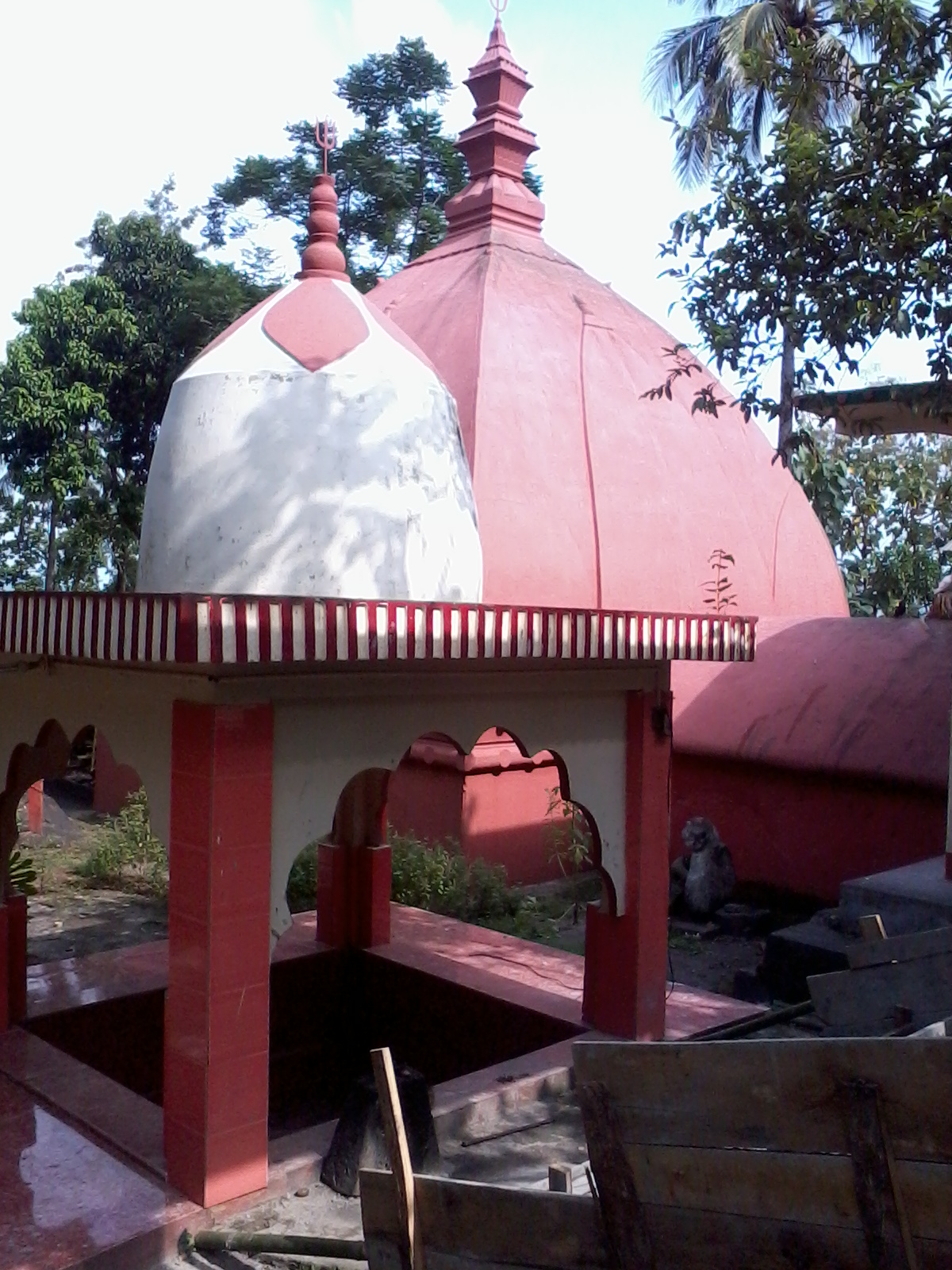
While specific architectural details for Shree Ganesh Mandir are not extensively documented, temples in Guwahati generally exhibit the regional Assamese style, often characterized by simple yet elegant structures. Many older temples feature stone and brick construction, reflecting indigenous building techniques.
The city's temple landscape, including sites like Kamakhya and Umananda, showcases diverse architectural elements that have evolved over centuries, influenced by various dynasties and spiritual movements. This rich architectural tapestry contributes to Guwahati's identity as a sacred hub.
Festivals & Traditions
Ganesh Chaturthi Celebrations
The most significant festival celebrated at Shree Ganesh Mandir and other Ganesha temples in Guwahati is Ganesh Chaturthi. This vibrant festival, occurring in the Hindu month of Bhadrapada (August–September), marks the birth of Lord Ganesha.

Assamese Spiritual Heritage
The city's temples serve as custodians of these ancient traditions, preserving rituals, arts, and philosophies passed down through generations. Festivals like Durga Puja and Diwali are also celebrated with great enthusiasm, reflecting the broader Hindu cultural ethos of the region.
Key Takeaway: Guwahati's festivals, especially Ganesh Chaturthi, offer a vibrant glimpse into its deep-rooted spiritual and cultural identity.
Visiting the Temple
Planning Your Visit
Guwahati is easily accessible by air and rail. The Lokpriya Gopinath Bordoloi International Airport is approximately 15 km west of the city center, while Guwahati Railway Station is centrally located. Local transport options include taxis, auto-rickshaws, and ride-sharing services.

Exploring the City of Temples
Beyond Shree Ganesh Mandir, Guwahati offers a rich temple circuit. Must-visit sites include the Kamakhya Temple on Nilachal Hill, the Umananda Temple on Peacock Island, and the Navagraha Temple on Chitrachal Hill. Each temple presents a unique spiritual and architectural experience.
Consider visiting Sukreswar Temple, Dirgheshwari Temple, and Basistha Temple to complete your spiritual journey. These sites collectively showcase why Guwahati truly earns its title as the "City of Temples." Umananda Temple, dedicated to Shiva, is another significant stop.
Pro Tip: Plan your temple visits early in the morning to avoid crowds and experience the serene morning rituals. Wear comfortable footwear as some temples involve climbing steps.

Definition: Pragjyotishpura — The ancient name for Guwahati, meaning "City of Eastern Astrology" or "City of Eastern Light," historically the capital of the Kamarupa kingdom.
Over 20 ancient temples dot the landscape of Guwahati, earning it the moniker "City of Temples."


Sacred Stories
The Legend of Narakasura
Guwahati's ancient name, Pragjyotishpura, is deeply linked to the legend of Narakasura. According to the Puranas, Naraka, born of Bhudevi and Varaha Vishnu, established this kingdom. He initially ruled righteously but later became tyrannical due to association with Banasura.
His reign of terror ended when Lord Krishna, accompanied by Satyabhama (an incarnation of Bhudevi), slew him. This epic battle is a cornerstone of the region's mythology, symbolizing the triumph of good over evil. "The slaying of Narakasura by Krishna marks a pivotal moment in the Puranic history of Pragjyotishpura."

Bhagadatta and the Mahabharata Connection
Naraka's son, Bhagadatta, inherited the kingdom and became a prominent figure in the Mahabharata. He was a powerful ally of the Kauravas during the Kurukshetra War, leading a formidable army of elephants. The city is also associated with the wedding of his daughter, Bhanumati, to Duryodhana.
A notable local legend states that Bhagadatta dug the Dighalipukhuri tank for his daughter's wedding, showcasing the deep integration of epic narratives into the local landscape. These stories underscore Guwahati's ancient royal and spiritual lineage. "Bhagadatta's legacy firmly roots Guwahati in the epic narratives of ancient India."
Cultural Impact
🗺 How to Reach
Hover a card to animate the journey on the map
Route to Guwahati
Related Temples



A Living Covenant