A complete pilgrim record drawn from the existing published article data.
This article will explore the mystical origins, architectural context, and the vibrant legends that surround this significant Hindu temple in Balikaria, Assam, inviting you to explore its layered story.
The Mystical Genesis: Legends Behind the Temple
The Fisherman's Dream and Divine Intervention
Lord Basudev's Plea
On the seventh day of the fisherman's plight, a local man named Gada Kahar experienced a profound dream. In this vision, Lord Basudev appeared, pleading for release from the entanglement in the pond. This dream, understood as a divine summons, became the catalyst for action, signaling a spiritual reality beneath the water's surface.
The Royal Act and Temple Foundation
"The dream of Lord Basudev served as the divine mandate, compelling the local rulers to act upon the spiritual reality unfolding in the water, transforming a simple pond into hallowed ground."
Architectural Echoes: Structure and Setting
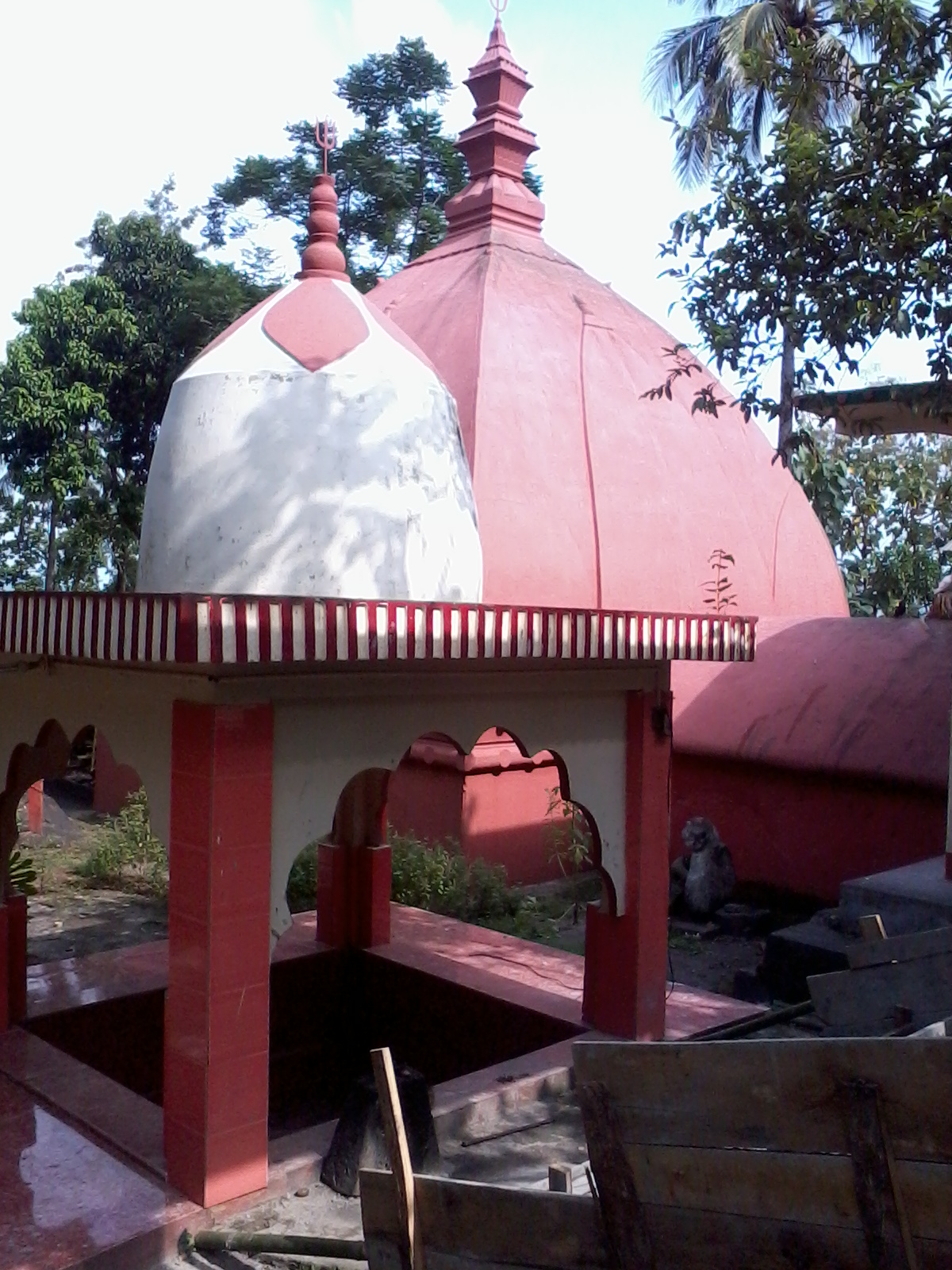
Form and Function: Regional Architecture
Sacred Landscape: The Nalbari Setting
"The temple's secluded location provides a perfect retreat from the hustle of modern life, offering an authentic connection to the natural rhythm of Assam, where devotion and nature intertwine seamlessly."
The surrounding environment acts as a living sanctuary, enhancing the spiritual experience for every visitor. This symbiotic relationship between the built structure and its natural habitat reinforces the temple’s identity as a place of profound peace and spiritual introspection, attracting not just devotees but also seekers of tranquility.
The Divine Presence: Basudev and the Temple
Lord Basudev: Iconography and Significance
Lord Basudev (Vishnu/Krishna)
Revered as a primary form of Vishnu and associated with Krishna, Lord Basudev embodies divine protection, preservation, and the ultimate reality. His presence at the Basudev Devalaya signifies the temple's role as a haven for spiritual solace and the fulfillment of devotional prayers, deeply resonant with the story of release and liberation.
Devotional Practices and Spiritual Resonance
At Basudev Devalaya, daily rituals (pujas) are performed according to traditional Vaishnavite practices, invoking the blessings of Lord Basudev. Devotees offer prayers, flowers, and incense, seeking divine grace for prosperity, well-being, and spiritual advancement. The chanting of mantras and devotional hymns fills the air, creating a serene and uplifting atmosphere.
Festivals and Community Life
Annual Rituals and Vibrant Celebrations
These celebrations are not just religious rituals; they are major social gatherings where the folklore, history, and daily life of the people of Nalbari are interwoven. The temple becomes a hub of activity, with special pujas, devotional music (kirtan), and community feasts. Visitors witness a lively display of devotion and regional customs.
Community Engagement and Cultural Preservation
Witnessing these festivals offers an unparalleled opportunity to experience authentic Assamese hospitality and community spirit. The temple, therefore, functions not only as a place of worship but also as a vital cultural institution, safeguarding the rich heritage and collective memory of the Assamese people, involving potentially thousands of participants annually.
A Traveller's Guide to Basudev Devalaya
We encourage you to explore related treasures in the region. Discover the spiritual depth of other ancient temples in Assam and continue your journey through the rich heritage of India's Northeast.


Getting There and Practical Information
Visitor Essentials and Local Etiquette
Photography may be permitted in designated areas but always seek permission before taking pictures, especially inside the shrine or of individuals. Consider carrying a small amount of cash for donations or to purchase local offerings. Embracing these guidelines ensures a harmonious and enriching experience for both visitors and the local community.
Explore Hajogriha Madhava Temple, a revered pilgrimage site in Hajo, Assam.A Chronicle in Stone: History and Patronage
The Ahom Dynasty and Temple Foundation
Key Historical Milestones
The construction of this temple during his reign underscores the Ahom kings' practice of integrating local religious narratives into the broader state-supported Hindu framework. This integration helped foster unity and legitimized royal power through divine association, showcasing a sophisticated approach to governance and faith.
Royal Patronage and Cultural Synthesis
🗺 How to Reach
Hover a card to animate the journey on the map
Route to Basudev Devalaya: Ancient Ahom Temple in Assam's Serene Landscape
Common Questions
Where is Basudev Devalaya: Ancient Ahom Temple in Assam's Serene Landscape located?
Basudev Devalaya: Ancient Ahom Temple in Assam's Serene Landscape is documented at Nalbari, Assam.
Which deity is associated with Basudev Devalaya: Ancient Ahom Temple in Assam's Serene Landscape?
Basudev Devalaya: Ancient Ahom Temple in Assam's Serene Landscape is associated with Shiva.
Related Temples



A Living Covenant