
A complete pilgrim record drawn from the existing published article data.
Discovering the Ancient Basistha Temple
The Basistha Temple, an ancient Shiva shrine in Guwahati, Assam, is a site of profound historical and spiritual significance. It serves as a unique pilgrimage destination, drawing devotees to its tranquil setting and embodying centuries of religious devotion.
Sacred Confluence
Nestled in the Garbhanga Reserve Forest, the temple sits at the confluence of three sacred streams: Sandhya, Lalita, and Kanta, enhancing its spiritual allure.
Ancient Origins
Dedicated to Lord Shiva, its origins are linked to the revered sage Basistha. The temple remains a vital spiritual hub, reflecting the region's deep religious traditions.
The Distinctive Architecture of Basistha Temple
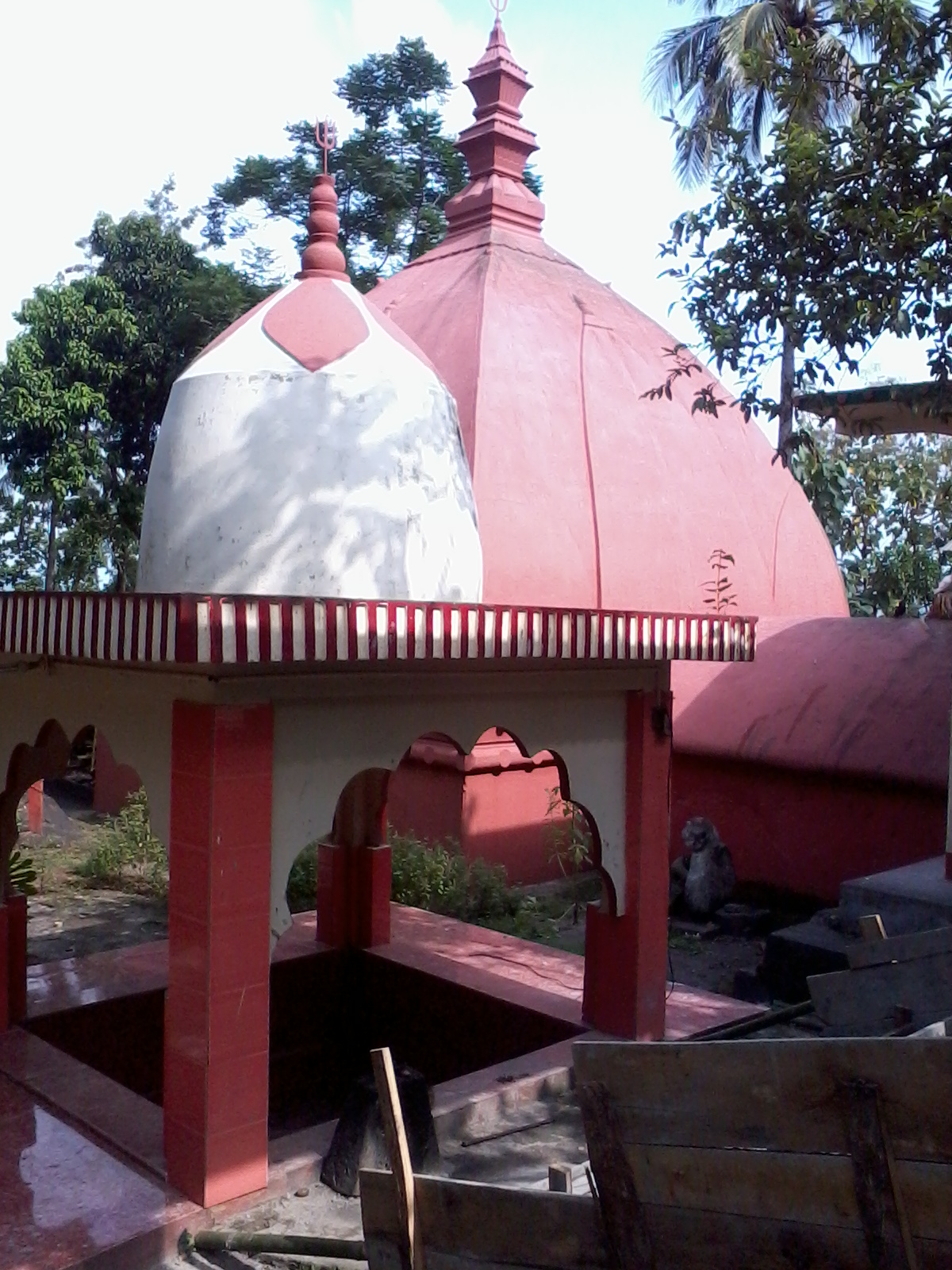
The Basistha Temple showcases distinctive Nilachal architecture, a style prevalent during the Ahom dynasty. Its unique features include a rare sunken _garbhagriha_ and the venerated footprint of Rishi Basistha.
Nilachal Architectural Style
Built under Ahom patronage, the temple follows the Nilachal architectural style, known for its curvilinear _shikhara_ and use of local materials.
The Sunken Garbhagriha
A rare design element is the temple's sunken _garbhagriha_. This unique sanctum places the primary sacred symbol below ground level, enhancing its distinctiveness.
Rishi Basistha's Footprint
Unlike typical Shiva temples, Basistha Temple venerates a sacred footprint of Rishi Basistha. This central feature in the inner sanctum emphasizes its dedication to the sage.
Basistha Muni and the Temple's Spiritual Core
The Basistha Temple holds profound spiritual significance, deeply intertwined with the revered sage Basistha Muni. It stands as an ancient Shiva site, unique for its form of worship that predates conventional idol installation, focusing instead on natural elements.
Rishi Basistha's Abode
Legend states that Rishi Basistha, one of the Saptarishis, established his ashram here, performing intense penance. The temple complex is believed to be the very location where the sage meditated.
Pre-Idol Shiva Worship
Unlike many temples featuring sculpted deities, Basistha Temple venerates a natural rock formation, believed to be a Shiva Lingam, within a cave. This aniconic worship signifies an archaic spiritual practice, linking the site to primordial devotion.
Experience the Serenity: A Visitor's Guide
Basistha Temple offers a peaceful retreat for devotees and tourists. Planning your visit ensures a fulfilling experience at this historic site, nestled amidst natural beauty and spiritual significance.
Optimal Visiting Times
The most pleasant time to visit Basistha Temple is during the cooler months, from October to March. Mornings and late afternoons are ideal to avoid peak heat and enjoy the tranquility.
Accessibility and Facilities
Located near Guwahati, the temple is readily accessible by road. Visitors can reach the site via local transport. Basic amenities are available for convenience within the temple complex.
Nearby Points of Interest
Beyond the temple, the Basistha Ashram area offers natural beauty, including a picturesque waterfall and a stream. These provide additional spots for contemplation and relaxation.
| Deity | Shiva |
|---|---|
| Form | Venerated through a rishi’s footprint (Rishi Basistha) |
| Consort | None mentioned |
| Sampradaya | Shaivism |
| Significance | One of the oldest continuously venerated Shiva sites in Assam, unique for housing a rishi’s footprint (believed to be of Rishi Basistha) in its garbhagriha instead of a conventional lingam. |
The Rishi's Eternal Abode
Legend tells of the revered sage Basistha, who sought a secluded sanctuary for deep meditation and spiritual enlightenment. He chose this serene location amidst the lush hills of Assam. To ensure a constant supply of sacred water for his rituals, Basistha, through his divine powers, created a confluence of three celestial streams: Katha, Lalita, and Kanta. It is said that the very spot where he meditated, a sacred footprint was left, which is now enshrined within the temple's unique sunken garbhagriha. This hallowed ground became his eternal abode, a place where his spiritual presence continues to bless devotees, making the Basistha Temple a site of profound reverence.
This ancient Shiva site in Assam features a rare sunken garbhagriha, where a revered rishi’s footprint, not a conventional lingam, is enshrined.
Basistha Temple Records
For centuries, Basistha Temple has been a continuously venerated Shiva site in Assam, uniquely housing a rishi’s sacred footprint within its sunken garbhagriha, rather than a traditional lingam.
Related temples: Ancient Greek temple | Bagheswari Temple, Bongaigaon
Tracing the History of Basistha Temple
The Basistha Temple, nestled amidst the scenic hills of Assam, boasts a history stretching back to ancient times, marking it as a site of continuous veneration. Its origins are deeply intertwined with the mythological narratives of Sage Basistha, establishing its sanctity as a significant Shiva pilgrimage center long before documented historical records.
Ancient Origins and Shiva Worship
Tradition attributes the temple's foundation to Sage Basistha, who is said to have established an ashram and worshipped Shiva at this very location. The presence of a lingam and a sacred cave reinforces its ancient character as a natural place of devotion, predating formal temple structures.
Ahom Patronage and Reconstruction
While the site's sanctity is ancient, much of the present-day temple complex reflects the significant patronage of the Ahom kings. During their reign, particularly in the 18th century, the temple underwent substantial reconstruction and renovation, solidifying its architectural form and ensuring its continued prominence as a religious institution.
Modern Pilgrimage and Tourism
The Basistha Temple continues to be a vibrant center for modern pilgrimage, attracting a steady stream of devotees from across Assam and neighboring regions. While its ancient roots are steeped in mythology and ascetic practices, today's pilgrims primarily visit to offer prayers, perform rituals like 'pujas' and 'havans', and seek blessings from Lord Shiva and the associated deities. Many come seeking spiritual solace, good fortune, or to fulfill vows, especially during auspicious Hindu months and festivals such as Maha Shivaratri. The tranquil environment, nestled amidst the foothills, offers a serene escape, reinforcing its role not just as a place of worship but also as a spiritual retreat where the faithful can connect with their heritage and beliefs in a contemporary context, ensuring its enduring relevance in the religious landscape of the Northeast.
🗺 How to Reach
Hover a card to animate the journey on the map
Route to Guwahati
Common Questions
Where is Basistha Temple: Ancient Shiva Shrine in Guwahati's Sacred... located?
Basistha Temple: Ancient Shiva Shrine in Guwahati's Sacred... is documented at Guwahati, Assam.
Which deity is associated with Basistha Temple: Ancient Shiva Shrine in Guwahati's Sacred...?
Basistha Temple: Ancient Shiva Shrine in Guwahati's Sacred... is associated with An Earlier Period.
Related Temples



A Living Covenant