
A complete pilgrim record drawn from the existing published article data.
History & Foundation
The city of Bardhaman holds immense historical importance, primarily as the administrative and cultural heart of the Maharajas of Burdwan. Their influence extended across lower Bengal, leaving an indelible mark on the region's development.
Foundation of Bardhaman Raj

The Bardhaman Raj was established in 1657 CE by Sangam Rai, a prominent figure from a Hindu Khatri family originating in Kotli, Lahore, Punjab. His descendants skillfully navigated the political landscape, serving both the formidable Mughal Emperors and later, the British government, ensuring the prosperity and continuity of their domain.
This strategic alliance allowed the Raj to flourish, becoming a significant power broker in the region. The family's roots in Punjab highlight a fascinating cross-regional connection in Indian history.
Legacy of the Maharajas

The prosperity of the Bardhaman Raj reached its zenith under the astute management of Maharaja Mahtab Chand (died 1879). His unwavering loyalty to the British government during critical periods, such as the Santhal rebellion (1855-56) and the Indian rebellion of 1857, earned him significant accolades.
This loyalty was formally recognized with the grant of a coat of arms in 1868 and the rare privilege of a personal salute of 13 guns in 1877. The East Indian Railway, connecting Howrah, further integrated the region in 1855, boosting its economic and strategic importance.
Patronage & Cultural Legacy
Maharajas as Patrons of Learning

The Maharajas, particularly Mahtab Chand Bahadur and Bijoy Chand Mahtab, were dedicated to enhancing the region's cultural, economic, and ecological health. A prime example of their commitment was the Burdwan Raj College, entirely supported by the maharaja's estate, which became a leading educational institution.
This focus on education and cultural development attracted scholars and artists, cementing Bardhaman's reputation as a hub of learning and artistic expression. Their efforts laid the groundwork for future generations of intellectuals and revolutionaries.
Architectural & Intellectual Endeavors

Beyond formal education, the Maharajas' patronage extended to literature and music. Figures like Sadhak Kamalakanta, a renowned composer of devotional songs, and Kashiram Das, celebrated for his poetic translation of the Mahabharata, thrived under their support. This era saw a flourishing of indigenous arts.
The city also became an important center for North-Indian classical music, attracting maestros and fostering a rich musical tradition that continues to resonate today. This cultural investment shaped the identity of Bardhaman.
Notable Figures & Events
Bardhaman's history is punctuated by remarkable individuals and pivotal events, ranging from acts of profound loyalty to revolutionary fervor, reflecting the complex tapestry of Indian history.
Acts of Courage & Loyalty

Maharaja Bijaychand Mahtab (born 1881), who succeeded in 1888, distinguished himself through an extraordinary act of courage. On November 7, 1908, he risked his own life to save that of Sir Andrew Fraser, the lieutenant-governor of Bengal, during an assassination attempt by freedom fighters.
"His loyalty to the government especially during the 'Hul' (Santhal rebellion) of 1855-56 and the Indian rebellion of 1857 was rewarded..."
This incident underscored the intricate relationships between the princely states and the British administration during a tumultuous period in Indian history.
Definition: Hul (Santhal Rebellion) - A major tribal uprising in eastern India against both the British colonial authority and corrupt zamindari system in 1855-56.
Literary & Revolutionary Contributions

Bardhaman also nurtured revolutionary spirits and literary giants. Pratap Chandra Roy published the world's first complete English translation of the Mahabharata (1883–1896), a monumental literary achievement. The region also produced the great rebel poet Kazi Nazrul Islam and the renowned scientist U. N. Brahmachari, famed for his Kala-azar research.
"Batukeshwar Dutt... is best known for having exploded a few bombs, along with Bhagat Singh, in the Central Legislative Assembly..."
Revolutionary Batukeshwar Dutt, born in 1910 in a Bardhaman village, gained fame for his act with Bhagat Singh in 1929. These figures highlight Bardhaman's role in India's struggle for independence and its intellectual awakening. Learn more about the Maharajas.
Cultural Flourishing & Traditions
The legacy of the Bardhaman Maharajas fostered a vibrant cultural environment that continues to influence the region. This patronage extended beyond education to encompass various forms of artistic expression and social development.
Artistic & Intellectual Hub

Enduring Cultural Impact

Exploring Bardhaman's Heritage
Bardhaman, with its rich historical tapestry and cultural significance, offers a compelling destination for those interested in India's past. Its strategic location and ancient roots make it an accessible and fascinating place to explore.
Reaching the Historical City

The city's average elevation is 40 meters (131 ft), situated on the fertile plains near the Damodar and Banka rivers. This geographical advantage contributed to its historical importance and agricultural prosperity.
Ancient Roots & Modern Access

Cultural Impact
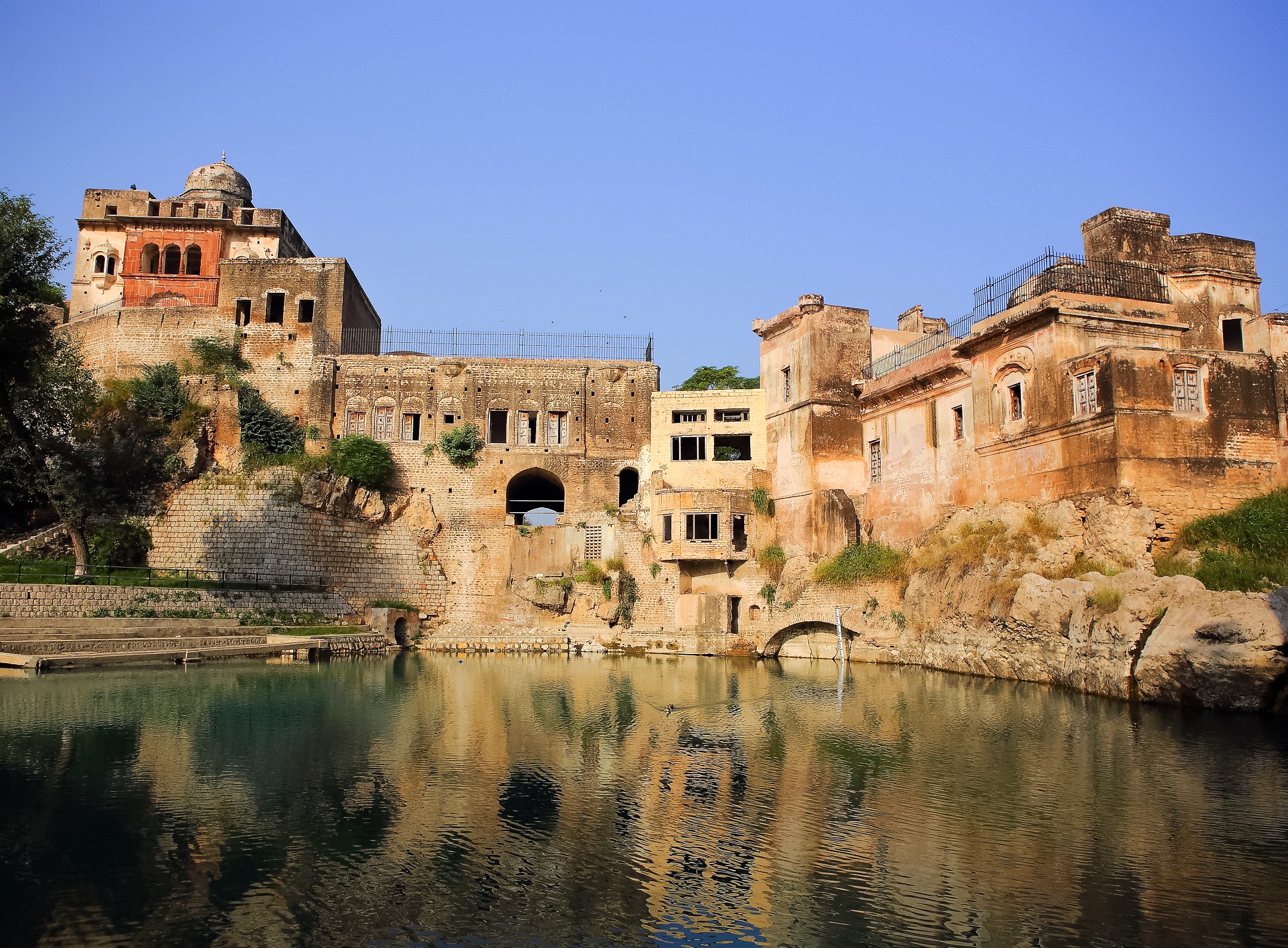
Related temples: Jain temple | Katas Raj Temples
🗺 How to Reach
Hover a card to animate the journey on the map
Route to Bardhaman
Related Temples


A Living Covenant