Temple No. 11MaharashtraBuddha and Bodhisattvas (Buddhist viharas, not deity-centric temples)

Bagh Caves

Explore the Bagh Caves, nine stunning rock-cut monuments in Madhya Pradesh, famed for ancient Buddhist architecture and vibrant mural paintings.

Direct answer: Bagh Caves: Ancient Buddhist Rock-Cut Art in Madhya Pradesh is a Hindu temple guide on Hindu Mandir Yatra covering the temple's location in Ajanta, Maharashtra and its association with Buddha and Bodhisattvas (Buddhist viharas, not deity-centric temples).

Ajanta, MaharashtraBuddha and Bodhisattvas (Buddhist viharas, not deity-centric temples)Maharashtra
Bagh Caves
Bagh Caves

A complete pilgrim record drawn from the existing published article data.
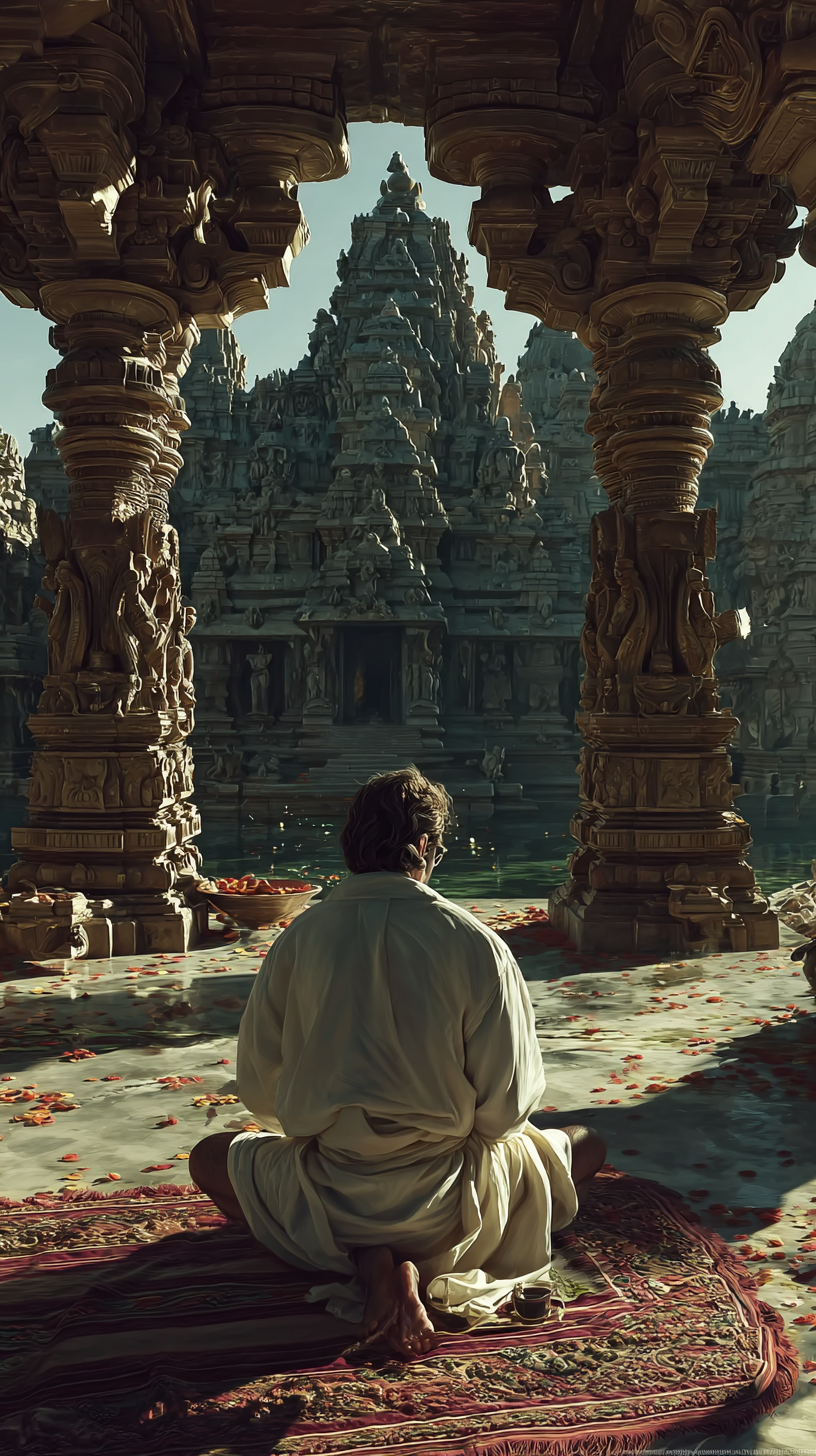
Panoramic view of the Bagh Caves carved into sandstone cliffs
The grand scale of the Bagh Caves in Madhya Pradesh.

Historical Foundation and Monastic Life

The Bagh Caves provide a rare glimpse into the flourishing Buddhist monastic traditions of ancient India. Their excavation during the Gupta period signifies an era of significant artistic patronage and religious zeal. These rock-cut sanctuaries served as vibrant centers for learning, meditation, and community life for Buddhist monks.

Origins and Patronage

Did You Know? The Gupta period (c. 320–550 CE) is often referred to as the "Golden Age of India" for its remarkable achievements in art, architecture, science, and philosophy, profoundly influencing subsequent cultural developments across Asia.

The Monastic Community at Bagh

Key Eras in Bagh Caves History

c. 400-600 CEPrimary period of excavation and artistic activity, influenced by the Gupta Empire.
1818First modern documentation by Lt. Dangerfield, a British military officer.
Early 20th CenturyInitial conservation and restoration efforts undertaken by the Archaeological Survey of India.
Present DayOngoing preservation challenges due to natural degradation and human impact.

The silence of the stone holds the vibrant narrative of a forgotten era of Indian spirituality.

Architectural Marvels of the Viharas

Design Principles and Layout
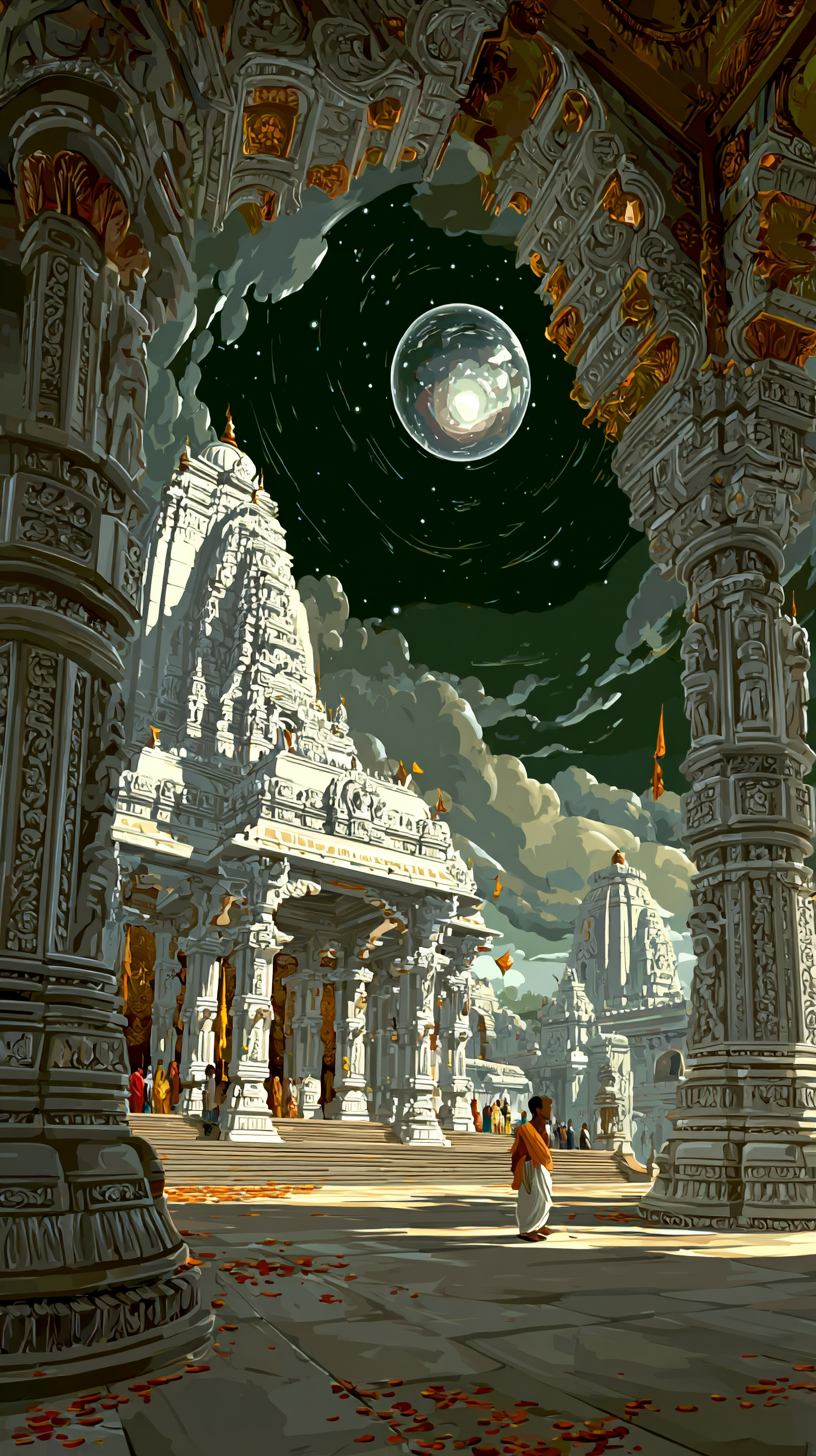
Interior layout of a Bagh Vihara cave
Interior layout of a Bagh Vihara cave.

Structural Engineering and Craftsmanship

Key Takeaway: The Bagh Caves represent a crucial, though often overlooked, chapter in Indian religious history, showcasing sophisticated rock-cut architecture deeply influenced by Buddhist monastic traditions and advanced engineering.

Presiding Deities and Sacred Iconography

The Absence of a Singular Deity

Bodhisattvas and the Buddhist Pantheon

Though without a single presiding deity, the Bagh Caves' murals extensively feature Bodhisattvas. These enlightened beings, who defer their own nirvana to help others achieve enlightenment, are central to Mahayana Buddhism. Depictions of Bodhisattvas like Avalokiteshvara (the Bodhisattva of Compassion) and Manjushri (the Bodhisattva of Wisdom) likely adorned the walls, serving as inspirations for altruism and spiritual wisdom for the monks and devotees. These figures embody virtues and serve as spiritual guides, reflecting the ethical framework of the Buddhist tradition.

Depictions of Bodhisattvas and Buddhist Lore

Conceptual image of spiritual atmosphere within Bagh Caves
Spiritual atmosphere within the Bagh Caves.

A Practical Guide for Explorers

Their exquisite murals, though fragile, continue to inspire awe and provide invaluable insights into a period of remarkable cultural achievements. The Bagh Caves truly hold a unique place in the pantheon of India's rock-cut wonders, challenging visitors to contemplate the enduring power of faith and artistic expression.

Related Temple: Ellora Caves
Bagh Caves figure 5
Bagh Caves — figure 5
Bagh Caves figure 6
Bagh Caves — figure 6
Bagh Caves figure 7
Bagh Caves — figure 7
Bagh Caves figure 8
Bagh Caves — figure 8
Bagh Caves figure 9
Bagh Caves — figure 9

Planning Your Visit and Accessibility

Legacy and Modern Significance

Conservation Efforts and Challenges

Related Temple: Ajanta Caves

Bagh Caves in the Indian Art Historical Context

Did You Know? The "Waghar School" of painting, characterized by its distinctive style of vibrant colors and dynamic compositions, is often associated with the murals of Bagh and Ajanta, reflecting a significant regional artistic development during the Gupta era.

The Canvas of Color: Mural Paintings

Artistic Style and Narrative Themes

The murals of Bagh are not just paintings; they are eloquent visual sermons, conveying centuries of spiritual wisdom and artistic grace.

Pigments and Preservation Challenges
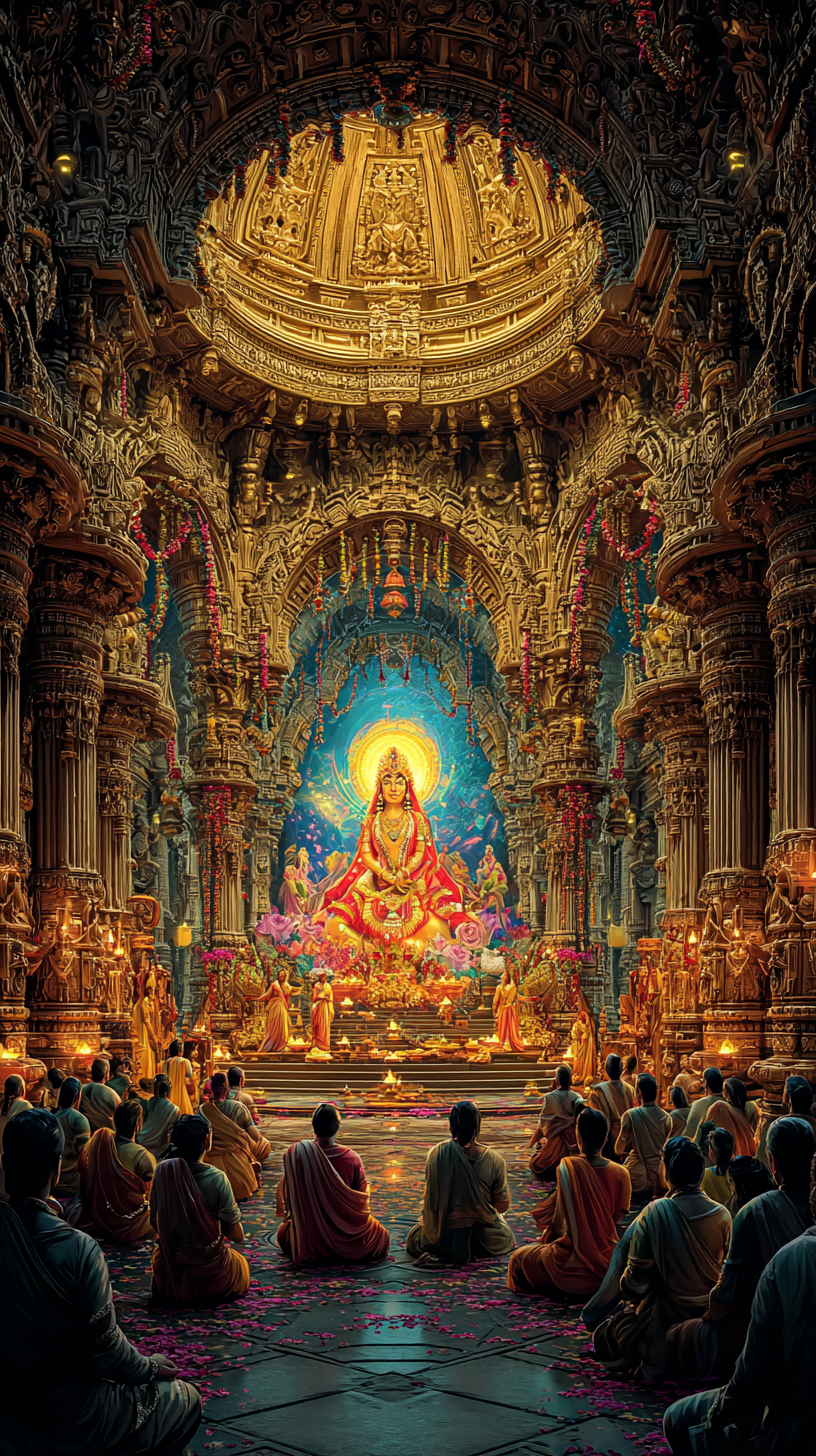
Close-up detail of a vibrant mural painting within a Bagh Cave
Vibrant murals adorning the walls of a Bagh Cave.

Sacred Stories and Allegories

Jataka Tales on Stone

The Story of the Bodhisattva's Compassion

Many narrative panels within the caves are believed to depict instances of Bodhisattvas sacrificing their own well-being for the welfare of others. For example, a common Jataka story, possibly represented here, tells of the Bodhisattva giving his own body to a starving tigress and her cubs, demonstrating boundless compassion and the ultimate selfless act necessary for achieving Buddhahood. These tales inspire viewers to cultivate similar virtues in their own lives.

Portraying the Path to Enlightenment

Procession of Elegance and Devotion

One of the most celebrated scenes, particularly from Cave 4, depicts a grand procession with elegantly adorned figures, including dancers, musicians, and noblemen. While secular in appearance, such scenes are often interpreted as allegories of the joys of enlightenment or the devotion offered by earthly rulers to the Buddhist faith. The dynamic movement and rich detail convey a sense of celebration and reverence, connecting earthly splendor with spiritual aspiration.
🛕
Bagh Caves: Ancient Buddhist Rock-Cut Art in Madhya Pradesh
Maharashtra · India
Maharashtra
Loading map…
✈️Delhi
🚂Mumbai
🚌Bengaluru

🗺 How to Reach

Hover a card to animate the journey on the map

✈️
By Air
Mumbai (BOM) / Pune (PNQ)
🚂
By Train
Chhatrapati Shivaji Terminus
🚌
By Road
Buses & taxis from Maharashtra
Pro tip: Book well in advance during major festival seasons.
Animated path

Route to Bagh Caves: Ancient Buddhist Rock-Cut Art in Madhya Pradesh

📍
Bengaluru
🚌
NH 44100 km · 2.5 hrs
Krishnagiri
NH 4495 km · 2 hrs
Salem
NH 44165 km · 3 hrs
Dindigul
NH 4465 km · 1.5 hrs
🛕
Madurai
🚌 Exit Bengaluru via Hosur Road
🚌BengaluruKrishnagiriSalemDindigulMaduraiNH 44

Common Questions

Where is Bagh Caves: Ancient Buddhist Rock-Cut Art in Madhya Pradesh located?

Bagh Caves: Ancient Buddhist Rock-Cut Art in Madhya Pradesh is documented at Ajanta, Maharashtra.

Which deity is associated with Bagh Caves: Ancient Buddhist Rock-Cut Art in Madhya Pradesh?

Bagh Caves: Ancient Buddhist Rock-Cut Art in Madhya Pradesh is associated with Buddha and Bodhisattvas (Buddhist viharas, not deity-centric temples).

A Living Covenant

The temple article remains powered by the same published content pipeline. This view is only a presentation layer over the existing Hindu Mandir Yatra article data.