
A complete pilgrim record drawn from the existing published article data.
Assam, a state in northeastern India, offers a rich tapestry of history and spirituality, nestled along the Brahmaputra and Barak River valleys. This 7-day itinerary guides you through its ancient temple sites, showcasing a unique cultural and devotional journey.
History & Foundation

Ancient Roots of Assam
Archaeological findings suggest human settlements in Assam from the Stone Age, with evidence dating back to the second to first century BCE. The region is mentioned in the ancient Hindu epic Mahabharata, hinting at its long-standing spiritual significance.
The Ambari site in Guwahati reveals Shunga-Kushana era artifacts, including stairs and a water tank from the 1st century BCE. These discoveries underscore Assam's deep historical layers, predating many known temple structures and offering a glimpse into early civilization.
Dynasties and Temple Building Eras
The Ahom kingdom, established in the 13th century, significantly shaped the region's cultural and religious identity until the early 19th century. This period saw various conflicts and a flourishing of temple building, leaving a rich architectural legacy for visitors to explore.
Key Historical Periods
- 2nd-1st Century BCE: Early settlements, Ambari artifacts in Guwahati.
- 4th Century CE: Assam as a frontier of the Gupta Empire.
- 350-650 CE: Rule by the Varmana dynasty.
- 655-900 CE: Mlechchha dynasty's influence.
- 900-1100 CE: Kamarupa-Pala dynasty's reign.
- 13th Century CE: Establishment of the Ahom kingdom.
- 19th Century CE: British influence and tea estates emerge.
Architecture & Deity
Architectural Influences
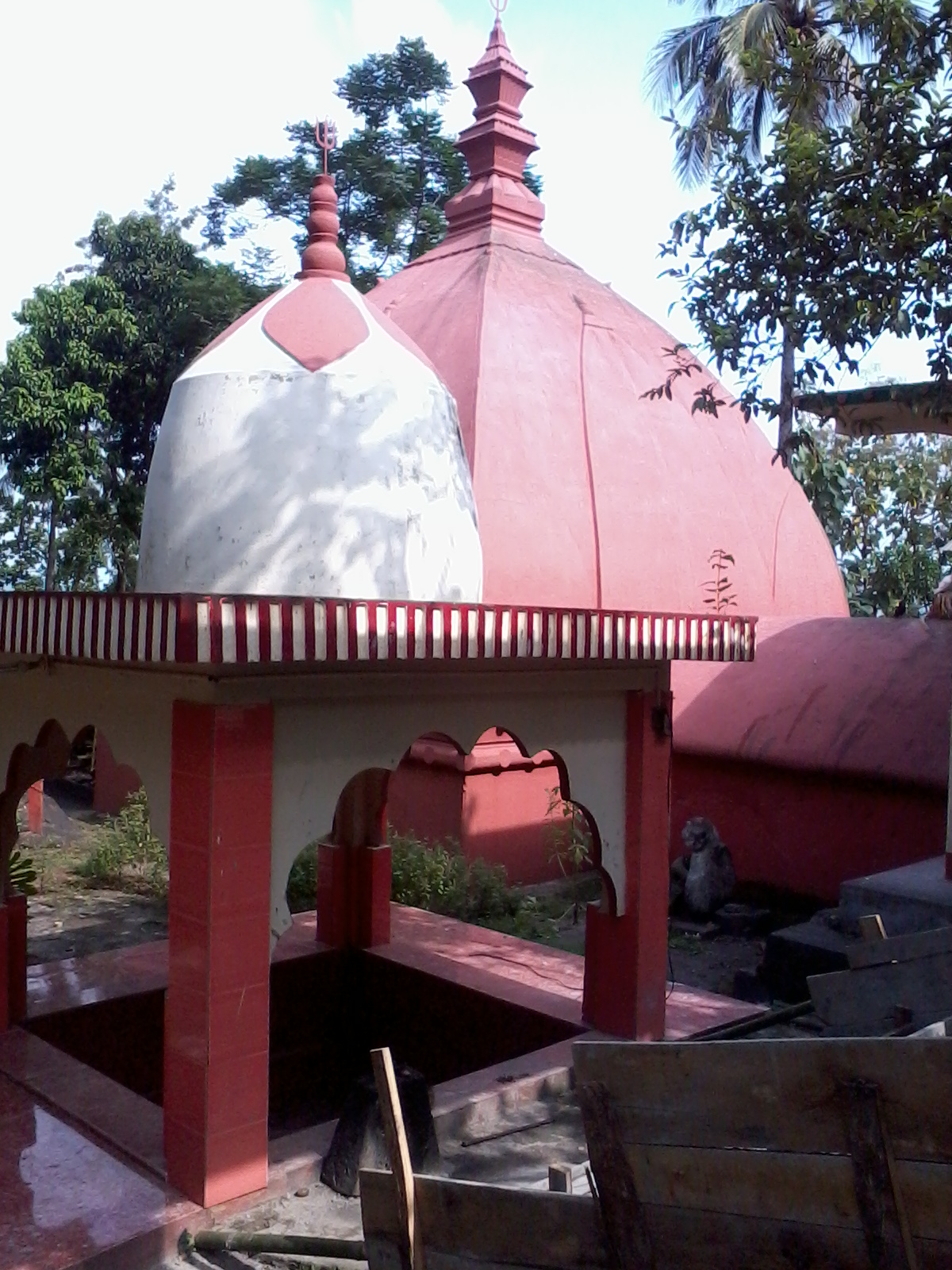
Visitors on this trail will encounter diverse temple designs, from ancient ruins hinting at early craftsmanship to more elaborate structures from later periods. The use of local materials and adaptation to the region's climate are common characteristics, making each site distinct.
Deities of the Brahmaputra Valley
Assam's temples predominantly venerate various Hindu deities, reflecting the state's spiritual diversity. Shiva, Vishnu, and Devi (various forms of the Mother Goddess) are commonly worshipped across the region. The presence of ancient sites suggests a long tradition of devotional practices, deeply embedded in the local culture.
Many temples are dedicated to specific forms of Devi, making the region a significant Shakti Peetha, revered centers of goddess worship. This spiritual focus draws countless pilgrims seeking blessings and spiritual solace, enriching the temple trail experience.
Festivals & Traditions
Vibrant Cultural Celebrations
Assam's temple calendar is punctuated by numerous festivals, reflecting its rich cultural traditions and agricultural cycles. Bihu, celebrated in three forms throughout the year, is central to Assamese life, often involving temple visits, community feasts, and traditional dances.
Other significant festivals include Durga Puja, Diwali, and various local temple-specific celebrations. These events are vibrant showcases of traditional music, dance, and rituals, offering a unique insight into local customs and the deep-rooted faith of the Assamese people.
Pilgrimage and Devotion
The temple trail provides an opportunity to witness and, at times, participate in the deep-rooted devotional practices of the Assamese people. Pilgrims often undertake journeys to specific temples for blessings, fulfilling vows, or seeking spiritual purification, especially during auspicious times.
"Experience the heart of Assamese devotion, where ancient rituals meet vibrant community spirit." These traditions are integral to the identity of the state and its sacred sites, offering a profound cultural immersion for every visitor.
Visiting the Temple
Planning Your 7-Day Itinerary
This 7-day itinerary offers a structured approach to exploring Assam's spiritual landscape. Start your journey in Guwahati, the largest city, which serves as a convenient gateway to many significant sites. Consider including temples near historical sites like Ambari for a deeper historical context.
Given Assam's vast area of 78,438 km², efficient travel planning is crucial. The state's diverse geography, from river valleys to hills, means varied travel times between locations. Prioritize sites based on historical significance, accessibility, and your personal interests.
Travel Tips for Pilgrims
Assam experiences significant rainfall, especially during the monsoon season (June to September). Plan your visit during the cooler, drier months (October to April) for comfortable travel and optimal sightseeing. Always research local customs and dress modestly when visiting sacred sites as a sign of respect.
Consider combining your temple visits with explorations of Assam's natural beauty, such as the Kaziranga National Park, home to the one-horned rhinoceros, or the sprawling tea estates. This enriches the overall experience of the state, blending spiritual discovery with natural wonders.
For more insights into regional spiritual journeys, explore our guide on Northeast India Pilgrimage.
Sacred Stories
Legends of Ancient Kamarupa
Local folklore and temple legends often recount stories of gods, goddesses, and powerful kings. These narratives imbue the temple sites with spiritual energy and cultural depth, offering visitors a glimpse into the region's rich imaginative heritage and the beliefs that shaped it.
Spiritual Significance
Many temples along the trail are associated with specific miracles or divine manifestations, enhancing their sanctity. These stories, passed down through generations, reinforce the spiritual power of the sites and attract devotees seeking profound spiritual experiences and blessings.
"The ancient stones of Assam whisper tales of gods and kings, inviting pilgrims to connect with a timeless spiritual legacy." The blend of history and myth creates a compelling pilgrimage experience, resonating deeply with visitors.
Local Cuisine & Accommodation
🗺 How to Reach
Hover a card to animate the journey on the map
Route to Dispur
Related Temples



A Living Covenant