
A complete pilgrim record drawn from the existing published article data.
History & Foundation
Early Settlements & Dynasties
Archaeological findings suggest human habitation in Assam from the Stone Age, particularly in hills at 1,500 to 2,000 feet, likely due to accessible dolerite basalt for tool-making.

The Ambari site in Guwahati has yielded Shunga-Kushana era artifacts, including stairs and a water tank, possibly dating back 2,000 years to the 1st century BCE. This indicates sophisticated early urban planning.

Historically, Assam was a frontier region of the Gupta Empire in the 4th century CE. It was subsequently ruled by significant dynasties: the Varmanas (c. 350–650 CE), Mlechchhas (c. 655–900 CE), and Kamarupa-Palas (c. 900–1100 CE), each contributing to the region's cultural fabric.

Ahom Kingdom & British Era
The Ahom kingdom, established in the 13th century CE, profoundly shaped Assam, ruling until the early 19th century. This period saw frequent conflicts with the Mughals, defining much of its medieval history.

Following the Moamoria rebellion and Burmese invasions, the Ahom kingdom weakened. The British then began establishing tea estates in the 19th century. Assam became part of the Bengal Presidency, and the Assam Province was formed in 1912. The state joined independent India in 1947.

Architecture & Deity
Architectural Heritage
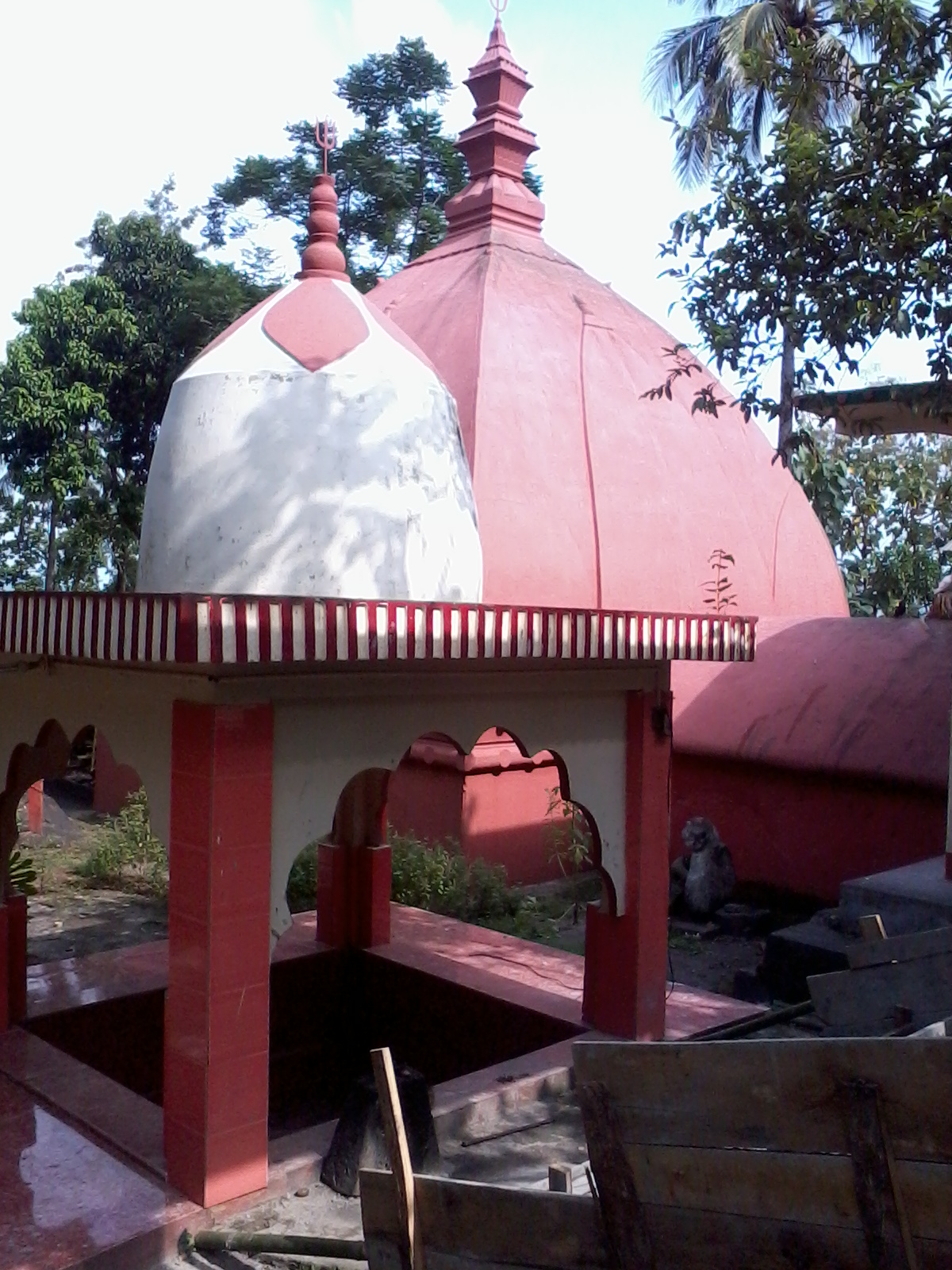
While specific temple architectural styles are diverse across Assam, the historical periods of its ruling dynasties, from the Varmanas to the Ahoms, saw the construction of numerous religious structures. These often blended local traditions with broader Indian architectural influences.

The enduring presence of temples from various eras, though sometimes in ruins, speaks to a rich tradition of religious patronage and skilled craftsmanship. These structures are vital for understanding the region's artistic and engineering prowess.
"Assam's temples are silent witnesses to centuries of devotion and architectural evolution."Deities & Spiritual Significance
Though no single primary deity is specified for all ancient temples, the region is deeply rooted in Hindu traditions. Temples across Assam are dedicated to various deities, reflecting diverse spiritual practices and beliefs prevalent over millennia.

The Brahmaputra River itself holds immense sacred significance, often revered as a deity. This spiritual connection to nature is a defining characteristic of Assamese religious life, influencing temple locations and rituals.
Many ancient temples served as centers of learning and cultural exchange, fostering spiritual growth and community cohesion. They remain important pilgrimage sites today.
Festivals & Traditions
Vibrant Celebrations
Assam's cultural calendar is marked by a variety of festivals, many of which have ancient origins and are deeply intertwined with its religious sites. While specific temple festivals are numerous, they generally reflect the agricultural cycles and reverence for nature.

The state's rich biodiversity and abundant rainfall, feeding the Brahmaputra River system, play a central role in these traditions. Festivals often involve rituals dedicated to prosperity, harvest, and the well-being of the community.
Unique Cultural Practices
Beyond religious observances, Assam is renowned for its distinctive cultural products. Assam silk, a Geographical Indication, represents centuries of weaving tradition and craftsmanship.

Similarly, Assam tea, discovered in the region in 1867, is not just an economic driver but also a significant part of the local heritage and daily rituals. These traditions reflect the state's unique identity.
Visiting the Temple
Planning Your Journey
Assam is well-connected, with Guwahati serving as its largest city and a major hub. The state is accessible via the Siliguri Corridor, a vital link to the rest of India. Dispur is the capital, offering administrative insights.

When planning a visit, consider exploring the region's natural wonders alongside its temples. Assam is home to World Heritage Sites like Kaziranga National Park and Manas National Park, famous for the one-horned Indian rhinoceros.

Experiencing Assam's Heritage
A visit to Assam offers a chance to immerse oneself in a land where ancient history, vibrant culture, and breathtaking nature converge. Explore the archaeological sites to witness the remnants of past civilizations.
Pro-Tip: Engage with local guides to gain deeper insights into the specific legends and historical significance of each temple or site you visit. Their knowledge can greatly enrich your experience.
"Every stone here carries the prayers of generations who came before."
"Ancient Temples of Assam: History, Architecture and Legends is not just a temple — it is a living chronicle of faith."
Sacred Stories
Legends of the Land
Assam finds mention in the ancient Hindu epic Mahabharata, connecting it to a vast tapestry of Indian mythology. While archaeological evidence for these specific narratives is scarce, the epic's references underscore the region's ancient spiritual importance.

The land itself, with its mighty rivers and lush forests, is imbued with numerous local legends and folk tales. These stories often explain natural phenomena, the origins of communities, and the sanctity of specific places.
"The rivers and hills of Assam whisper tales of gods, heroes, and ancient wisdom."Cultural Narratives
These sacred stories are not merely historical anecdotes; they form the bedrock of Assamese cultural identity. They are passed down through generations, influencing art, music, and daily life.
The legends reinforce a deep respect for nature and a sense of continuity with the past, connecting contemporary Assamese people to their ancient roots and spiritual heritage. They contribute to the unique cultural diversity of India.
Restoration and Conservation Efforts
🗺 How to Reach
Hover a card to animate the journey on the map
Route to Dispur
Related Temples



A Living Covenant