A complete pilgrim record drawn from the existing published article data.

Historical Foundations and Sacred Narratives
The Legend of Parashurama
Parashurama's Divine Consecration
The legend narrates that Lord Parashurama, after reclaiming the land of Kerala from the sea, established numerous temples to consecrate the newly formed land. Among these sacred institutions, he personally consecrated the idol of Lord Sastha at Achankovil. This act of divine installation, passed down through generations, ensures the temple's deep spiritual roots and its enduring significance in the regional religious landscape.
A Haven for Healing: The Snakebite Cure
Architectural Splendor and Traditional Design
Kerala Temple Architecture: Key Features
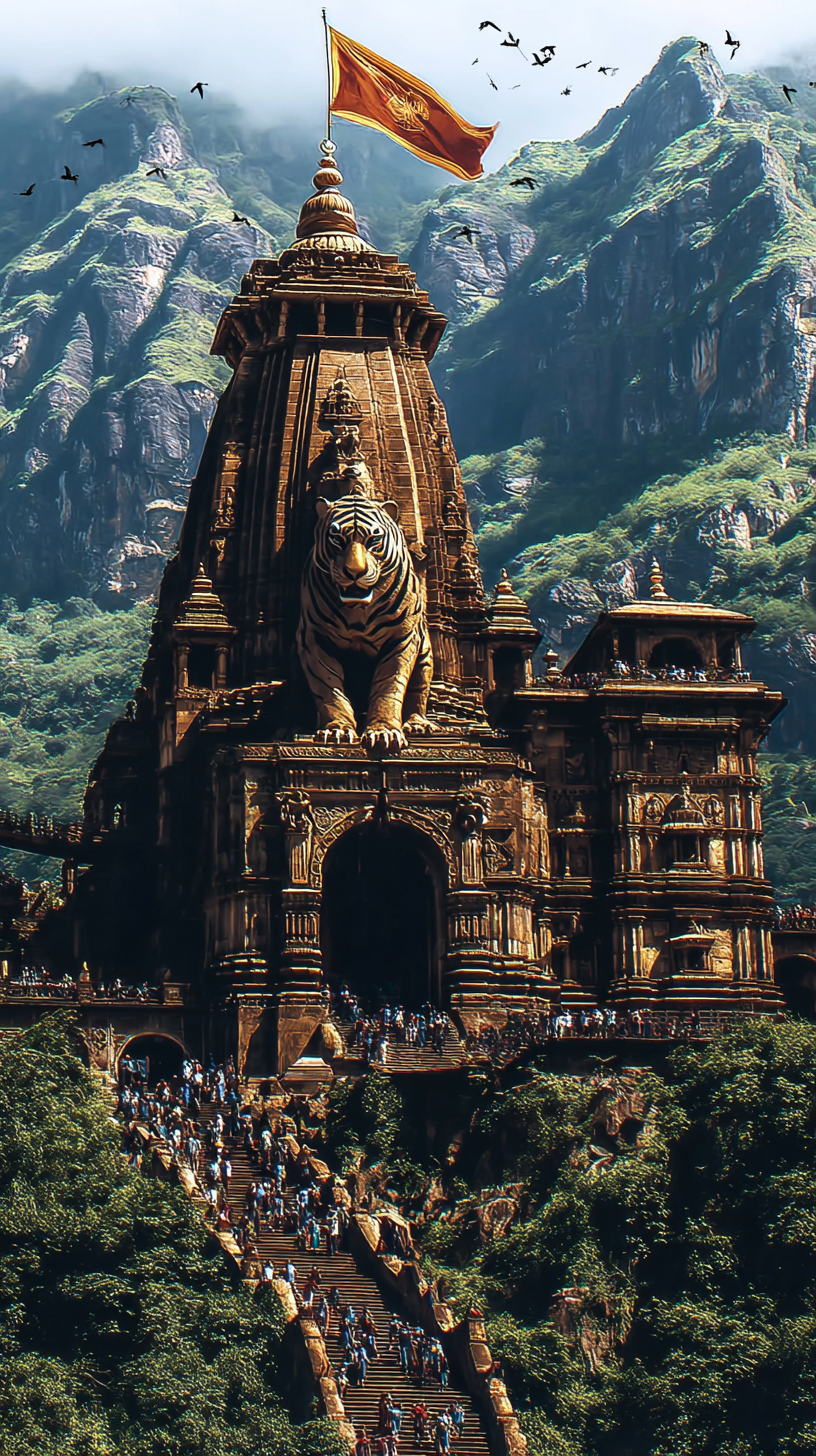
The Achankovil Sastha Temple showcases the distinctive architectural style characteristic of Kerala's rich cultural heritage. Its design emphasizes functionality, natural integration, and intricate wooden craftsmanship. The temple's arch, prominently adorned with sculptures of Sastha and his consorts, serves as a striking central feature and a gateway to its spiritual core.
The intricate carvings and detailing throughout the temple complex reflect the remarkable craftsmanship of its builders, telling stories in stone and wood that have captivated devotees for generations.
Intricate Craftsmanship and Symbolism
Every element within the temple complex, from its gopurams to its mandapams, features intricate carvings and detailing that speak volumes about the artistry of its creators. These architectural nuances are not merely decorative; they carry profound symbolic meanings embedded in Hindu mythology and philosophy. The traditional materials and construction techniques contribute to the temple's enduring beauty and structural integrity.
Presiding Deity and Divine Family
Lord Sastha: The Householder and Protector
At the spiritual core of Achankovil Sastha Temple resides Lord Sastha, uniquely depicted as a Gṛhastha, or householder. He is enshrined alongside his divine consorts, Purna and Pushkala, symbolizing prosperity and spiritual perfection. This familial representation of Sastha offers a comforting and relatable divine presence for devotees, emphasizing balance and domestic harmony.
Lord Sastha (Achankovil Andavan)
Lord Sastha, a manifestation believed to be born from the union of Shiva and Vishnu (as Mohini), is a revered protector deity. At Achankovil, he is worshipped in his householder form, accompanied by his two consorts. Devotees pray to him for protection, prosperity, and relief from ailments, particularly snakebites, making him a compassionate and powerful protector figure.
Purna and Pushkala
Purna, symbolizing perfection and abundance, and Pushkala, representing plenitude and spiritual energy, are the divine consorts of Lord Sastha. Their presence alongside the main deity signifies holistic well-being, spiritual fulfillment, and the completeness of the divine household. They embody the feminine energies that complement Sastha's protective nature.
The Pantheon of Subordinate Deities
Beyond the central shrine of Lord Sastha, the temple complex hosts a vibrant array of subordinate deities, each contributing to the rich spiritual tapestry. Among these are shrines dedicated to Bhagavati, Maalikapurathamma, Durga, and Nagaraja. The worship of these diverse deities reflects the syncretic nature of Hindu traditions in Kerala.
Vibrant Festivals and Ritualistic Celebrations
The Grandeur of Mandala and Makaram Pujas
Cultural Spectacles: Therottam and Karuppanthullal
Achankovil Sastha Temple is not merely a place of worship; it is a living testament to Kerala's rich spiritual and cultural heritage, where ancient traditions continue to thrive and inspire new generations.
Visitor's Essential Guide
For more insights into Kerala's spiritual heart, consider visiting Sabarimala Temple, another revered Sastha shrine, and the historically significant Kulasekhara Perumal Temple.


Location, Connectivity, and Accessibility
Planning Your Visit: Best Seasons and Tips
The ideal time to visit Achankovil Sastha Temple is during the cooler months, specifically from October to February. This five-month window not only offers pleasant weather conditions but also coincides with the temple's major festivals, including the Mandala and Makaram Pujas. Visiting during these periods allows devotees to experience the temple's vibrant cultural and spiritual atmosphere in full splendor.
Introduction to Achankovil Sastha Temple
Origins and Geographical Setting
Divine Consecration and Unique Reputation
🗺 How to Reach
Hover a card to animate the journey on the map
Route to Achankovil Sastha Temple: Kerala's Serpent-Healing Sanctuary
Common Questions
Where is Achankovil Sastha Temple: Kerala's Serpent-Healing Sanctuary located?
Achankovil Sastha Temple: Kerala's Serpent-Healing Sanctuary is documented at Sabarimala, Kerala.
Which deity is associated with Achankovil Sastha Temple: Kerala's Serpent-Healing Sanctuary?
Achankovil Sastha Temple: Kerala's Serpent-Healing Sanctuary is associated with Murugan.
Related Temples


A Living Covenant