A complete pilgrim record drawn from the existing published article data.
Tracing the Legacy: History of Visvanatha Temple
The Visvanatha Temple possesses a profound historical narrative, its origins tracing back to ancient eras. While specific founding dates are subject to scholarly debate, archaeological findings confirm its establishment long before many other significant monuments in Bhubaneswar. The temple thrived under the patronage of several powerful dynasties, including the Somavamsis and the Eastern Gangas, who contributed to its architectural enhancements and religious prominence. Its resilience through centuries of change underscores its enduring legacy as a continuous center of devotion and a cornerstone of Kalingan heritage.
Ancient Origins
The temple's foundational elements are believed to date back to the early medieval period, possibly even earlier.
Dynastic Patronage
Various ruling dynasties, notably the Somavamsis and Eastern Gangas, played crucial roles in its construction and renovation.
Enduring Presence
Despite invasions and natural calamities, the temple has remained an active place of worship for over a millennium.
Kalingan Splendor: Architecture of Visvanatha Temple
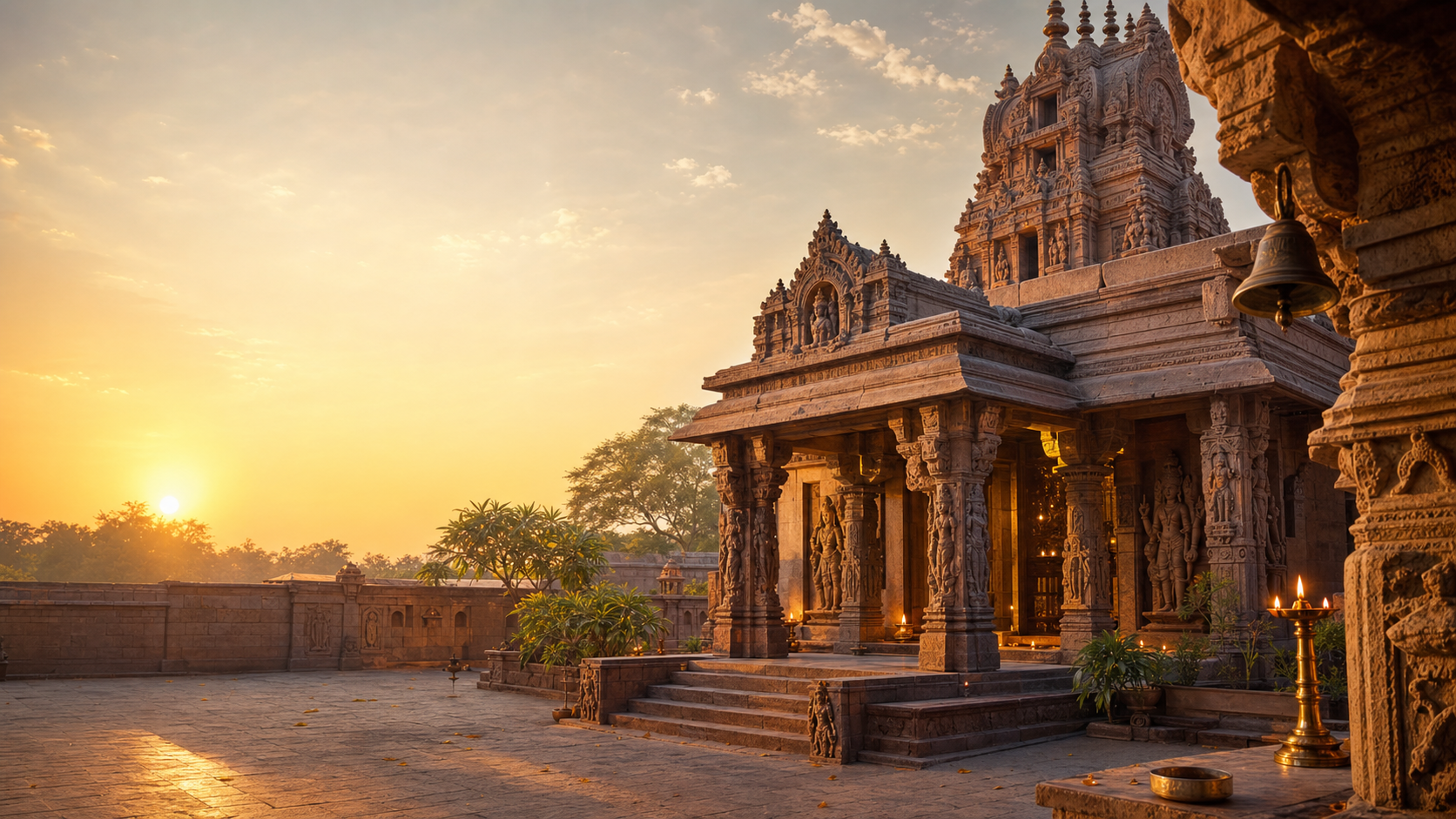
The Visvanatha Shiva Temple stands as a magnificent testament to the distinctive Kalingan architectural style. It features a towering rekha deula, which houses the sanctum, and an adjoining jagamohana, or assembly hall, both meticulously crafted. The temple's design showcases an intricate blend of aesthetic grandeur and structural ingenuity. Its exterior surfaces are richly adorned with elaborate sculptures, depicting a pantheon of deities, celestial beings, mythical beasts, and scenes from Hindu epics. This intricate craftsmanship highlights the artistic brilliance and engineering prowess of the ancient Odishan artisans, solidifying its status as a masterpiece of temple architecture.
Rekha Deula and Jagamohana
The main tower (rekha deula) over the sanctum and the front porch (jagamohana) are characteristic features, soaring upwards with curvilinear profiles.
Exquisite Sculptural Art
The temple is renowned for its detailed carvings of divine figures, dancers, musicians, and floral motifs that cover its exterior walls.
Material and Construction
Constructed primarily from sandstone, the temple employs interlocking techniques without mortar, a hallmark of Kalingan engineering.
Lord Visvanatha: Deity and Mythology
Lord Visvanatha is the presiding deity, a revered manifestation of Shiva, the Destroyer and Transformer within the Hindu trinity. Devotees believe that worshipping Visvanatha grants spiritual merit and fulfills desires. The temple's mythology is deeply intertwined with local legends and Puranic narratives, often linking it to other significant Shiva shrines. Stories recount Shiva's presence in this sacred space, emphasizing his benevolent and formidable aspects. The lingam enshrined in the garbhagriha is considered highly potent, attracting pilgrims seeking blessings and spiritual liberation and reinforcing the temple's profound spiritual importance.
Manifestation of Shiva
Visvanatha is worshipped as a form of Shiva, representing the universal lord, often associated with Varanasi's Kashi Visvanatha.
Lingam Worship
The central object of veneration is the Shiva Lingam, symbolizing the unmanifested and infinite nature of Shiva.
Associated Legends
Local folklore and Puranic tales narrate the temple's divine origins and the miracles attributed to Lord Visvanatha.
Experiencing Devotion: A Visitor's Guide
To ensure a meaningful and respectful visit to the Visvanatha Shiva Temple, it is advisable to be aware of practical details. The temple operates during specific hours: 6:00 AM to 12:30 PM and 4:00 PM to 9:00 PM, with free entry for all devotees and tourists. The ideal period for a visit is from October to March, offering pleasant weather. Visitors are encouraged to wear traditional or modest attire as a mark of respect, and removing footwear is mandatory before entering the sacred precincts. Allocating 1 to 2 hours allows ample time to appreciate the architecture and partake in the spiritual ambiance.
Timings and Entry
The temple is open daily from 6:00 AM to 12:30 PM and 4:00 PM to 9:00 PM. Entry is free of charge.
Dress Code and Etiquette
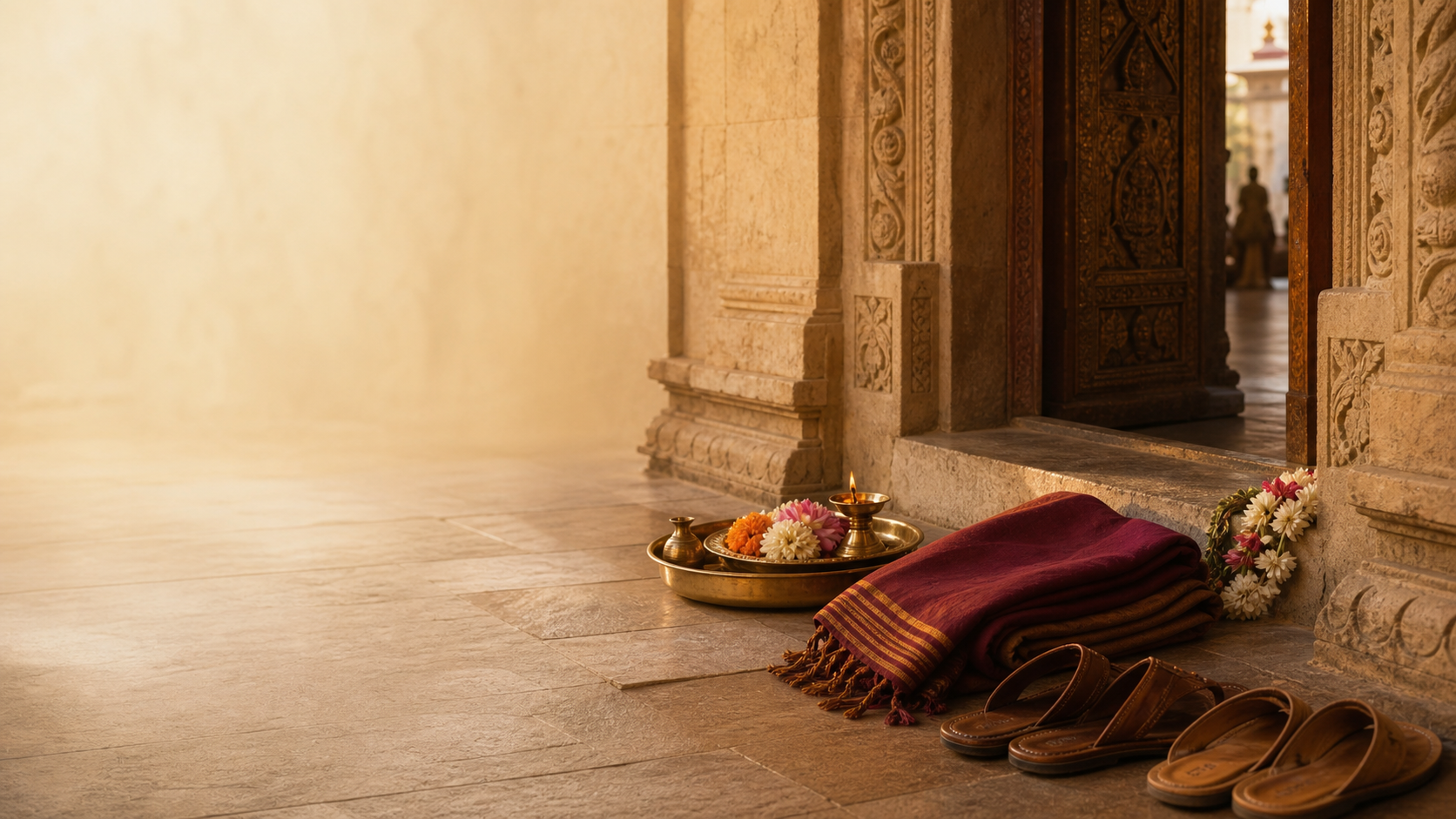
Modest, traditional attire is recommended. Visitors must remove shoes before entering the temple and maintain respectful silence.
Best Time to Visit
The cooler months from October to March are ideal for visiting, avoiding the summer heat and monsoon season.
| Deity | Visvanatha |
|---|---|
| Form | Unknown. The specific form or iconography of Visvanatha at this temple is not described. |
| Consort | Not specified |
| Sampradaya | Hindu |
| Significance | Unknown. The spiritual role or significance of Visvanatha at this temple is not detailed. |
No Specific Legend Recorded
While the Visvanatha Shiva Temple is a revered site of worship in Bhubaneswar, specific mythological stories or founding legends directly associated with this particular temple are not detailed in available records. Devotees primarily visit to offer prayers to Lord Visvanatha, experiencing the divine presence of Shiva in a setting dedicated to his universal form. The temple's spiritual significance lies in its role as a local center for Shiva worship, drawing pilgrims who seek blessings and spiritual solace through devotion to the Lord of the Universe.
In the heart of devotion, Shiva manifests, granting peace to all who seek His grace.
The temple stands as a beacon of faith, where ancient traditions echo through time.
The Sacred Abode of Visvanatha: An Overview
The Visvanatha Shiva Temple, located in Bhubaneswar, Orissa, is a revered pilgrimage site embodying deep spiritual significance and a rich historical context. Dedicated to Lord Shiva, it serves as a focal point for devotees seeking divine blessings and solace. The temple's ancient origins and continuous worship reflect its enduring importance in the spiritual landscape of Eastern India. It showcases the region's artistic and religious traditions, making it a vital cultural landmark that attracts visitors from across the globe.
Spiritual Significance
The temple is primarily dedicated to Lord Visvanatha, a manifestation of Shiva, believed to grant wishes and offer liberation to sincere devotees.
Historical Context
Dating back to ancient times, the temple has witnessed numerous historical periods, each leaving its mark on its structure and traditions.
Pilgrimage Destination
As a major Shiva shrine, it attracts countless pilgrims, especially during auspicious festivals like Maha Shivaratri.
🗺 How to Reach
Hover a card to animate the journey on the map
Verified routes to Visvanatha Shiva Temple
Common Questions
Where is Visvanatha Shiva Temple: Bhubaneswar's 19th-Century Gem located?
Visvanatha Shiva Temple: Bhubaneswar's 19th-Century Gem is documented at Bhubaneswar, Orissa.
Which deity is associated with Visvanatha Shiva Temple: Bhubaneswar's 19th-Century Gem?
Visvanatha Shiva Temple: Bhubaneswar's 19th-Century Gem is associated with Visvanatha.