




A complete pilgrim record drawn from the existing published article data.
Echoes of the Past: A Glimpse into Tripura's Temple History
Tripura's temples are historical repositories, reflecting centuries of royal patronage and evolving religious practices. Many date back to the Manikya dynasty, who were devout worshippers and instrumental in their construction and maintenance. These structures often blend indigenous architectural elements with influences from neighboring regions, showcasing a unique syncretic tradition. Their origins are frequently intertwined with local legends and significant historical events, providing a tangible link to Tripura's rich past. The temples have witnessed periods of prosperity and conflict, yet they stand as enduring testaments to the state's spiritual resilience.
Royal Endowments
The Manikya kings were prolific builders, commissioning many of the state's most significant temples.
Historical Evolution
Temples reflect architectural and cultural shifts across different historical periods, from early structures to later additions.
Stones and Stories: The Unique Architecture of Tripura Temples
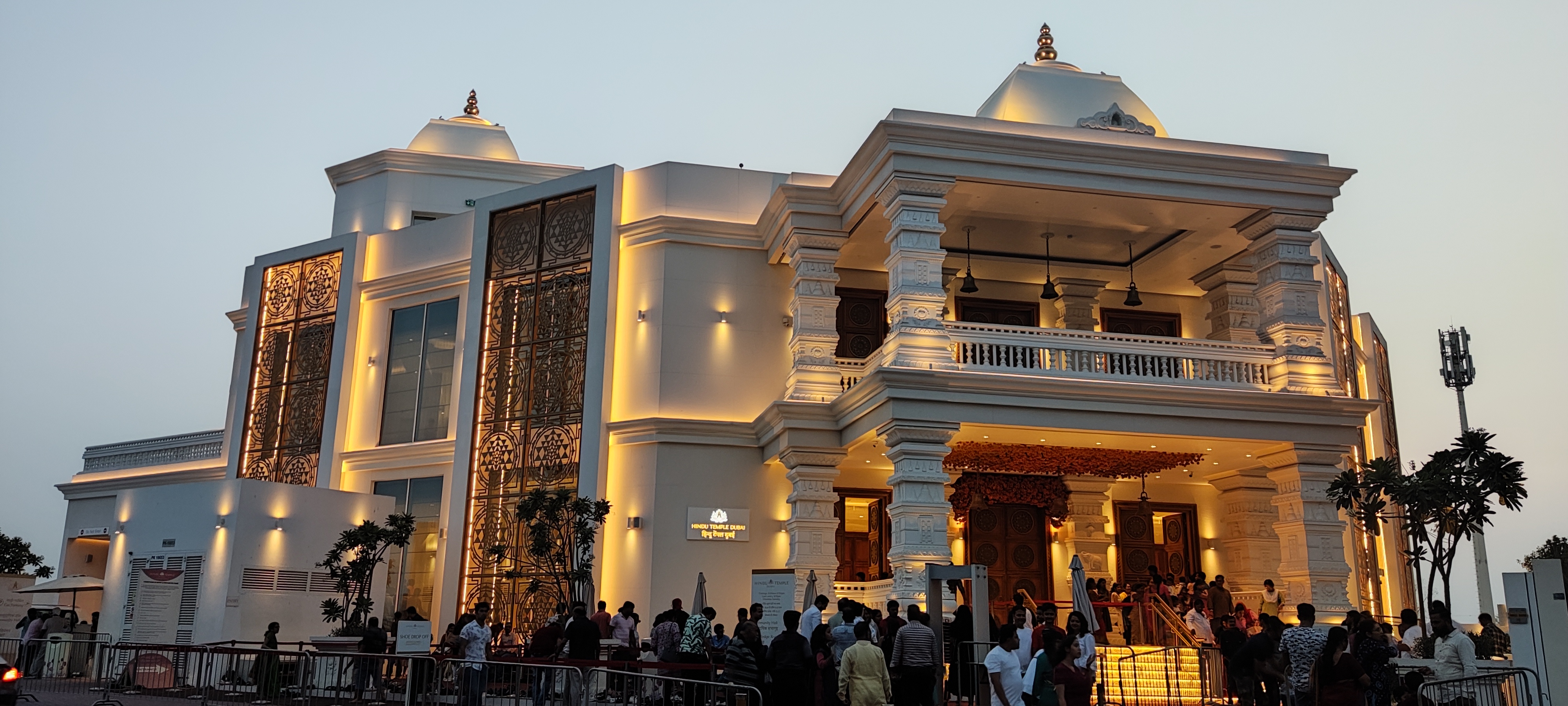
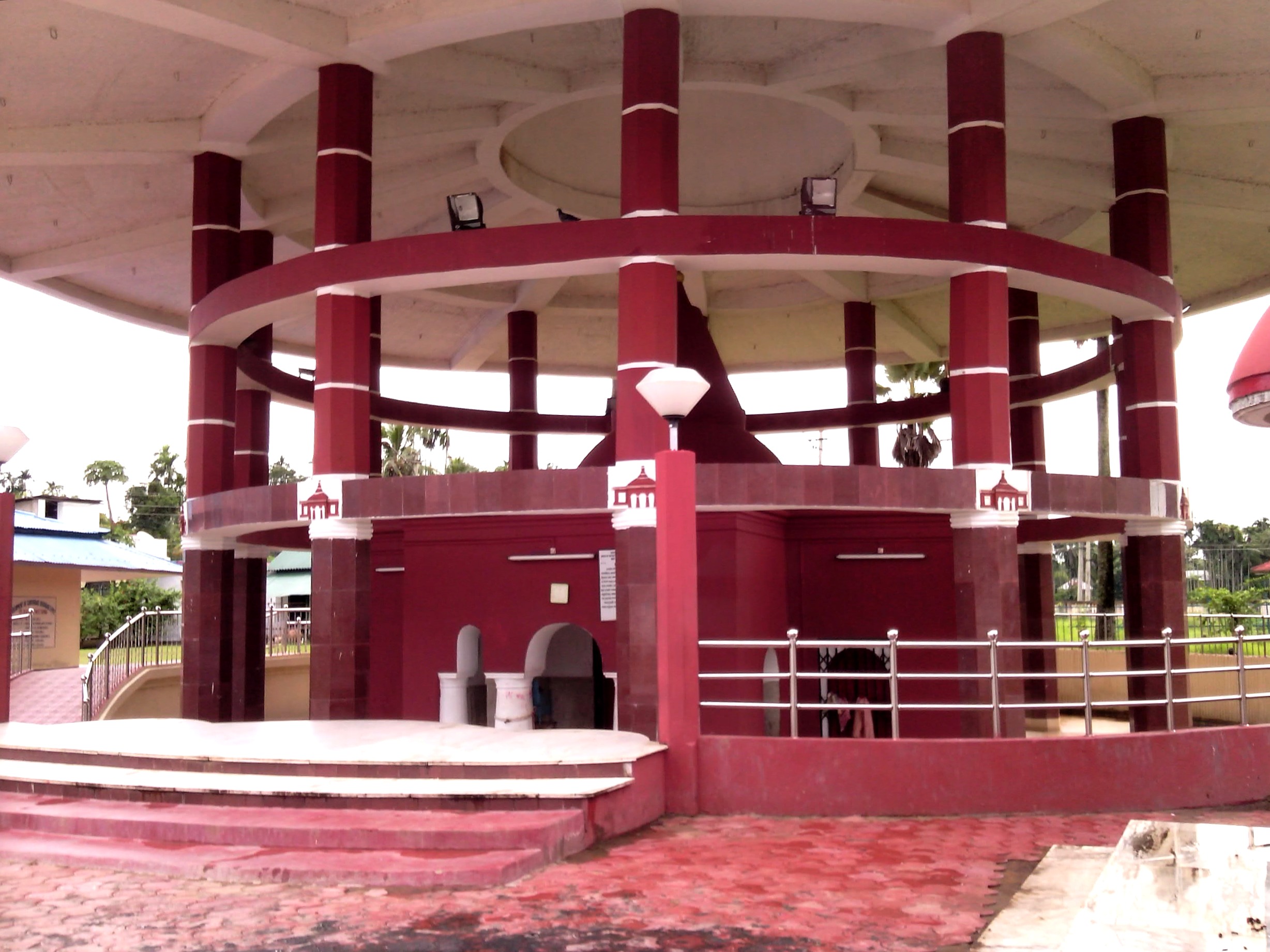
The temples of Tripura exhibit a distinctive architectural style, often characterized by their chala roof structures, resembling traditional Bengali huts, and their stupa-like domes. This unique blend reflects regional influences, particularly from Bengal, alongside indigenous Tripuri craftsmanship. Many structures feature intricately carved terracotta panels depicting mythological scenes, deities, and daily life, showcasing the artistic prowess of bygone eras. Materials typically include brick and stone, with laterite being common. The architectural evolution across different temples provides a visual timeline of historical periods and prevailing aesthetic sensibilities within the region.
Distinctive Roof Styles
Temples often feature chala roofs, a characteristic architectural element blending local and Bengali influences.
Terracotta Artistry
Intricate terracotta panels adorn many temple walls, depicting religious narratives and cultural motifs.
Embark on a Spiritual Journey: The Tripura Temple Trail
The Tripura Temple Trail offers an immersive 7-day itinerary, inviting pilgrims and cultural enthusiasts to explore the state's ancient sacred sites. This journey unveils a unique spiritual and cultural tapestry, deeply rooted in centuries of devotion. Visitors will discover architectural marvels, intricate carvings, and serene landscapes, all while connecting with the profound spiritual heritage of Tripura. The trail is designed to provide a comprehensive experience, highlighting the significance of each temple and its role in regional history and faith.
A Glimpse into Devotion
The trail showcases the enduring faith of the people, evident in the well-preserved temples and ongoing rituals.
Cultural Immersion
Beyond spirituality, the journey offers insights into local traditions, art, and the daily life surrounding these revered sites.
Devi's Domain: Understanding the Divine Mother in Tripura
Devi, the Divine Mother, holds supreme importance across Tripura's sacred landscape, particularly in her manifestations as Tripura Sundari and Kali. Her worship is central to the state's spiritual identity, deeply rooted in ancient Shakta traditions. Myths surrounding Devi's various forms often recount her cosmic battles against evil, her role as the creator and destroyer, and her benevolent protection of devotees. Many temples are dedicated to specific aspects of Devi, each with unique legends and rituals. The reverence for Devi underscores a profound connection to feminine divine power, permeating the spiritual and cultural fabric of Tripura.
Shakta Traditions
Tripura is a significant center for Shaktism, where Devi is worshipped as the supreme reality.
Manifestations of Devi
Different temples honor various forms of Devi, including Tripura Sundari and Kali, each with distinct iconographies and mythologies.
Mythological Significance
Legends of Devi's power and compassion are integral to the spiritual narratives associated with these sacred sites.
Navigating the Sacred: Your 7-Day Tripura Temple Trail Itinerary
This meticulously planned 7-day itinerary ensures a comprehensive exploration of Tripura's most revered temples. Beginning in Agartala, the trail guides visitors through historical sites like the Tripura Sundari Temple in Udaipur, Unakoti's rock-cut sculptures, and the Chaturdasha Devata Temple. Practical advice includes recommendations for local transport, accommodation, and dining. Visitors should wear comfortable, modest clothing and carry essentials like water and sunscreen. Each day's plan highlights key attractions, offering insights into their historical and spiritual significance, ensuring a fulfilling and insightful pilgrimage experience across the state.
Daily Highlights
The itinerary details specific temples and cultural sites to visit each day, optimizing travel and exploration.
Practical Travel Tips
Advice on local transport, appropriate attire, and essential items is provided for a smooth journey.
Cultural Immersion
Beyond temple visits, the itinerary suggests opportunities to experience local culture and cuisine.
| Deity | Devi |
|---|---|
| Form | Unknown |
| Consort | Unknown |
| Sampradaya | other |
| Significance | Unknown |
No Specific Mythological Story Recorded
While the Tripura Temple Trail encompasses numerous ancient sites dedicated to Devi, specific mythological stories or legends associated with a single, overarching narrative for the entire trail or its individual temples are not readily available in the provided data. Each temple, however, is a testament to the enduring devotion to Devi, the divine feminine, and pilgrims often visit these sites to experience her presence and seek blessings, contributing to a living tradition of faith.
In Tripura's sacred lands, the divine feminine, Devi, manifests in ancient shrines, inviting devotees to experience profound spiritual grace.
Journey through Tripura's temples, where history and devotion intertwine, offering a timeless connection to the spiritual heart of the region.
Related temples: Boyakonda Gangamma | Chandranath Temple
Cultural Impact and Local Traditions
The temples along Tripura's sacred trail are far more than mere architectural marvels; they are vibrant epicenters of the state's cultural identity. For centuries, these hallowed grounds have shaped local customs, artistic expressions, and community life. The intricate carvings and iconography found within these temples have inspired generations of artisans, influencing traditional crafts, painting styles, and even the narrative forms of local folklore. They serve as living museums, preserving ancient rituals and oral histories passed down through families. Visiting these sites offers a profound glimpse into how spirituality is interwoven with the daily fabric of Tripuri society, fostering a deep sense of belonging and continuity among its people. The annual festivals hosted at these temples draw devotees and artists alike, celebrating a heritage that transcends time. Beyond their historical significance, the temples on the Tripura trail are crucial for sustaining unique local traditions and spiritual practices. Many indigenous communities, such as the Tripuri, Reang, and Jamatia, hold specific deities and temple sites in high reverence, integrating them into their ancestral worship and annual harvest festivals. For instance, the annual Kharchi Puja at the Old Agartala temple, though distinct from the itinerary's focus, exemplifies how temple-centric festivals become grand cultural spectacles, drawing thousands and showcasing traditional music, dance, and culinary arts. Pilgrims often participate in age-old rituals, offering specific flowers, fruits, or even animal sacrifices, depending on the deity and local custom, thereby actively engaging with a spiritual lineage that has thrived for millennia. These practices reinforce community bonds and ensure the vibrant continuation of Tripura's rich spiritual tapestry.🗺 How to Reach
Hover a card to animate the journey on the map
Route to Temple
Related Temples

A Living Covenant