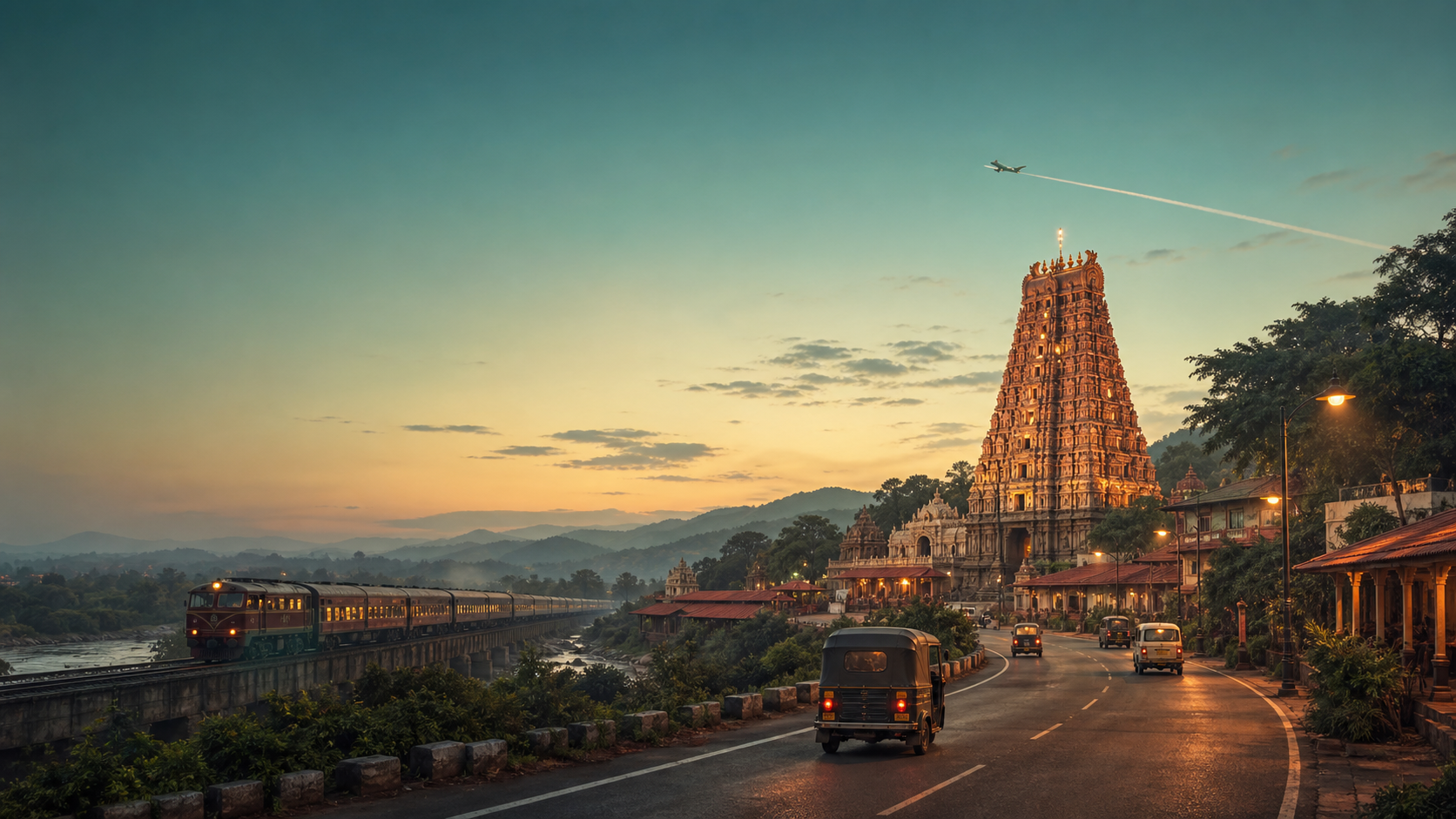
A complete pilgrim record drawn from the existing published article data.
A Journey Through Time: The Ancient Heritage of Deoghar's Shrines
The history of Deoghar's temples is deeply intertwined with ancient legends, royal patronage, and centuries of unwavering spiritual devotion. These sacred structures reflect a diverse array of architectural and cultural influences that have shaped the region over millennia. Oral traditions and historical records trace the origins of some temples back to mythological eras, linking them to epic narratives. Various dynasties and local rulers contributed to their construction, renovation, and expansion, leaving their indelible mark on the religious landscape. This continuous patronage ensured the preservation and evolution of these shrines, transforming them into enduring symbols of faith and heritage that stand as testaments to a rich past.
Mythological Origins and Legends
Many temples in Deoghar are steeped in mythological tales, including the legend of Ravana and the Jyotirlinga, which forms the core narrative of Baidyanath Dham.
Royal Patronage and Development
Historical accounts indicate that various kings and local chieftains provided significant patronage, contributing to the construction and maintenance of these sacred sites over centuries.
Evolution of Worship Practices
Over time, the rituals and worship practices in Deoghar's temples have evolved, incorporating elements from different spiritual traditions while retaining their ancient essence.
Stones That Speak: The Unique Architecture of Deoghar's Temples
Deoghar's temples showcase a fascinating blend of architectural styles, each contributing to the region's unique cultural tapestry. While many prominent structures, including the main Baidyanath Temple, exhibit features of the traditional Nagara style, characterized by its curvilinear shikhara (spire), the region also reveals more localized adaptations. These adaptations often incorporate indigenous materials and craftsmanship, reflecting the artistic sensibilities of local builders. Each temple's design, from its intricate carvings to its overall layout, tells a story of profound devotion, regional influences, and the skilled artisans who brought these sacred visions to life, making them enduring examples of religious architecture.
Nagara Style Dominance
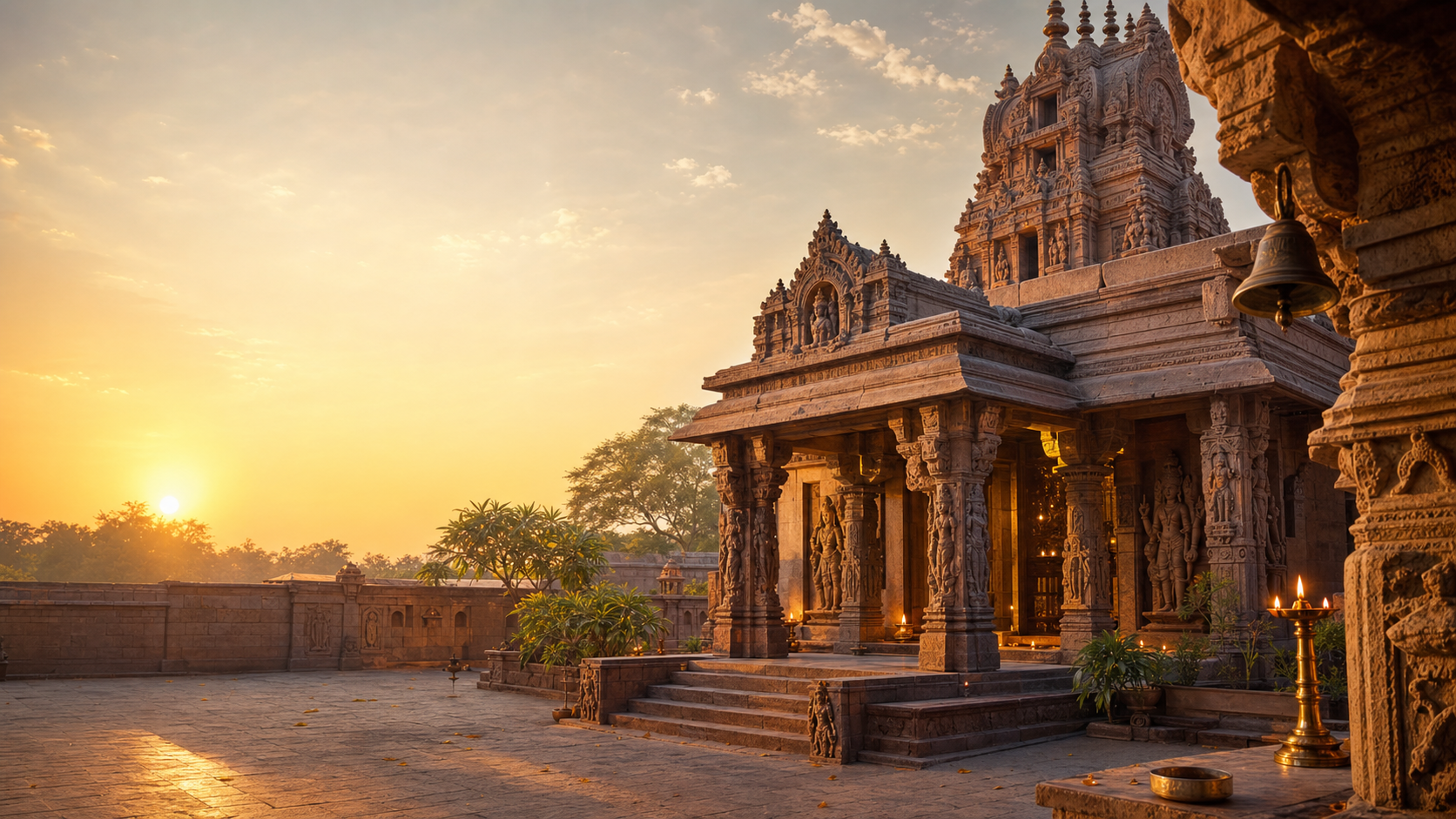
The prominent Nagara style of architecture, identified by its distinct beehive-shaped shikhara, is evident in many of Deoghar's larger and older temple structures.
Regional Adaptations and Craftsmanship
Beyond classical styles, local artisans integrated regional architectural elements and traditional building techniques, using locally sourced materials like sandstone and brick.
Symbolism in Temple Design
Every aspect of the temple architecture, from the placement of shrines to the decorative motifs, carries deep symbolic meaning, reflecting Hindu cosmology and spiritual beliefs.
Divine Narratives: The Gods and Myths of Deoghar
While Baidyanath Dham stands as the primary seat of worship dedicated to Lord Shiva, the broader Deoghar region hosts a rich pantheon of deities, each associated with unique legends, local folklore, and profound spiritual importance for devotees. The central narrative revolves around Lord Shiva as a Jyotirlinga, revered as a self-manifested lingam. However, numerous other temples are dedicated to Goddess Parvati, Lord Vishnu, Lord Ganesha, and various local folk deities, reflecting the inclusive nature of Hindu worship. These divine narratives are woven into the fabric of daily life, inspiring rituals, festivals, and the unwavering faith of the regional populace, enriching the spiritual landscape.
Lord Shiva as the Central Deity
As one of the twelve Jyotirlingas, Lord Shiva in his Baidyanath form is the paramount deity, attracting millions of devotees seeking blessings.
Other Prominent Deities
Adjacent to the main shrine, temples dedicated to Goddess Parvati, Maa Kali, Lord Ganesha, and other gods and goddesses complete the spiritual complex.
Local Folklore and Legends
Beyond the major Puranic narratives, local folklore and regional myths contribute to the spiritual identity of various smaller shrines and sacred spots in Deoghar.
Planning Your Pilgrimage: A Visitor's Guide to Deoghar's Temples
A visit to Deoghar requires careful planning to fully experience its profound spiritual essence and cultural richness. Understanding the best time to visit, available transportation options, and local customs is crucial for a meaningful pilgrimage. Deoghar is well-connected by road, rail, and air, making it accessible from major Indian cities. Visitors should also be aware of temple etiquette, including dress codes and respectful conduct within sacred premises. Planning your stay, including accommodation and local transport, will enhance your journey through this revered spiritual hub. Adhering to these guidelines ensures a smooth, respectful, and spiritually enriching experience for all pilgrims.
Accessibility and Transportation
Deoghar is accessible via Deoghar Airport (DGH), Deoghar Railway Station (DGHR), and a robust bus network connecting it to major cities and towns.
Best Time to Visit and Local Etiquette
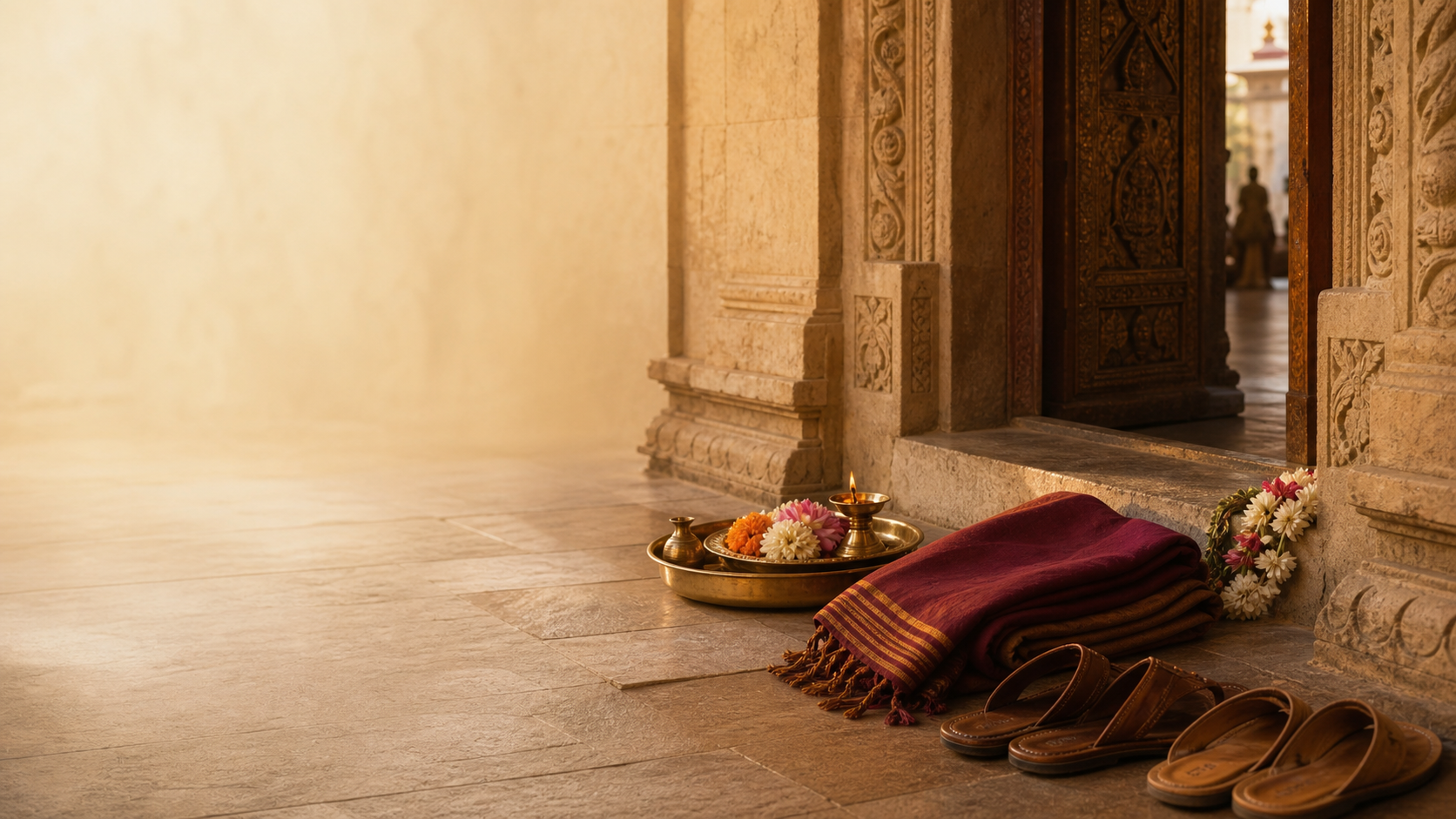
The cooler months from October to March are ideal for visiting. Modest attire is recommended, and footwear must be removed before entering temple sanctums.
Accommodation and Local Amenities
A range of accommodation options, from budget guesthouses to hotels, are available. Local markets offer traditional goods and food near the temple premises.
| Deity | Unknown |
|---|---|
| Form | Unknown |
| Consort | Unknown |
| Sampradaya | Unknown |
| Significance | Unknown |
Unknown Legend
No specific mythological story or legend is known for these temples from the provided information.
In the heart of Jharkhand, these temples offer a serene escape, inviting pilgrims and travelers alike to explore their spiritual depths and find solace.
Discover the hidden gems and famous shrines of Deoghar, where devotion echoes through ancient stones and sacred spaces.
Related temples: Ajgaibinath Dham | Amreshwar Dham
Discovering Deoghar's Sacred Landscape
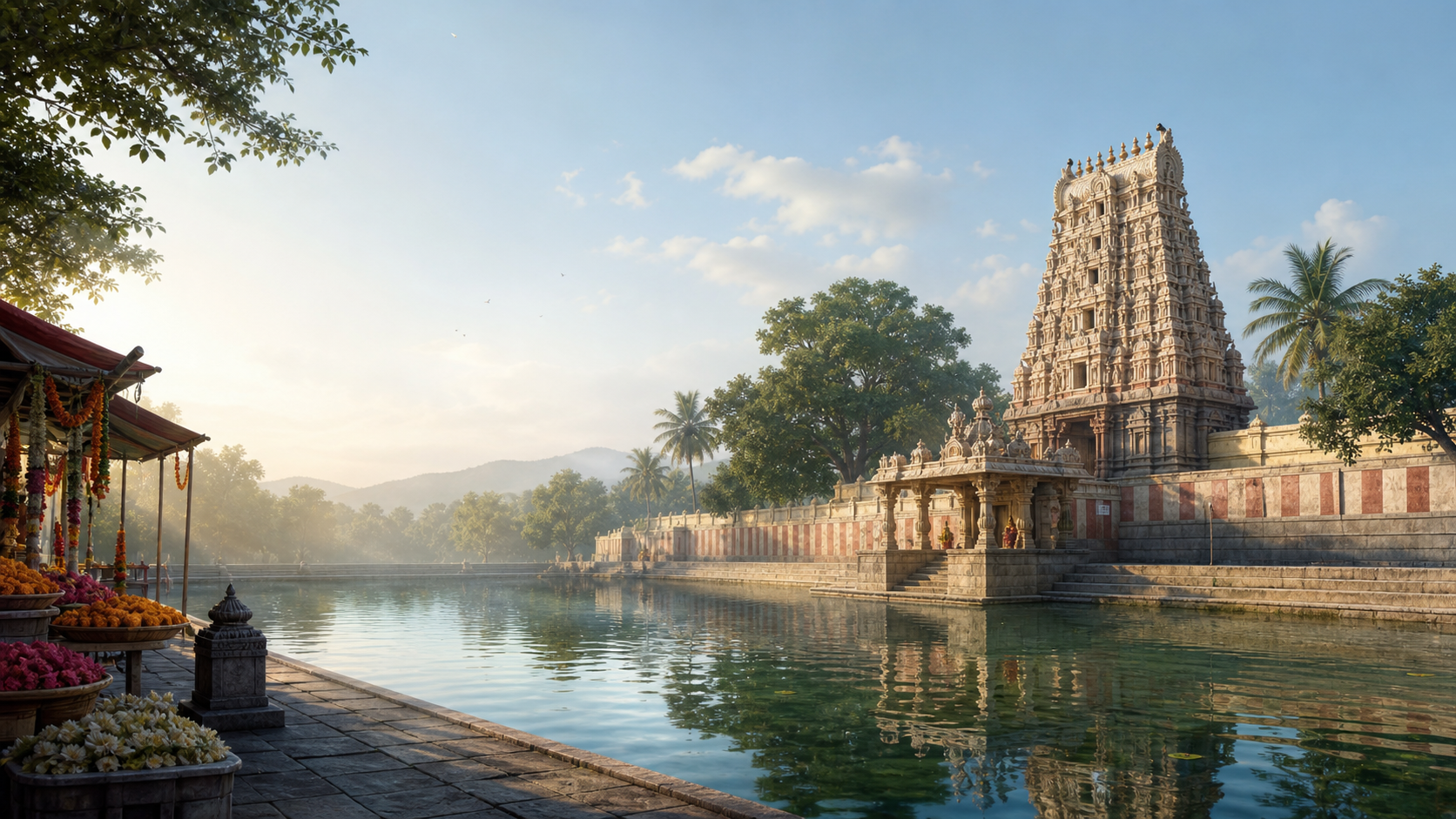
Deoghar, nestled in the Indian state of Jharkhand, stands as a paramount pilgrimage destination, drawing devotees from across the globe. This revered town is a rich tapestry of ancient temples, each holding significant spiritual value. At its heart lies the iconic Baidyanath Dham, one of the twelve Jyotirlingas of Lord Shiva, making it a focal point for Hindu worship. Beyond this celebrated shrine, Deoghar harbors numerous lesser-known spiritual havens and hidden gems, offering a diverse array of devotional experiences. The region's sacred landscape invites exploration, revealing centuries of devotion embedded in its architectural marvels and serene environments, providing a profound spiritual journey for all visitors.
The Significance of Baidyanath Dham
Baidyanath Dham is one of the most sacred abodes of Lord Shiva, recognized as both a Jyotirlinga and a Shakti Peeth, making it uniquely significant in Hindu mythology.
Exploring Lesser-Known Shrines
Beyond the main temple, Deoghar features several smaller, ancient temples dedicated to various deities, offering peaceful retreats and insights into local religious practices.
The Spiritual Ambiance
The entire Deoghar region resonates with a palpable spiritual energy, amplified by the chants, rituals, and the collective faith of countless pilgrims.
🗺 How to Reach
Hover a card to animate the journey on the map
Route to Temple
A Living Covenant