
A complete pilgrim record drawn from the existing published article data.
Echoes of the Past: The Rich History of Tilla Jogian
The history of Tilla Jogian stretches back over two millennia, establishing it as one of the oldest and most prominent centers for the Nath Yogis. Traditionally founded by Guru Gorakhnath, a revered figure in the Nath tradition, it flourished as a hub for ascetic practices and philosophical discourse. The complex witnessed various periods of growth and decline, serving as a significant pilgrimage site for Hindu yogis across the subcontinent. Its strategic location also meant it played a role in regional historical narratives, including interactions with Sikh and Mughal rulers, before its eventual decline and abandonment post-partition.
Origins with Nath Yogis
Tilla Jogian's inception is deeply intertwined with the Nath Yogi tradition, believed to be established by Guru Gorakhnath, fostering a community of ascetics.
Historical Patronage
Throughout centuries, various rulers, including Mughal emperors like Akbar and Sikh leaders, recognized and sometimes supported the spiritual activities at Tilla Jogian.
Post-Partition Decline
Following the partition of India in 1947, the temple complex gradually fell into disuse and disrepair, leading to its current state as a historical ruin.
Stones That Speak: The Architecture of Tilla Jogian
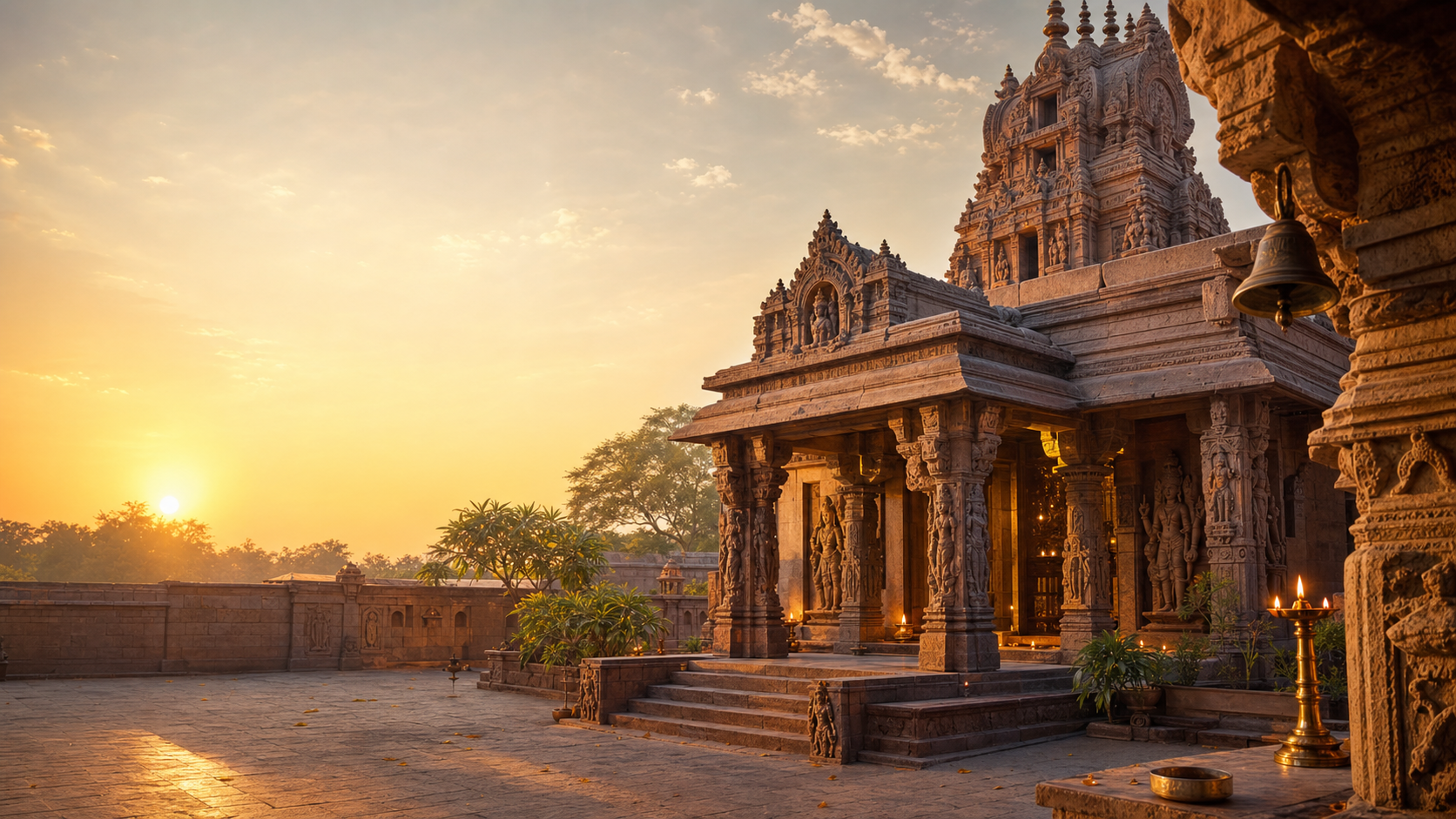
The architectural layout of Tilla Jogian reflects its spiritual purpose as a monastic and ascetic center. The complex comprises several temples, meditation cells, a large pond, and numerous samadhis (memorial shrines) of revered yogis. Constructed primarily from local stone, the structures exhibit a functional yet robust design, typical of ancient Hindu temple architecture in the region. The main temple dedicated to Gorakhnath features distinct domes and intricate carvings, while the surrounding smaller shrines and residential areas indicate a thriving community once resided here. The presence of water tanks underscores a self-sufficient monastic lifestyle.
Main Temple Complex
The central area houses the primary temples, notably the Gorakhnath temple, characterized by its traditional Hindu architectural elements and domes.
Monastic Structures
Scattered across the hill are smaller cells, living quarters, and meditation caves, built for the resident yogis and their disciples.
Water Bodies and Samadhis
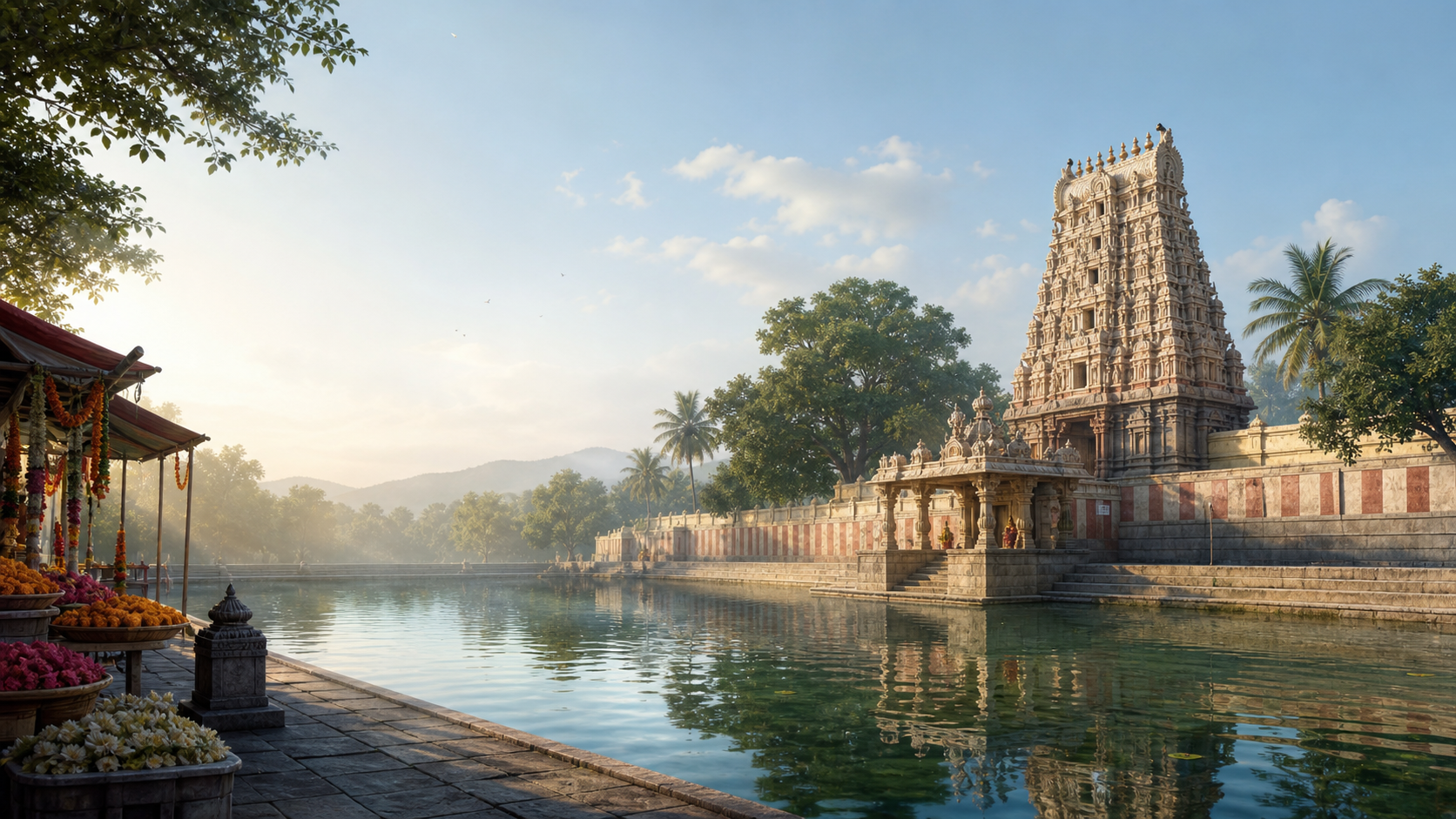
A large water reservoir and numerous samadhis (tombs of saints) are integral parts of the complex, highlighting the ascetic and commemorative aspects.
The Spiritual Heartbeat: Yogis, Legends, and Hindu Traditions
Tilla Jogian is synonymous with the Nath Yogi tradition, a prominent ascetic order within Hinduism. It is deeply connected to Guru Gorakhnath, considered a spiritual master and reformer of Hatha Yoga. The site is imbued with legends of yogis performing severe austerities and attaining spiritual enlightenment. Stories abound of figures like Puran Bhagat, a prince who found solace and spiritual guidance here after facing injustice. The tradition emphasized physical and mental discipline, renunciation, and the pursuit of moksha (liberation) through yogic practices. The temple complex served as a living testament to these profound Hindu spiritual endeavors.
Nath Yogi Lineage
The site was a pivotal center for the Nath Sampradaya, a Shaivite tradition known for its emphasis on Hatha Yoga and asceticism, founded by Matsyendranath and Gorakhnath.
Legends of Puran Bhagat
One of the most famous legends associated with Tilla Jogian is that of Prince Puran Bhagat, who became a disciple of Guru Gorakhnath at this very location.
Practices and Philosophy
Yogis at Tilla Jogian practiced rigorous meditation, pranayama, and asanas, striving for spiritual realization and often wearing large earrings as a mark of their order.
Journey to Tilla Jogian: A Visitor's Guide
Visiting Tilla Jogian offers a unique journey into history and spirituality. The site, though largely in ruins, retains a powerful aura. Access involves traveling to Dina Jhelum, followed by a trek up the hill, as limited parking is available at the base. The best time to visit is during spring or autumn for pleasant weather. Visitors should wear modest attire and remove footwear before entering sacred areas. The current state of the complex necessitates careful exploration, as some structures are fragile. Efforts for preservation are ongoing, recognizing its immense historical and cultural value. A visit typically spans 2-3 hours, including the hike.
Accessibility and Trek
The temple is accessible via local transport to the base of the hill, followed by a moderate hike. The path is unpaved in sections but offers scenic views.
Preservation Efforts
Despite its current state of disrepair, there is growing awareness and some initiatives to preserve Tilla Jogian as a significant heritage site.
Visitor Etiquette
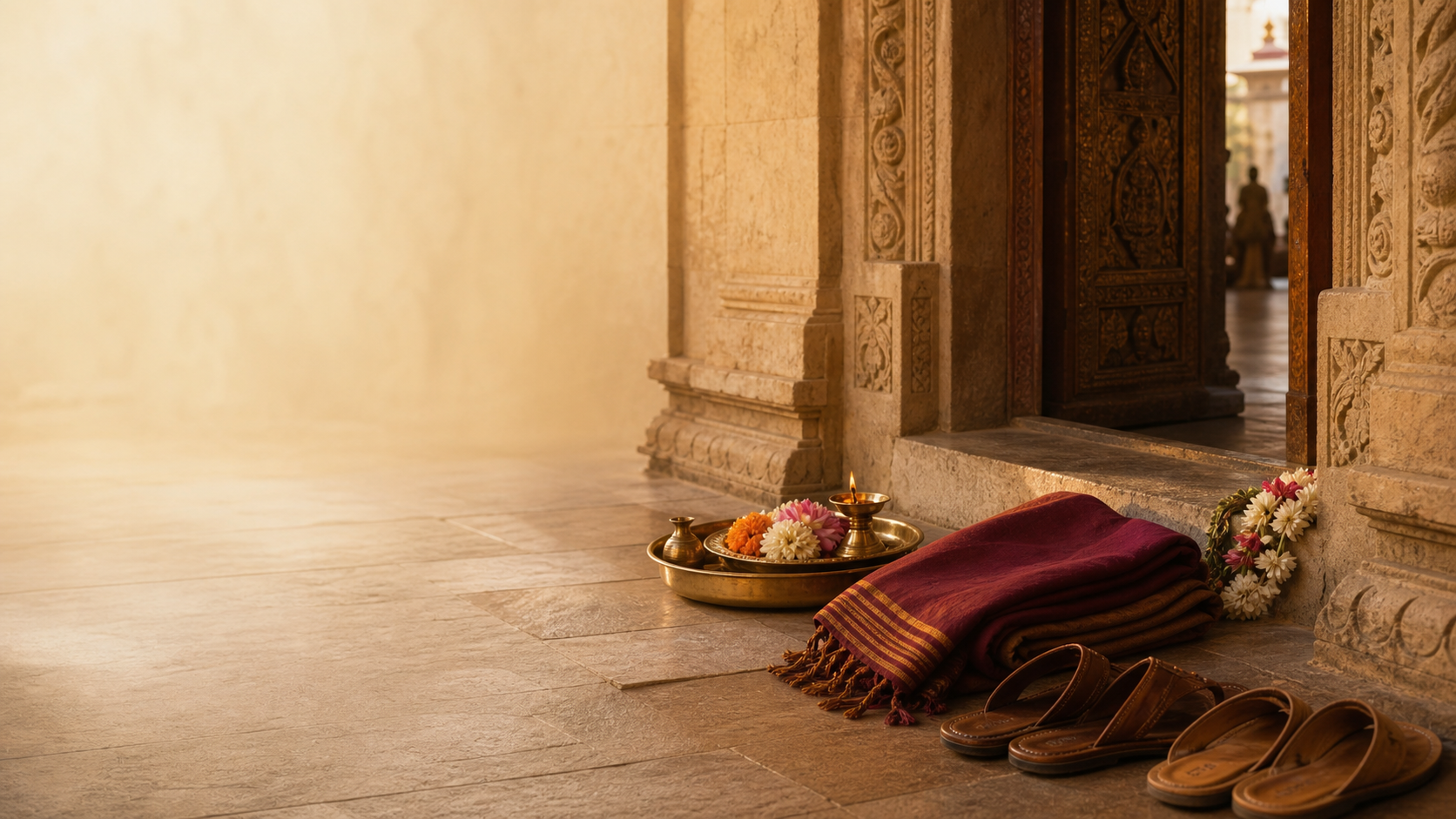
Respectful conduct, including modest dress and removal of shoes in designated areas, is essential to honor the sacred nature of the site.
| Deity | Not specified |
|---|---|
| Form | Not specified |
| Consort | Not applicable |
| Sampradaya | Nath |
| Significance | The temple complex is historically significant as a prominent center for the Nath Yogi tradition, particularly associated with Guru Gorakhnath. |
No Specific Story Available
While Tilla Jogian is steeped in centuries of spiritual history as a significant center for the Nath Yogi tradition, the provided information does not include a specific mythological story or legend directly associated with the temple complex. Its profound historical importance, however, lies in its long-standing role as a revered retreat and teaching ground for countless yogis and ascetics over the ages. This continuous spiritual activity has undoubtedly imbued the site with a deep aura of ancient wisdom and devotion, making it a place of quiet contemplation and historical significance, even without a singular legendary narrative.
The echoes of ancient yogic practices resonate through these hills, inviting introspection and a connection to a profound spiritual heritage.
A journey to Tilla Jogian is not just a visit to ruins, but an ascent into the heart of a timeless tradition.
Tilla Jogian: A Sacred Hilltop Retreat
Tilla Jogian stands as an ancient and spiritually significant Hindu temple complex, majestically perched atop a hill in the Dina Jhelum district. For centuries, this sacred site has been a beacon of spiritual contemplation and ascetic practice. Its elevated position offers panoramic views of the surrounding landscape, emphasizing its role as a secluded sanctuary for seekers of divine knowledge. The complex, primarily dedicated to the Nath Yogi tradition, represents a profound connection to ancient Hindu philosophical and yogic practices, making it a unique heritage site.
Geographical Significance
Situated in the Salt Range, the hill provides a natural, isolated setting conducive to meditation and spiritual discipline, characteristic of the yogic path.
Spiritual Ambiance
The serene environment and historical structures evoke a sense of deep spiritual resonance, attracting visitors interested in its rich religious past.