




A complete pilgrim record drawn from the existing published article data.
Historical Evolution of Tripura's Temples
The history of temple construction in Tripura is a chronicle of diverse royal patronages and evolving architectural styles. From ancient origins, possibly with rudimentary structures, the temples developed significantly under various dynasties. Each ruling lineage contributed to the proliferation and stylistic development of these sacred edifices, leaving behind a legacy that traces the socio-political and religious transformations of the region. This rich history is evident in the varied forms and materials found across the state's temple sites.
Early Dynastic Patronage
Initial temple building efforts were often sponsored by early Tripuri kings, laying the foundation for the region's religious architecture and establishing key worship sites.
Influence of Royal Houses
Subsequent dynasties, such as the Manikya kings, significantly expanded and embellished temple complexes, often introducing new architectural motifs and construction techniques.
Architectural Adaptations
Over centuries, temple designs adapted to local materials and climatic conditions, while also absorbing artistic influences from surrounding cultural spheres.
Introduction to Tripura's Temple Architecture
Tripura's temple architecture is a captivating synthesis of indigenous traditions and influences from neighboring regions, reflecting a rich cultural tapestry. These sacred structures are not merely places of worship but also embody the historical narratives and artistic expressions of the state. They serve as vital centers for spiritual devotion and community gathering, showcasing a distinctive architectural identity that is deeply intertwined with the local landscape and beliefs. The temples stand as enduring testaments to Tripura's unique heritage and spiritual vitality.
Cultural Synthesis
The temples often exhibit a blend of Bengali, Manipuri, and local Tripuri architectural elements, creating a unique regional style that distinguishes them from other Indian temple forms.
Spiritual Landscape
Beyond their structural beauty, these temples are focal points for religious practices, festivals, and the preservation of ancient rituals, deeply embedded in the spiritual life of the populace.
Planning Your Visit: A Guide to Tripura's Temples
Exploring the spiritual and architectural wonders of Tripura's temples requires some practical planning. Visitors can immerse themselves in the rich heritage by following recommended guidelines and utilizing available transport options. Adhering to local customs, such as dress codes, enhances the experience. The temples offer a unique glimpse into the state's cultural fabric and provide opportunities for spiritual reflection. A well-planned itinerary ensures a fulfilling journey through these sacred sites.
Best Time to Visit and Timings
The best time to visit is from October to March. Temple timings are generally 6:00 AM – 12:30 PM and 4:00 PM – 9:00 PM. Entry is free.
Getting There and Local Transport
Agartala Railway Station (AGTL) is approximately 5-7 km away, and Maharaja Bir Bikram Airport (IXA) is 10-12 km away. Taxis, auto-rickshaws, and local buses are readily available from these hubs. NH 8 provides road connectivity.
Visitor Etiquette and Tips
Traditional attire is preferred, and footwear must be removed before entering. A typical visit duration is 1–2 hours. Limited on-site parking may be available.
| Deity | Tripura Sundari |
|---|---|
| Form | Unknown |
| Consort | Unknown |
| Sampradaya | other |
| Significance | Unknown |
The Radiant Goddess of Three Worlds
Tripura Sundari, often revered as the most beautiful goddess in all three worlds, is a prominent aspect of the Mahavidyas, the ten Tantric goddesses. She represents the ultimate reality, consciousness, and bliss. Devotees believe she embodies perfection and grants both material prosperity and spiritual liberation. Her worship is central to the Srikula tradition of Shaktism, where she is seen as the supreme sovereign, whose divine beauty illuminates the entire cosmos, guiding seekers towards profound spiritual awakening and inner peace.
Her beauty illuminates all three worlds, a beacon of ultimate consciousness and divine grace.
In her radiant form, Tripura Sundari bestows both worldly prosperity and the path to spiritual liberation.
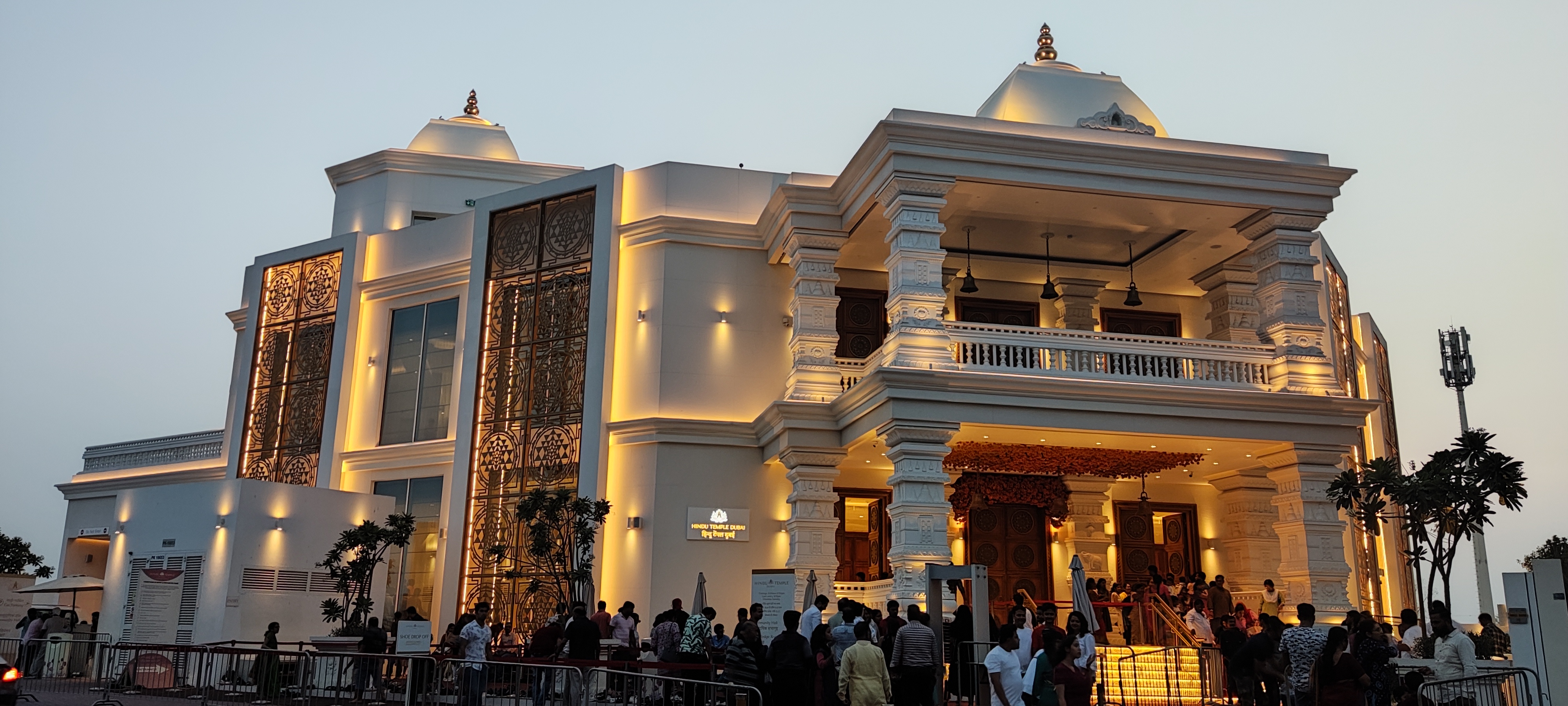
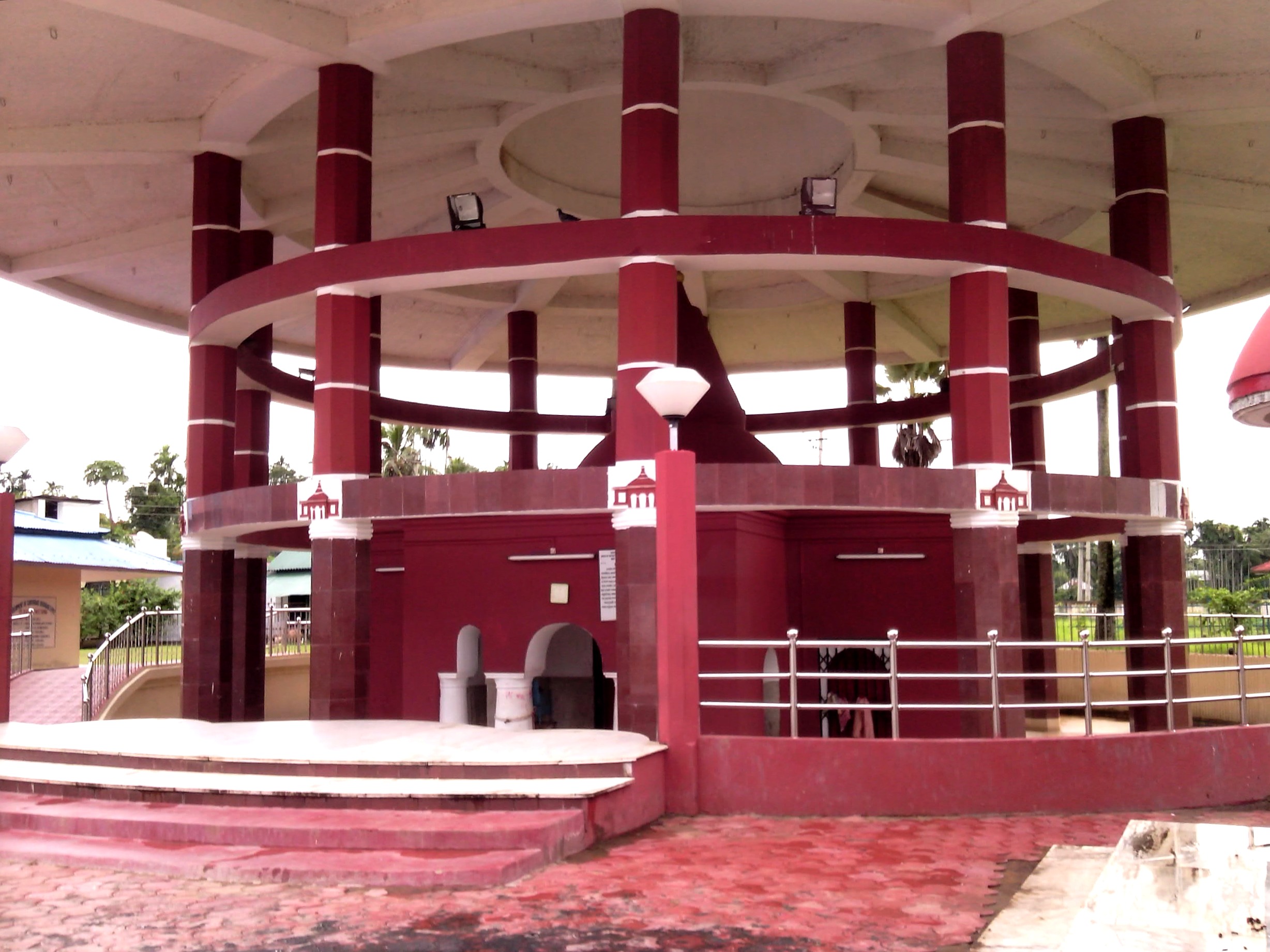
Related temples: Chandranath Temple | Hindu Temple, Dubai
Distinctive Architectural Styles
Tripura's temples are characterized by distinctive architectural features, materials, and design elements that highlight their regional uniqueness. While some temples reflect traditional Bengali 'chala' styles with curved roofs, others exhibit more indigenous Tripuri forms or influences from nearby areas. The construction often utilized locally available materials, such as brick and laterite, leading to specific textural and structural characteristics. Sculptural details and ornamentation also vary, showcasing a blend of folk art and classical Hindu iconography, contributing to the temples' unique visual identity.
Materials and Construction
Common materials include brick, laterite, and sometimes stone, influencing the structural integrity and aesthetic finish of the temple edifices.
Design Motifs and Features
Temples often feature specific roof styles, intricate terracotta work, and carvings depicting deities, mythological scenes, and floral patterns.
Regional Variations
The architectural nuances can differ significantly from one region of Tripura to another, reflecting local traditions and the specific patronage under which they were built.
The Revered Tripura Sundari
Tripura Sundari, the presiding deity of many temples in the state, holds profound mythological and spiritual significance. Revered as one of the Mahavidyas, the ten Tantric goddesses, she is a powerful form of the Divine Mother. Her iconography typically depicts her as a beautiful goddess, embodying creation, preservation, and destruction. Her central role in local worship underscores her importance as a benevolent protector and bestower of boons, making her temples vital pilgrimage sites and centers of fervent devotion for devotees across the region.
Mythological Origins
Tripura Sundari is deeply rooted in Hindu mythology, particularly within the Shakta tradition, where she is venerated as the supreme goddess of the Srikula system.
Iconography and Symbolism
She is often depicted with specific attributes and gestures that symbolize her cosmic power, beauty, and ability to grant spiritual liberation and material prosperity.
Centrality in Worship
The worship of Tripura Sundari is a cornerstone of religious life in Tripura, with elaborate rituals and festivals dedicated to her throughout the year.
Restoration & Conservation Efforts
The ancient temples of Tripura, while embodying rich architectural heritage, have faced significant challenges over centuries, including the ravages of time, extreme weather conditions, and, in some cases, neglect. Recognizing their invaluable cultural and historical significance, various governmental and non-governmental bodies have initiated crucial restoration efforts. The Archaeological Survey of India (ASI) and the State Department of Archaeology play pivotal roles in these endeavors, undertaking structural stabilization, chemical cleaning to remove biological growth and pollutants, and the careful reconstruction of dilapidated sections. These projects often involve meticulous research to understand original construction techniques and materials, aiming to restore the temples to their former glory while preserving their authentic character and ensuring their structural integrity for future generations. Local communities and trusts also contribute significantly, often through fundraising and volunteer work, demonstrating a collective commitment to safeguarding these sacred sites. Beyond immediate restoration, long-term conservation strategies are paramount to ensure the sustained survival of Tripura's temple architecture. These strategies encompass a range of preventive measures, including regular maintenance checks, environmental monitoring to mitigate the effects of humidity and temperature fluctuations, and controlled visitor access to prevent wear and tear. Comprehensive documentation, involving detailed photographic records, architectural surveys, and increasingly, 3D laser scanning, forms the backbone of these conservation plans, providing invaluable data for future interventions. Furthermore, community engagement and public awareness programs are crucial, fostering a sense of ownership and responsibility among locals. The delicate balance between allowing access for devotees and tourists, who contribute to the temples' living heritage, and implementing stringent protective measures, remains a central challenge in the ongoing efforts to conserve these irreplaceable cultural treasures.🗺 How to Reach
Hover a card to animate the journey on the map
Route to Temple
Related Temples

A Living Covenant