A complete pilgrim record drawn from the existing published article data.
Tracing the Legacy: The Enduring History of Sri Sengazhuneer Amman Temple
The historical origins of Sri Sengazhuneer Amman Temple are deeply rooted in the local traditions of Pondicherry. While specific founding dates may vary in oral histories, the temple has evolved over centuries, reflecting periods of community patronage and architectural development. Its establishment likely arose from local devotion to Devi, growing from a humble shrine into a recognized place of worship. Throughout its history, the temple has been a steadfast spiritual anchor for the community, witnessing numerous rituals and celebrations that have shaped its enduring presence. Renovations and expansions over time have preserved its sanctity and architectural integrity, ensuring its continued legacy.
Ancient Roots and Community Establishment
The temple's origins are believed to trace back several centuries, established by local devotees who sought to honor the Mother Goddess in the region.
Evolution Through Patronage
Over time, the temple benefited from the patronage of local communities and possibly regional rulers, leading to its expansion and architectural enhancements.
Periods of Renovation
Significant periods of renovation and reconstruction have maintained the temple's structure and aesthetic, allowing it to withstand the test of time and continue its spiritual function.
Architectural Marvels: The Distinctive Design of Sri Sengazhuneer Amman Temple
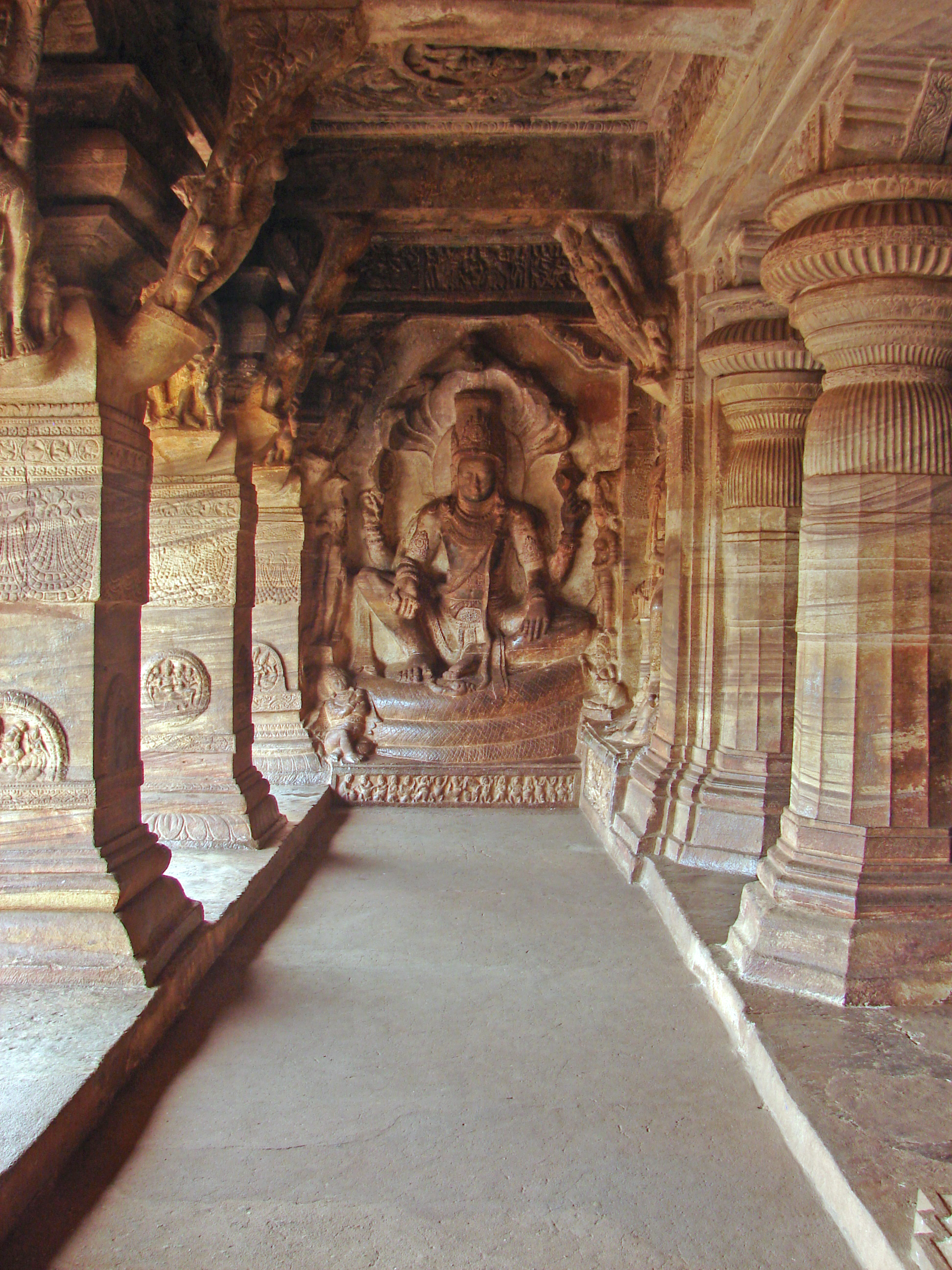
The Sri Sengazhuneer Amman Temple showcases a distinctive architectural style, typical of South Indian temple construction. Its design incorporates traditional Dravidian elements, characterized by vibrant gopurams (ornate tower gateways), intricately carved mandapams (halls), and a sanctum sanctorum housing the presiding deity. The temple's exterior and interior are adorned with detailed sculptures depicting various deities, mythological narratives, and floral motifs, reflecting the skilled craftsmanship of artisans. These structural elements and decorative details contribute to a sacred aesthetic that is both visually striking and spiritually resonant, inviting devotees into a space of divine artistry.
Dravidian Architectural Influences
The temple's design prominently features characteristics of Dravidian architecture, including multi-tiered gopurams and a structured layout that guides devotees through sacred spaces.
Intricate Sculptural Details
Every pillar and wall is often adorned with elaborate carvings of deities, celestial beings, and mythological scenes, showcasing a rich tradition of stone artistry.
Sacred Layout and Design
The temple follows a traditional layout, with a main shrine dedicated to Devi, surrounded by smaller shrines and halls, all designed to facilitate worship and circumambulation.
The Benevolent Goddess: Devi and the Mythology of Sri Sengazhuneer Amman
At the heart of Sri Sengazhuneer Amman Temple is Devi, the supreme Mother Goddess, revered in her local manifestation as Amman. Devi is celebrated as the source of all creation, protection, and destruction, embodying both fierce power and compassionate grace. In South Indian traditions, Amman is often seen as a protective village deity, safeguarding her devotees from illness and misfortune. Local myths and legends associated with Sri Sengazhuneer Amman speak of her miraculous interventions and benevolent acts, reinforcing her revered status among the faithful. Devotees seek her blessings for health, prosperity, and spiritual well-being, believing in her boundless mercy and strength.
Devi as the Presiding Deity
The temple is dedicated to Devi, the ultimate divine feminine, embodying cosmic energy and power. She is worshipped as the benevolent protector and giver of boons.
Manifestations of Amman
In this temple, Devi is revered as Amman, a popular form of the Mother Goddess in South India, often associated with fertility, protection, and healing.
Local Legends and Devotion
Numerous local legends narrate the goddess's powerful presence and her responses to devotees' prayers, fostering deep faith and continuous veneration among the community.
Planning Your Pilgrimage: A Comprehensive Guide to Visiting Sri Sengazhuneer Amman Temple
Visiting Sri Sengazhuneer Amman Temple offers a profound spiritual experience. The temple operates from 6:00 AM to 12:30 PM and 4:00 PM to 9:00 PM, with free entry for all. The best time to plan your visit is between October and March, when the weather in Pondicherry is most pleasant. Visitors are encouraged to wear traditional attire and remove footwear before entering the shrine, respecting local customs. A typical visit duration ranges from 1 to 2 hours, allowing ample time for darshan and peaceful contemplation. The temple is well-connected by various transport options, making it easily accessible for pilgrims and tourists.
Visitor Information and Etiquette
The temple is open from 6:00 AM to 12:30 PM and 4:00 PM to 9:00 PM, with free entry. Traditional attire is preferred, and footwear must be removed before entering the temple premises.
Reaching the Temple
The temple is within Pondicherry city limits, accessible by local buses. Puducherry Railway Station (PDY) is 3-5 km away, connecting to major cities. Puducherry Airport (PNY) is 5-7 km away, with Chennai International Airport (MAA) being a major alternative (approx. 150 km). NH32 provides easy car access.
Best Time to Visit
The ideal period for a pilgrimage is from October to March, offering comfortable weather conditions for exploring the temple and its surroundings.
| Deity | Devi |
|---|---|
| Sampradaya | hindu |
| Significance | Devi is the supreme goddess in Hinduism, particularly in Shaktism, embodying divine feminine power, creation, preservation, and destruction. As Amman, she is revered as the protective mother goddess. |
Mythological Story Not Available
Information regarding specific mythological stories or legends associated with Sri Sengazhuneer Amman Temple was not provided in the available data.
The divine Mother, in her infinite grace, blesses all who seek her refuge at this sacred abode.
Experience the profound serenity and spiritual energy of Devi, the universal Mother, at the heart of Pondicherry.
Discovering Sri Sengazhuneer Amman Temple: A Sacred Haven in Pondicherry
The Sri Sengazhuneer Amman Temple stands as a significant spiritual landmark within Pondicherry, India. Dedicated to Devi, the divine Mother Goddess, this temple serves as a revered center for Hindu devotees. Its presence underscores the rich cultural and religious tapestry of the region, drawing pilgrims and visitors alike to experience its tranquil ambiance and spiritual energy. As a prominent Devi shrine, it plays a vital role in the local community's religious life, offering a sacred space for worship and reflection. The temple's serene environment provides a respite from urban life, inviting individuals to connect with the divine in a profound way.
A Spiritual Landmark in Pondicherry
Located in Pondicherry, the temple is easily accessible and forms an integral part of the city's spiritual landscape. It is a focal point for devotees seeking blessings from the Mother Goddess.
Devi's Abode
The primary deity worshipped here is Devi, revered in her manifestation as Amman. The temple is a testament to the enduring devotion to the divine feminine principle in South India.
Cultural and Religious Significance
Beyond its spiritual role, the temple holds considerable cultural importance, fostering community gatherings and preserving traditional customs and rituals associated with Devi worship.
🗺 How to Reach
Hover a card to animate the journey on the map
Verified routes to Sri Sengazhuneer Amman Temple
Common Questions
Where is Sri Sengazhuneer Amman Temple: Puducherry's Ancient Shakti located?
Sri Sengazhuneer Amman Temple: Puducherry's Ancient Shakti is documented at Pondicherry, Pondicherry.
Which deity is associated with Sri Sengazhuneer Amman Temple: Puducherry's Ancient Shakti?
Sri Sengazhuneer Amman Temple: Puducherry's Ancient Shakti is associated with Durga.