




A complete pilgrim record drawn from the existing published article data.
Tracing the Ancient Roots of Punganur's Siva Temple
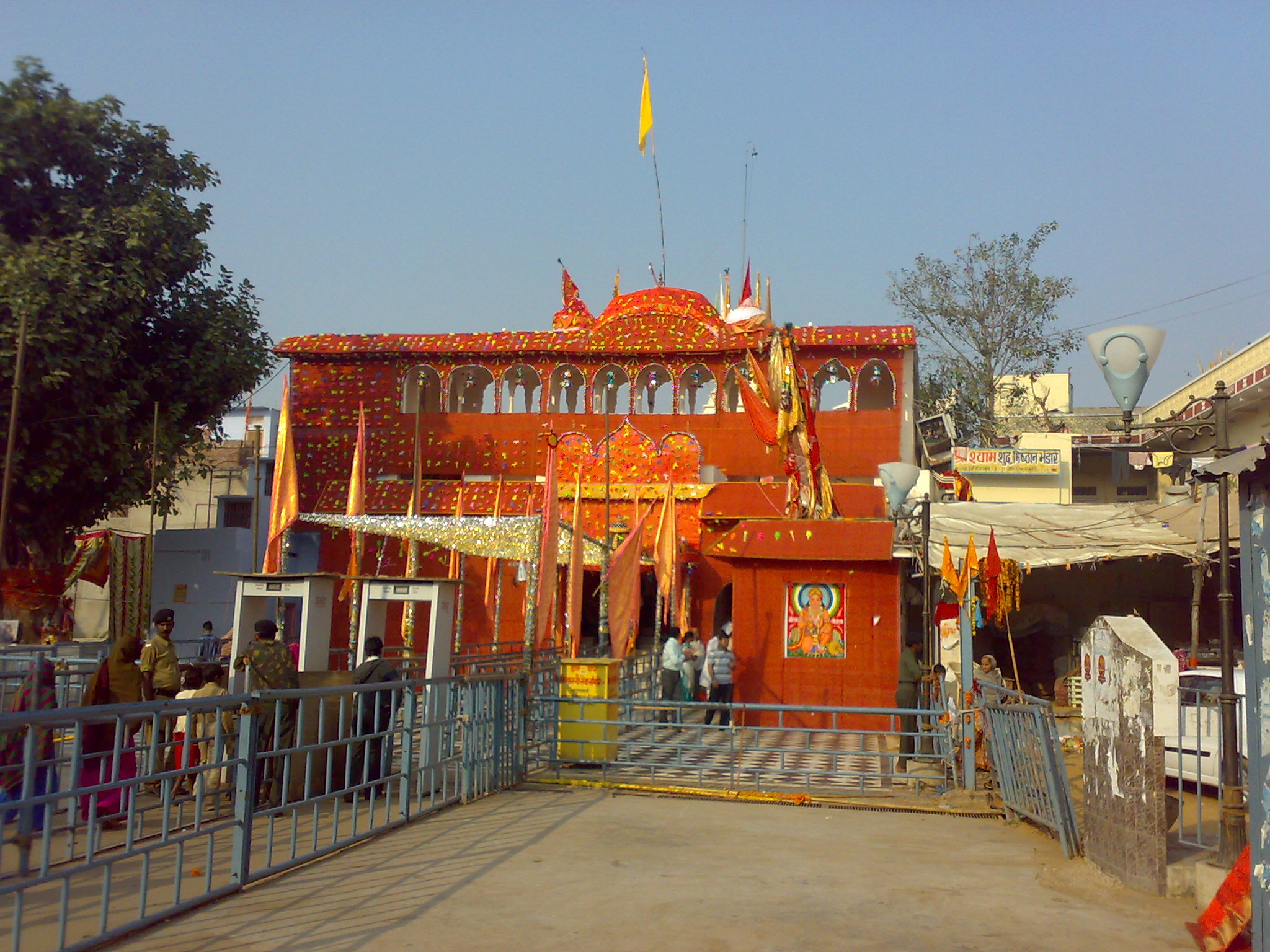
The Siva Temple in Punganur boasts a rich historical lineage, deeply interwoven with the spiritual heritage of the region. Historically known as Kukkudechuram, this ancient name is referenced in texts dating back to the 7th Century CE. Its foundational narratives are further enshrined in the Tevaram hymns, a pivotal collection of Tamil Shaiva literature. The temple's enduring presence reflects centuries of devotional practices and its sustained importance as a sacred site. The visit of the Nayanar saint Appar solidified its place in religious history, marking it as a cherished destination for Shiva devotees.
The Ancient Name: Kukkudechuram
The temple was historically known as Kukkudechuram, a name that appears in ancient texts from the 7th Century CE, indicating its long-standing presence and veneration.
Appar's Devotional Visit
The illustrious Nayanar saint Appar visited this sacred site, immortalizing it in his Tevaram hymns. His visit granted the temple its status as a Vaippu Sthalam.
Architectural Grandeur: A Glimpse into the Temple's Design
While specific details regarding the architectural style, builder, and materials used for the Siva Temple in Punganur are currently unknown, its historical recognition in the 7th Century CE suggests an adherence to traditional temple construction methods prevalent during that era. The enduring structure stands as a testament to the craftsmanship of its time, providing a tangible link to ancient devotional practices. Despite the lack of documented architectural specifics, the temple's mere existence through centuries speaks to its robust construction and cultural significance.
Style and Materials
The architectural style and materials used in the construction of the Siva Temple are not documented as 'Unknown' in available records.
Enduring Structure
Despite unknown specifics, the temple's continuous existence since at least the 7th Century CE indicates a durable and significant structure.
Lord Shiva: The Presiding Deity and Associated Legends
The Siva Temple in Punganur is primarily dedicated to Lord Shiva, revered here in a unique manifestation known as Kukkudesvarar. This hallowed ground is believed to be where Lord Shiva Himself divinely manifested, drawing countless devotees to experience His grace. The temple functions as a central hub for the Shaiva tradition, where devotional practices revolve around the worship of Shiva. The narrative of Kukkudesvarar underscores the profound spiritual significance of the site, establishing it as a place where Shiva's eternal power and compassion are deeply felt.
Kukkudesvarar: The Manifested Form
Lord Shiva is worshipped as Kukkudesvarar at this temple, a unique manifestation believed to have divinely appeared at Punganur, once known as Kukkudechuram.
Shaiva Tradition and Worship
The temple is a prominent center for the Shaiva tradition, with devotional practices focused on the worship of Lord Shiva as the main deity.
Cultural Impact and Community Engagement
The Siva Temple in Punganur is not merely a place of worship but a vibrant nucleus for the local community, deeply influencing its cultural fabric and daily rhythms. Throughout the year, the temple hosts numerous festivals, most notably Maha Shivaratri, which draws thousands of devotees from across Haryana and neighboring states. During these grand celebrations, the temple precincts transform into a bustling hub of activity, featuring elaborate traditional music, devotional dance performances, and large-scale community feasts. These events serve to reinforce social bonds, perpetuate ancient rituals, and provide a vital platform for the exchange of cultural knowledge and spiritual teachings among generations. The temple's enduring presence has thus fostered a profound sense of collective identity and pride among the residents of Punganur, serving as a constant reminder of their rich spiritual heritage and artistic traditions.
Beyond its direct religious functions, the Siva Temple has historically played a significant role in promoting local arts and crafts, and even informal education within the region. Artisans specializing in traditional temple architecture, intricate idol carving, and devotional painting often found consistent patronage through the temple, thereby ensuring the continuation and evolution of these skills across generations. In earlier eras, the temple premises frequently served as a central gathering place for philosophical discourses, epic storytelling sessions, and the transmission of moral and ethical values, effectively acting as an informal community and learning center. Its serene environment continues to offer a space for quiet contemplation and important community meetings, subtly influencing the social cohesion and spiritual well-being of Punganur's inhabitants, solidifying its status as a cornerstone of local life and cultural expression.
Plan Your Pilgrimage: A Guide to Visiting Siva Temple, Punganur
For those planning a spiritual journey to the Siva Temple in Punganur, practical information is essential. The best time to visit is from October to March, particularly during Maha Shivaratri. While specific timings and entry details should be confirmed with the temple office, a visit typically lasts 1–2 hours. The nearest major hub for bus transport is Chittoor. Chittoor Railway Station serves train travelers. Tirupati Airport, approximately 100 km away, is the closest air travel option. Visitors are advised to contact the temple office for current details on timings, entry, dress code, and transport routes.
Visitor Information
The temple is best visited from October to March, especially during Maha Shivaratri. A typical visit lasts 1–2 hours. Specific timings, entry details, and dress code should be confirmed with the temple office.
Travel and Accessibility
Chittoor serves as the nearest bus and train hub. Tirupati Airport is approximately 100 km away. For detailed routes, drive times, and parking, visitors should contact the temple office.
| Deity | Shiva |
|---|---|
| Form | Shiva is worshipped here as Kukkudesvarar, a specific manifestation revered in this sacred site. |
| Consort | Unknown |
| Sampradaya | Shaiva |
| Significance | As Kukkudesvarar, Shiva manifested at this site, making it a sacred Vaippu Sthalam. The temple holds significant spiritual importance as it is celebrated in the Tamil Saiva devotional canon by the Nayanar saint Appar. |
The Divine Manifestation of Kukkudesvarar
Nestled in the sacred land of Punganur, once known as Kukkudechuram, stands a temple of profound spiritual significance. It is here, by divine will, that Lord Shiva Himself manifested in a unique and revered form, known to devotees as Kukkudesvarar. This hallowed ground became a beacon of divine presence, drawing seekers and saints alike to experience the Lord's grace. The very air of Kukkudechuram resonated with devotion, making it a celebrated pilgrimage site where Shiva's eternal power and compassion are palpable, enduring through centuries as a testament to His boundless forms and blessings.
Here, Lord Shiva manifested as Kukkudesvarar, making this hallowed ground a beacon of divine presence, celebrated in the timeless hymns of Appar.
Kukkudechuram, a sacred Vaippu Sthalam, resonates with devotion, where Shiva's eternal power endures through centuries.
Related temples: Aakkoor Thanthondreeswarar Temple | Aazhimala Shiva Temple
The Sacred Abode of Lord Shiva in Punganur
The Siva Temple in Punganur, located in the Chittoor District of Andhra Pradesh, stands as a significant pilgrimage site dedicated to Lord Shiva. Revered within the Shaiva tradition, this ancient temple is recognized as one of the 275 Vaippu Sthalams, places glorified by the Nayanar saint Appar. Its spiritual essence is deeply rooted in centuries of devotion, making it a beacon for devotees seeking the grace of Shiva. The temple's historical importance is underscored by its inclusion in the Tamil Saiva devotional canon, testifying to its enduring sanctity.
A Vaippu Sthalam
The Siva Temple holds the distinction of being a Vaippu Sthalam, meaning it is one of the sacred places mentioned in the hymns of the Nayanar saint Appar. This recognition elevates its status within the Tamil Shaiva tradition.
Historical Significance
Though specific construction dates are unknown, the temple's mention in 7th Century CE texts and its association with Appar highlight its ancient origins and continuous spiritual relevance.
🗺 How to Reach
Hover a card to animate the journey on the map
Route to Temple
Common Questions
Where is Siva Temple, Punganur: Andhra's Ancient Shiva Abode located?
Siva Temple, Punganur: Andhra's Ancient Shiva Abode is documented at Punganur, Chittoor District, Andhra Pradesh.
Which deity is associated with Siva Temple, Punganur: Andhra's Ancient Shiva Abode?
Siva Temple, Punganur: Andhra's Ancient Shiva Abode is associated with Shiva.
Related Temples


A Living Covenant