



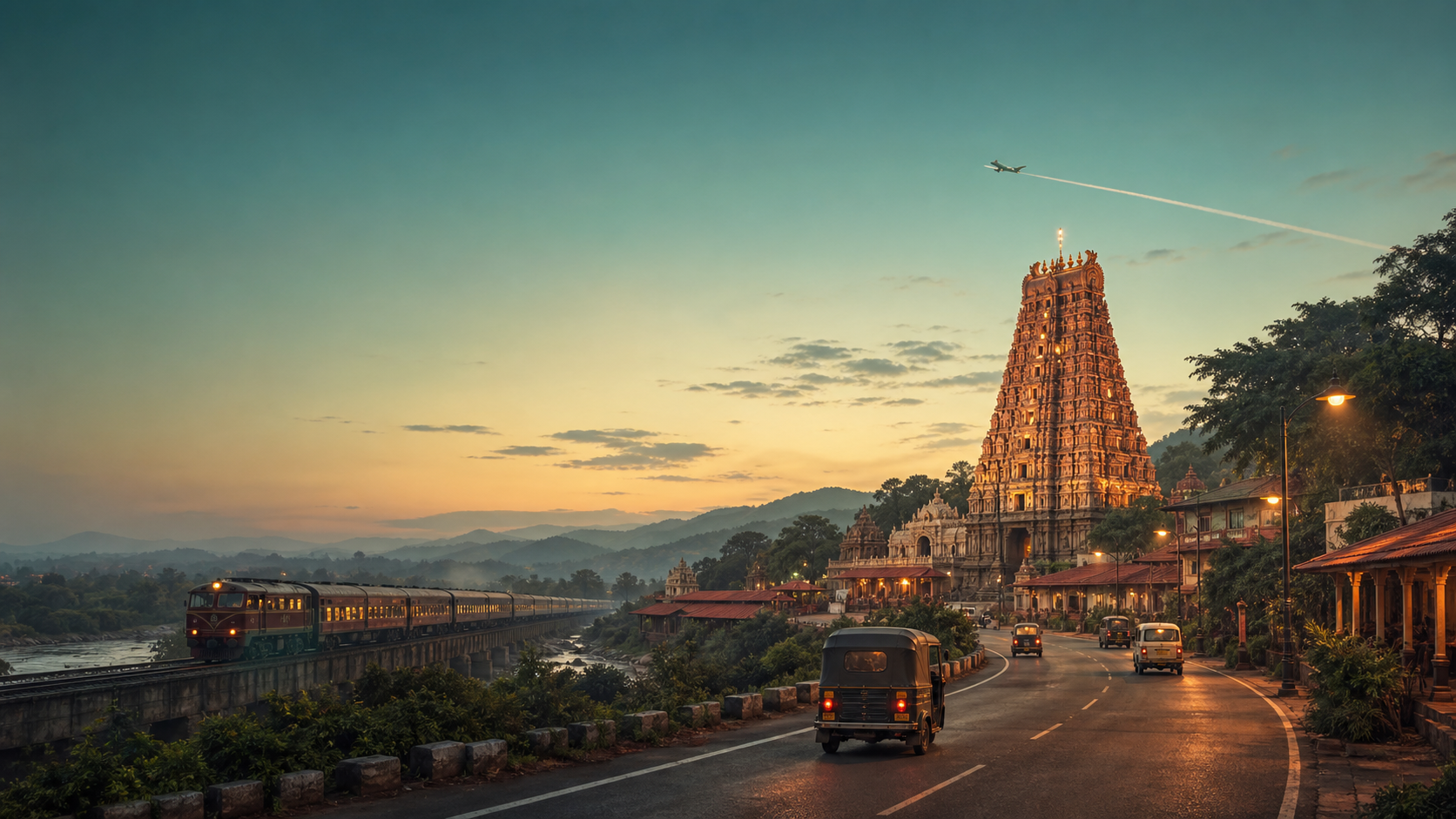
A complete pilgrim record drawn from the existing published article data.
Tracing the Spiritual Legacy: A Brief History of Sikkim's Temples
Sikkim's spiritual landscape is a rich tapestry woven from centuries of intertwined Buddhist and Hindu traditions. The historical evolution of religious practices here began with the arrival of Guru Rinpoche in the 8th century, who blessed the land and paved the way for Buddhism. Later, the establishment of the Namgyal dynasty in the 17th century solidified Tibetan Buddhism as the state religion, leading to the construction of numerous monasteries. Concurrently, the migration of Nepali communities introduced and strengthened Hindu practices, resulting in a unique syncretic culture. This historical interplay has shaped the region's diverse sacred architecture and enduring spiritual traditions, visible in every temple and monastery.
Early Buddhist Influence
Guru Rinpoche's visit in the 8th century is credited with initiating Buddhist traditions in Sikkim, blessing many sites.
Hinduism's Growth
The influx of Hindu communities over centuries led to the establishment of numerous Hindu temples, enriching the religious diversity.
Sacred Structures: Architectural Styles of Sikkim's Temples
The temples and monasteries across Sikkim showcase distinct architectural characteristics, reflecting a harmonious blend of cultural influences. Traditional Tibetan architectural elements, such as multi-tiered roofs, intricate murals, and prayer wheels, are prominent in Buddhist monasteries. Bhutanese styles contribute with their distinctive fortress-like structures and brightly painted wooden facades. Indian temple architecture, particularly in Hindu shrines, features elaborate carvings, gopurams, and traditional shikhara designs. This unique fusion creates a spiritual aesthetic that is both regionally specific and universally captivating, making each sacred site a marvel of craftsmanship and devotion. Local materials often dictate the construction, adding to their indigenous charm.
Tibetan Influences
Buddhist monasteries frequently feature multi-tiered roofs, vibrant murals, and traditional prayer flags, characteristic of Tibetan design.
Indian Temple Elements
Hindu temples often incorporate South Indian architectural styles, including detailed carvings and towering gopurams.
Embark on a Spiritual Journey: The Sikkim Temple Trail
The Sikkim Temple Trail offers a meticulously planned 7-day itinerary, inviting travelers to embark on a profound spiritual journey through the serene landscapes of Sikkim. This unique trail is designed to immerse visitors in the region's rich spiritual heritage, exploring a diverse array of sacred sites. From ancient monasteries perched on hillsides to vibrant Hindu temples nestled in valleys, the trail provides an unparalleled opportunity to connect with the divine and experience the breathtaking natural beauty of the Himalayas. It's an exploration of faith, culture, and the tranquil essence of Sikkim.
Trail Overview
This 7-day itinerary covers key spiritual landmarks across Sikkim, blending cultural immersion with scenic exploration.
Spiritual Immersion
The trail is curated to offer deep insights into both Buddhist and Hindu traditions prevalent in the state.
Guardians and Gods: The Pantheon of Sikkim's Sacred Sites
Sikkim's sacred sites are animated by a rich pantheon of deities, revered lamas, and ancient legends. Buddhist monasteries often enshrine statues of Buddha Shakyamuni, Guru Rinpoche (Padmasambhava), and various Bodhisattvas like Avalokiteshvara. Protector deities (Dharmapalas) are also commonly depicted, safeguarding the dharma. Hindu temples, on the other hand, house idols of gods and goddesses such as Shiva, Vishnu, Durga, and Ganesha, reflecting the diverse traditions of Sanatana Dharma. Each site carries its own unique spiritual narrative, often involving local spirits and mythical figures, passed down through generations. These stories provide profound insights into the spiritual beliefs that animate these holy places, connecting devotees to a living tradition.
Buddhist Deities
Key figures include Buddha Shakyamuni, Guru Rinpoche, and various Bodhisattvas, revered for their teachings and compassion.
Hindu Pantheon
Temples are dedicated to deities like Shiva, Vishnu, Durga, and Ganesha, central to Hindu worship and mythology.
Navigating the Sacred Path: A 7-Day Itinerary for the Sikkim Temple Trail
This comprehensive guide provides a day-by-day breakdown for the Sikkim Temple Trail, ensuring a fulfilling spiritual and cultural experience. Day 1 focuses on Gangtok's Rumtek Monastery and Enchey Monastery. Day 2 explores Pemayangtse Monastery and Rabdentse Ruins near Pelling. Day 3 ventures to Tashiding Monastery and Dubdi Monastery, offering historical insights. Day 4 covers Yuksom's Kathok Lake and its associated sites. Day 5 involves travel to North Sikkim, visiting Phodong Monastery. Day 6 includes Lachen and Lachung monasteries, showcasing high-altitude spiritual centers. Day 7 concludes with a visit to Hanuman Tok and Ganesh Tok back in Gangtok, before departure. Practical travel tips include carrying warm clothing, respecting local customs, and staying hydrated. Essential considerations involve obtaining necessary permits for certain regions and booking accommodations in advance for a seamless journey.
Daily Breakdown
The itinerary outlines specific temples and monasteries to visit each day, optimizing travel and spiritual engagement.
Travel Essentials
Tips cover packing, local etiquette, health precautions, and permit requirements for a smooth and respectful journey.
Beyond the Trail: Embracing Sikkim's Spiritual Essence
The Sikkim Temple Trail is more than just an itinerary; it's a transformative journey that leaves an indelible mark on every pilgrim and traveler. It emphasizes the profound impact of Sikkim's spiritual heritage, showcasing how ancient traditions continue to thrive amidst stunning natural beauty. By traversing this trail, visitors contribute to the preservation of cultural heritage and gain a deeper understanding of the region's unique blend of Buddhist and Hindu philosophies. The experience extends beyond mere sightseeing, offering moments of introspection, peace, and a lasting connection to the sacred essence of the Himalayas. It fosters a sense of wonder and spiritual renewal.
Cultural Preservation
The trail highlights the importance of preserving Sikkim's unique blend of Buddhist and Hindu cultural heritage.
Transformative Experience
Beyond tourism, the journey offers deep spiritual insights and personal growth for those who undertake it.
| Deity | Multiple Deities |
|---|---|
| Form | Unknown |
| Consort | Unknown |
| Sampradaya | Other |
| Significance | Unknown |
The Diverse Spiritual Tapestry of Sikkim
Sikkim, nestled in the Himalayas, is a land where diverse spiritual traditions converge. While no single mythological tale defines a 'temple trail' as a whole, the journey itself is a story of devotion. Each temple along the trail, whether Hindu or Buddhist, carries its own legends of divine manifestations, miraculous events, and the blessings bestowed upon devotees. Visitors embark on a pilgrimage, connecting with the ancient energies and unique narratives preserved within the sacred walls of each individual shrine, experiencing the rich spiritual heritage that permeates the entire region.
In the embrace of the Himalayas, every temple tells a silent story of faith and timeless devotion.
A journey through Sikkim's sacred sites is not just travel, but a pilgrimage for the soul.
Related temples: ASI Protected Temples: India's Archaeological Treasures | Bahrot Caves
🗺 How to Reach
Hover a card to animate the journey on the map
Route to Temple
Related Temples




A Living Covenant