




A complete pilgrim record drawn from the existing published article data.
Tracing the Legacy: History of Sheetla Mata Mandir
The history of Sheetla Mata Mandir is deeply intertwined with ancient legends and significant historical events. Its origins trace back to Kripi, the wife of Guru Dronacharya, who, in ancient times, cared for children suffering from smallpox in Keshopur. After her passing, she was venerated as Mata Sheetla, leading to the construction of an early temple in her honor. The present temple in Gurugram was formally constructed in the 18th century, a commission by Jawahar Singh. A notable event in its history involved Begum Samru, whose child was miraculously cured of smallpox after worship here, solidifying the temple's revered status and settling a regional dispute over the deity's sacred presence.
Ancient Roots
The veneration of Mata Sheetla in the region originated with Kripi, Guru Dronacharya's wife, who dedicated herself to healing children in ancient Keshopur.
18th Century Construction
The current temple structure in Gurugram was built in the 18th century, under the patronage of Jawahar Singh, marking a significant phase in its development.
Miraculous Validation
A key historical event involved the miraculous recovery of Begum Samru's child, which confirmed the temple's divine power and resolved territorial claims over the deity's presence.
Architectural Marvels of Sheetla Mata Mandir
The Sheetla Mata Mandir, constructed in the 18th century under the patronage of Jawahar Singh, stands as a testament to its historical period. While specific architectural styles and construction materials are not widely documented, the temple serves as a functional and sacred space for worship. Its design reflects the general temple architecture prevalent in the region during its construction era, providing a robust and enduring structure for housing the revered deity, Mata Sheetla. The temple's enduring presence for centuries highlights its structural integrity and its importance as a center of devotion.
Construction Period
The temple was built in the 18th century, commissioned by Jawahar Singh, establishing its historical context within the regional architectural landscape.
Builder and Patronage
Jawahar Singh is credited with the construction of the present temple, indicating significant royal or influential patronage during its establishment.
Architectural Details
Specific architectural style and construction materials for the temple are not widely available in documented records. It is a functional temple structure.
Goddess Shitala: Dispeller of Diseases and Protector
Goddess Shitala, the presiding deity of the Sheetla Mata Mandir, holds a profound significance in Hindu tradition as the dispeller of diseases and a benevolent protector. Identified with Kripi, the wife of Guru Dronacharya, she is revered as Lalitha and Mata Masani. Her mythology centers on her role as the goddess associated with infectious diseases such as smallpox and measles. Devotees flock to the temple seeking her divine intervention for healing and protection, particularly for children. Her worship embodies the hope for recovery and immunity, making her a crucial figure of solace and strength for countless families facing health challenges.
The Benevolent Healer
Goddess Shitala is primarily worshipped as the deity who cures and prevents infectious diseases, embodying compassion and healing powers.
Mythological Identity
She is often identified with Kripi, the wife of Guru Dronacharya, revered for her ancient acts of caring for the sick, establishing her legacy as a divine protector.
Protector of Children
A significant aspect of her worship involves seeking her blessings for the health and well-being of children, offering protection against childhood ailments.
Cultural Impact and Community Life
The Sheetla Mata Mandir holds a profound cultural impact on the region, extending far beyond its primary religious functions. It serves as a vibrant nucleus for numerous local traditions and community gatherings, particularly during festivals like Navratri and Sheetla Ashtami. During these periods, the temple complex transforms into a bustling hub of devotion, art, and commerce, drawing thousands of devotees who participate in special pujas, bhajan sessions, and cultural performances. The temple's calendar dictates many local festivities, influencing the social rhythm of Gurgaon and its surrounding villages. Its presence reinforces a sense of shared heritage and collective identity, bringing people together from diverse backgrounds to celebrate common spiritual beliefs and cultural practices that have been passed down through generations. Beyond its seasonal celebrations, the temple plays a continuous role in shaping the local ethos and economy. It acts as a significant pilgrimage site, attracting visitors from across India, which in turn supports local businesses, from flower vendors and *prasad* sellers to small eateries and accommodation providers. The temple's association with healing and protection, especially for children, imbues it with a unique social significance, making it a focal point for families seeking blessings and solace. Furthermore, the temple often engages in various charitable activities, reinforcing its position as a benevolent institution deeply integrated into the community's welfare. This enduring influence underscores its status not just as a place of worship, but as a cornerstone of Gurgaon's cultural landscape and a custodian of its rich spiritual legacy.The Sacred Abode of Sheetla Mata: An Overview
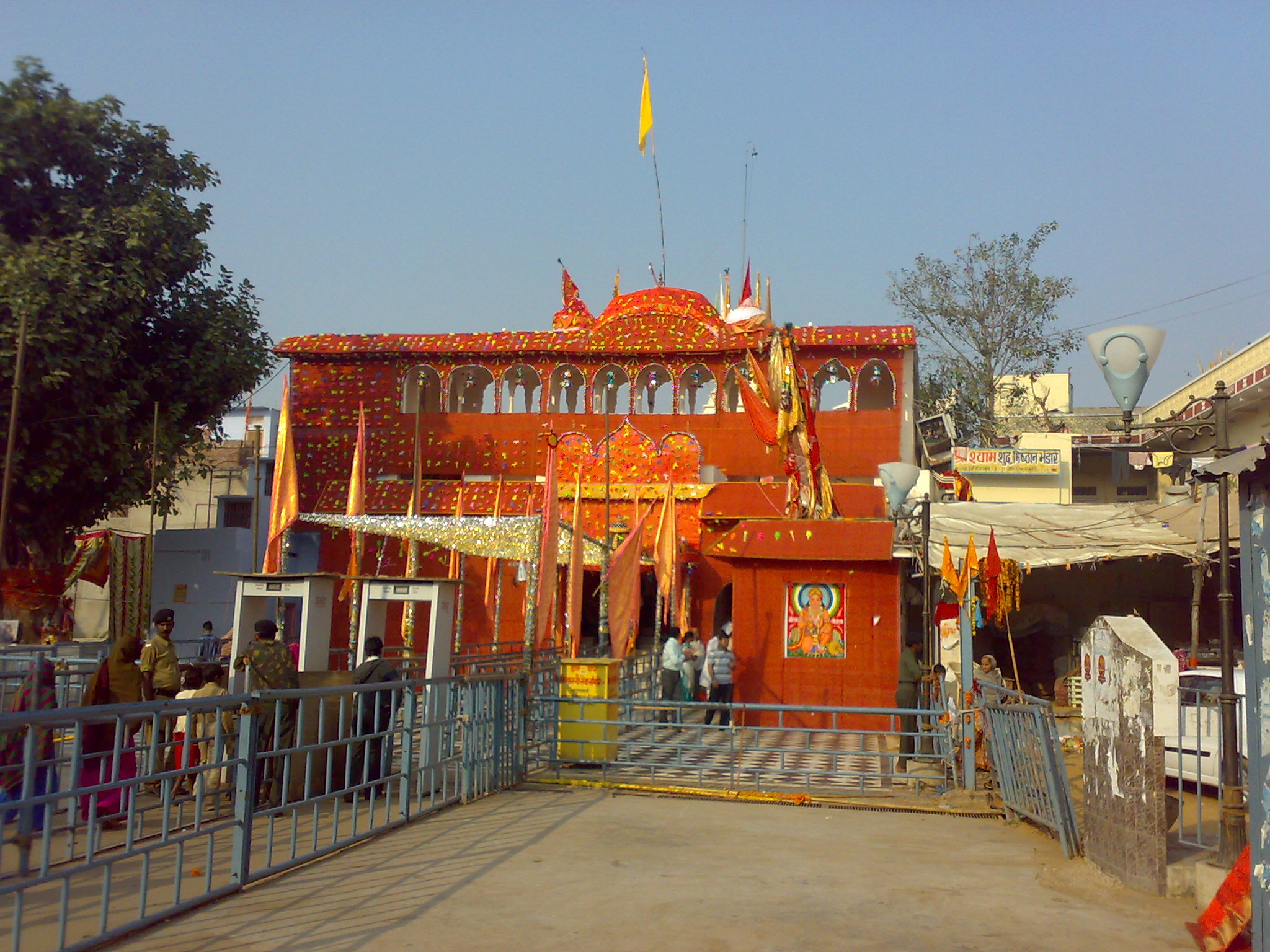
The Sheetla Mata Mandir in Gurugram, Haryana, stands as a revered Hindu pilgrimage site dedicated to the goddess Shitala. Constructed in the 18th century, this temple holds significant cultural and religious importance, drawing devotees who seek blessings and protection from illness. The shrine is believed to be associated with Kripi, the wife of Guru Dronacharya, venerated as a benevolent healer. Its historical roots and the miraculous events linked to its deity have cemented its status as a prominent spiritual landmark in the region.
Location and Significance
Situated in Gurugram, the temple is a focal point for devotees, especially during specific festivals. It is a major pilgrimage destination in Haryana.
Deity and Worship
The primary deity is the goddess Shitala, known for her powers to cure diseases and protect children. Worshippers offer prayers for health and well-being.
Historical Foundation
The current temple structure was built in the 18th century, commissioned by Jawahar Singh, though the veneration of Mata Sheetla in the region dates back to ancient times.
Pilgrim's Path: Visiting Sheetla Mata Mandir
Visiting the Sheetla Mata Mandir offers a profound spiritual experience. The temple welcomes devotees with free entry, though specific timings should be confirmed by contacting the temple office. The best times to visit are during the spring (Chaitra Navaratri) and autumn (Sharad Navaratri) festivals, which attract large congregations. Pilgrims typically spend 1–2 hours at the temple. A traditional dress code is preferred, and removing footwear before entering the sanctum is customary. The temple is easily accessible via various modes of transport, including local buses, trains to Gurgaon Railway Station, and taxis from Indira Gandhi International Airport.
Timings and Entry
Entry to the temple is free, but visitors should contact the temple office for current operating hours. A visit typically lasts 1–2 hours.
Best Time to Visit
The temple is particularly vibrant during the Navaratri festivals in Chaitra (spring) and Ashwin (autumn), drawing numerous devotees.
Travel and Etiquette
The temple is well-connected by bus, train, and car. Visitors are advised to wear traditional attire and remove footwear as a mark of respect.
| Deity | Shitala |
|---|---|
| Form | Mata Sheetla is identified as the goddess of smallpox and also with Kripi (Lalitha), the wife of Guru Dronacharya. She is venerated for her healing powers. |
| Consort | Guru Dronacharya |
| Sampradaya | Hinduism |
| Significance | As Kripi, she cared for children suffering from smallpox, and after her death, she was deified as Mata Sheetla or Mata Masani. The temple is renowned for miraculous cures, notably the healing of Begum Samru's child, solidifying its sacred presence in Gurugram. |
The Miraculous Resolution at Gurugram
A sacred dispute between Keshopur and Gurugram over Mata Sheetla's primary presence was settled by a profound miracle. Begum Samru's child, gravely ill with smallpox, was brought to the Gurugram temple. With fervent prayers, she worshipped at the shrine. Miraculously, her child recovered, a testament to Mata Sheetla's potent healing powers. This extraordinary event not only cured the child but unequivocally established the divine presence of Mata Sheetla in Gurugram, resolving the long-standing dispute and cementing the temple's revered status as a center of healing.
In the embrace of Mata Sheetla, affliction finds its cure and hope blossoms anew for those who seek her divine grace.
From ancient compassion to miraculous healing, the Mother's presence at Gurugram stands as a beacon of protection and solace.
Related temples: Adi Kailasanathar Temple, Perundurai | Arapaleeswarar Temple, Kolli Hills
🗺 How to Reach
Hover a card to animate the journey on the map
Route to Temple
Common Questions
Where is Sheetla Mata Mandir Gurugram: Ancient Healing Goddess Shrine located?
Sheetla Mata Mandir Gurugram: Ancient Healing Goddess Shrine is documented at Gurugram, Haryana.
Which deity is associated with Sheetla Mata Mandir Gurugram: Ancient Healing Goddess Shrine?
Sheetla Mata Mandir Gurugram: Ancient Healing Goddess Shrine is associated with Shitala.
Related Temples


A Living Covenant