



A complete pilgrim record drawn from the existing published article data.
A Journey Through Time: The History of Tripura's Temple Heritage
The history of Tripura's temples is deeply intertwined with its royal past, particularly the Manikya dynasty. While the exact age of many structures remains unknown, they represent a continuous tradition of worship. The revered Tripura Sundari Temple, a prominent Shakti Peeth, is believed to have been established by King Dhanya Manikya in the early 16th century. Its evolution reflects centuries of royal patronage, contributing to its architectural development and spiritual prominence. These temples serve as enduring symbols of the region's historical and religious identity, preserving ancient customs and beliefs.
Ancient Origins
Many temples in Tripura trace their origins back centuries, with some structures believed to be pre-dating historical records, reflecting deep-rooted spiritual practices.
Royal Patronage
The Manikya dynasty played a crucial role in establishing and maintaining many of Tripura's significant temples, including the Tripura Sundari Temple, through extensive royal patronage.
Tripura Sundari: The Beautiful Goddess and Her Mythological Significance
Goddess Tripura Sundari, also known as Tripureshwari or Lalita, is a fierce yet benevolent manifestation of Adi Shakti, the supreme cosmic power. As one of the ten Mahavidyas, she embodies beauty, power, and wisdom. Her worship is central to the Shaktism tradition, where she is revered as the presiding deity of the region, safeguarding its people. Mythology recounts her presence as one of the Shakti Peeths, where parts of Sati's body fell, making the temple a highly sacred pilgrimage site. Devotees seek her blessings for prosperity, protection, and spiritual enlightenment.
Mahavidya Incarnation
Tripura Sundari is one of the Dasa Mahavidyas, representing the highest aspect of divine beauty, knowledge, and cosmic consciousness within the Tantric tradition.
Shakti Peeth Status
The Tripura Sundari Temple is recognized as one of the 51 Shakti Peeths, signifying it as a highly sacred site where a part of Goddess Sati's body is believed to have fallen.
Discovering Tripura's Sacred Temples and Vibrant Festivals
Tripura, a northeastern Indian state, is a land rich in spiritual heritage, boasting numerous ancient temples that reflect its vibrant cultural tapestry. These sacred sites are not only places of worship but also centers for lively festivals, attracting devotees and tourists eager to experience the region's unique traditions. The temples, often dedicated to various Hindu deities, stand as testaments to centuries of devotion and architectural prowess. Visitors can immerse themselves in the spiritual ambiance and witness the colorful celebrations that punctuate the annual calendar, offering a profound glimpse into Tripura's religious life.
Spiritual Landscape
Tripura's spiritual landscape is characterized by a multitude of temples, each holding significant religious and historical value for the local communities.
Cultural Significance
The temples serve as focal points for cultural expression, preserving ancient customs, art forms, and traditional practices through generations.
Plan Your Pilgrimage: Essential Tips for Visiting Tripura's Temples
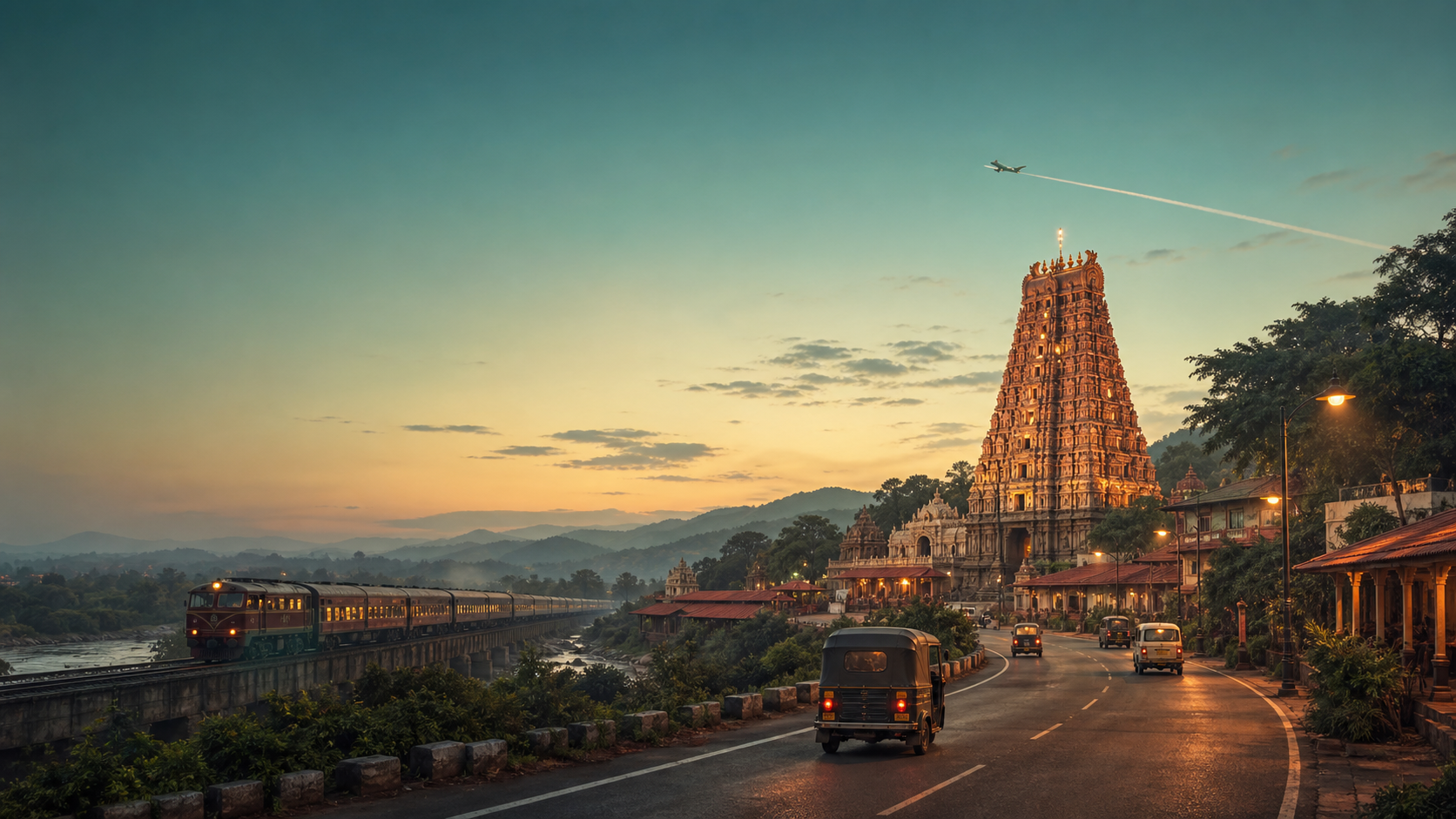
Planning a visit to Tripura's temples requires some preparation. The best time to visit is from October to March, offering pleasant weather for exploring. Entry to temples is generally free, but specific timings should be noted: 6:00 AM – 12:30 PM and 4:00 PM – 9:00 PM. Traditional attire is preferred, and removing footwear before entering is customary. For transport, Agartala is well-connected by air (Maharaja Bir Bikram Airport, IXA), train (Agartala Railway Station, AGTL), and bus (Agartala Bus Stand). Auto-rickshaws and taxis are readily available within the city. Allow 1-2 hours per temple. Limited parking may be available; consider public transport or ride-sharing.
Travel Logistics
Agartala is accessible via Maharaja Bir Bikram Airport (IXA), Agartala Railway Station (AGTL), and Agartala Bus Stand. Local transport includes auto-rickshaws and taxis for city travel.
Visiting Etiquette
Visitors are advised to wear traditional attire and remove footwear before entering the temple premises. The best time to visit is October to March, with free entry during specified hours.
| Deity | Tripura Sundari |
|---|---|
| Form | Unknown |
| Consort | Unknown |
| Sampradaya | Other |
| Significance | Unknown |
No Specific Mythological Story Provided
The provided information does not include any specific mythological stories or legends associated with the Tripura Sundari Temple.
Experience the divine tranquility and spiritual aura of Tripura Sundari, a revered pilgrimage destination.
Journey to the heart of Tripura's devotion, where ancient traditions meet serene spiritual practice.
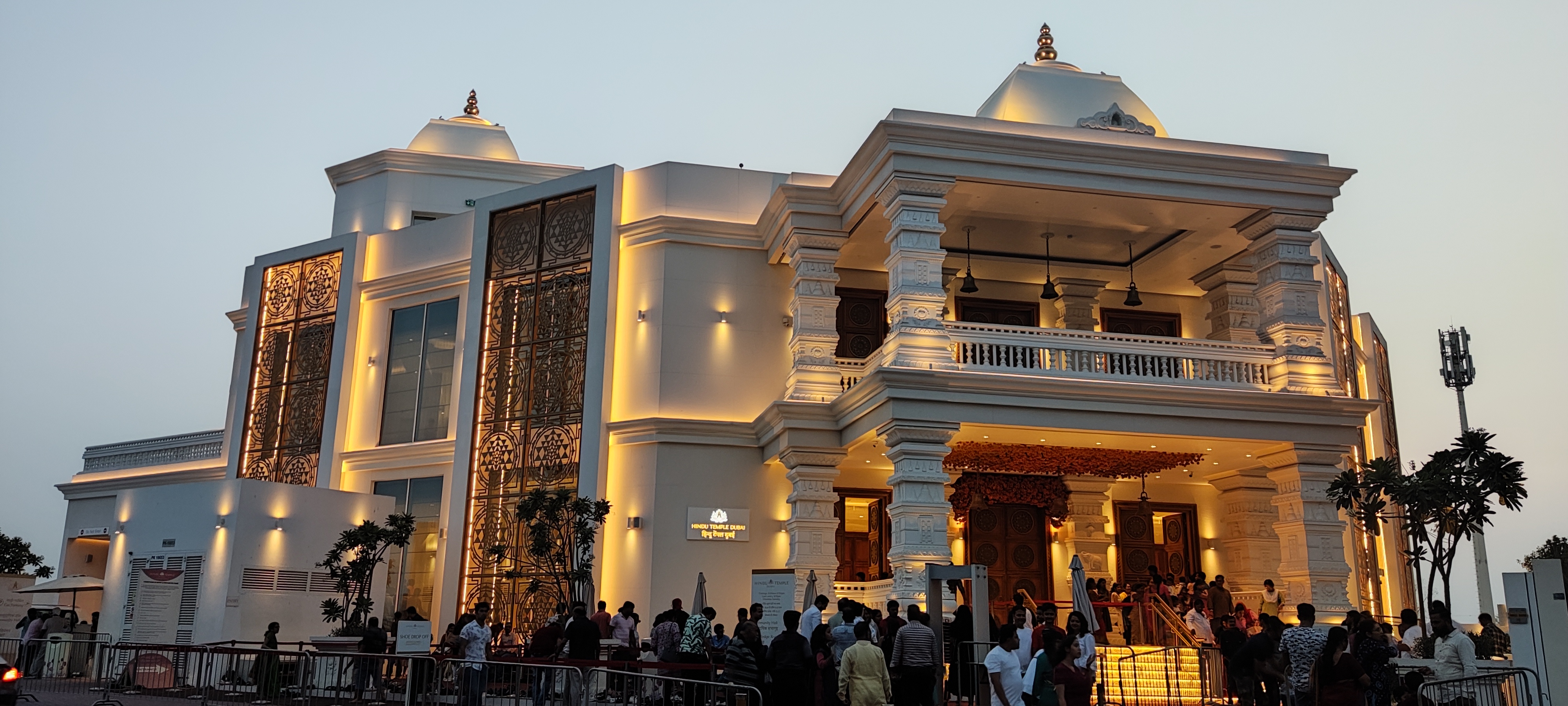
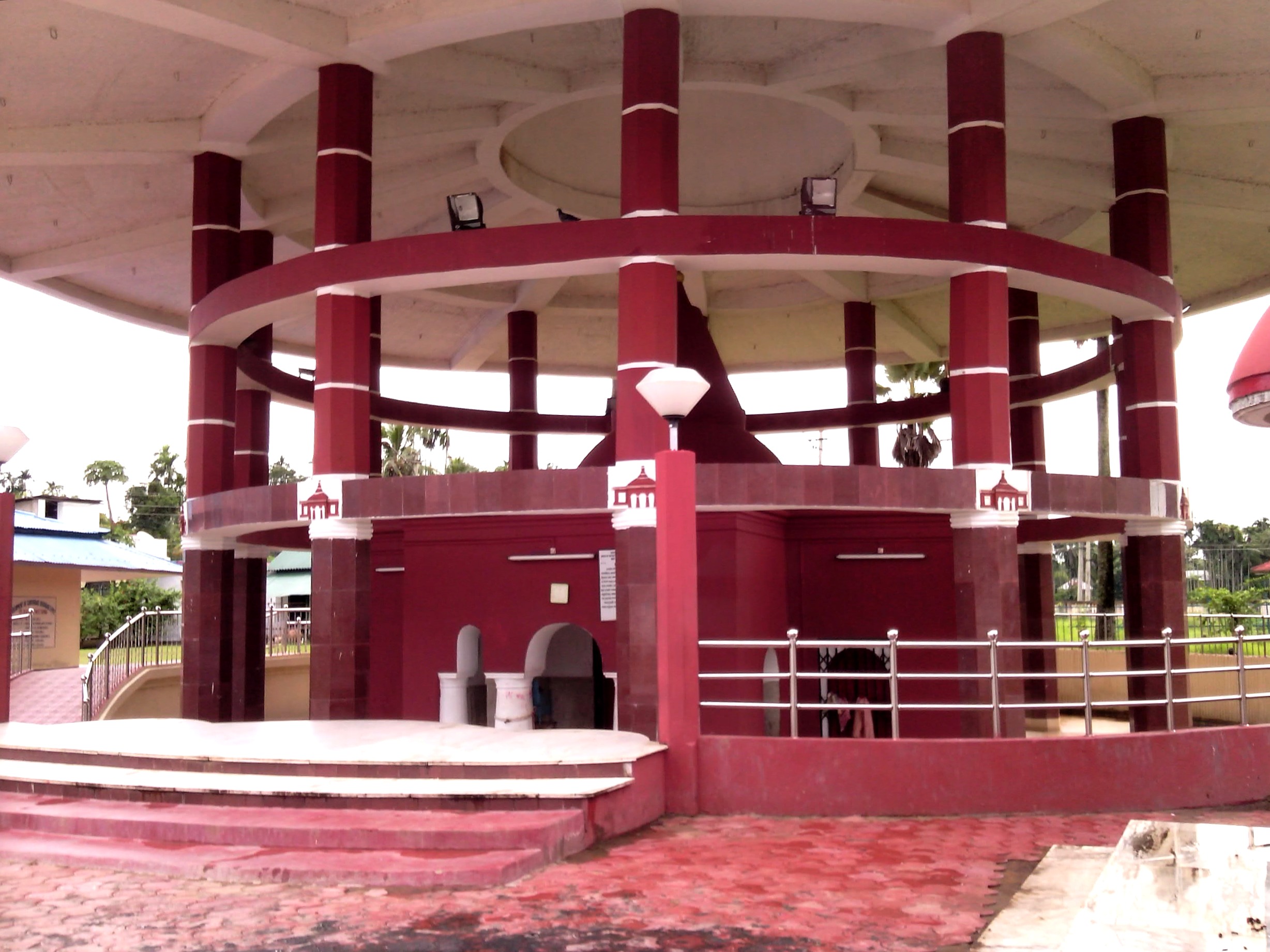
Related temples: Chandranath Temple | Hindu Temple, Dubai
Celebrating Faith: Key Festivals and Their Spiritual Significance
Festivals at Tripura's temples are vibrant expressions of faith and culture, drawing large congregations. The most significant is the Diwali Mela at Tripura Sundari Temple, where thousands gather to offer prayers and participate in rituals during the festival of lights. Other important celebrations include Ambubachi Mela and Durga Puja, marked by special _pujas_, traditional music, and dance. These events are deeply rooted in local traditions, showcasing the rich spiritual heritage. The best time to experience these festivities is typically during the cooler months, particularly from October to March, aligning with major Hindu holidays.
Diwali Mela
The Diwali Mela at Tripura Sundari Temple is a major annual event, attracting a massive influx of devotees who celebrate the festival of lights with great fervor and elaborate rituals.
Other Major Celebrations
Beyond Diwali, festivals like Ambubachi Mela and Durga Puja are celebrated with traditional ceremonies, music, and cultural performances, reflecting the region's spiritual diversity.
Local Cuisine & Stay
Beyond the spiritual enrichment of Tripura's sacred festivals, visitors are invited to explore the state's distinctive culinary landscape, an integral part of its vibrant cultural tapestry. Around temple sites and during festival periods, a plethora of local eateries and temporary food stalls emerge, offering authentic Tripuri dishes that deeply reflect the indigenous heritage. Staples often include rice, complemented by unique preparations featuring bamboo shoot (muiya), fermented fish (berma), and a variety of fresh, seasonal vegetables. These dishes are typically cooked with minimal oil and spices, allowing the natural flavors of the ingredients to shine through. Delicacies like 'Chakhwi' (a mixed vegetable dish) or 'Gudok' (steamed fermented fish and vegetables) are not merely meals but an extension of the communal celebration, often shared among devotees and visitors, providing a genuine taste of Tripuri hospitality and tradition. For those planning to immerse themselves in Tripura's sacred festivals, securing appropriate accommodation is a crucial aspect, especially given the significant influx of visitors during peak seasons. While Agartala, the state capital, provides a diverse range of hotels and guesthouses catering to various budgets, lodging options closer to specific temple towns may be more modest, often consisting of smaller lodges or community-run facilities. It is highly recommended to book accommodation well in advance, particularly for major festivals such as Kharchi Puja or Garia Puja, to ensure availability and avoid last-minute inconveniences. Exploring local homestays can also offer a more profound cultural experience, fostering connections with local families and providing deeper insights into Tripuri life and customs, enhancing the overall pilgrimage journey.🗺 How to Reach
Hover a card to animate the journey on the map
Route to Temple
Related Temples

A Living Covenant