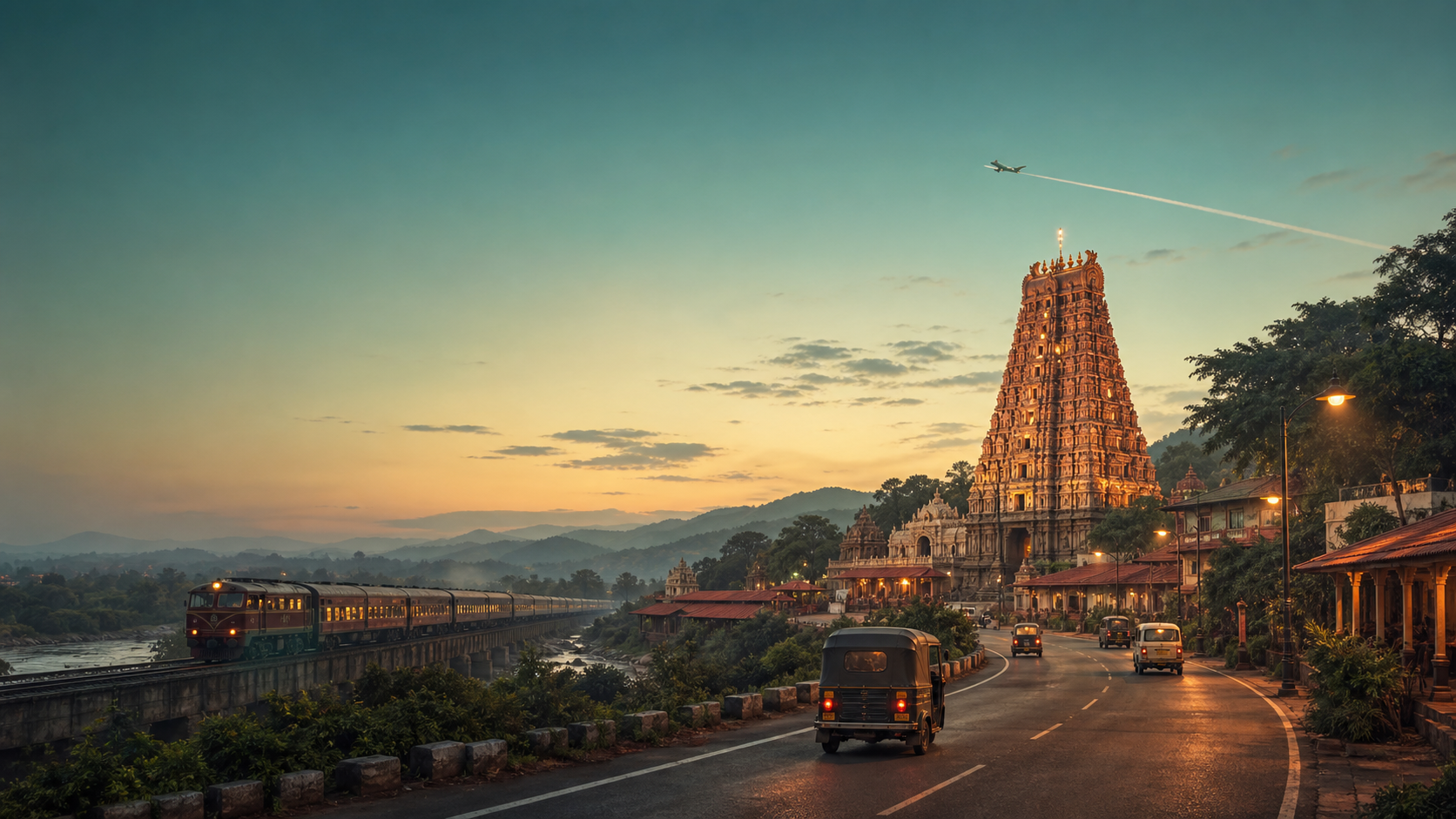
A complete pilgrim record drawn from the existing published article data.
A Journey Through Time: The History of Sikkim's Temple Festivals
The history of Sikkim's temple festivals is a rich tapestry woven over centuries, reflecting the region's unique blend of Buddhist and indigenous traditions. These celebrations have evolved from ancient animistic practices, gradually incorporating the tenets of Vajrayana Buddhism introduced from Tibet. Early festivals often centered around appeasing local spirits and ensuring bountiful harvests, while the arrival of Buddhist masters brought new rituals, deities, and philosophical depth. This historical evolution has shaped Sikkim's spiritual identity, with temples serving as enduring custodians of these traditions. The festivals today are a testament to the resilience and adaptability of these ancient customs, continuously reinterpreted yet faithfully preserved.
Ancient Roots
Many festivals trace their origins to pre-Buddhist animistic beliefs of the indigenous communities, honoring nature spirits and local deities for protection and prosperity.
Buddhist Influence
With the spread of Buddhism from the 17th century onwards, numerous festivals adopted Buddhist iconography, narratives, and monastic rituals, integrating them seamlessly with existing practices.
Indigenous Traditions
Despite Buddhist prevalence, festivals often retain distinct elements from Lepcha, Bhutia, and Limbu traditions, showcasing the syncretic nature of Sikkim's religious landscape.
Sacred Structures: Architecture of Sikkim's Festival Temples
Sikkim's temple architecture is a captivating blend of Tibetan Buddhist and local design elements, creating structures that are both aesthetically stunning and deeply symbolic. These sacred buildings, often called _gompas_ or _lakhangs_, are more than just places of worship; they are integral to the festival experience, providing a majestic backdrop for elaborate rituals and vibrant celebrations. Characterized by their multi-tiered roofs, intricate murals, and vibrant colors, the temples reflect a profound spiritual ethos. Their design is meticulously crafted to enhance the spiritual journey of devotees and to serve as a fitting stage for the sacred dramas enacted during festivals.
Architectural Fusion
Temples in Sikkim often exhibit a unique fusion of traditional Tibetan monastic architecture, characterized by strong lines and vibrant paintwork, with local building materials and artistic motifs.
Symbolic Design Elements
Every architectural detail, from the prayer wheels and chortens to the intricate frescoes depicting Buddhist deities and mandalas, carries deep symbolic meaning, guiding devotees towards enlightenment.
Festival Backdrop
The grandeur of these temples provides a dramatic and sacred setting for festivals, where the architecture itself becomes part of the ritual, amplifying the spiritual atmosphere.
The Divine Pantheon: Deities and Mythology of Sikkim's Festivals
Understanding the multiple deities and their associated myths is crucial for appreciating the spiritual depth and narrative richness embedded in Sikkim's temple festivals. The pantheon primarily revolves around figures from Vajrayana Buddhism, including various Buddhas, Bodhisattvas, and fierce protector deities. Local indigenous deities, often associated with mountains, lakes, and forests, are also venerated, reflecting the syncretic nature of Sikkimese spirituality. Each festival is dedicated to specific deities or events in their mythical lives, with rituals, dances, and chants re-enacting these sacred narratives. These stories not only instruct but also provide a framework for moral conduct and spiritual understanding within the community.
Central Deities
Festivals often honor figures like Guru Rinpoche (Padmasambhava), the patron saint of Sikkim, various manifestations of Avalokiteshvara, and wrathful protector deities such as Mahakala and Palden Lhamo.
Mythological Underpinnings
The myths recount tales of enlightenment, battles against evil, and the establishment of dharma, providing a rich narrative context for the elaborate rituals and masked dances performed during festivals.
Indigenous Spirit Worship
Alongside Buddhist figures, festivals may also incorporate reverence for local deities and nature spirits, reflecting the ancient animistic beliefs that predate Buddhism in the region.
Discovering Sikkim's Sacred Festivals and Temples
Sikkim, a land of mystical beauty, offers a profound spiritual journey through its ancient temples and the vibrant festivals celebrated within their sacred precincts. These celebrations are not merely events but a living testament to the region's rich cultural heritage and deep-rooted faith. They provide a unique window into the spiritual life of the Sikkimese people, where devotion, tradition, and community intertwine. Visitors can witness elaborate rituals, colorful dances, and traditional music, all contributing to an immersive experience that transcends mere observation. The temples themselves, often nestled amidst breathtaking landscapes, serve as focal points for these communal expressions of reverence.
Cultural Tapestry
Sikkim's festivals weave together diverse cultural threads, including indigenous Lepcha, Bhutia, and Nepali traditions, alongside the dominant Tibetan Buddhist influences. Each festival tells a story of communal identity and shared spiritual values.
Spiritual Immersion
Participating in or observing these temple festivals offers a deep spiritual immersion, allowing visitors to connect with the local customs, beliefs, and the profound sense of devotion that permeates daily life in Sikkim.
Planning Your Visit to Sikkim's Sacred Celebrations
Planning your visit to Sikkim's sacred celebrations requires considering the best times and understanding local customs for a respectful and enriching experience. The period from October to March is generally considered ideal due to pleasant weather and the occurrence of several major festivals. It's advisable to research specific festival dates, as they often follow the lunar calendar. When attending, respectful attire is preferred, and removing footwear before entering temple sanctums is customary. Photography may be restricted in certain areas or during specific rituals. Engaging with local guides can offer deeper insights into the significance of the ceremonies. Allow ample time for travel, especially during peak festival seasons.
Best Time to Visit
The months from October to March offer the most favorable weather conditions and coincide with many significant Buddhist festivals like Losar, Bumchu, and Saga Dawa.
Key Festivals to Attend
Popular festivals include Losar (Tibetan New Year), Saga Dawa (Buddha's birth, enlightenment, and nirvana), Lhabab Duechen, and the masked dances during Kagyed and Pang Lhabsol.
Visitor Etiquette
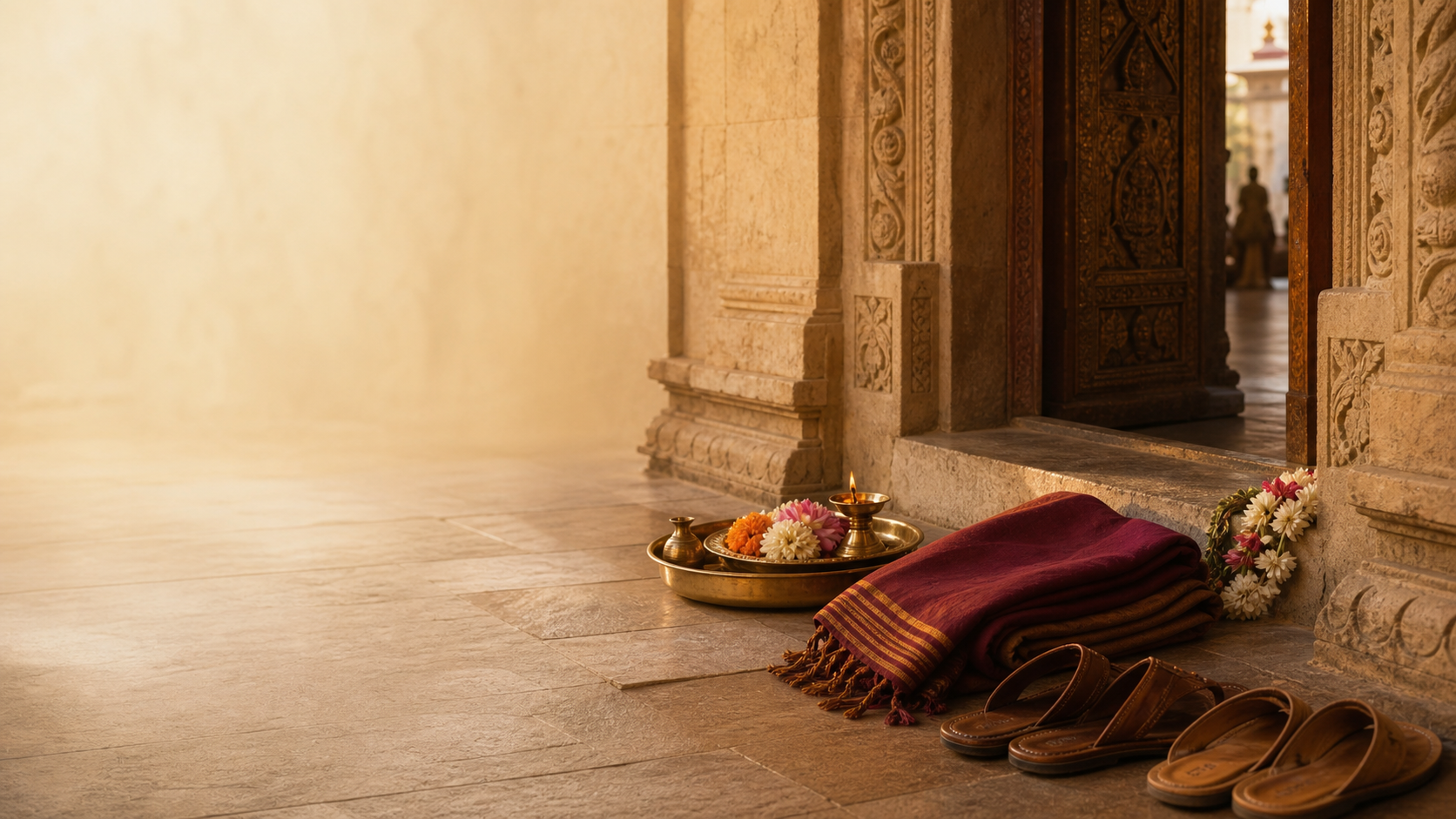
Dress modestly, remove shoes before entering temples, avoid pointing your feet at altars, and always seek permission before photographing people, especially monks or during rituals.
| Deity | Multiple |
|---|---|
| Form | Unknown |
| Consort | Unknown |
| Sampradaya | other |
| Significance | Unknown |
The Vibrant Tapestry of Sikkim's Festivals
Sikkim's sacred temples come alive during its numerous festivals, weaving a vibrant tapestry of devotion and cultural celebration. These events are deeply rooted in the local traditions, often blending Hindu and Buddhist customs. They serve as crucial gatherings for communities to express their faith, offer prayers, and participate in ancient rituals. Each festival, whether celebrating a harvest, a deity, or a significant spiritual event, underscores the profound connection between the people, their land, and the divine, making a visit during these times a truly immersive experience.
The temples of Sikkim are not just structures; they are living testaments to faith, where ancient traditions meet the serene beauty of the Himalayas.
Experience the heart of Sikkim's spirituality during its festivals, a time when devotion illuminates every prayer and every step.
Related temples: ASI Protected Temples: India's Archaeological Treasures | Bahrot Caves
Cultural Impact and Community Life
Sikkim's sacred festivals are far more than mere religious observances; they are vibrant expressions of the region's unique cultural identity and the bedrock of community life. These annual gatherings, often held at ancient monasteries, serve as crucial conduits for transmitting centuries-old traditions, oral histories, and artistic forms from one generation to the next. Through elaborate masked dances (Chham), intricate thangka displays, and devotional music, the festivals provide a living canvas of Buddhist philosophy and local folklore. They reinforce social cohesion, bringing together villagers from remote areas, strengthening family ties, and fostering a collective sense of belonging. The meticulous preparations, from crafting costumes to rehearsing rituals, involve entire communities, ensuring that the spiritual and cultural legacy remains robust and deeply embedded in the Sikkimese psyche. Beyond their spiritual significance, these festivals exert a profound socio-economic influence on Sikkim. They stimulate local economies through increased tourism, demand for traditional crafts, and temporary employment opportunities for vendors and service providers. Monasteries, as the epicenters of these celebrations, play a pivotal role not only in spiritual guidance but also as custodians of cultural heritage, often leading conservation efforts for ancient texts and art. For visitors, attending a festival offers an unparalleled immersion into the authentic Sikkimese way of life, providing insights into their hospitality, reverence for nature, and resilient spiritual practices. These events bridge the past and present, allowing both residents and pilgrims to connect with a living tradition that continues to shape the region's distinctive character and attract global attention.🗺 How to Reach
Hover a card to animate the journey on the map
Route to Temple
Related Temples




A Living Covenant