



A complete pilgrim record drawn from the existing published article data.
Historical Roots of Manipur's Festival Traditions
The festival traditions of Manipur possess deep historical roots, evolving alongside the kingdom itself. Early practices likely centered around indigenous deities, as evidenced by festivals like Lai Haraoba. The 11th-12th Century establishment of the Loiyumba Shinyen suggests an organized state capable of supporting structured cultural and religious activities. The 18th Century adoption of the name 'Manipur' by King Gharib Nawaz further solidified a distinct identity, fostering a fertile ground for the development and patronage of elaborate temple rituals. Later, Manipuri dance, intrinsically linked to Vaishnavite temple worship, gained classical recognition, highlighting the enduring evolution of these sacred traditions.
Ancient Origins
Early festivals likely predate recorded history, focusing on animistic beliefs and the veneration of local deities, forming the bedrock of later traditions.
Royal Patronage and Vaishnavism
The formal adoption of Vaishnavism by kings significantly influenced festival development, integrating Hindu deities and narratives into existing cultural practices.
Evolution of Dance Forms
The classical Manipuri dance form emerged from temple rituals, demonstrating the sophisticated evolution of religious expression into performing arts.
Deity and Mythology: Krishna's Enduring Influence
Lord Krishna's influence profoundly shapes Manipur's festivals, particularly through the region's strong Vaishnavite tradition. The main deity of many temples is Krishna, and his stories, as found in the Mahabharata and other scriptures, form the narrative backbone of numerous celebrations. Manipuri dance, a classical art form, is intrinsically tied to Vaishnavite temple rituals, often depicting episodes from Krishna's life. This devotion imbues festivals like Yaoshang with distinct spiritual fervor, transforming them into vibrant expressions of love and reverence for the divine cowherd, impacting both religious rites and artistic representations.
Vaishnavite Devotion
The widespread devotion to Lord Krishna is central, with many festivals directly celebrating his life and divine exploits.
Mythological Narratives
Krishna's mythology provides the thematic content for temple dramas, songs, and dances, enriching the festival experience.
Artistic Expression
The influence extends to classical Manipuri dance, where graceful movements often interpret tales of Krishna and Radha.
Introduction to Manipur's Sacred Festivals
Manipur, often called the "Jewel City," is a land where spirituality and culture intertwine, especially through its vibrant temple festivals. These celebrations are not merely religious observances but serve as cornerstones of the community's identity, preserving ancient traditions and fostering social cohesion. They offer a vivid spectacle of devotion, art, and communal joy, deeply rooted in the region's rich heritage. From ancient pre-Hindu rites to Vaishnavite festivities, Manipur's calendar is punctuated by events that showcase its unique spiritual landscape.
Cultural Significance
Manipur's festivals are integral to its cultural fabric, reflecting the collective spirit and historical narratives of its people. They are living expressions of traditions passed down through generations.
Religious Diversity
The festivals encompass both indigenous pre-Hindu practices, like Lai Haraoba, and later Vaishnavite traditions, demonstrating a unique blend of spiritual beliefs.
Community Engagement
These events are powerful catalysts for community gathering, bringing people together in shared rituals, feasts, and traditional performances.
Planning Your Festival Visit to Manipur: When and How
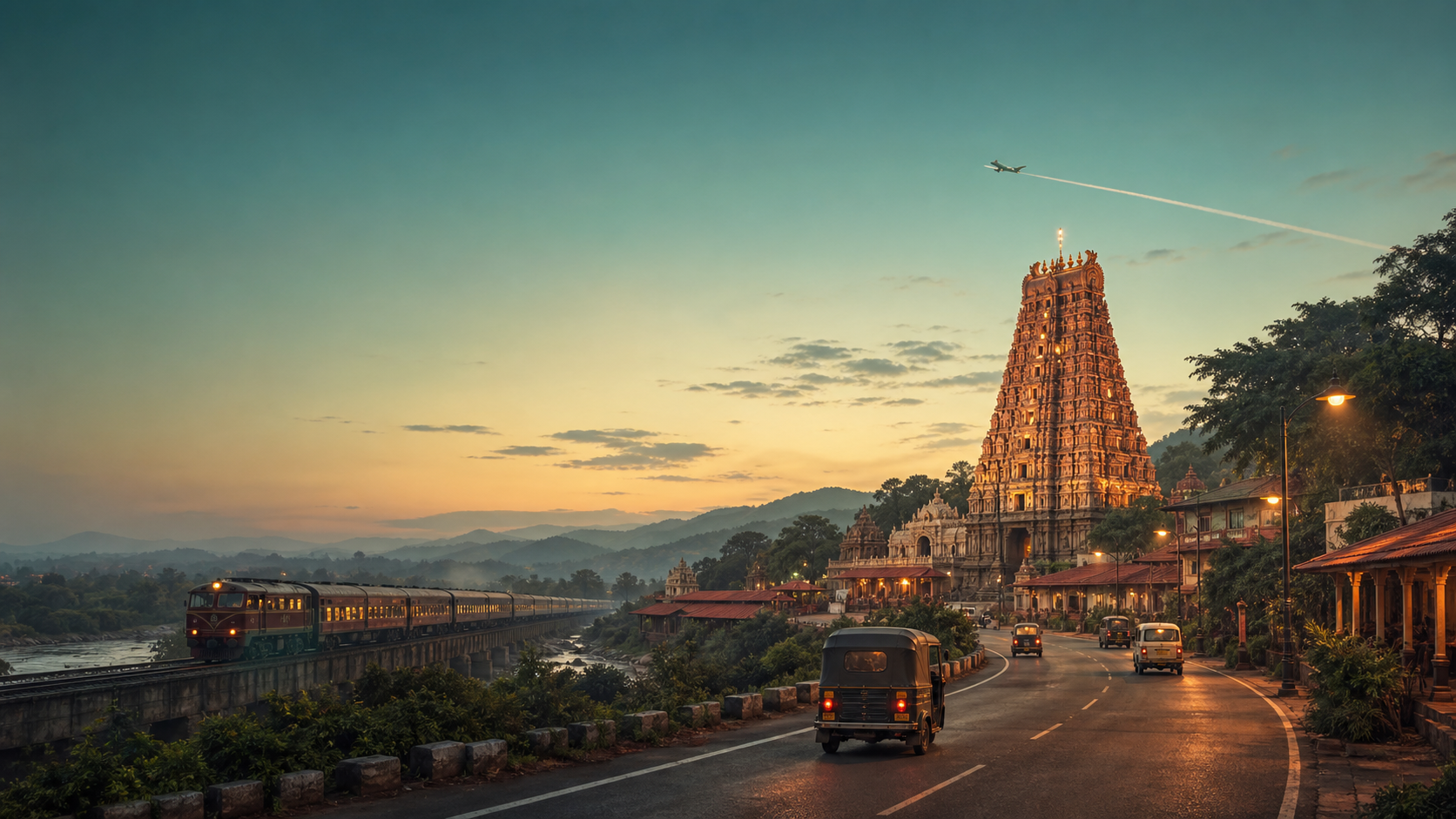
To fully experience Manipur's sacred festivals, strategic planning is essential. The best time to visit is from October to March, coinciding with pleasant weather and several key celebrations. Major festivals include Yaoshang (March), akin to Holi, and Cheiraoba (April), the Meitei New Year. While specific temple timings vary, general advice includes modest dress and removing footwear. Allow 5–7 days to explore temples, cultural sites, and valley geography. Imphal International Airport offers direct flights, and Jiribam Railway Station connects by train, though road travel via NH2 is also common.
Optimal Visiting Period
The months between October and March are ideal, offering agreeable climate and a calendar rich with significant festivals.
Key Festivals to Attend
Consider Yaoshang for its vibrant spring celebrations or Cheiraoba for the unique Meitei New Year traditions.
Travel and Accommodation
Imphal International Airport is the main entry point. Book accommodations in advance, especially during peak festival seasons.
The Central Role of Temples in Festival Observances
Temples in Manipur serve as the vibrant epicenters for nearly all major festival activities, embodying the spiritual heart of the region. These sacred spaces are where deities like Krishna are honored, and where the community converges for rituals, prayers, and communal celebrations. During festivals such as Yaoshang, the temple precincts buzz with devotees and cultural performances. They are not merely places of worship but also social hubs, facilitating the preservation of religious customs and fostering a strong sense of collective identity and shared spiritual life among the Manipuri people.
Ritual Hubs
Temples are the primary venues for elaborate rituals, offerings, and ceremonial observances that define Manipur's festival calendar.
Community Gathering Points
Beyond worship, temples act as vital community spaces where people gather for social interaction, cultural exchange, and shared feasting during festivals.
Preservers of Tradition
They play a crucial role in safeguarding and transmitting ancient religious practices, myths, and artistic expressions across generations.
Experiencing Manipur's Spiritual Vibrancy
Visiting Manipur during its temple festivals offers an unparalleled immersion into a unique spiritual and cultural landscape. It's an opportunity to witness ancient rituals, vibrant folk dances like Thang-Ta, and the deep-seated devotion of the Manipuri people. From the indigenous reverence for Umang Lais during Lai Haraoba to the fervent Vaishnavite celebrations, each festival provides a window into the region's syncretic spiritual identity. The collective joy, intricate traditions, and colorful spectacles leave visitors with profound and lasting impressions of Manipur's rich heritage and spiritual heart.
Cultural Immersion
Engage directly with local customs, music, and dance, gaining insight into the Manipuri way of life.
Spiritual Connection
Witnessing the devotion and rituals offers a deep understanding of the region's diverse religious practices.
Memorable Impressions
The blend of ancient traditions, vibrant celebrations, and communal spirit creates an unforgettable travel experience.
| Deity | Krishna |
|---|---|
| Form | Often depicted in his youthful, playful form, central to Ras Lila performances. |
| Consort | Radha |
| Sampradaya | Vaishnavism |
| Significance | As a central deity in Vaishnavism, Krishna is revered as the Supreme Being or an avatar of Vishnu, embodying divine love, wisdom, and playful nature. His divine play, particularly with Radha and the gopis, is a core theme in Manipuri Vaishnavite traditions. |
The Jewel City of Manipura
Long ago, this enchanting land was known by various names, reflecting its rich indigenous heritage—Kangleipak and Meiteileipak. But it was the ancient Sanskrit legend, immortalized in the grand epic Mahabharata, that bestowed upon it a name of unparalleled splendor: Manipura, the 'city of jewels'. This poetic designation, evoking images of sparkling gems and immense wealth, captured the imagination of many. It was in the 18th century that King Gharib Nawaz formally embraced this glorious appellation, cementing its identity as Manipur, a name that continues to resonate with its luminous history and cultural richness.
Manipur, the 'city of jewels', reflects a luminous history and cultural richness, deeply rooted in its Vaishnavite traditions.
The divine play of Krishna, particularly with Radha, forms the core of Manipuri Vaishnavite traditions and its renowned dance forms.
Related temples: A. C. Bhaktivedanta Swami Prabhupada | Abhimanyu Temple, Vayotthidam
🗺 How to Reach
Hover a card to animate the journey on the map
Route to Temple
A Living Covenant