A complete pilgrim record drawn from the existing published article data.
Tracing the Roots: Buddhism and Temple History in Ladakh
The historical evolution of Buddhism in Ladakh is a tale of profound spiritual influence, beginning in the early centuries CE. Early Buddhist sites emerged, building upon the region's ancient Zhangzhung cultural influences. Over time, numerous monasteries, or _gompas_, were established, becoming revered centers of learning, worship, and cultural preservation. These temples, often perched dramatically on hillsides, have withstood centuries, safeguarding Buddhist scriptures, art, and practices. Their enduring significance lies in their role as guardians of faith and tradition in this remote Himalayan kingdom.
Early Buddhist Presence
Evidence suggests Buddhist activities in Ladakh from the early centuries CE, evolving from earlier cultural forms.
Monastic Foundations
Monasteries became the bedrock of Ladakhi society, preserving religious texts and art.
Sacred Structures: Architecture as a Canvas for Celebration
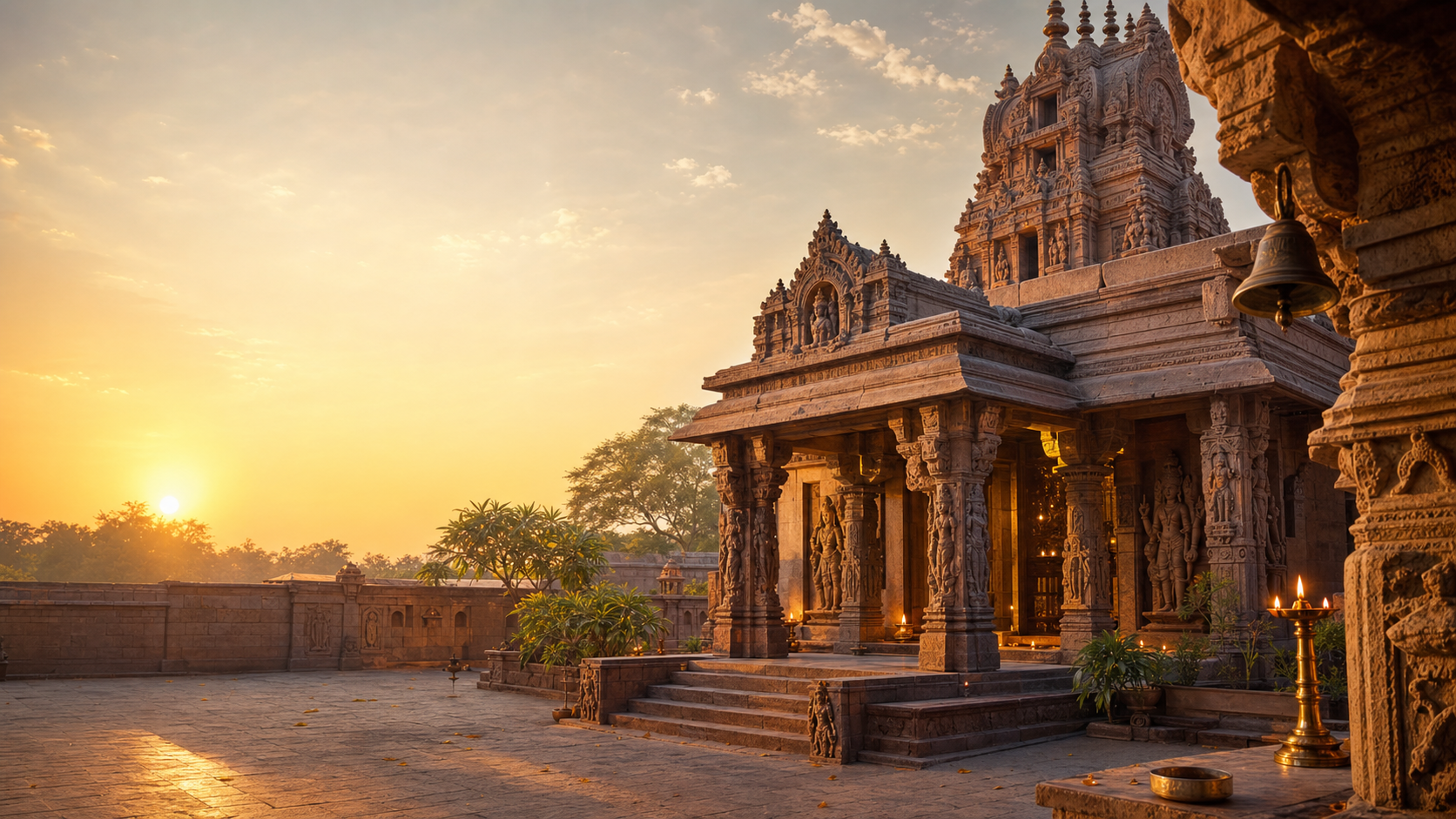
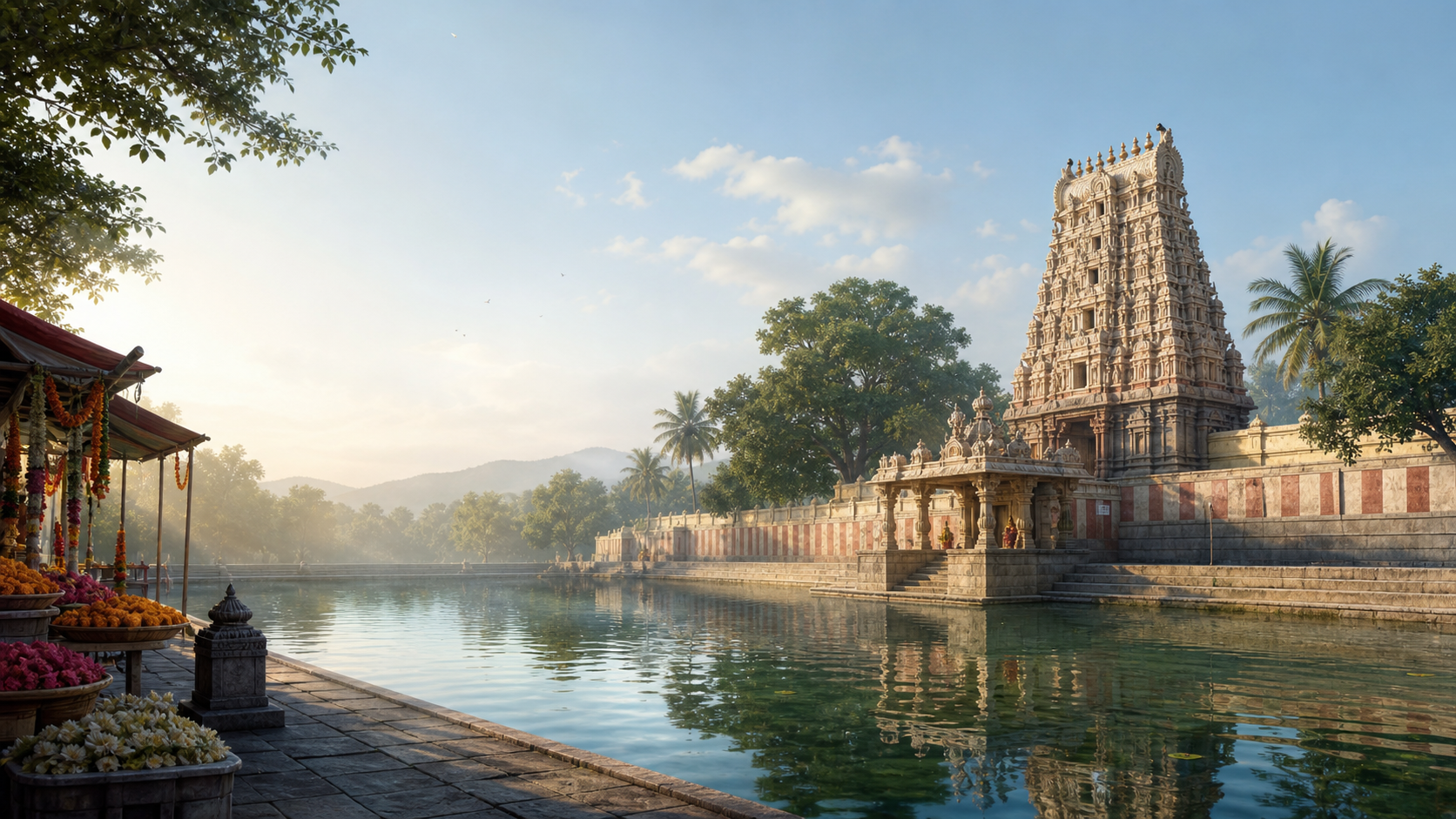
Ladakh's temples exhibit distinctive architectural styles, often blending Tibetan Buddhist traditions with local building techniques. Characterized by whitewashed walls, red roofs, and intricate wooden carvings, these structures are more than just places of worship; they are grand backdrops for elaborate religious ceremonies and festivals. Courtyards become stages for masked dances, prayer halls resonate with monastic chants, and murals depict Buddhist cosmology, enriching the festive atmosphere. The design ensures that each element, from the main assembly hall to the smallest shrine, contributes to an immersive spiritual and cultural experience during celebrations.
Tibetan Influences
Architectural elements frequently reflect strong Tibetan Buddhist design principles.
Festive Backdrops
Temple courtyards are purposefully designed to host large-scale masked dance performances.
Buddha and Beyond: The Divine Presence in Ladakh's Festivals
The divine presence in Ladakh's festivals is profoundly centered on Buddha, the main deity. Temples across the region, dedicated primarily to various forms of Buddha, become focal points for elaborate rituals. Beyond Buddha, other revered deities, Bodhisattvas, and protective dharma guardians are also honored, their images and stories animated through sacred masked dances (Chhams) and devotional chants. These vibrant traditions and rituals are not mere performances but potent acts of devotion, inviting the community to partake in the spiritual essence and teachings embodied by these revered figures, particularly the teachings of Buddha.
Centrality of Buddha
Buddha's life and teachings form the core narrative of many festival celebrations.
Masked Dances and Deities
Sacred _Chhams_ represent various deities, embodying their wisdom and power for the community.
Discovering the Vibrant Sacred Festivals of Ladakh
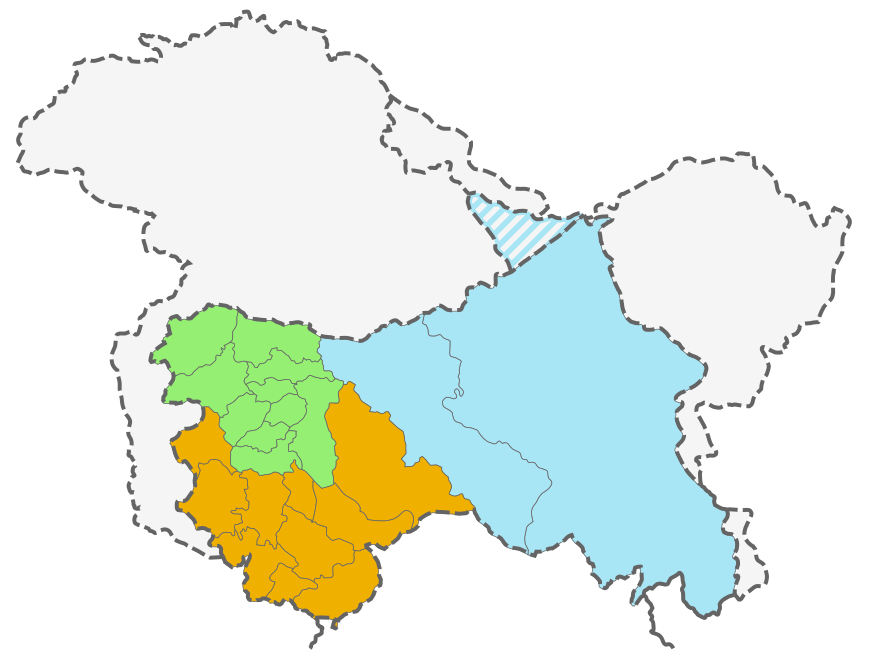
Ladakh, nestled in the Himalayas of Jammu and Kashmir, is a land where spirituality intertwines deeply with daily life. Its ancient temples, many dating back centuries, are not merely places of worship but vibrant centers of cultural expression. Annually, these temples host captivating festivals that showcase the rich Buddhist heritage of the region. These sacred celebrations, featuring masked dances, intricate rituals, and communal gatherings, offer a profound window into the unique spiritual landscape and enduring traditions of Ladakh. They are essential experiences for understanding the soul of this high-altitude desert.
Cultural Tapestry
The festivals weave together ancient beliefs, local customs, and Buddhist tenets.
Living Traditions
Many rituals performed today have been passed down through generations of monks and villagers.
Planning Your Festival Visit: When and How to Experience Ladakh's Temple Festivals
To experience Ladakh's sacred temple festivals, the best time to visit is generally from May to September, aligning with the region's most accessible weather and numerous festival dates. Festivals like Hemis Tsechu, Phyang Tsedup, and Stok Guru Tsechu are highlights, often occurring in the summer months. Essential preparations include booking flights to Kushok Bakula Rimpochee Airport (Leh) well in advance and arranging accommodation, as the region sees high tourist influx during festival periods. Acclimatization to the high altitude is crucial; plan for 2-3 days of rest upon arrival to prevent altitude sickness.
Best Time to Visit
May to September offers favorable weather and coincides with major festival celebrations, including the famous Hemis Tsechu.
Cultural Etiquette
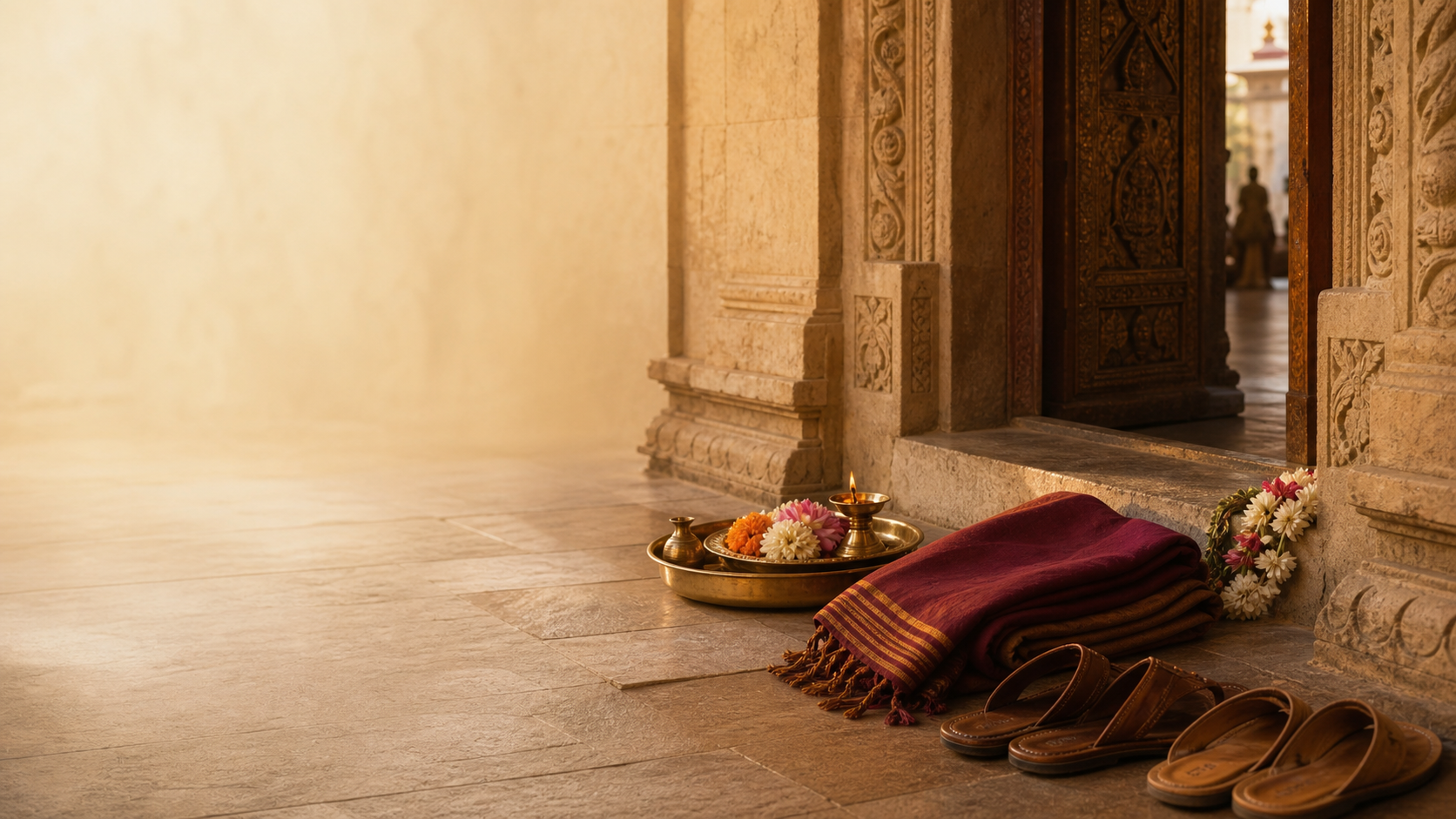
Dress modestly, covering shoulders and knees. Remove footwear when entering prayer halls, and always seek permission before photographing monks or rituals. Maintain respectful silence during ceremonies to honor the sacred atmosphere.
Duration and Logistics
A 5-7 day trip allows for core monastic circuit exploration and festival attendance. For onward travel from Jammu Tawi Railway Station (approx. 700 km), contact the temple office for specific bus routes or car hire options. Direct rail links to Ladakh are unavailable.
| Deity | Buddha |
|---|
The Enlightenment of Siddhartha Gautama
Siddhartha Gautama, born a prince, renounced his worldly life in search of ultimate truth and freedom from suffering. After years of rigorous asceticism, he sat beneath a Bodhi tree, vowing not to rise until he attained profound insight. Overcoming temptations and distractions, he meditated deeply, realizing the true nature of existence. Upon his awakening, he became the Buddha, the 'Enlightened One,' and dedicated the rest of his life to teaching the path to liberation, compassion, and wisdom, which forms the core of Buddhism.
Do not dwell in the past, do not dream of the future, concentrate the mind on the present moment.
Buddha
The mind is everything. What you think you become.
Buddha
Related temples: Ajanta Caves | Ancient Temple, Ladhoo
Cultural Impact and Community Weaving
The sacred festivals at Ladakh's temples are far more than mere religious observances; they are the vibrant threads that weave together the social and cultural fabric of the region. These annual celebrations serve as crucial platforms for the preservation and transmission of ancient Ladakhi traditions, including monastic masked dances (Chhams), folk music, intricate thangka painting, and oral storytelling. Entire communities, from the youngest children to the oldest elders, participate actively, ensuring the inter-generational transfer of knowledge and cultural practices. This collective engagement reinforces a strong sense of Ladakhi identity and community cohesion, acting as a powerful cultural anchor in an increasingly globalized world. For both residents and visitors, these festivals offer an unparalleled window into the soul of Ladakh, showcasing its unique heritage. Beyond their spiritual significance, Ladakh's temple festivals exert a profound cultural and socio-economic impact on the region. They are significant drivers of local tourism, attracting a diverse range of visitors who contribute to the livelihoods of local artisans, guesthouse owners, and guides. The demand for traditional crafts, religious artifacts, and local delicacies surges during these periods, providing vital economic support to many families. Furthermore, these festivals often foster inter-village connections and even inter-faith dialogue, as people from various backgrounds gather to witness and partake in the festivities. By showcasing Ladakh's rich Buddhist heritage and its commitment to peace and spiritual harmony, these events elevate the region's global profile, positioning it as a unique cultural destination that offers profound experiences far beyond typical travel itineraries.🗺 How to Reach
Hover a card to animate the journey on the map
Verified routes to Sacred Festivals at Ladakh Temples: When and How to Visit
Common Questions
Where is Ladakh Temple Festivals: Your Guide to Sacred Celebrations located?
Ladakh Temple Festivals: Your Guide to Sacred Celebrations is documented at Jammu, Jammu and Kashmir.
Which deity is associated with Ladakh Temple Festivals: Your Guide to Sacred Celebrations?
Ladakh Temple Festivals: Your Guide to Sacred Celebrations is associated with Buddha.